English
 Čeština
Making home espresso is a dream come true for many, but without the right knowledge, it can quickly turn into a bitter disappointment. If your coffee is too sour or, on the other hand, too bitter, you’re likely making one of the common mistakes. In this guide, we’ll show you how to achieve correct coffee extraction and what not to overlook.
1. Why you shouldn’t use freshly roasted coffee for espresso right away
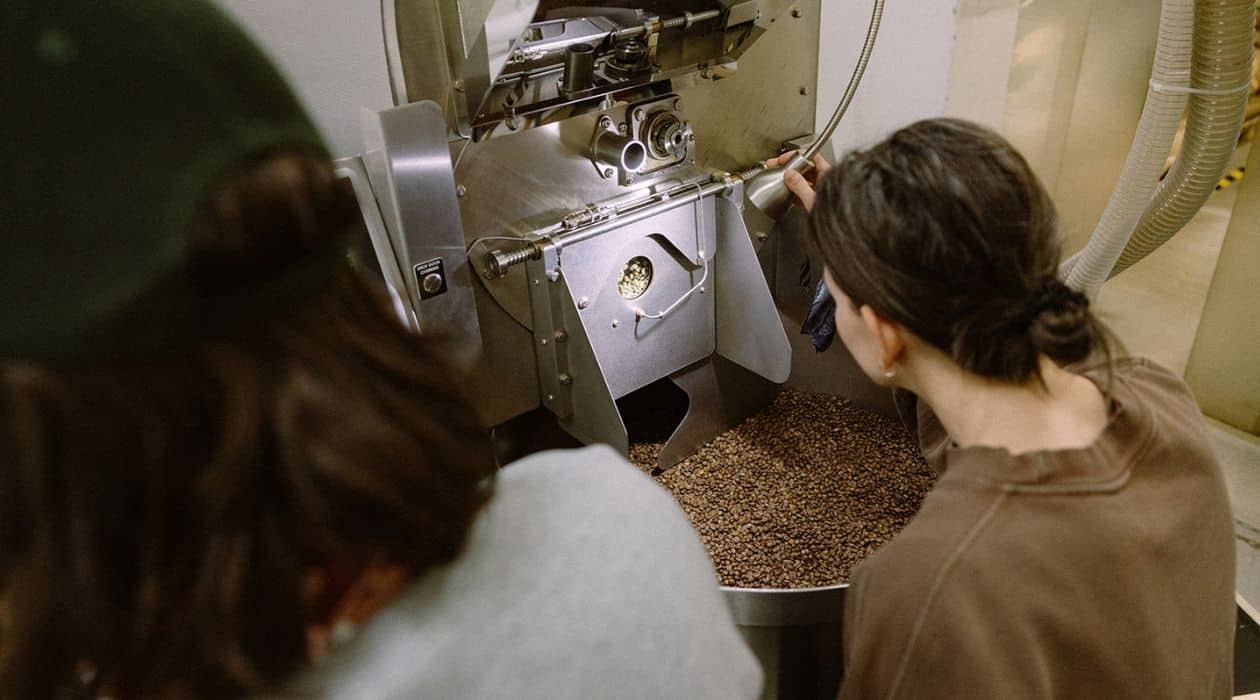
When you buy freshly roasted coffee, it’s great. But you shouldn’t work with it immediately. Why? For espresso preparation, the coffee should rest for a few days—at least 14 days after roasting, ideally a month.
Why? Too fresh coffee can foam, spray (channeling), or taste “green” and underdeveloped in an espresso shot. Give it time; it will be worth it. And if you really can’t wait, open the bag and let it “breathe” for at least a few hours. Trust us, it truly helps. During roasting, carbon dioxide ($CO_2$) forms inside the beans, and they need time to release it (a process called degassing) so the flavor can fully develop.
2. Less is more: Why you shouldn’t pull a “large mug” from one portafilter
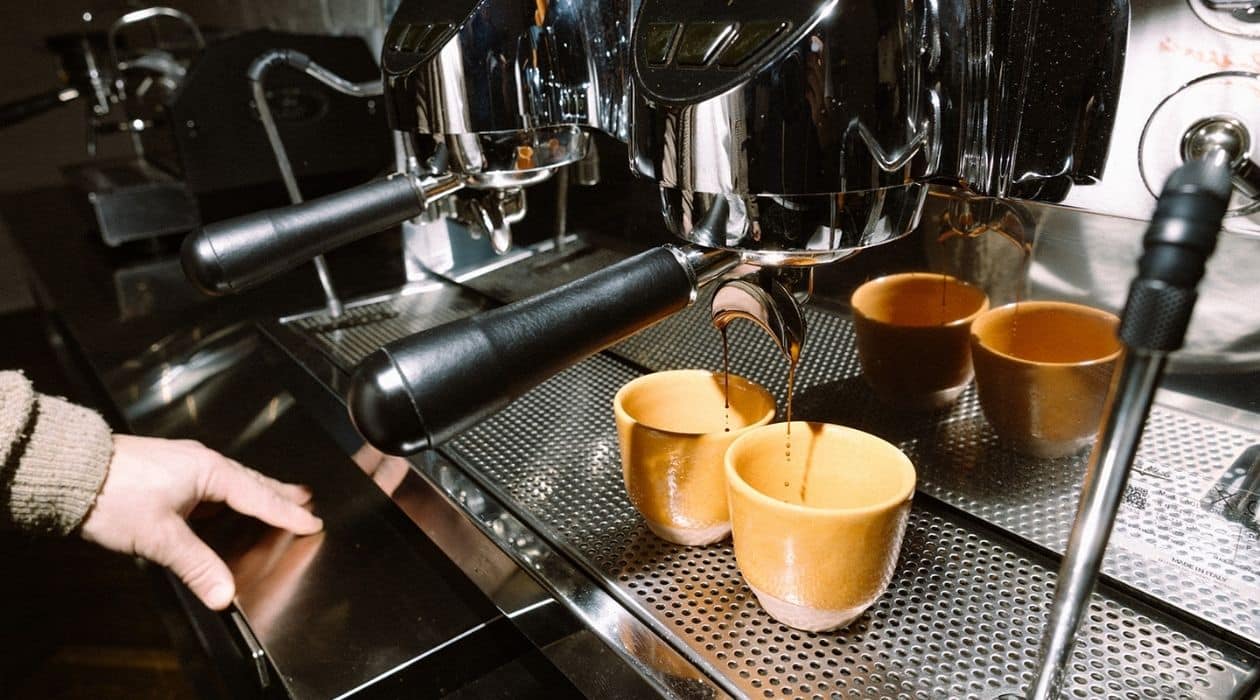
It’s completely natural to want a “bigger coffee” at home. However, it’s not a good idea to achieve this by simply letting the water run until you reach the desired volume.
The longer water flows through the coffee bed, the more bitterness and hollow flavors begin to leach out. If you want more coffee in your cup, you have three proper options:
- Make two espressos (a double shot).
- Lengthen it with hot water—making an Americano.
- Or go for a filter coffee instead.
3. Choosing a coffee grinder: Why you shouldn’t skimp on it
Espresso is uncompromising when it comes to grinding. The coffee must be ground finely, consistently, and, above all, always fresh. A standard blade grinder (or one with coarse settings) simply won’t cut it.
If you want to start with espresso, look for a burr grinder with stepless (ideally micrometric) adjustment. It needs to handle fine grinding and respond to even tiny adjustments. It’s not a cheap investment, but it pays off. If you’re unsure, feel free to message us—we’d be happy to recommend something tried and tested.
How to dial in your coffee grinder?
Start with a grind fine enough so that the coffee flows for approximately 25–30 seconds with a suitable dose in your basket (15–18 g, for a double espresso).
- Extraction too fast? → Grind finer.
- Nothing coming out? → Grind coarser.
It’s a simple rule that works.
And one more important thing…
Every coffee requires a different setting. Did you buy our Cafeina and then try something more fruity? You’ll need to play with the grinder a bit. Tried coffee from another roastery? That’s fine, we like trying others too, but the grinder will need a slight adjustment. Different coffees have different densities, moisture levels, and bean structures. What worked for one might not work for another. You have to “nudge” the grinder slightly. It’s normal and actually quite fun—every coffee teaches you something new.
4. Water – The unsung hero
Water makes up more than 90% of every espresso. Yet, many people overlook it. At the same time, it has a massive impact on the taste of the coffee, the lifespan of your machine, and the overall brewing experience.
If you use tap water, that’s fine, but try to check its hardness. Hard water can mute the flavors, suppress sweetness, and over time, build up limescale in your machine.
What is ideal?
Clean, medium-mineralized water with a total dissolved solids (TDS) level around 80–120 ppm. If you’re unsure, use filtered water, a filtration pitcher, or for the real enthusiasts, filtration cartridges.
5. Patience and “Dialing In.”
Setting up espresso at home is a bit of a science. And that’s a good thing! Because the process of “dialing in” and discovering is the most enjoyable part. Sometimes it works out right away, but even if the first shot is sour or bitter, it doesn’t mean it’s impossible. It just means you’re at the beginning. With every attempt, you learn more about your machine, your grinder, the coffee, and yourself.
6. If something isn’t working, reach out
Not working? Bitter? Weak? Too sour? Write to us or come straight to our Home Espresso Course. Every espresso machine is a bit different, and we’d be happy to help you “tune” yours. We’ve pulled thousands of shots and can save you a lot of trial and error.
In conclusion?
Home espresso isn’t magic; it’s just a synergy of fresh coffee, the right timing, proper grinding, and a bit of patience. And joy. Because when it works, there’s nothing like it. That first sip on a Sunday morning, the aroma filling the kitchen, the warm cup in your hand. That’s exactly what it’s about.
Enjoy it. Experiment. And most importantly, don’t be afraid of mistakes. Every bad coffee brings you one step closer to the perfect one. And we’re here for you, whatever you need.
Cheers! 🤎