 English
 Čeština



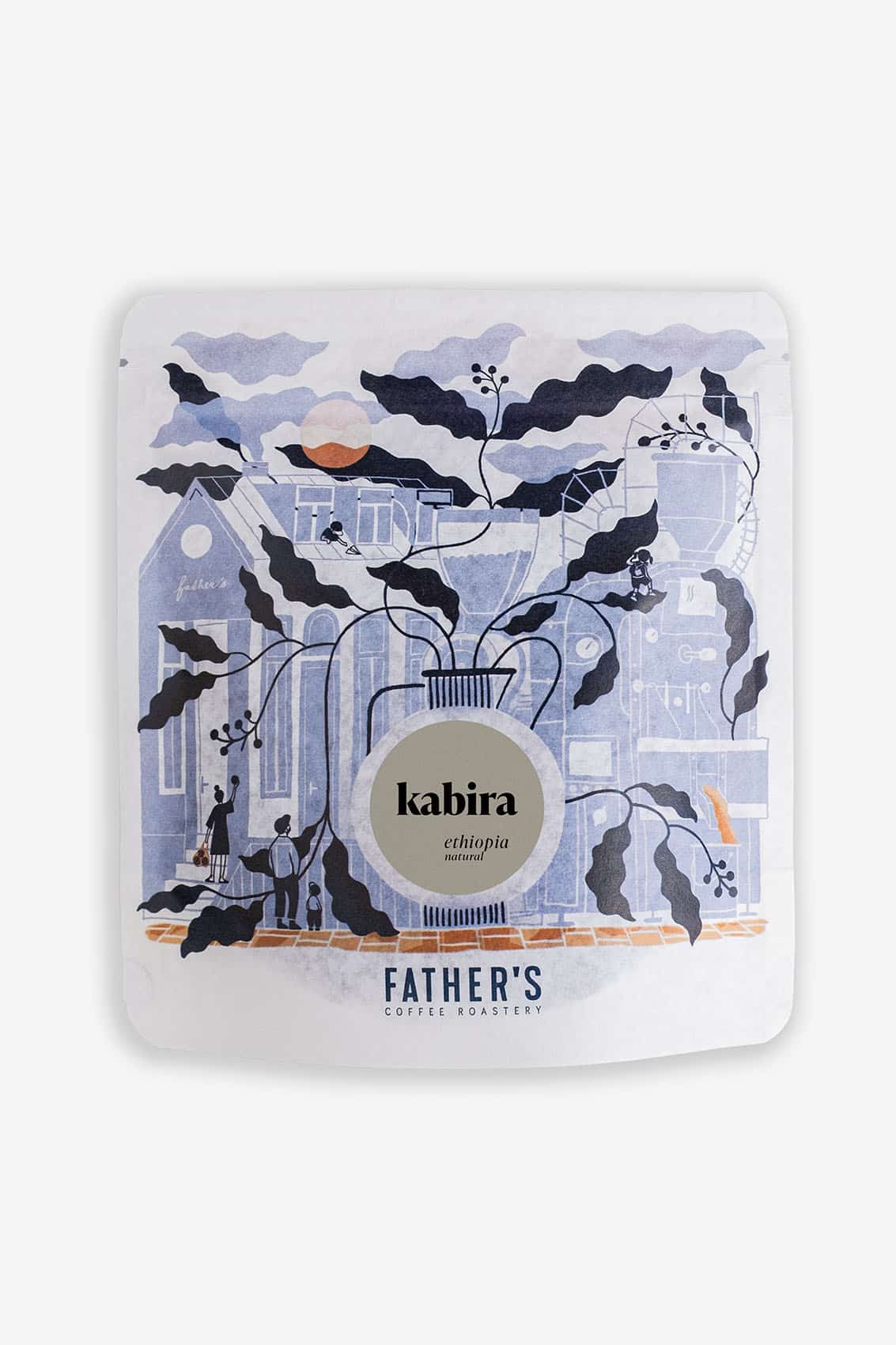
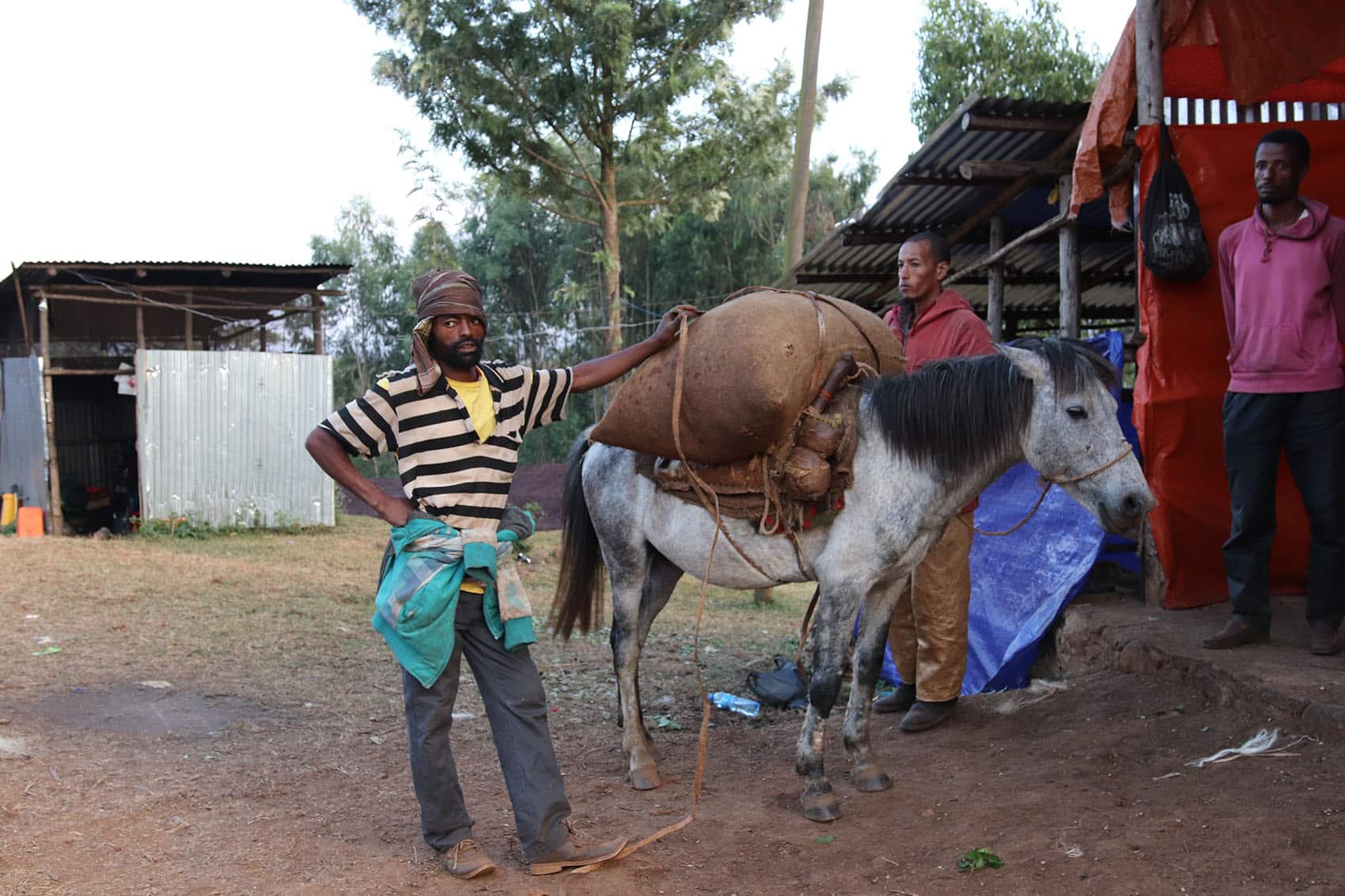
Ethiopia – Kabira


Price range: € 17.67 through € 106.07
Country: Ethiopia
Region: Agaro, Jimma, Western Ethiopia
Station: Kabira
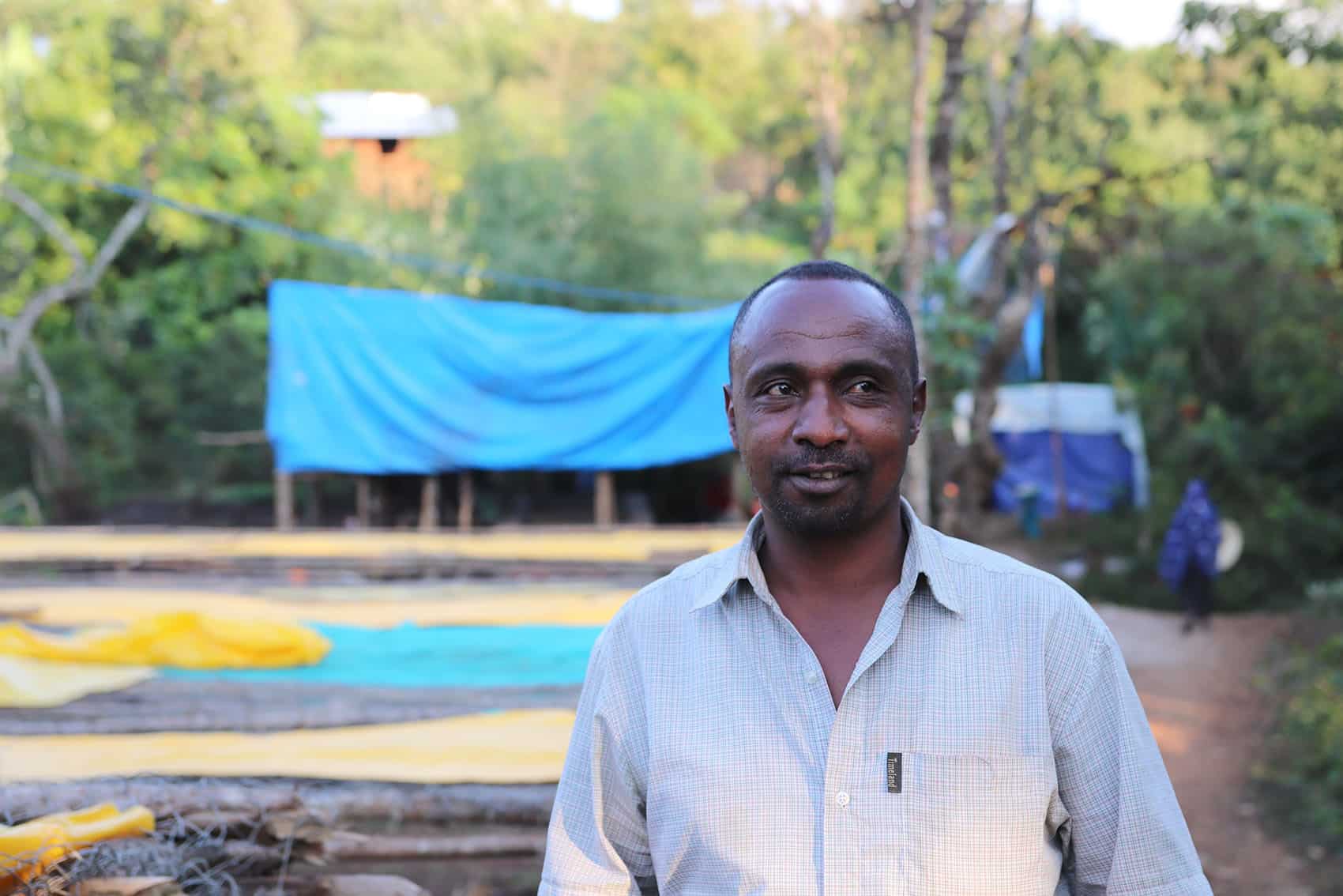
Producer: Mustefa Abakeno
Altitude: 2000–2100 m.a.s.l.
Variety: 74110, 74112
Processing: natural
Tasting notes: blackberries, red apple, cream ice cream
Kabira is proof that even in a fast-changing world, specialty coffee can stay true to its origins. This coffee comes from the Agaro region in Western Ethiopia, where Mustefa Abakeno not only cultivates but also processes coffee at his own and shared stations – including the one named Kabira. It combines a traditional approach with a modern eye for detail, both in drying and in community work.
The story of the farm and producer Mustefa Abakeno
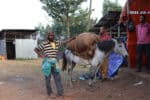
Mustefa Abakeno manages an 18-hectare farm in the Jimma area, over 2000 meters above sea level. He grows local varieties developed by the Jimma Agricultural Research Center. In 2018, following changes in export regulations, he began selling coffee directly and established the Beshasha processing station, which today also serves neighboring smallholders (so-called outgrowers).
Since then, Mustefa has expanded his network of cherry collection sites – including four new locations: Echamo, Jarso, Badeyi, and Saadi. Cherries from these sites are processed at Beshasha and Kabira, both of which he operates himself.
How is coffee from Kabira processed?
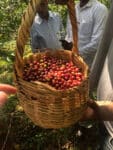
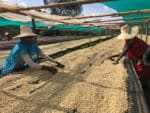
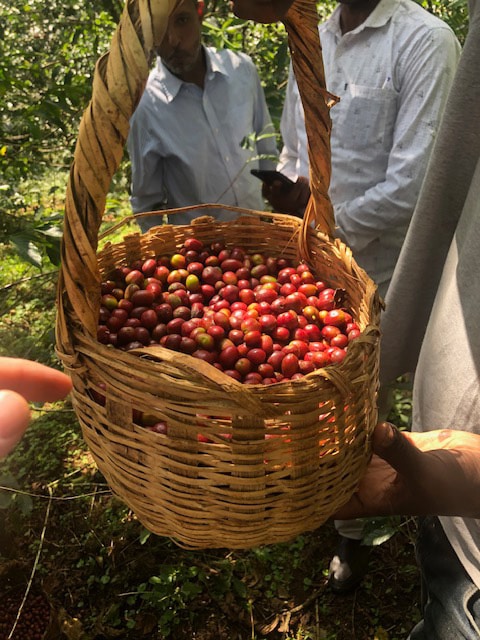
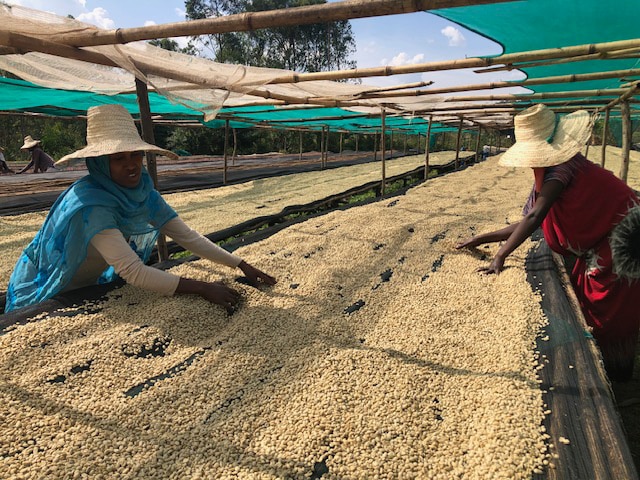
This coffee is processed using the natural method. Cherries are first floated in water to remove underripe ones. After that, they are shade-dried for one day to stabilize the process and then moved to raised beds, where they dry for 20 to 30 days, depending on the weather.
Thanks to collaboration with agronomist Harun (Falcon Addis Ababa), new steps have been introduced, such as shade netting during the hottest hours of the day and moisture monitoring throughout the drying phase. Each day lot is evaluated and contributes to the final cupping profile.
Variety
This coffee comes from Ethiopian varieties 74110 and 74112, developed at the Jimma Agricultural Research Center. These varieties are known for their resilience and excellent adaptation to high-altitude conditions.
We work with several couriers worldwide, the table HERE specify the conditions for each country.
If your country is not available please send us an email to info@fathers.cz.
Related Products

Country: Peru
Region: Jaén, Cajamarca
Farm / Station: Jaén
Altitude: 1750 – 2000 MASL
Variety: Catuai, Pache, Caturra
Process: Washed
Tasting notes: Milk chocolate with nuts, hibiscus, green apple
Preparation:Suitable for all filter brewing methods (V60, Solo Dripper, Aeropress, Chemex, French press, Clever Dripper..).
Type of coffee: roasted whole bean coffee
Jaén brings together eight farmers from the Cajamarca region of northern Peru, who, thanks to meticulous processing and ideal growing conditions, produce exceptional specialty coffee. This region is also a hub for innovation in transparency and sustainability. With careful processing and a strong focus on quality, their harvest transforms into the coffee we have roasted for you.

Country: Indonesia
Region: Pegasing
Farm / Station: Team Pegasing
Producer: Hendra & family
Altitude: 1,300 – 1,500 masl
Variety: Tim Tim, Gayo 1
Processing: Natural
Taste profile: cherry pie, lemon balm tea
Preparation: Suitable for all filter brewing methods (Solo Dripper, V60, Chemex, Aeropress, French press…)
Type of coffee: Roasted whole bean coffee
Hendra is our long-term partner from Indonesia and someone who truly inspires us with his approach to coffee. We met him again this year at World of Coffee in Indonesia and were reminded how much passion and innovation he pours into every harvest. His work proves that when tradition meets experimentation, the result can be something truly exceptional.
Country: Peru
Region: Las Pirias, Chirinos, Cajamarca
Farm/station: Eli Espinoza
Producer: Eli Espinoza
Altitude: 1,850–2,000 m a.s.l.
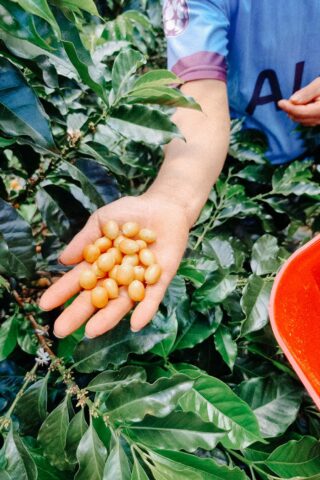
Variety: Geisha
Processing: washed
Flavor profile: black currant, linden blossom, hazelnut cream
Coffee type:roasted whole bean coffee
Preparation: suitable for all types of filter coffee preparation (V60, Solo Dripper, Aeropress, Chemex, French press, Clever Dripper…). You can also find this coffee in an espresso roast variant.
Geisha from Peru was grown by a producer who worked his way to his own farm with his own hands. He processes the coffee at his home with care. This coffee is exactly what we’re looking for: clean work, clear origin, honest story.
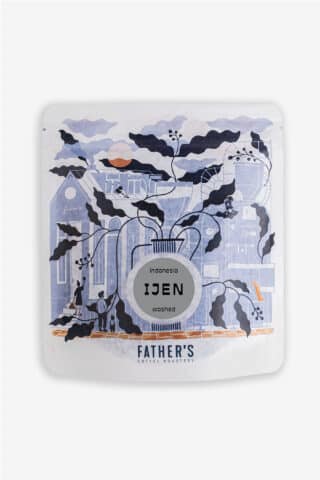
Country: Indonesia
Region: Botolinggo Village, East Java Province (Mt. Ijen)
Farm / station: Ijen Highlands
Producer: Kevenka (Kevin & Kenny Soewondo)
Altitude: 1,100–1,500 m a.s.l.
Variety: Komasti, Andungsari, Bourbon, Kartika
Process: washed
Tasting notes: roasted almonds, dark chocolate, red apple
Preparation: best for espresso, for both semi-automatic and automatic espresso machines, and for home brewing.
Coffee type: roasted whole-bean coffee
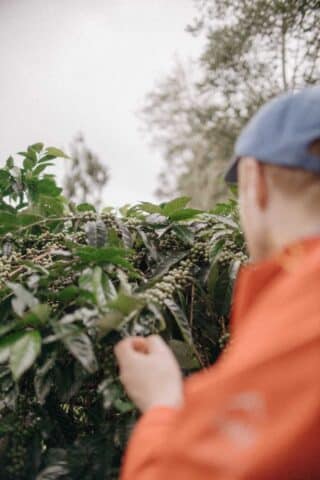
We met Kevin and Kenny in person. In May 2025, we spent a few days with them right there in Java. They introduced us to their families, friends, and the people from the farms. We shared the start of the season with a communal prayer and meal, and we even climbed the volcano together. For us, this coffee is a return to a place where we truly felt like part of the family.
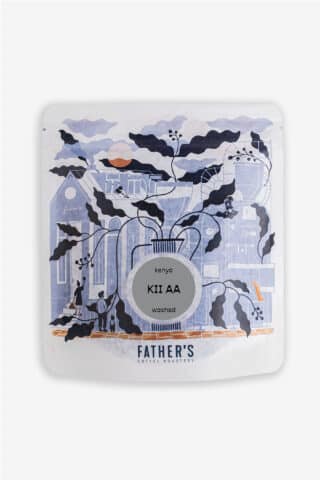
Country: Kenya
Region: Kibugu, Embu region
Farm/station: Kii
Producer: smallholder farmers organized around the Kii station
Altitude: 1,800 m a.s.l.
Variety: SL34, SL28
Processing: washed
Flavor profile:gooseberry, black tea, currant
Preparation: Suitable for espresso preparation, lever and automatic machines, and home preparation.
Coffee type: roasted whole bean coffee
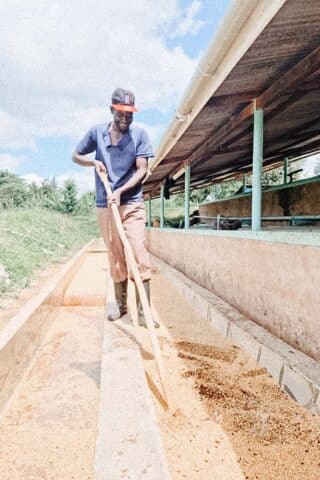
Kii is a Kenyan coffee that has been in our offering before, and we are happy to return to it. Clean, fresh, and balanced. It stands on the honest work of thousands of smallholder farmers and reminds us why Kenya has such a strong reputation in the world of specialty coffee.
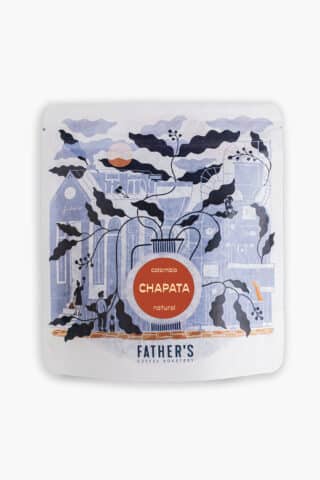
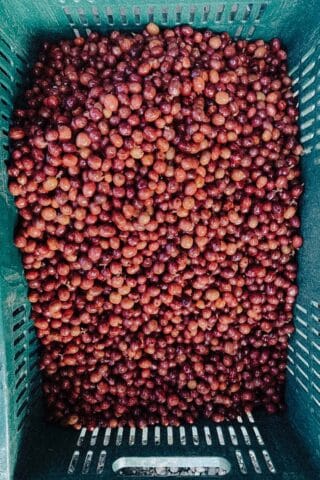
Country: Colombia
Region: Anserma, Caldas
Farm / station: Anserma Cooperative (Attia – Chapata project)
Producer: Luis Miguel (General Manager)
Altitude: 1800 m a.s.l.
Variety: Castillo
Process: natural with extended fermentation
Tasting notes: orange wine, chocolate-covered cherries, cocoa
Preparation: suitable for all types of filter coffee preparation (V60, Solo Dripper, Aeropress, Chemex, French press, Clever Dripper…).
Coffee type: roasted whole-bean coffee
Chapata coffee quickly found its place in our roastery and in your homes. It is the kind of coffee you want to enjoy every single day. You can taste the care with which Luis Miguel and the people in Anserma prepared it, as well as the courage they showed in embracing new processing methods. It is a coffee you will love returning to for its approachability and warm character.
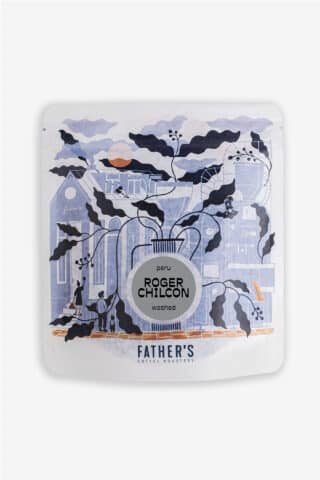
Country: Peru
Region: El Diamante, San José de Lourdes
Farm / station: Roger Chilcon
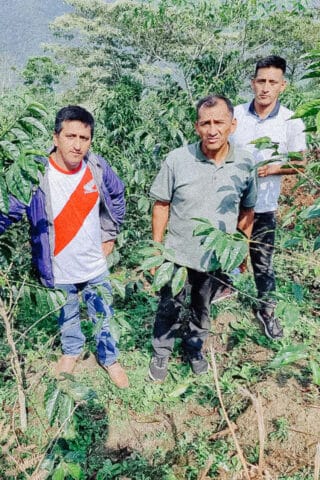
Producer: Roger Chilcon Flores
Altitude: 1,900–2,000 m a.s.l.
Variety: Caturra, Pache
Processing: washed
Tasting notes: orange, chamomile tea, cashew
Preparation: suitable for espresso preparation, for both portafilter and automatic machines, also ideal for home use. You can also find this coffee in a filter roast version (V60, Solo Dripper, Aeropress, Chemex, French press, Clever Dripper…).
Type of coffee: roasted coffee beans
From the mountains of northern Peru comes a coffee that touched us with its purity and its story. Roger Chilcon does everything his own way, slowly, honestly, and with deep respect for the land and the people around him. His coffee reminds us that the world of specialty coffee isn’t built on trends but on people who truly love what they do. And that’s exactly the kind of coffee we want to roast at Father’s.
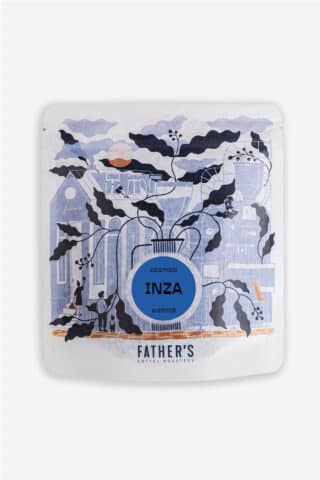
Country: Colombia
Region: Piendamó, Cauca Department
Farm / Station: Members of the Asociación de Caficultores del Cauca (ACC)
Producer: ACC – Asociación de Caficultores del Cauca
Altitude: 1,700 to 2,100 m a.s.l.
Variety: Castillo
Process: Washed
Cup Profile: orange, nettle tea, star anise
Preparation: Suitable for all filter coffee brewing methods (V60, Solo Dripper, Aeropress, Chemex, French press, Clever Dripper). This coffee is also available in an espresso roast.
Type of coffee: Roasted whole bean coffee
Why Inza Matters
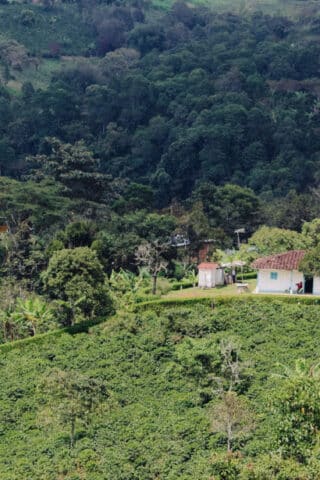
Inza isn’t just another coffee – it’s a story of resilience and connection. This year, our “dad” Petr traveled there, and even though local unrest nearly kept him from reaching the region, he eventually met the people behind this coffee.
High in the mountains of Cauca, smallholder farmers grow coffee on steep slopes, most of the work done by hand. Their dedication to quality shines through in every cup. For us, Inza is a reminder of their commitment and the strong community that makes Colombian coffee so special. 🤎

Don’t know which filter coffee to choose? ☕
Maybe the sample box containing 5x60g of coffee can help you. Its contents are continuously updated according to the coffees currently available.
You can order the sample box for your home, invite your friends, and organize cupping. This can help you find out what coffee you like best and make ordering easier in the future. Or you can get it as a gift, wrapped in our coffee-world illustration bag.
You’ll soon learn how to make cupping at home on our blog.
Currently, our Sample Box consists of:
Etiophia (washed) – Chelbesa
Etiophia (natural) – Lalesa
Colombia (washed) – Inzá
Kenya (washed) – Gichatha
Uganda (washed) – Zebigi
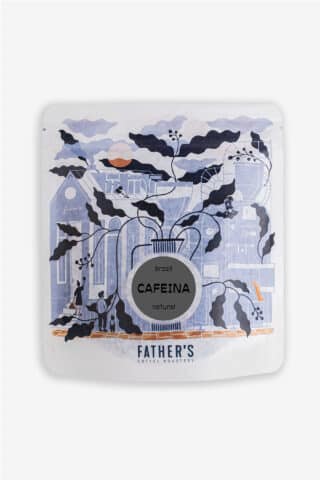

Country: Brazil
Region: Carmo De Cachoeira, Sul De Minas
Processing station: Cocatrel Direct micro mill
Altitude: 900-1100 m above sea level
Variety: mix of varieties
Processing: natural
Taste profile: hazelnut butter, cherries, chocolate, and sweet tobacco
Our CAFEINA is a daily guarantee of stable espresso with low acidity. With our composition and roasting, we try to always taste sweet, with notes of hazelnut butter, cherries, chocolate, and sweet tobacco
You will prepare a pleasant cup of coffee from it, which everyone will enjoy. It is suitable for cafes looking for simpler espresso and for easy preparation at home or work. We also recommend it for your automatic espresso machines.
We are currently roasting coffee from producers of the Caixa de Fruta region.
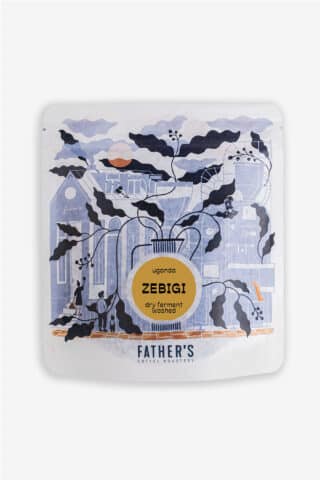
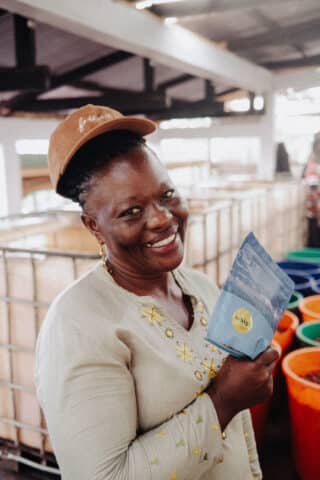
Country: Uganda
Region: Upper Bukyabo
Processing station: Coffee Gardens
Altitude: 1800-2200 m.a.s.l.
Variety: SL14, SL28, Nyasaland
Processing: washed
Taste profile: Chamomile tea with lemon and hazelnut cream
Preparation: suitable for all filter coffee methods (Solo dripper, V60, Aeropress, Chemex, French press, Clever Dripper…) You can also find this coffee roasted for espresso.
Type of coffee:roasted whole bean coffee
This coffee was grown high in the Ugandan mountains near the village of Zebigi and processed by Coffee Gardens. The coffee company has a station below the mountain where most farmers live; they know all of them in person. They blend the coffee into micro lots by combining coffees with similar flavor characteristics processed on the same day.

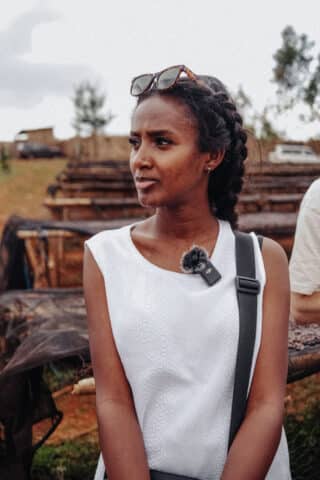
Country: Ethiopia
Region: Gedeb
Washing Station: Lalesa
Producer: Smallholder farmers in collaboration with Ephtah Specialty Coffee
Altitude: 2,150–2,200 m a.s.l.
Variety: Heirloom
Processing: Natural
Tasting notes: blueberry cheesecake, lime
Brew method: Suitable for all filter brewing methods (V60, AeroPress, Chemex, French press…)
Type: Roasted whole bean coffee
Lalesa isn’t just the name of a station for us, it’s a place we stood at last year, watching women carefully sort coffee cherries and admiring Wubit’s incredible dedication as she leads her team. Lalesa proves that coffee truly can change lives. And today, we’re proud to share that coffee with you. It’s the taste of a place that touched us deeply.
We roast it both for filter and espresso.
Did you know that we also have a limited edition from Lalesa processed using the black honey method?