 English
 Čeština

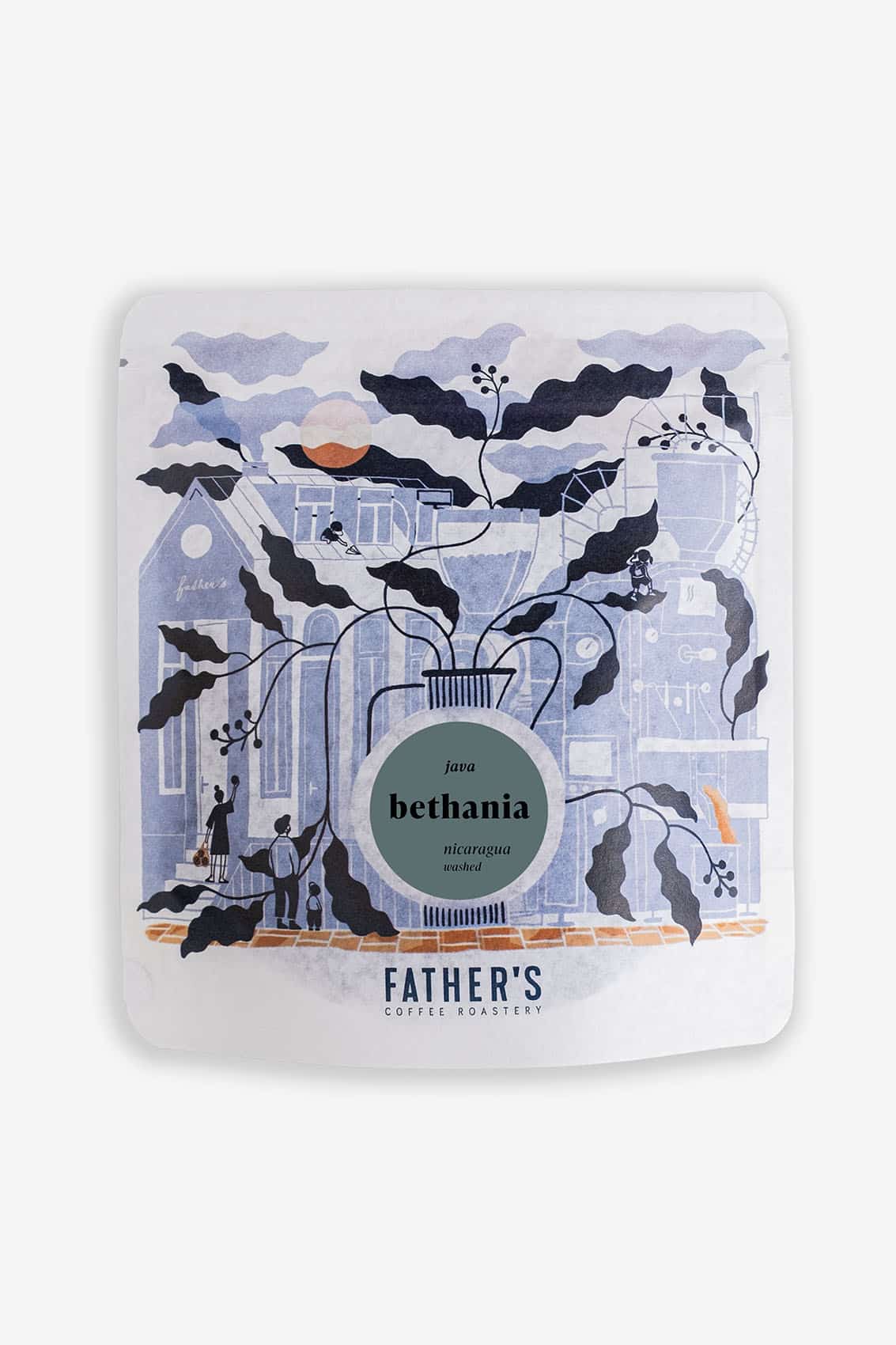
Nicaragua – Bethania Java


Country: Nicaragua
Region: Macuelizo, Nueva Segovia
Farm / Station: Bethania / Cafetos de Segovia
Producer: Ana and Martha Albir
Altitude: 1,250- 1,500 m a.s.l.
Varietal: Java
Process: Washed
Tasting notes: panela, orange juice, plums
Preparation: Suitable for all filter brewing methods (V60, Aeropress, Chemex, French press). Also available in espresso roast.
Type: Roasted whole‑bean coffee
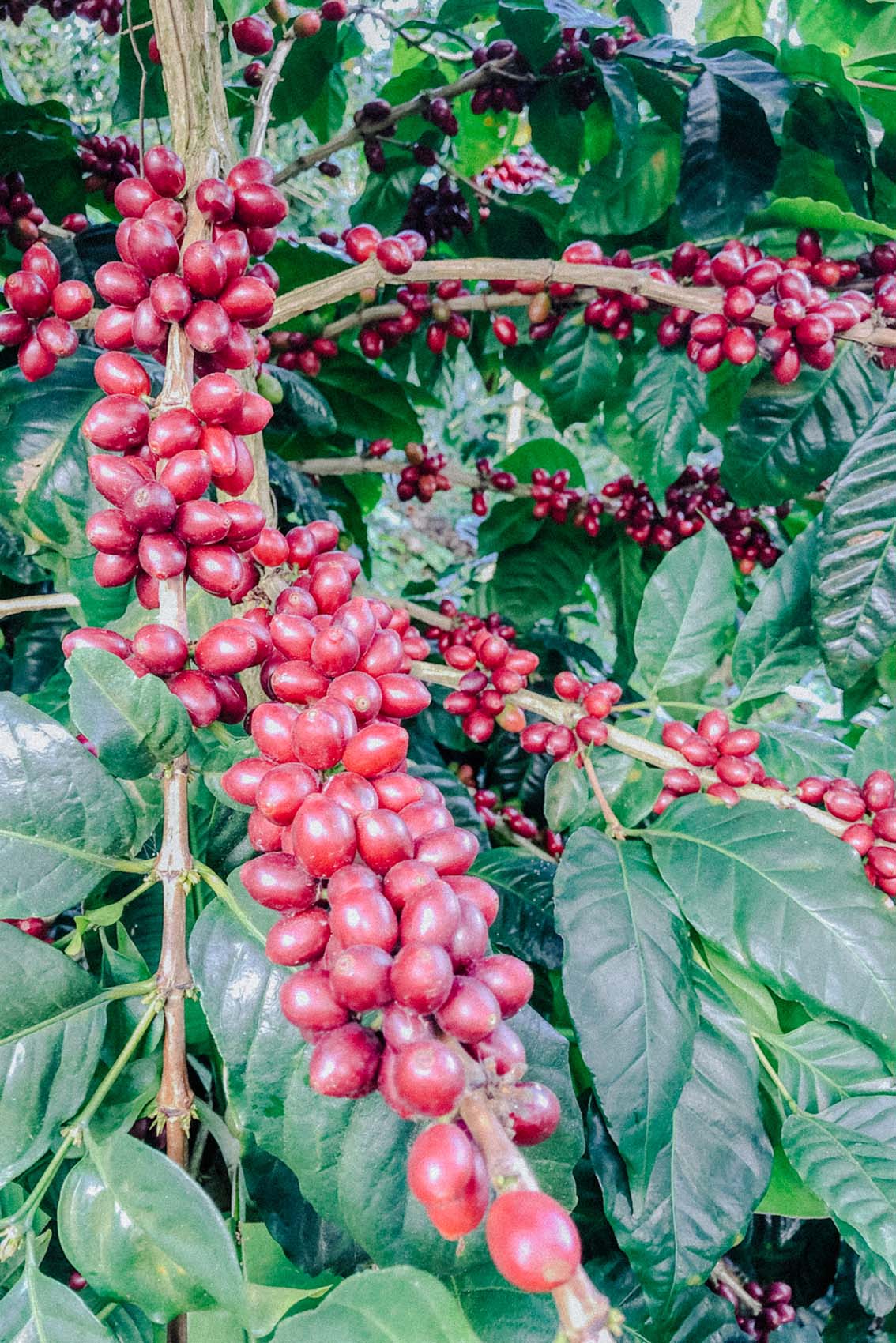
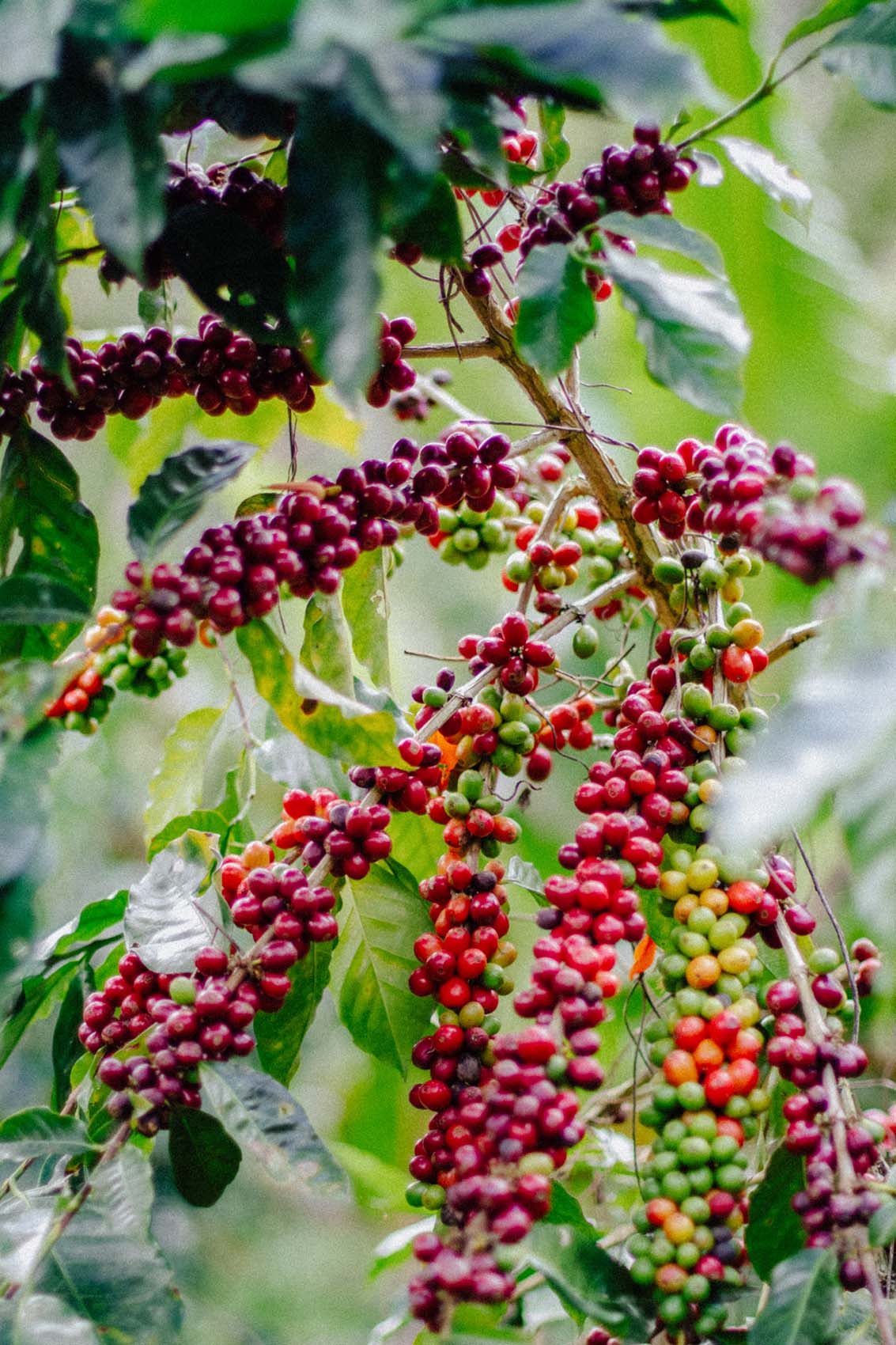
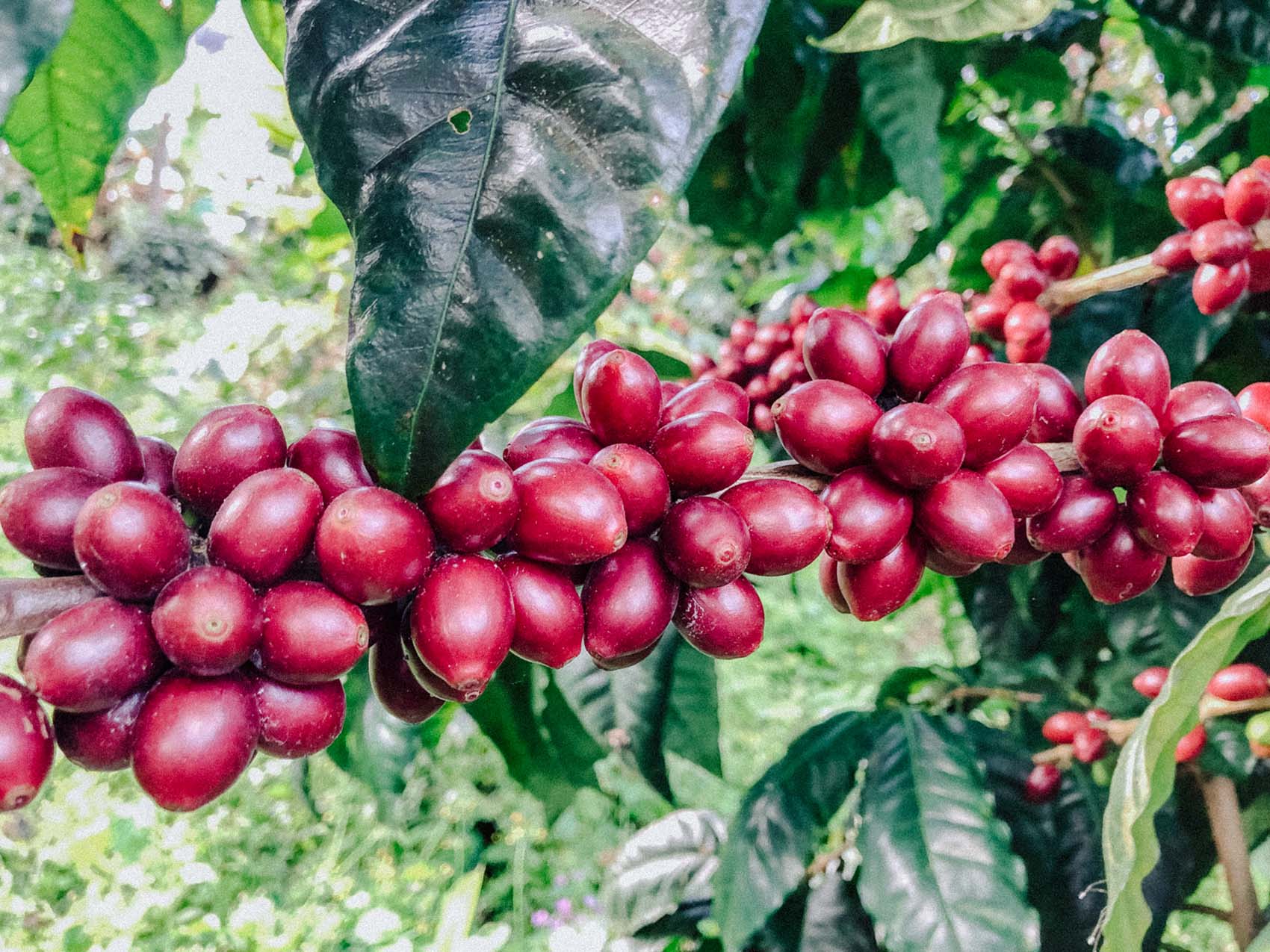
The family-run Bethania farm embodies the principles of integrity, perseverance, and a deep love for the land, yielding quality results. Third-generation producers, sisters Ana and Martha Albir, have transformed it into a home for exceptional coffee. With their drying station and collaboration with local farmers, along with gentle processing, Bethania stands out as one of Nicaragua’s most captivating coffees.
Farm and station story
This Nicaraguan specialty coffee from Bethania carries a strong heritage. Founded in 1991 in the heart of Nueva Segovia, renowned for its high-standard coffee, it’s now led by sisters Ana and Martha Albir, whose roots trace back to 1930. The family faced hardship during the revolution in the 1970s and was forced to move to the USA. Later, upon returning to Ocotal, they found most of their land had been taken, but they stood firm, determined to continue their coffee tradition.
In 2015, they built their dry mill, Cafetos de Segovia, gaining total control over processing. Today, they process coffee from their fields and work with over 47 smallholder farmers across the Macuelizo region.
How it’s processed
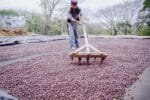
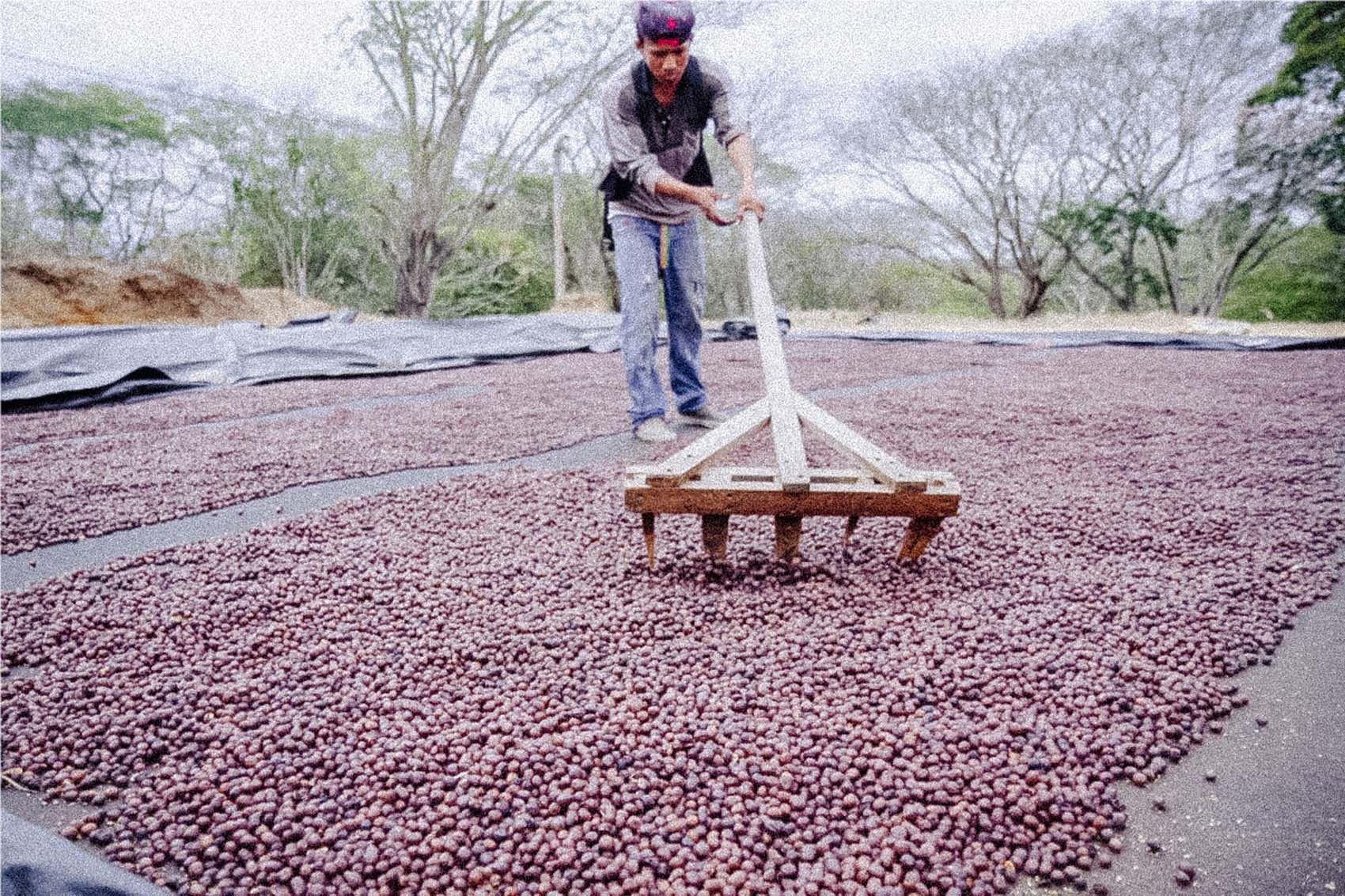
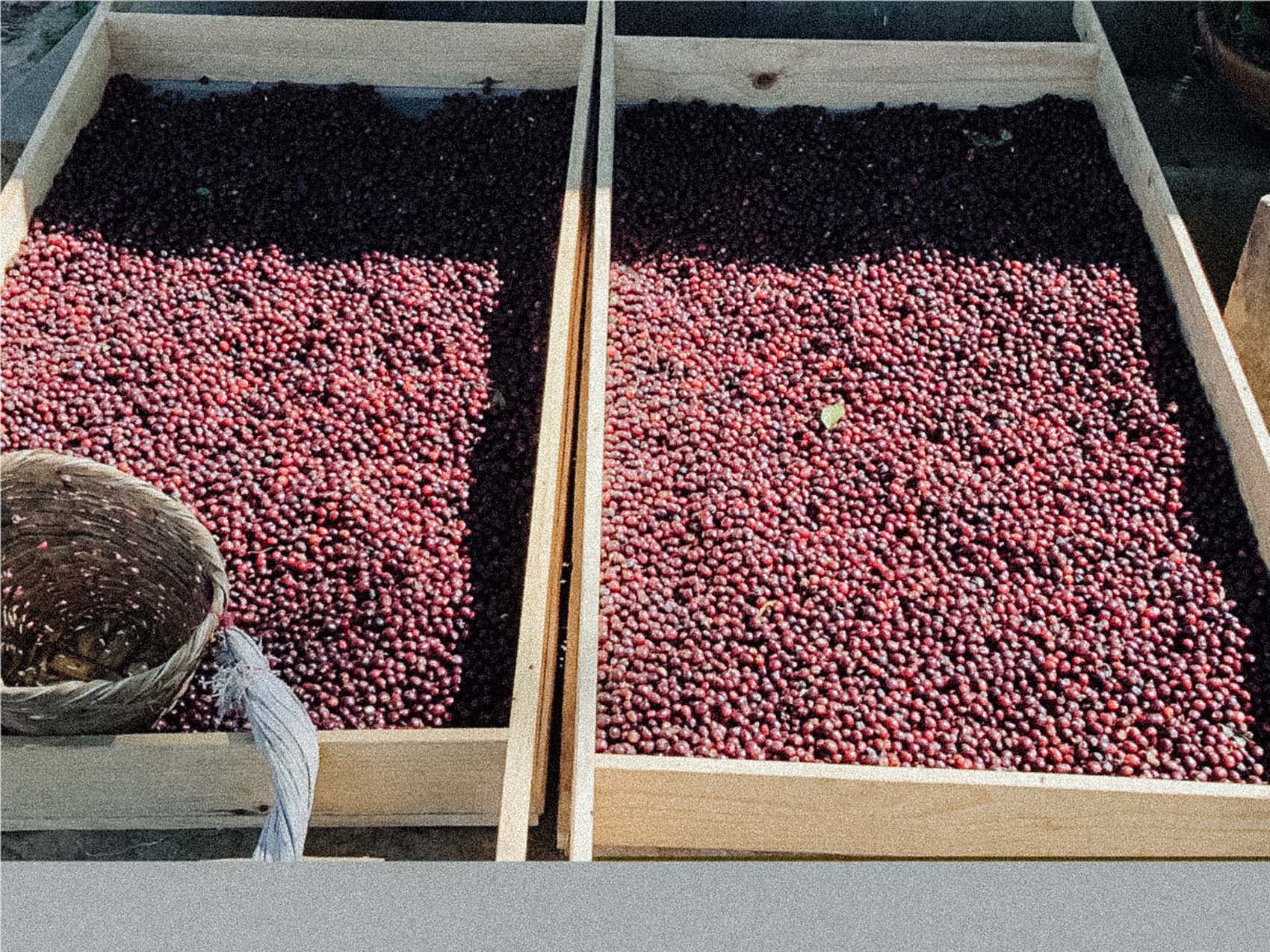
Coffee from Bethania is washed, a method that brings out clarity and brightness. About 80% of batches undergo this strict washed protocol. Fresh cherries are rapidly processed into wet parchment and then dried on patios: first in shade for 5–6 days, then in the sun. The patios are covered with black mesh to avoid direct ground contact.
Drier-processed cherries are also actively turned and pooled during hot periods to ensure even drying and flavor retention, especially critical at lower altitudes (below 900 m asl) where the sun’s intensity is stronger.
Varietal
This coffee centers on the Java varietal, celebrated for its gentle sweetness, floral notes, and nuanced complexity. Originally from Ethiopia, Java has thrived in Nicaragua’s microclimate. The farm also grows Caturra, Catuai, Catimor, and Maracaturra, allowing the sisters to experiment and continually refine the flavor profile.
We work with several couriers worldwide, the table HERE specify the conditions for each country.
If your country is not available please send us an email to info@fathers.cz.
Related Products
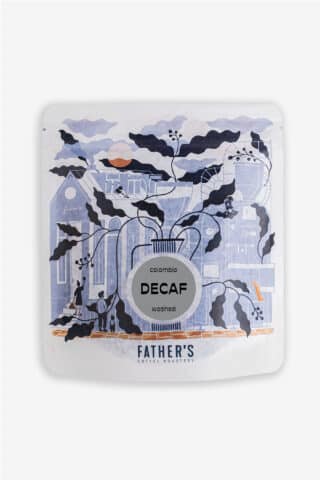
Our decaffeinated coffee tastes like a fresh orange cake, cane sugar, and white tea. It was processed naturally and then decaffeinated using natural sugar cane method. You can read more about this great method in the article on the blog here.
A cup of this coffee can easily become your pre-sleep ritual. Its name, ATUNKAA, translates to “sleep and sleepy dreams.”
Country: Colombia
Region: Rio Sucio, Caldas
Farm: Siruma Coffee Farms
Altitude: 1600-2000 m.a.s.l.
Variety: Castillo, Colombia
Processing: washed – sugar cane decaf
Taste profile: orange cake, cane sugar, white tea
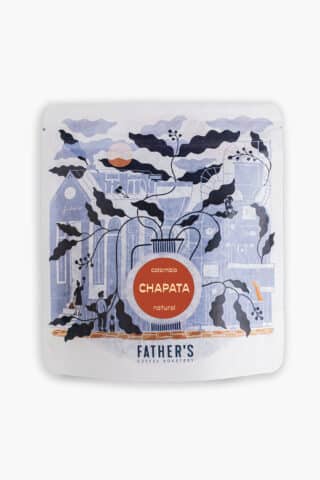
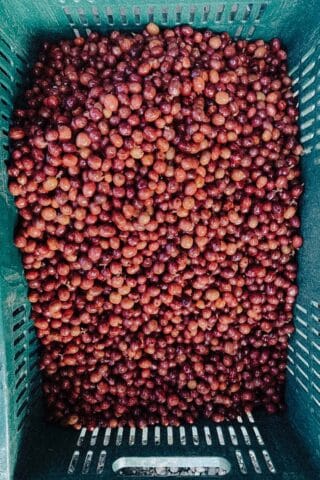
Country: Colombia
Region: Anserma, Caldas
Farm / station: Anserma Cooperative (Attia – Chapata project)
Producer: Luis Miguel (General Manager)
Altitude: 1800 m a.s.l.
Variety: Castillo
Process: natural with extended fermentation
Tasting notes: orange wine, chocolate-covered cherries, cocoa
Preparation: suitable for all types of filter coffee preparation (V60, Solo Dripper, Aeropress, Chemex, French press, Clever Dripper…).
Coffee type: roasted whole-bean coffee
Chapata coffee quickly found its place in our roastery and in your homes. It is the kind of coffee you want to enjoy every single day. You can taste the care with which Luis Miguel and the people in Anserma prepared it, as well as the courage they showed in embracing new processing methods. It is a coffee you will love returning to for its approachability and warm character.
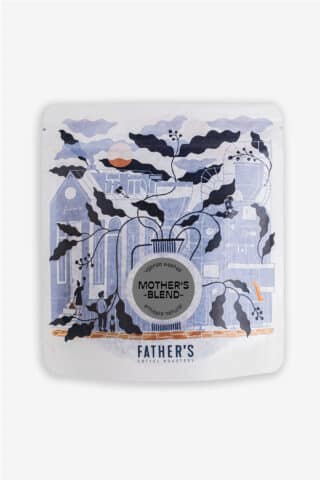
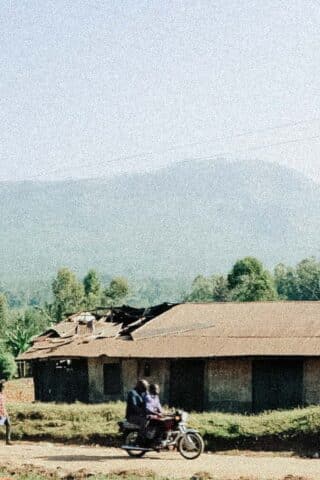
Full creamy body, notes of milk chocolate, and delicate floral aroma, that’s Mother Ship, our espresso blend that has won the hearts of both professional baristas and home coffee drinkers. It is no coincidence that this is our second-best-selling espresso coffee.
It works perfectly as a base for your favorite milk drinks, yet also delights anyone who enjoys a clean espresso with a rich taste and balanced profile.
Country: Ethiopia
Region: Agaro Region, Goma
Farm / Station: Tullu Dimtu – Kata Maduga
Producer: Kotta
Altitude: 2,000 – 2,100 m a.s.l.
Variety: heirloom
Processing: Washed
/
Country: Uganda
Region: Upper Bukyabo
Processing Station: Coffee Gardens
Altitude: 1,800 – 2,200 m a.s.l.
Variety: SL14, SL28, Nyasaland
Processing: Washed
Tasting notes: Full creamy body, milk chocolate, and floral aroma.
Preparation: Suitable for espresso-based drinks, including in-home espresso machines.
Coffee type: Roasted whole bean coffee
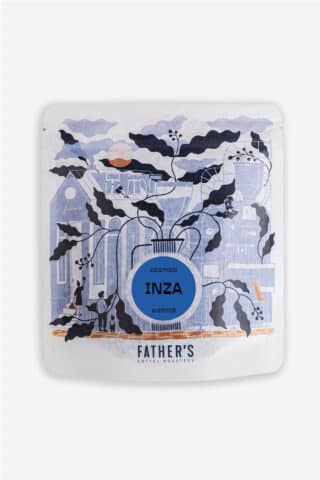
Country: Colombia
Region: Piendamó, Cauca Department
Farm / Station: Members of the Asociación de Caficultores del Cauca (ACC)
Producer: ACC – Asociación de Caficultores del Cauca
Altitude: 1,700 to 2,100 m a.s.l.
Variety: Castillo
Process: Washed
Cup Profile: orange, nettle tea, star anise
Preparation: Suitable for all filter coffee brewing methods (V60, Solo Dripper, Aeropress, Chemex, French press, Clever Dripper). This coffee is also available in an espresso roast.
Type of coffee: Roasted whole bean coffee
Why Inza Matters
Inza isn’t just another coffee – it’s a story of resilience and connection. This year, our “dad” Petr traveled there, and even though local unrest nearly kept him from reaching the region, he eventually met the people behind this coffee.
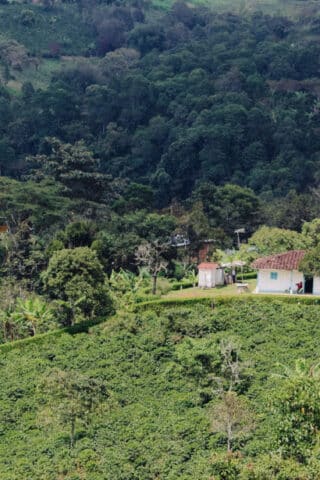
High in the mountains of Cauca, smallholder farmers grow coffee on steep slopes, most of the work done by hand. Their dedication to quality shines through in every cup. For us, Inza is a reminder of their commitment and the strong community that makes Colombian coffee so special. 🤎
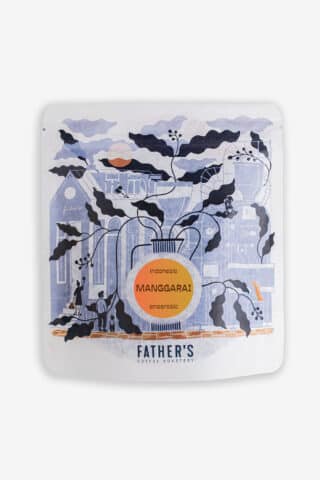
Country: Indonesia
Region: Manggarai, Flores Island
Farm / station: Tuang Coffee
Producer: Andre Tuang
Altitude: 1400–1700 m.a.s.l.
Variety: Yellow Caturra, Typica, Kartika
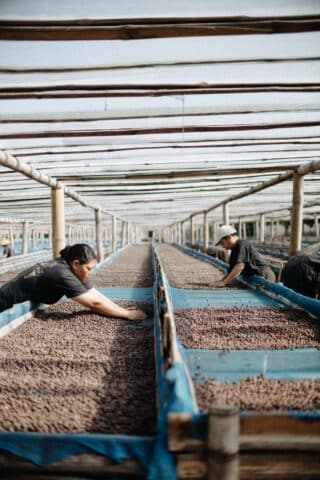
Process: Anaerobic Natural (darkroom fermentation)
Tasting notes: mandarins, milk chocolate, linden blossom
Preparation: suitable for all types of filter coffee preparation (V60, Solo Dripper, Aeropress, Chemex, French press, Clever Dripper…). Coffee type: roasted whole-bean coffee
This coffee is deeply personal to us. In May 2025, we sat with Andre Tuang at his processing station in Ruteng, listening to the story of how he returned to his native Flores to work with local farmers. He took us through the station and the farms in the surrounding hills, letting us experience every step of the process from harvesting cherries and hand-sorting to washing the coffee.
This journey gave us a profound understanding of Andre’s philosophy and how the local terroir is reflected in the final cup. We are thrilled to bring you a coffee where we’ve witnessed every step of its journey, all the way to our roastery.
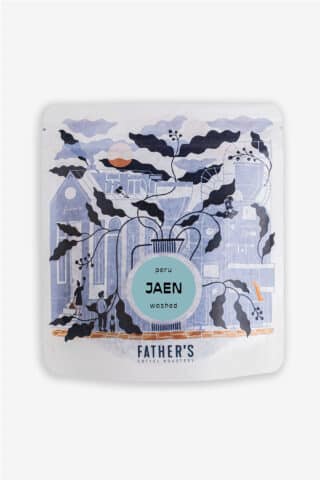
Country: Peru
Region: Jaén, Cajamarca
Farm / Station: Jaén
Altitude: 1750 – 2000 MASL
Variety: Catuai, Pache, Caturra
Process: Washed
Tasting notes: Milk chocolate with nuts, hibiscus, green apple
Preparation:Suitable for all filter brewing methods (V60, Solo Dripper, Aeropress, Chemex, French press, Clever Dripper..).
Type of coffee: roasted whole bean coffee
Jaén brings together eight farmers from the Cajamarca region of northern Peru, who, thanks to meticulous processing and ideal growing conditions, produce exceptional specialty coffee. This region is also a hub for innovation in transparency and sustainability. With careful processing and a strong focus on quality, their harvest transforms into the coffee we have roasted for you.
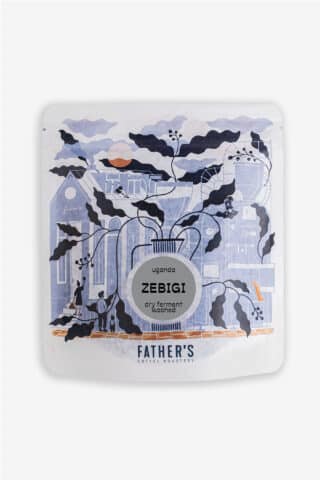
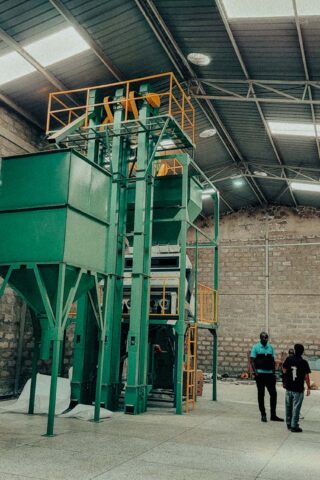
Country: Uganda
Region: Mt Elgon, East Uganda
Farm/station: collaborating farmers around Zebigi / The Coffee Gardens
Producer: The Coffee Gardens
Altitude: 1 800 – 2 200 m a.s.l.
Variety: SL14, SL28, Nyasaland
Processing: washed / dry fermentation
Tasting notes: chamomile tea, butter cookies, pomelo
Preparation: suitable for espresso-based coffee preparation, including home espresso machines. You can also find this coffee in a filter roast version (Solo dripper, V60, Aeropress, Chemex, French press, Clever Dripper…).
Type of coffee: roasted whole bean coffee
Why Uganda Matters
Zebigi isn’t just another specialty coffee. It’s part of a bigger story that we’ve poured a piece of ourselves into. A year ago, we had the chance to be right there in Uganda – to meet the farmers who grow the coffee, to see the process from harvest to drying. And that’s when we realized we wanted to do even more.
Together with The Coffee Gardens, we co-financed the opening of a QC Lab in Uganda. This quality control laboratory enables farmers to evaluate their harvest directly on site, refine their practices, and, as a result, achieve fairer prices.
Every cup of Zebigi is not only about flavor, but also about the future. About giving farmers the tools and knowledge that open doors to better conditions and stability. And that’s exactly why we love returning to Uganda.🤎
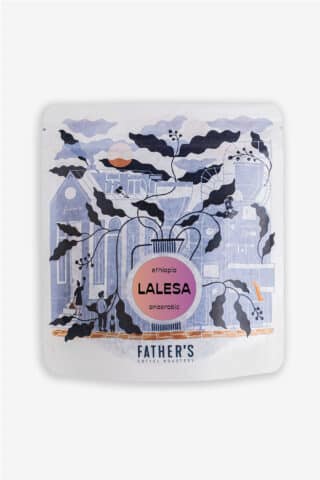
Country: Ethiopia
Region: Lalesa, Gedeb
Farm / station: Lalesa Gedeb
Producer: Ephtah Specialty Coffee
Altitude: 2,150–2,200 m a.s.l.
Variety: Heirloom
Processing: anaerobic natural
Tasting notes: cherry cola, mulberry, cocoa beans
Brew method: suitable for all filter brewing methods (V60, Solo Dripper, AeroPress, Chemex, French press…)
Type of coffee: roasted whole bean coffee
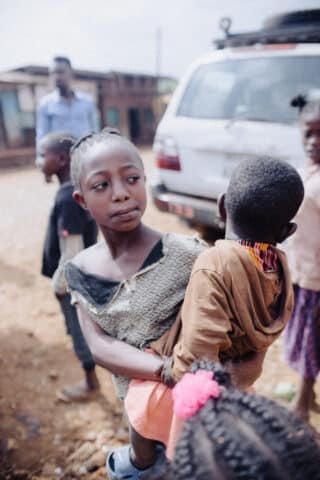
For us, Lalesa is not just the name of a station. It is a place where we stood and watched women carefully sorting coffee, and where we admired Wubit as she led the team with incredible determination. Lalesa is proof that coffee can change lives. And now we can share this coffee with you. It is the taste of a place that truly moved us.
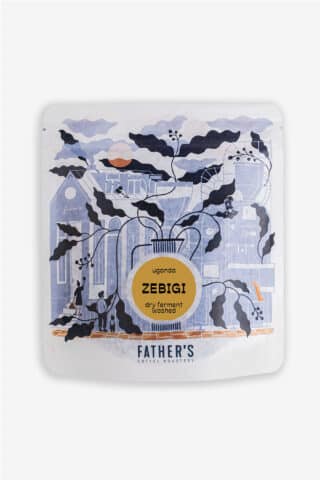
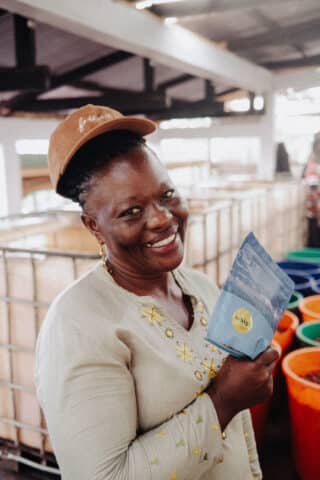
Country: Uganda
Region: Upper Bukyabo
Processing station: Coffee Gardens
Altitude: 1800-2200 m.a.s.l.
Variety: SL14, SL28, Nyasaland
Processing: washed
Taste profile: Chamomile tea with lemon and hazelnut cream
Preparation: suitable for all filter coffee methods (Solo dripper, V60, Aeropress, Chemex, French press, Clever Dripper…) You can also find this coffee roasted for espresso.
Type of coffee:roasted whole bean coffee
This coffee was grown high in the Ugandan mountains near the village of Zebigi and processed by Coffee Gardens. The coffee company has a station below the mountain where most farmers live; they know all of them in person. They blend the coffee into micro lots by combining coffees with similar flavor characteristics processed on the same day.
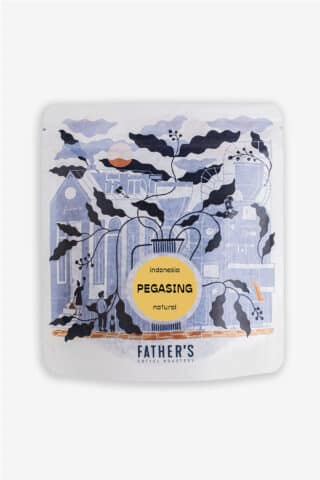
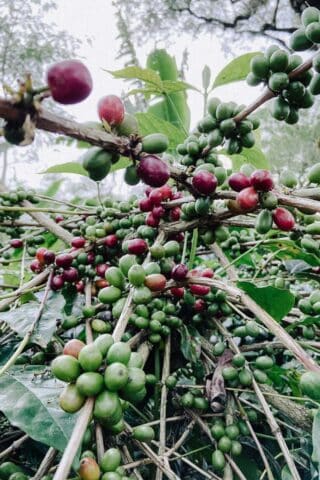
Country: Indonesia
Region: Pegasing
Farm / Station: Team Pegasing
Producer: Hendra & family
Altitude: 1,300 – 1,500 masl
Variety: Tim Tim, Gayo 1
Processing: Natural
Taste profile: cherry pie, lemon balm tea
Preparation: Suitable for all filter brewing methods (Solo Dripper, V60, Chemex, Aeropress, French press…)
Type of coffee: Roasted whole bean coffee
Hendra is our long-term partner from Indonesia and someone who truly inspires us with his approach to coffee. We met him again this year at World of Coffee in Indonesia and were reminded how much passion and innovation he pours into every harvest. His work proves that when tradition meets experimentation, the result can be something truly exceptional.


Country: Ethiopia
Region: Chelbesa, Gedeb
Washing Station: Chelbesa
Altitude: 2200 m a.s.l.
Varietal: Heirloom
Process: Washed
Flavor profile: black tea with lemon, strawberries and honey biscuit
Chelbesa is back — and not by coincidence.
This washed coffee from the Gedeb area has won us over not only with its elegant flavor — a vibrant mix of florals, fruit, and clarity — but also with the story behind it. Ephtah Specialty Coffee, our partner at origin, is committed to sustainable agriculture, fair working conditions, and supporting women throughout the coffee value chain.
We roast Chelbesa for both filter and espresso to showcase its full potential.
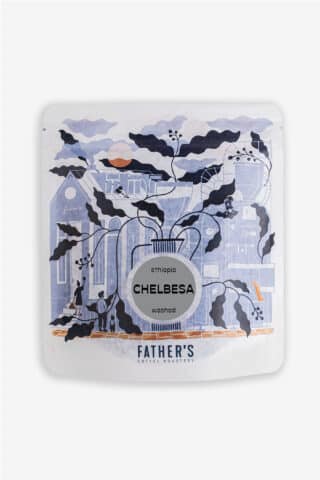
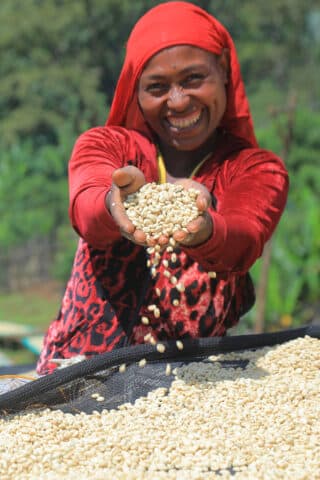
Country: Ethiopia
Region: Chelbesa, Gedeb
Washing Station: Chelbesa
Altitude: 2200 m a.s.l.
Varietal: Heirloom
Process: Washed
Flavor profile: black tea with lemon, strawberries and honey biscuit
Chelbesa is back — and not by coincidence.
This washed coffee from the Gedeb area has won us over not only with its elegant flavor — a vibrant mix of florals, fruit, and clarity — but also with the story behind it. Ephtah Specialty Coffee, our partner at origin, is committed to sustainable agriculture, fair working conditions, and supporting women throughout the coffee value chain.
We roast Chelbesa for both filter and espresso to showcase its full potential.