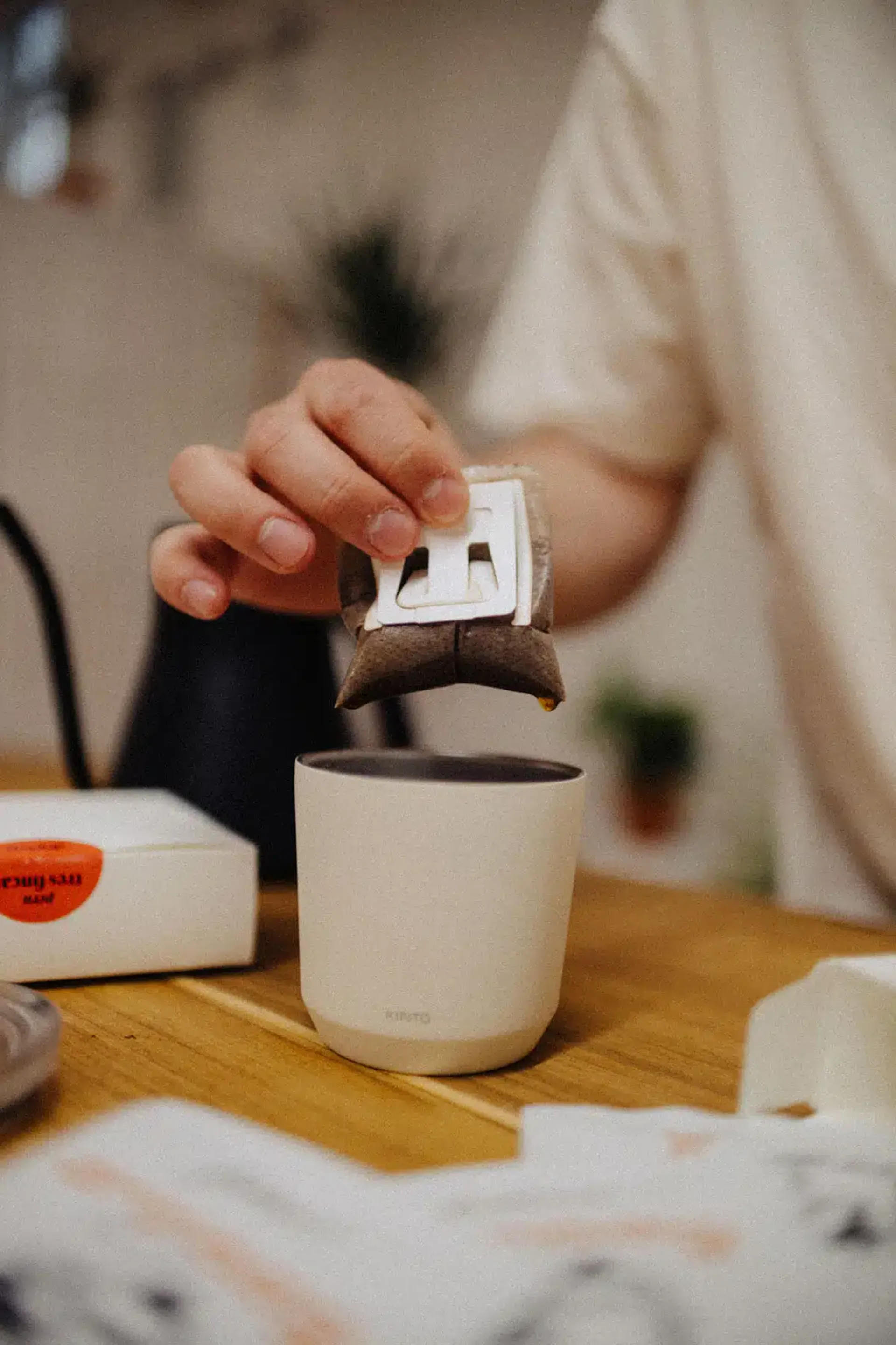
Dripbags


Drip bag – Inzá, Colombia
€8.24
Origin: Uganda, Colombia, Ethiopia, Kenya
Processing: washed
Brewing method: drip bag
Coffee type: ground coffee
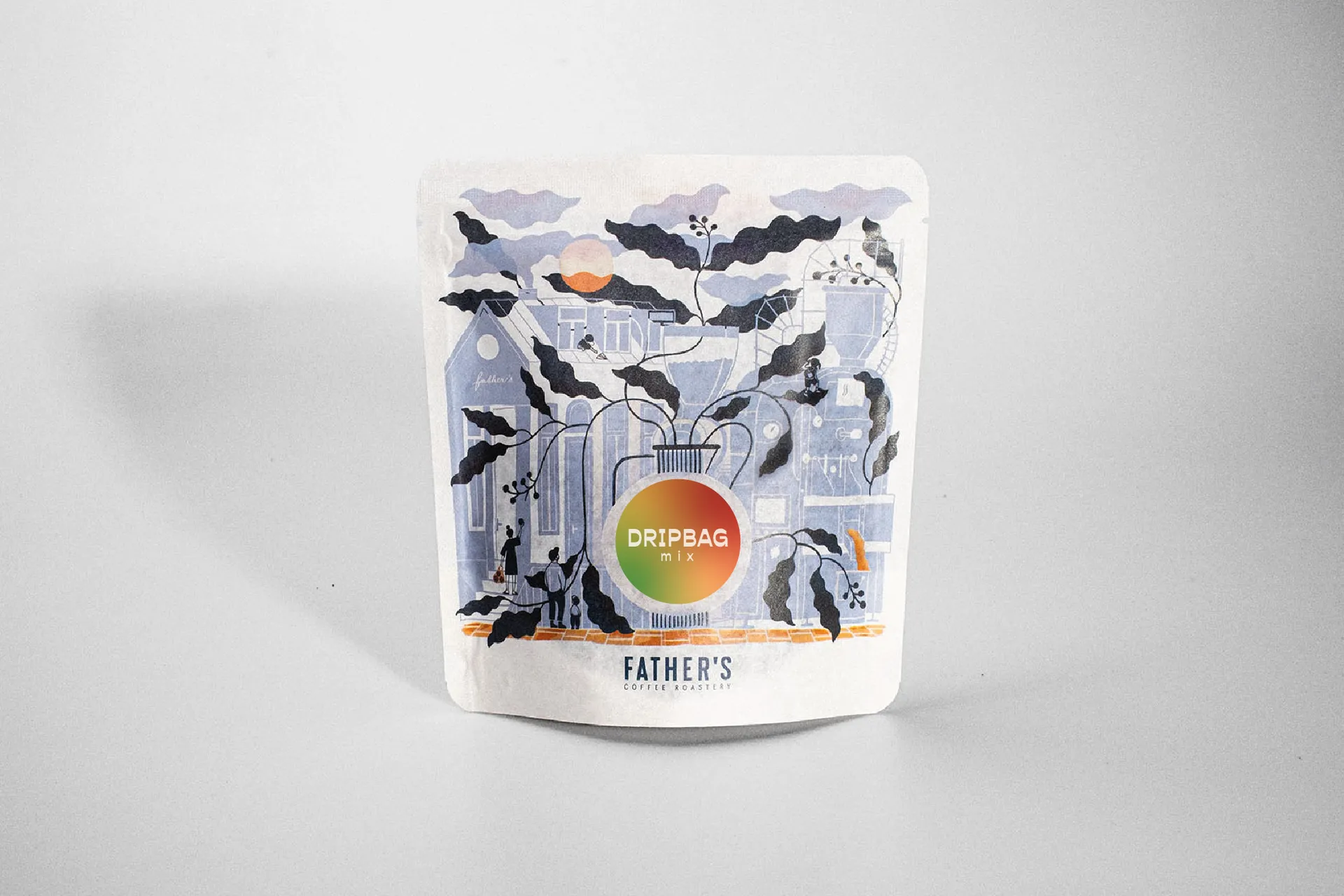
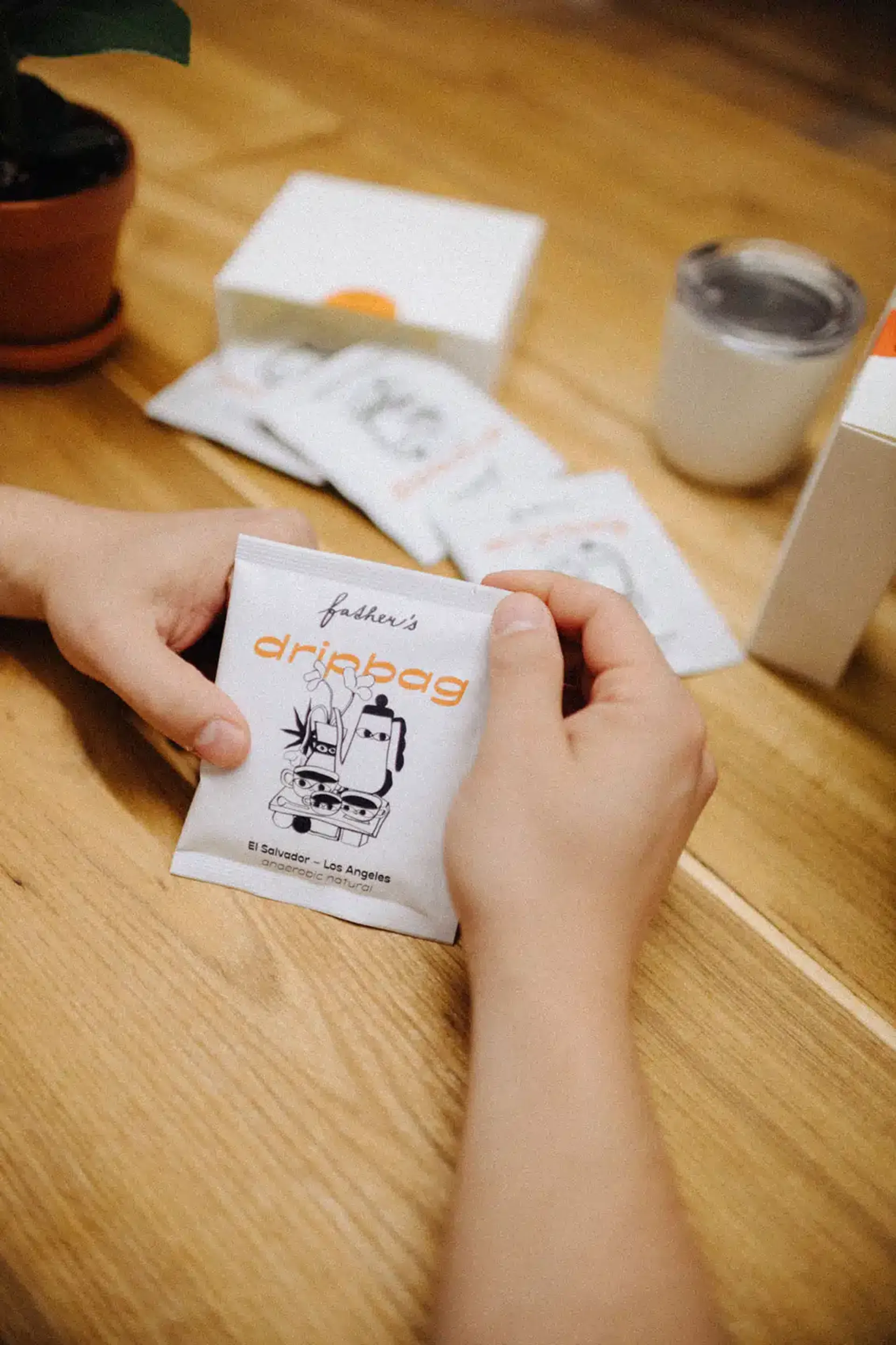
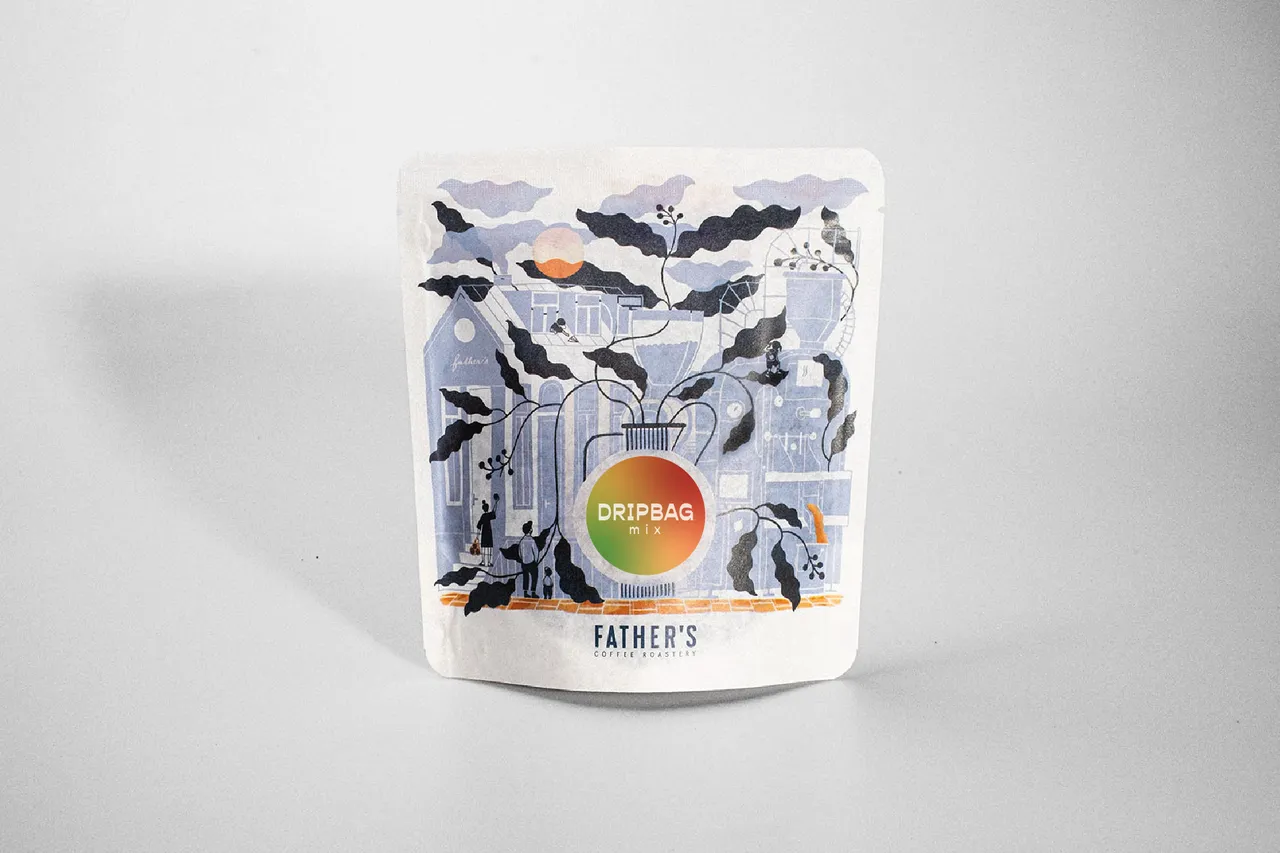
In the small pack: mix of 3 coffees - Colombia - Inzá (2 pieces), Peru - Roger Chilcon (2 pieces), Peru - San Antonio (1 piece)
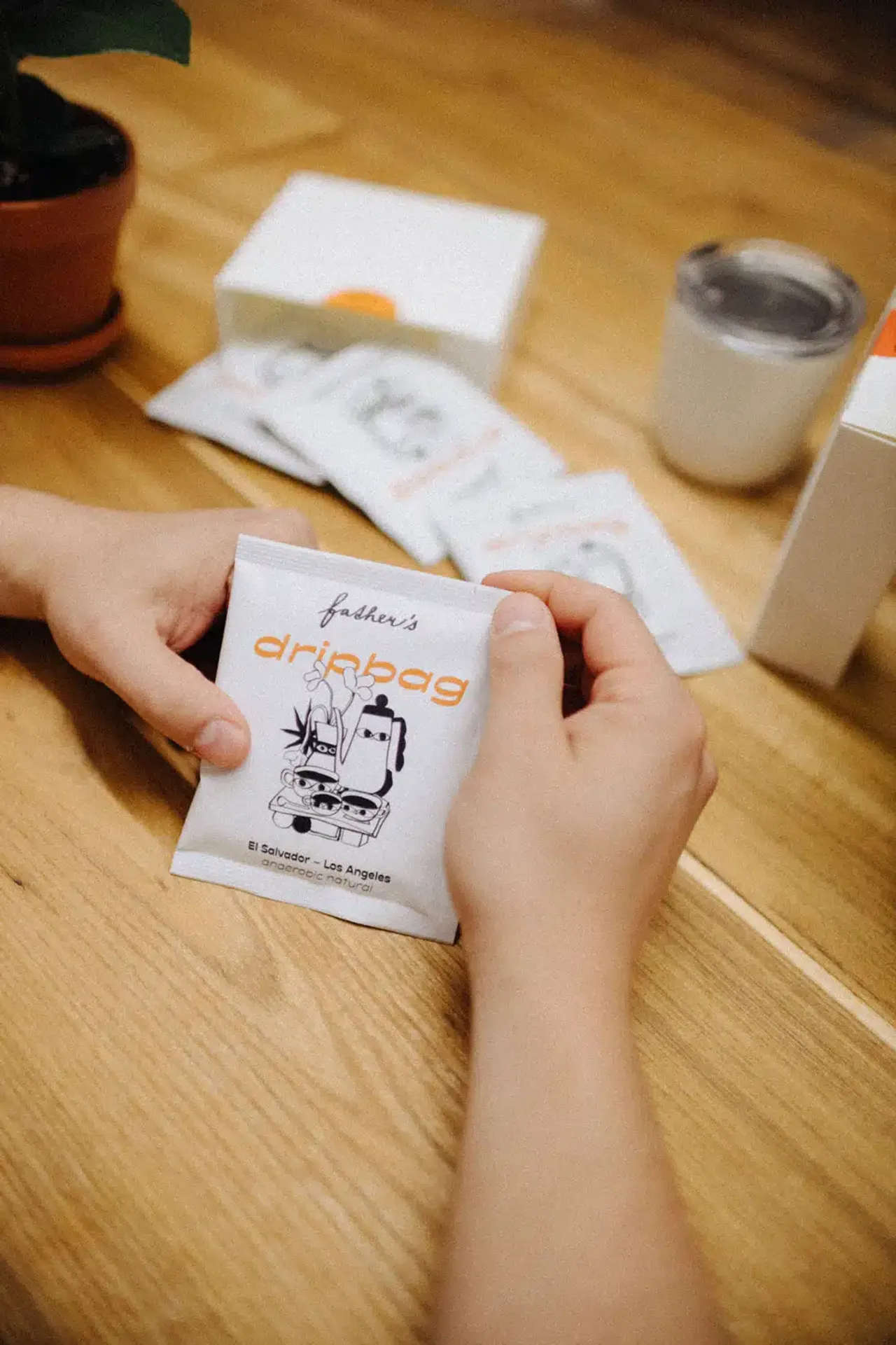


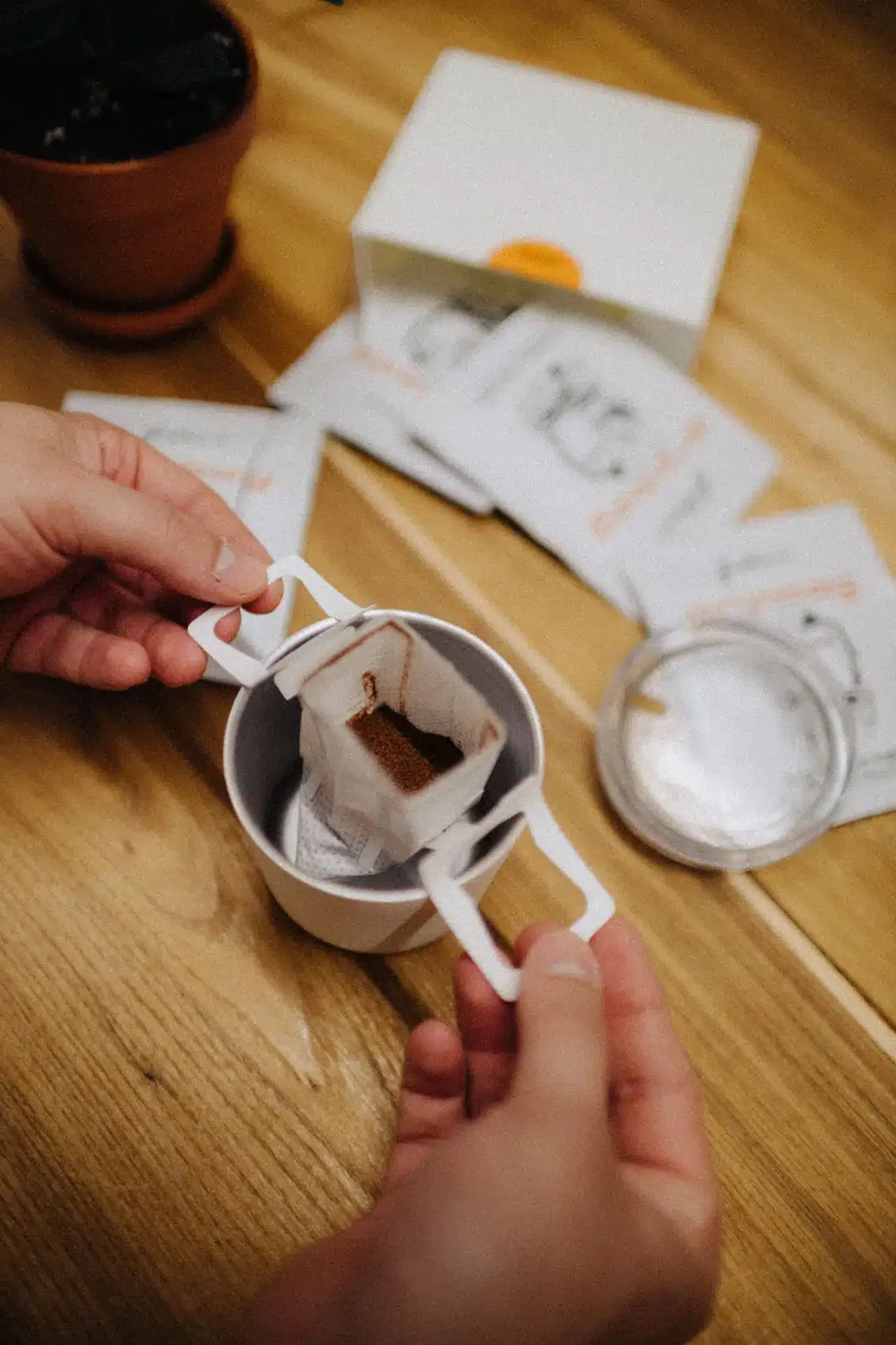
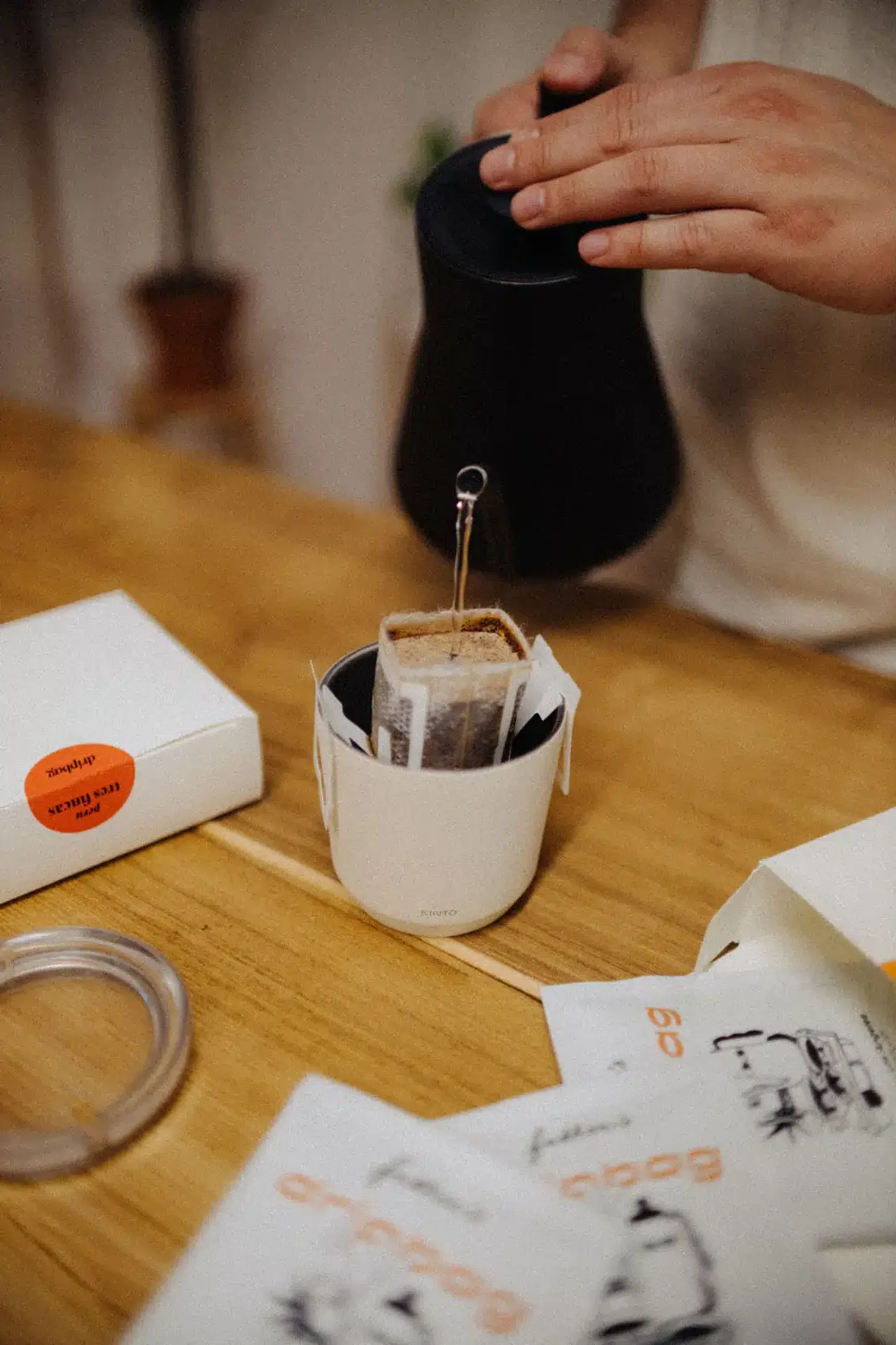
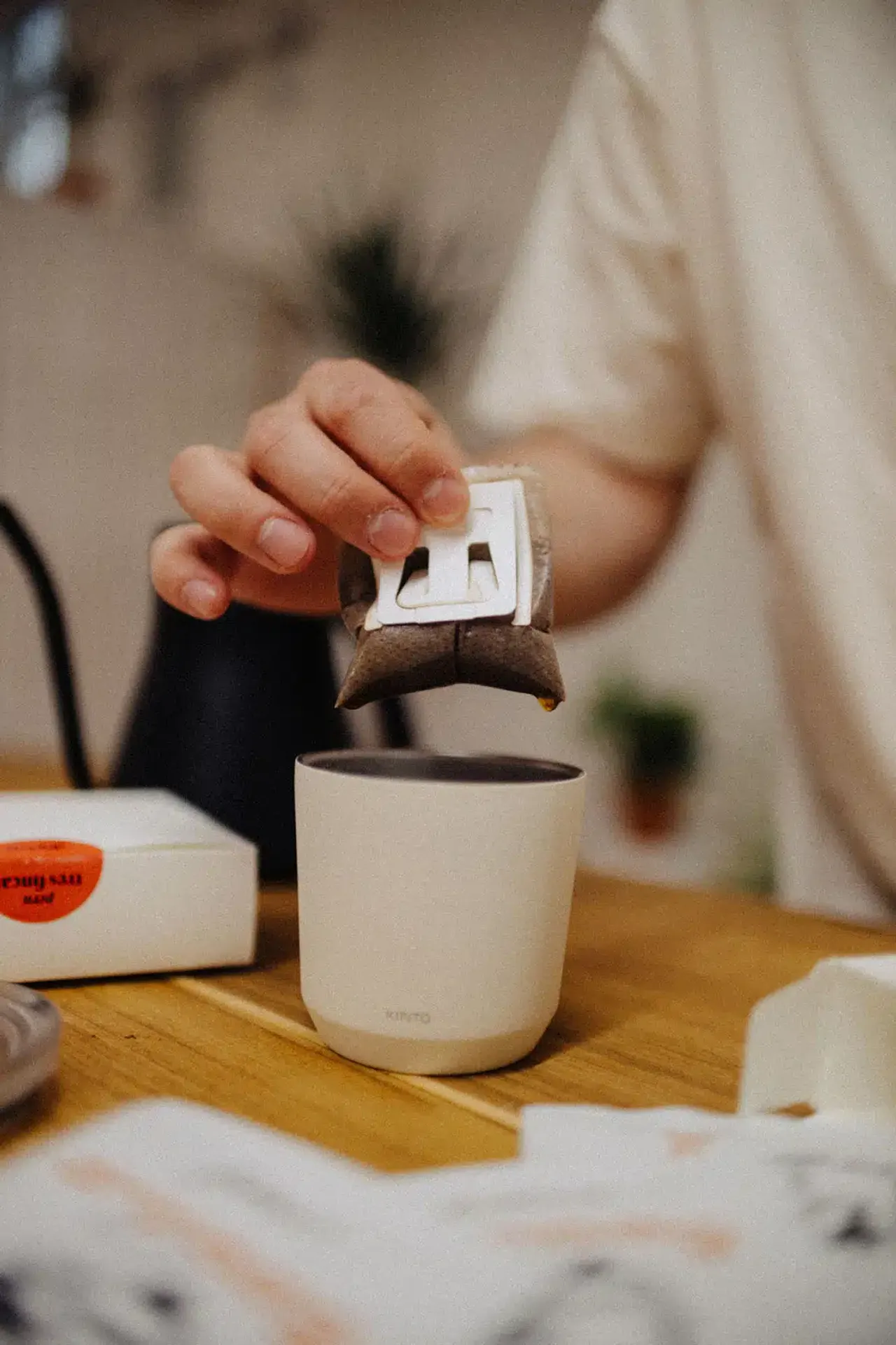
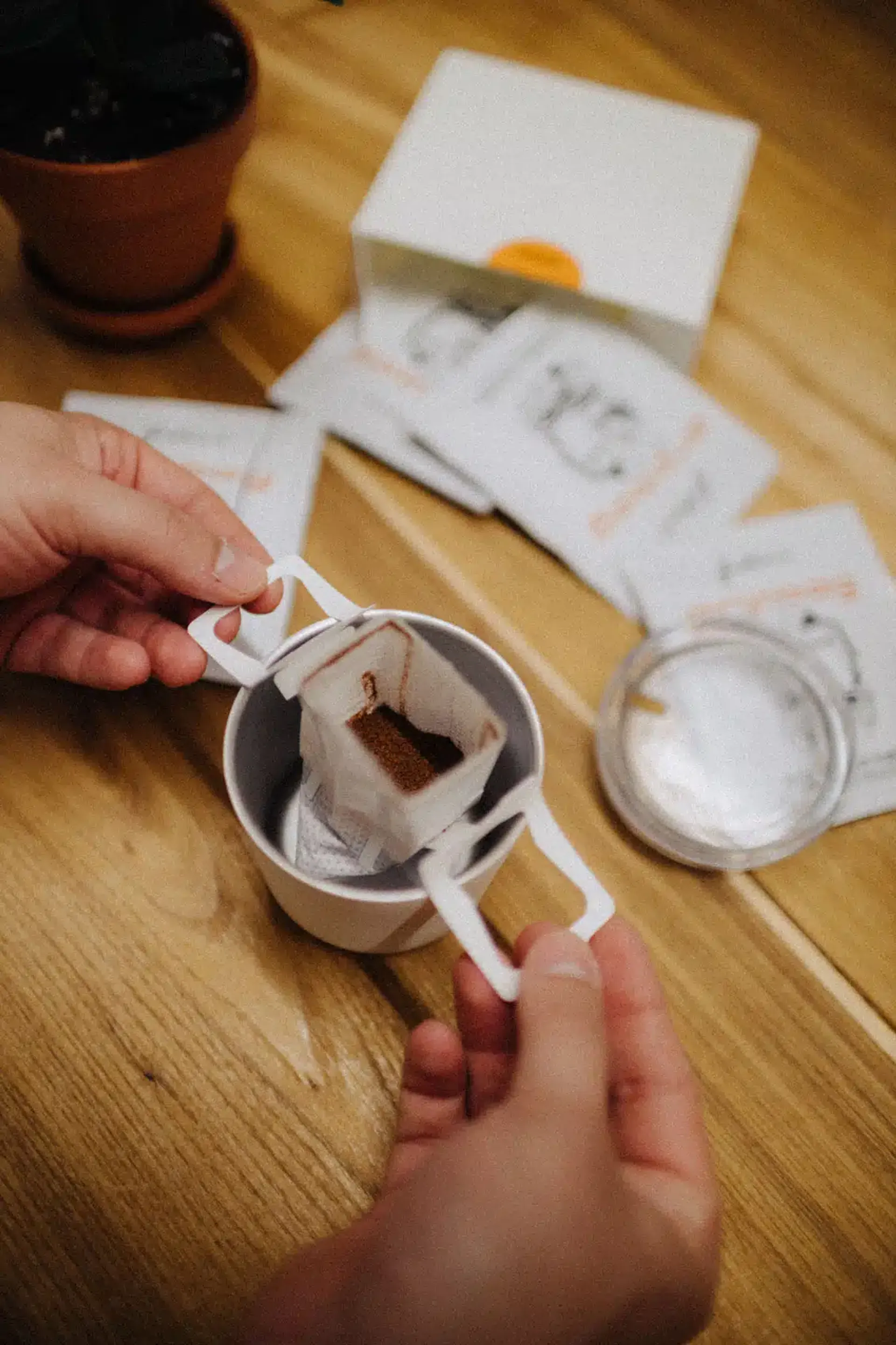
Place the drip bag on a cup or server.
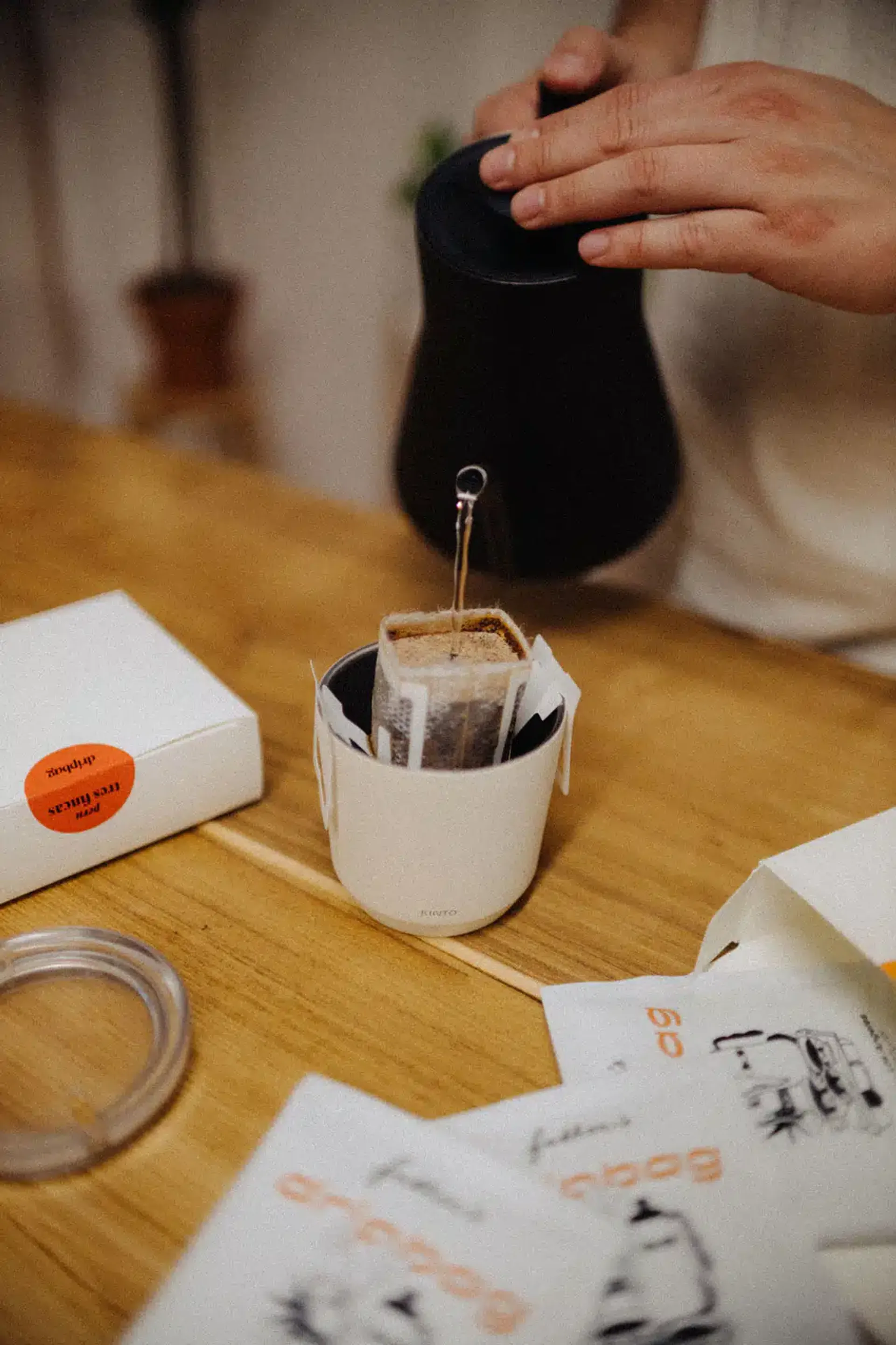
Pour boiling water until the drip bag is half full.
Let the coffee bloom for 20 seconds.
Slowly fill the drip bag to the top with boiling water.
Wait until it almost drains.
Refill the drip bag to the top with boiling water.
Wait until the drip bag is completely drained.
Tear open drip bag at the top.
Enjoy your coffee!
Country: Colombia
Region: Piendamó, Cauca Department
Farm / Station: Members of the Asociación de Caficultores del Cauca (ACC)
Producer: ACC – Asociación de Caficultores del Cauca
Altitude: 1,700 to 2,100 m a.s.l.
Variety: Castillo
Process: Washed
Cup Profile: orange, nettle tea, star anise
ACC is an association of coffee growers from the Cauca region, founded in 2016 in Piendamó by Robinson Rivera. The association’s mission is to improve coffee quality in the region, promote sustainable cultivation, and provide farmers with an alternative to illicit crops.
Today, the association has 77 members, with farms averaging 1.5 hectares. Located between 1,700 and 2,100 meters above sea level, the farms benefit from volcanic soils and a cooler climate, contributing to higher acidity and sweetness in the cup. ACC operates its quality control laboratory and a small processing facility for advanced fermentation of natural and honey coffees.
Country: Peru
Region: El Diamante, San José de Lourdes
Farm / station: Roger Chilcon
Producer: Roger Chilcon Flores
Altitude: 1,900–2,000 m a.s.l.
Variety: Caturra, Pache
Processing: washed
Tasting notes: orange, chamomile tea, cashew
Roger Chilcon Flores owns a small three-hectare farm in the El Diamante area of the San José de Lourdes district. His family works together on coffee cultivation, each member owns their own plot, but Roger manages the entire process from picking to drying. He grows Caturra and Pache varieties on the mountain slopes at around two thousand meters above sea level.
Country: Peru
Region: San Antonio, Huabal, Cajamarca
Farm / station: San Antonio
Producer: Local farmers from the village of San Antonio (more than 32 families)
Altitude: 1750–1950 m a.s.l.
Variety: Catuai, Caturra
Processing: natural
Tasting Notes: Milk chocolate, orange juice, linden blossom
San Antonio is a village in the Huabal area, home to more than 32 farming families. It is one of the places that produces some of the best coffees in all of Northern Peru, and its delicate, complex profile is often a favorite.
Huabal is an area within the Jaén province in the Cajamarca region. It has enormous potential for quality coffee, but due to very poor infrastructure, many producers lack the resources and know-how to fully unlock it.
Most of the producers we work with farm at altitudes above 1800 m a.s.l. Many previously replanted their farms with the catimor variety, promoted by the government, but at higher altitudes it yields poorly and the quality is low. Thanks to the premiums paid for quality, more producers are now replanting caturra, bourbon and catuai. With good farm management and fertilization, these can deliver higher yields and better cup quality.
Because Huabal stretches across several mountains, the climate and soils can vary significantly—some areas are wet and humid with red, Africa-like soil, while others are dry and hot. All of this contributes to diverse flavor profiles and exceptionally complex coffees.