EspressoNew

Brazil -Minas
€12.25
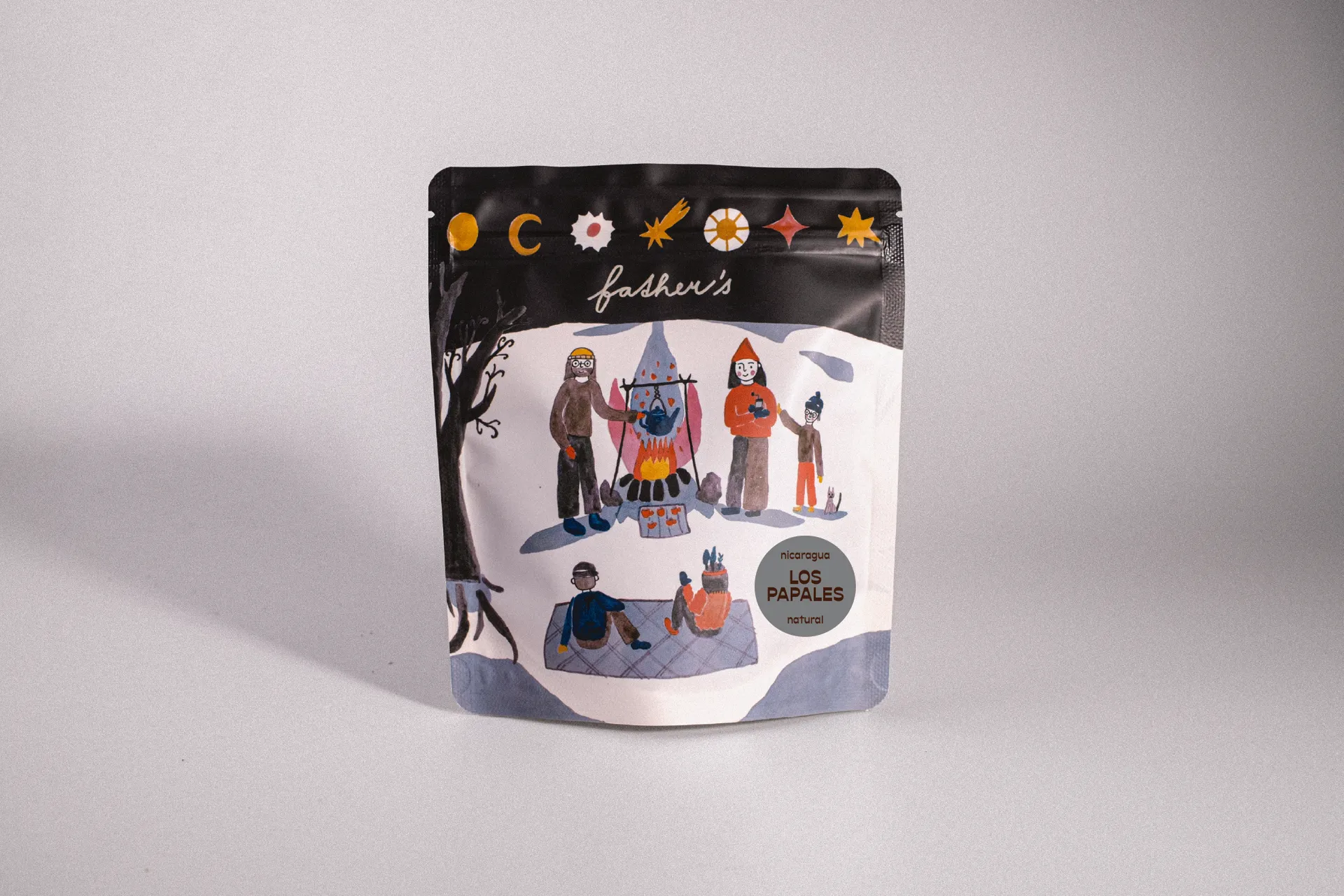
Los Papales is a coffee you already know from us. It comes from Nicaragua, from the Jinotega region, and behind it is the López family, whose work has been a long-term inspiration for us. The Red Catuaí variety, processed using the dry (natural) method, is roasted for espresso, and in its profile you will find notes of dark chocolate, hazelnut and plums.
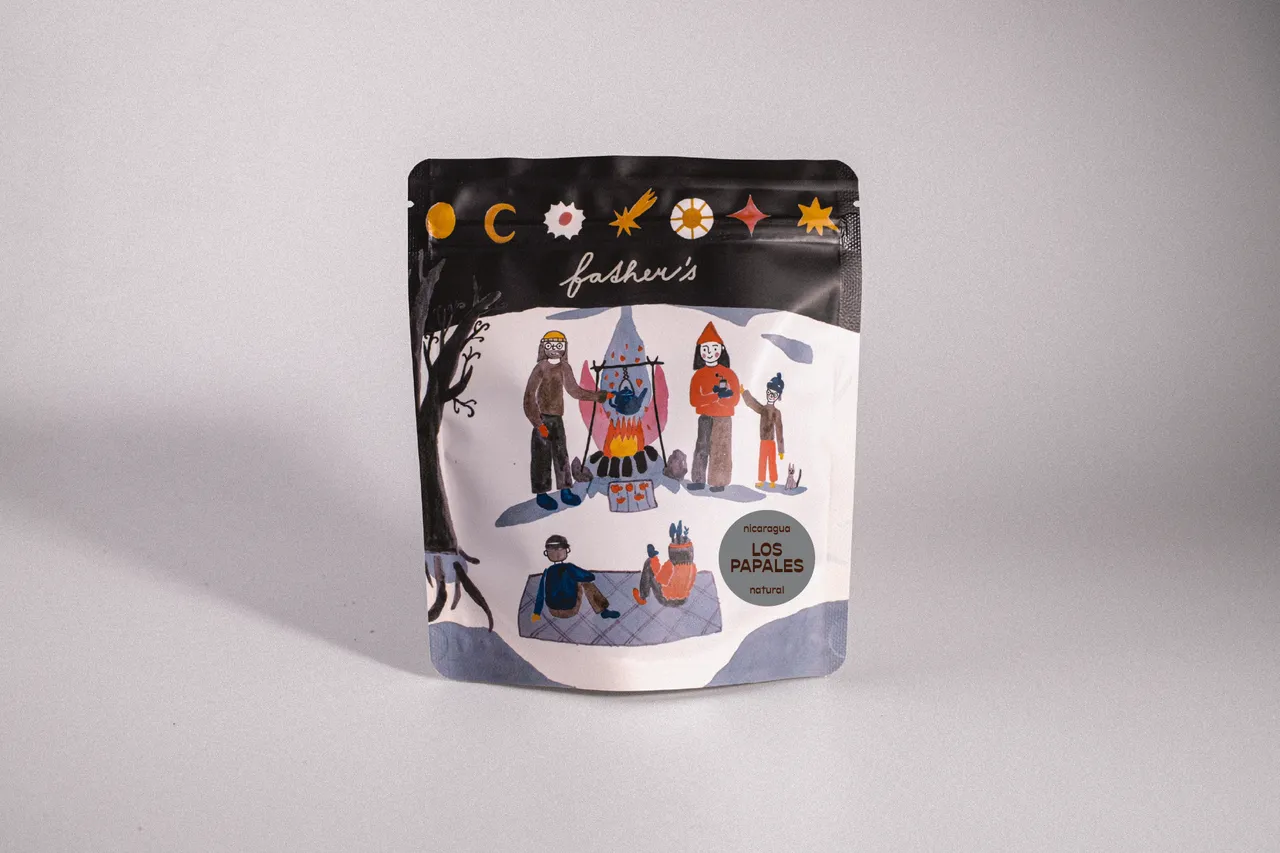
This coffee is roasted for espresso. It is suitable for espresso machines, automatic coffee machines and home brewing.
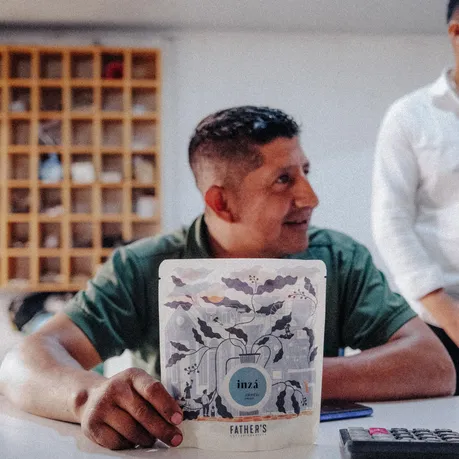
Finca Los Papales lies five kilometres from the city of Jinotega, on the slopes of Cerro Chimborazo in the Cordillera Isabelia mountain range. The farm belongs to the López family, who have been growing coffee for more than one hundred years. The first coffee plantations were established by the family patriarch, Vicente López López, in the mountainous Datanlí area of Jinotega.
The tradition was continued by his son, Vicente López Herrera, who founded his own farm, Betania. It remained the family estate until the 1980s, when it was confiscated during the conflict in Nicaragua. Today, the family runs two farms: Los Papales and Betania, named in honour of the original family estate.
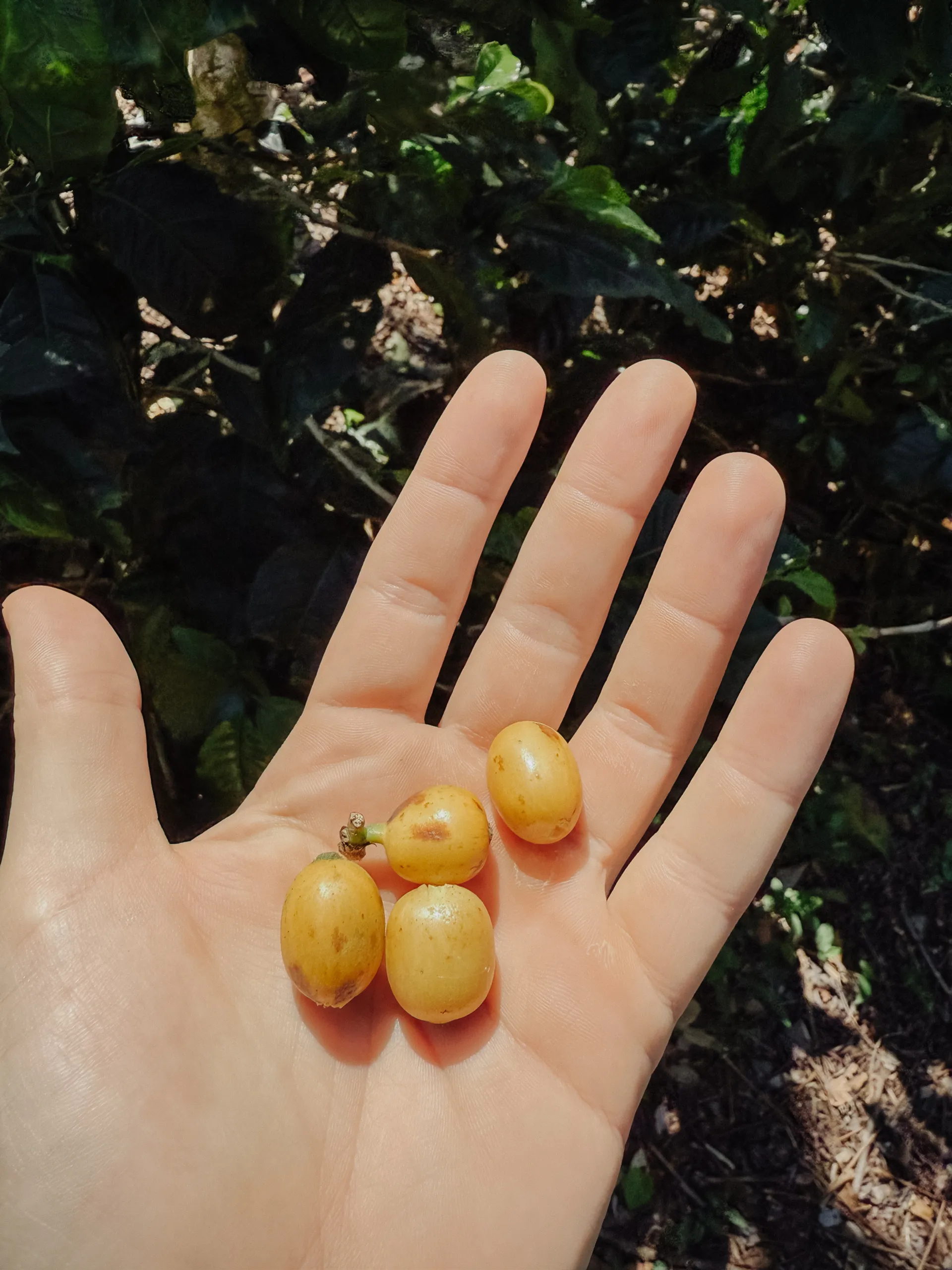
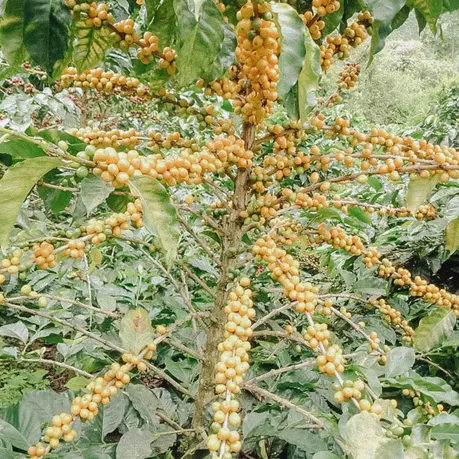
Los Papales covers approximately 210 hectares and lies at an altitude of 1,300 to 1,500 metres. The farm grows both traditional and newer varieties, including Caturra, Yellow and Red Catuaí, Java and Pacamara.
The farm is Rainforest Alliance certified and works with an emphasis on agroecological management and biodiversity conservation. There is also a school on the farm for approximately 65 children, from preschool age through sixth grade. Children of employees and nearby communities receive free education, including school supplies and daily meals. The farm also has a health centre, which provides free consultations for employees and local residents.
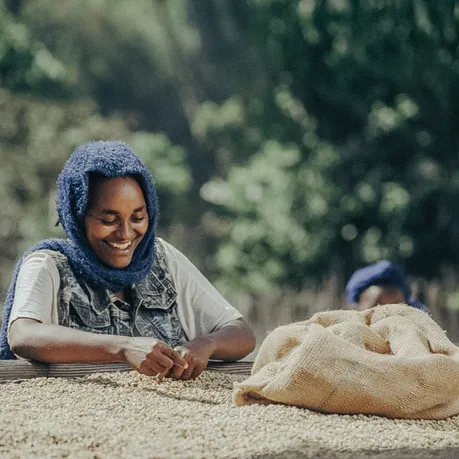
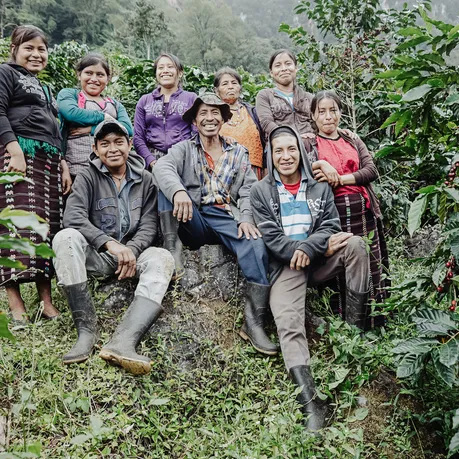
Throughout the year, the farm employs approximately 120 people. During the harvest season, the number of workers rises to up to 450, mostly from families in the surrounding communities.
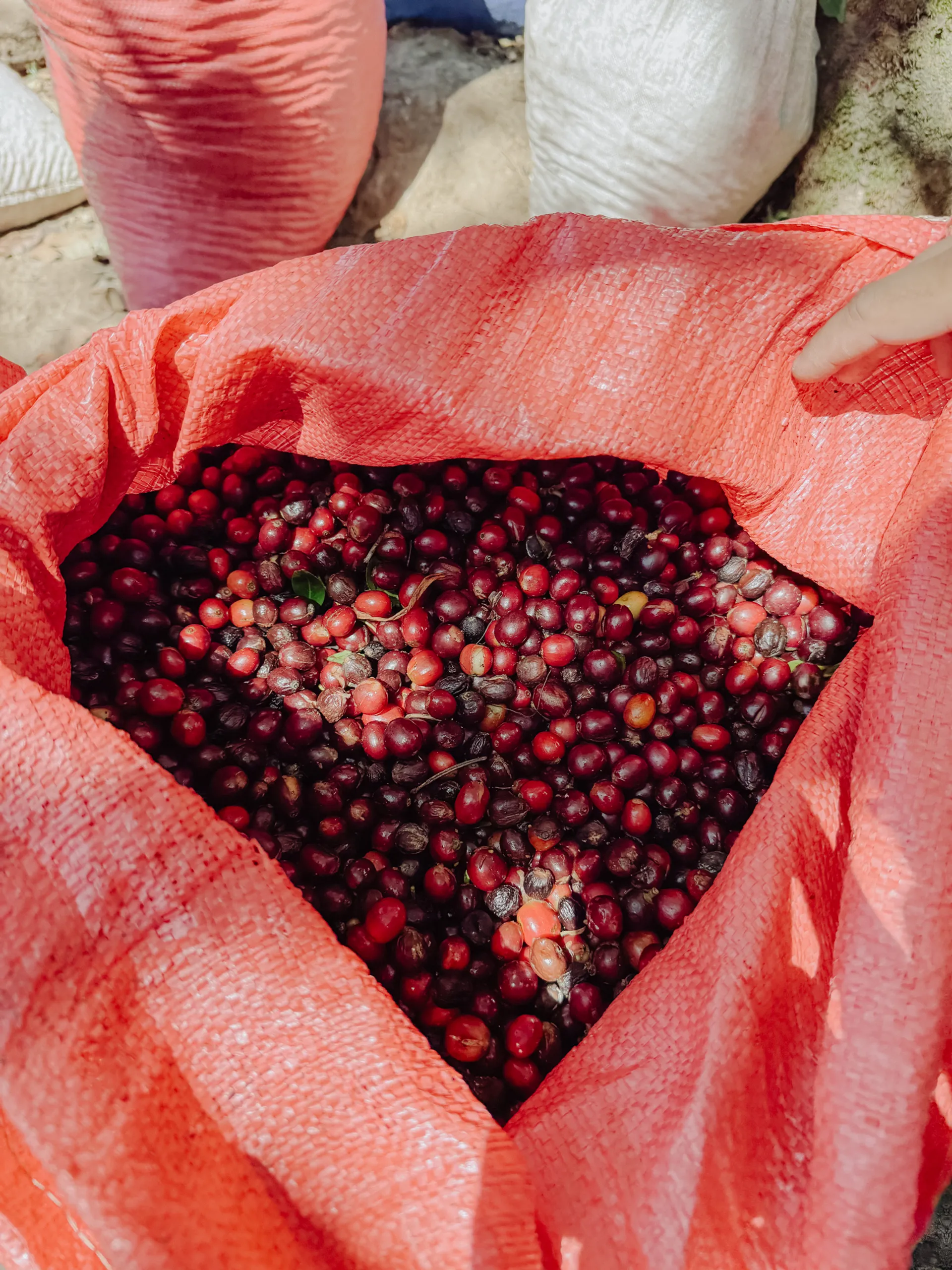
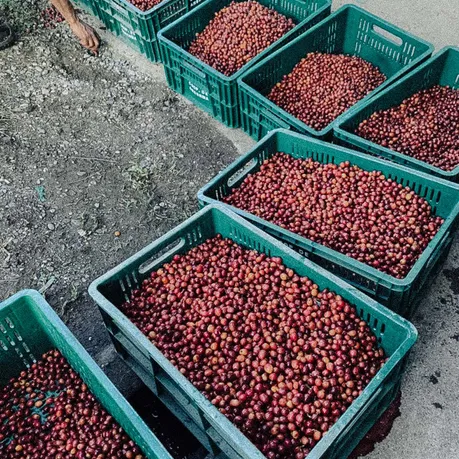
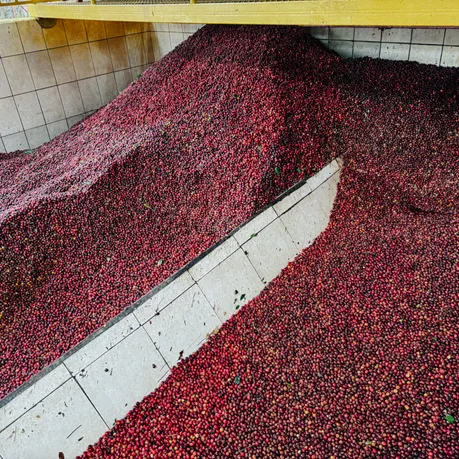
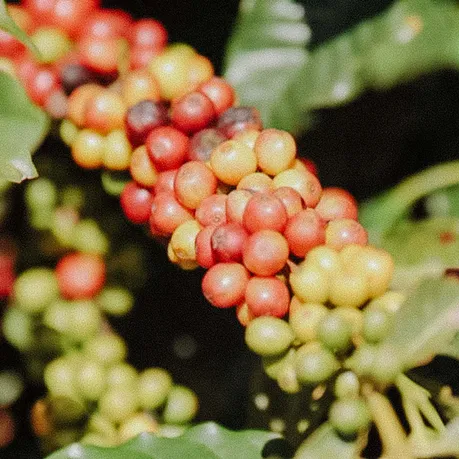
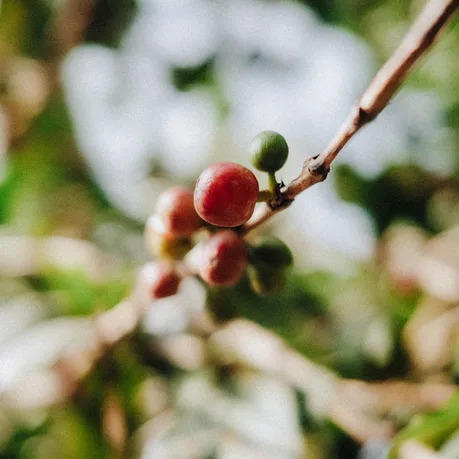
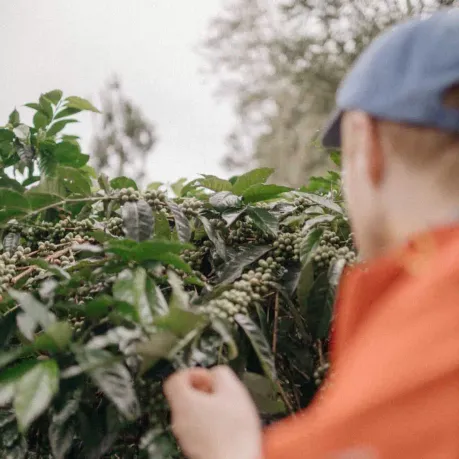
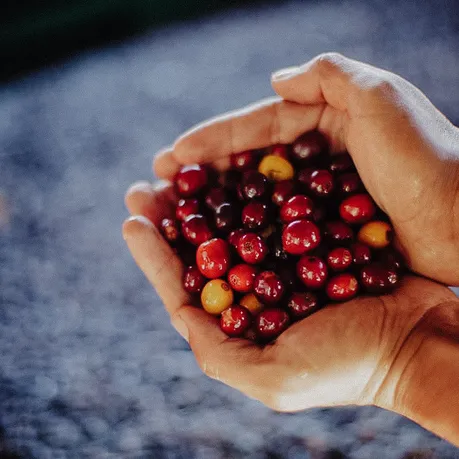
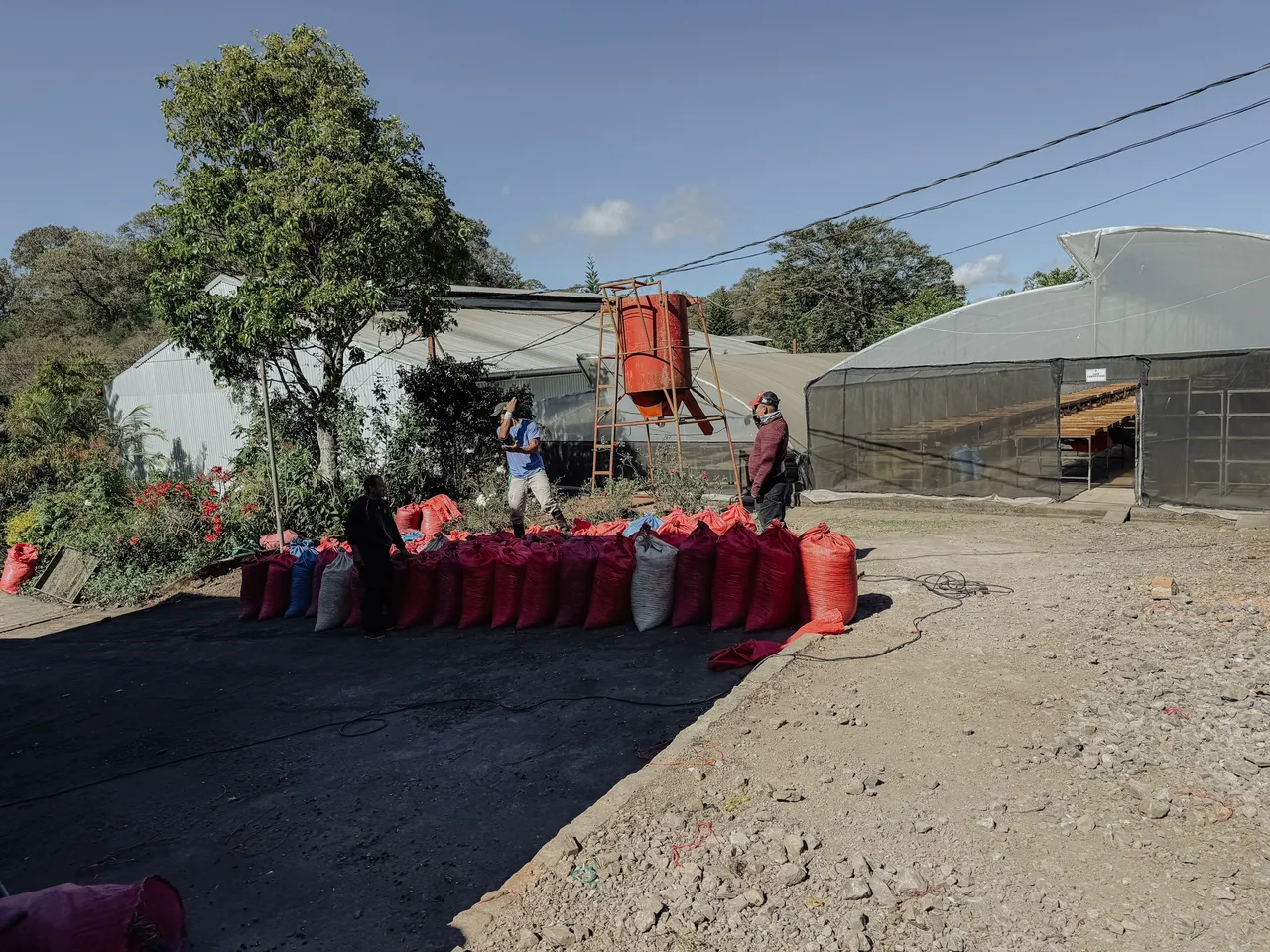
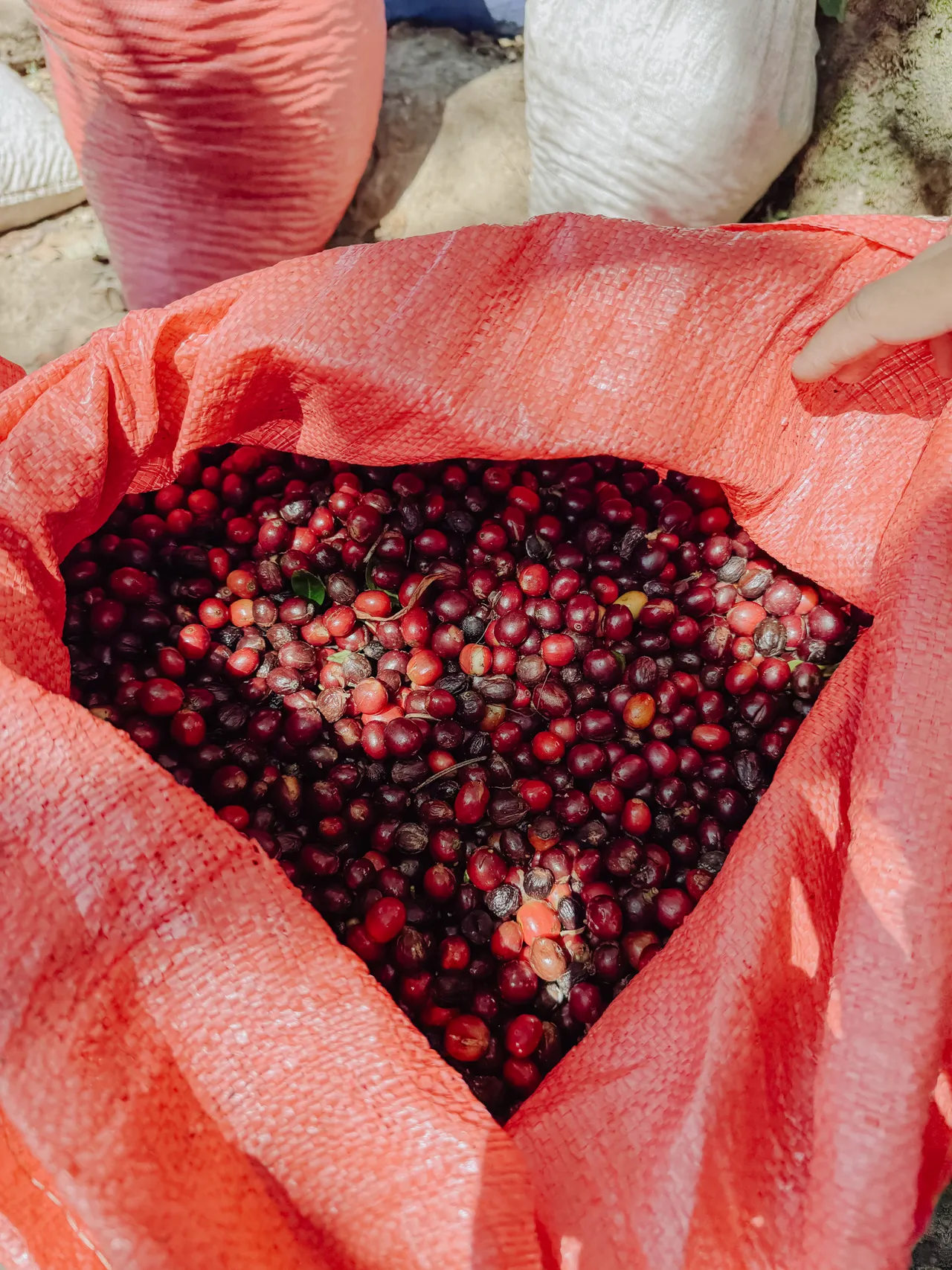
The harvest runs from January to the end of March. The cherries are hand-picked at full ripeness. In this lot, fully ripe cherries made up 94% of the harvest.
The whole coffee cherries first undergo three days of anaerobic fermentation. This means the fermentation takes place in an environment with limited access to oxygen. This makes it possible to manage the process more precisely and observe how the character of the coffee changes during fermentation.
After the first fermentation, the coffee is depulped and then fermented again for another three days in mucilage — the sticky layer of fruit flesh that remains on the coffee seed after depulping. It is then traditionally washed with clean water.
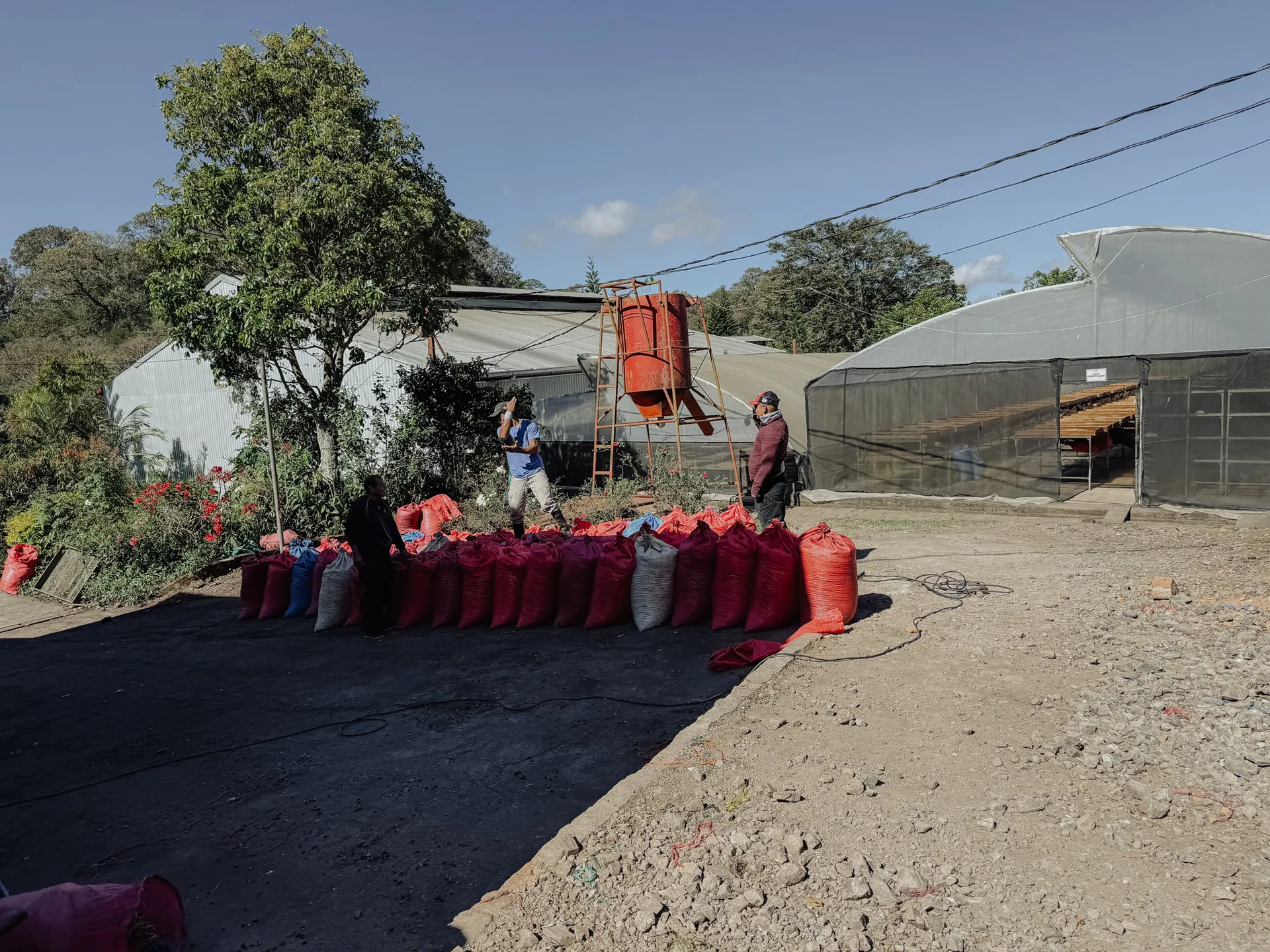
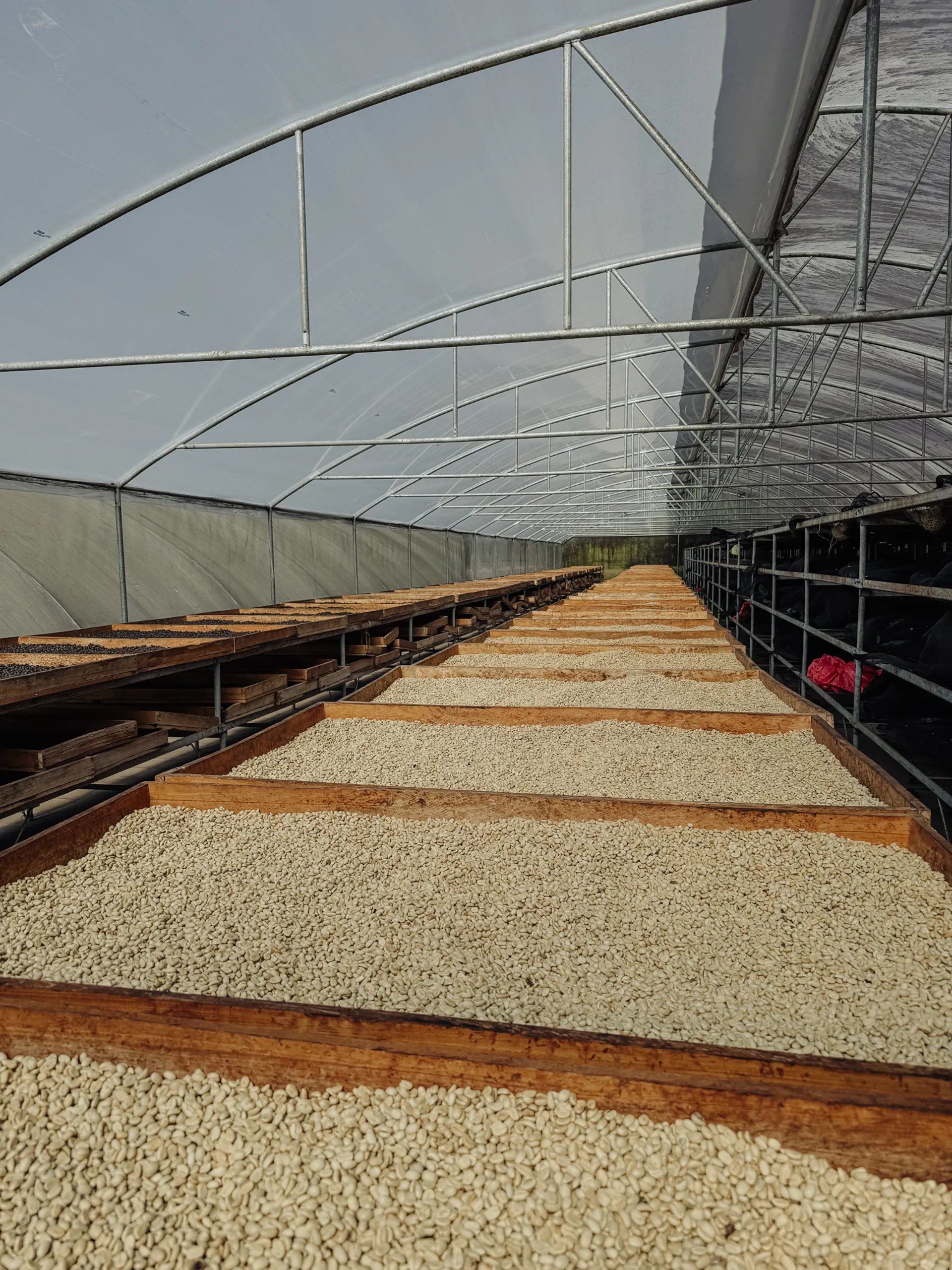
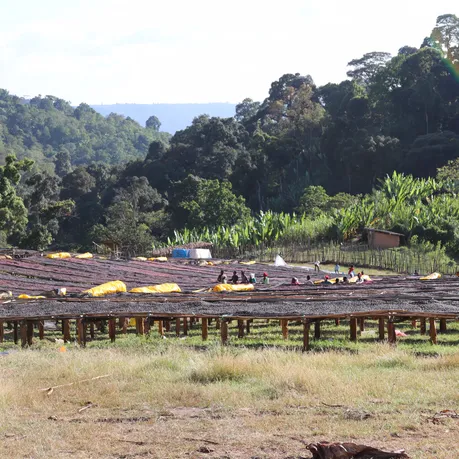
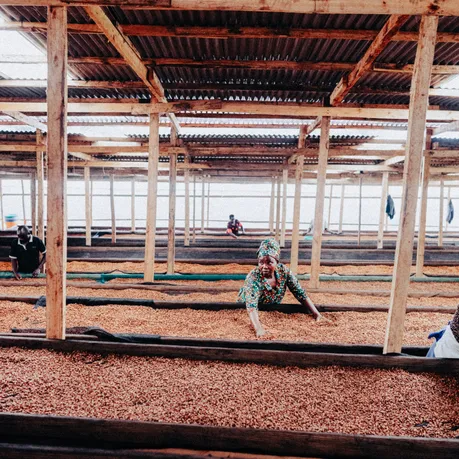
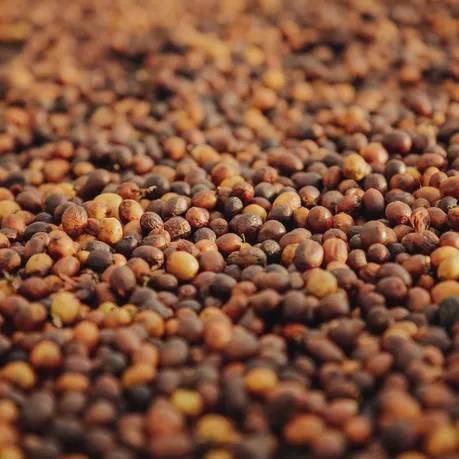
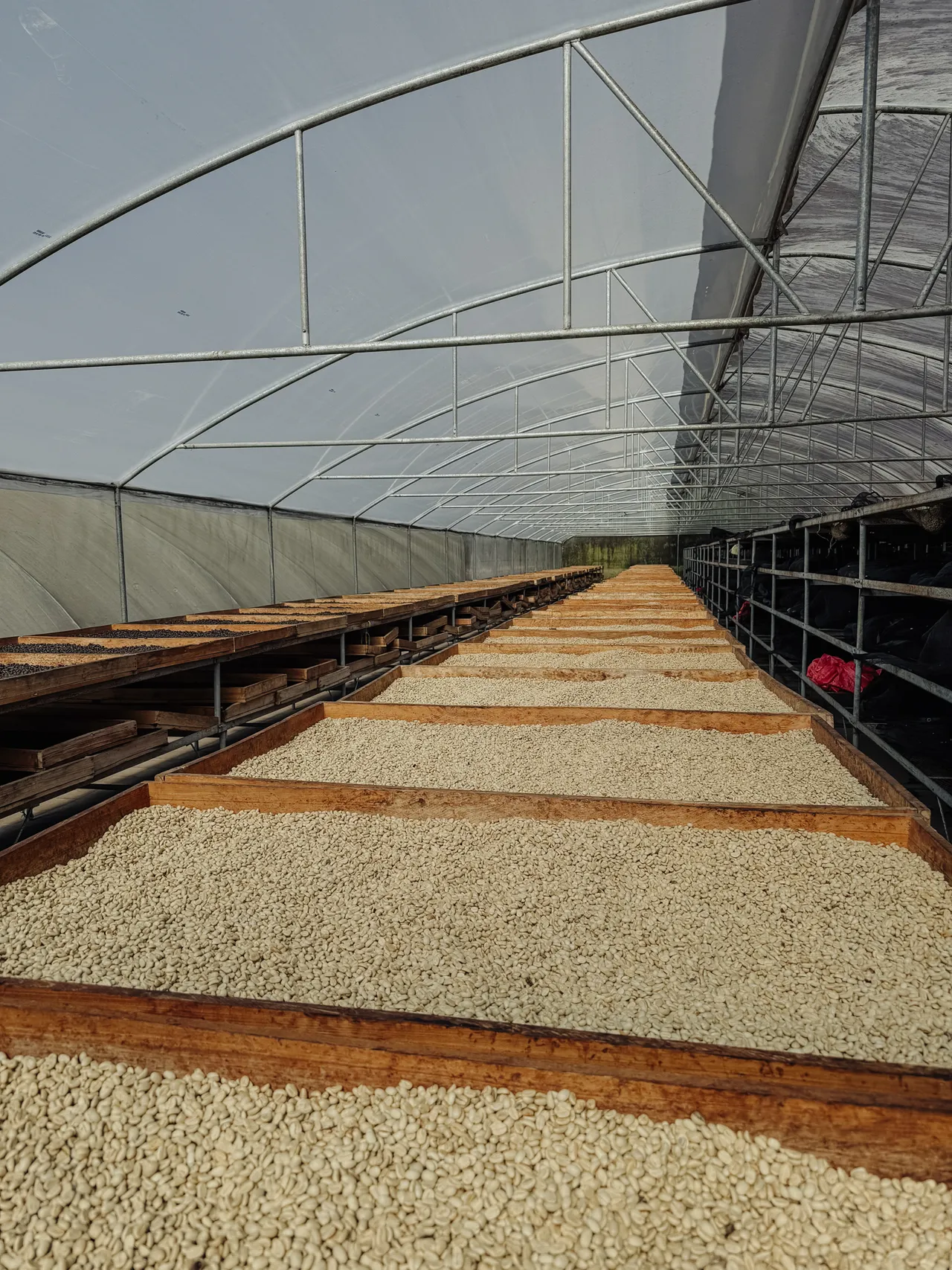
Drying takes place on African raised beds for 12 to 16 days, until the coffee reaches approximately 11% moisture content. Raised beds allow air to circulate around the coffee and help it dry more evenly. After drying, the coffee is stored in parchment — the protective husk that remains on the coffee seed after processing and protects it before final hulling — for at least 21 days before final processing.
The farm has its own equipment for wet processing, drying and preparing coffee for export. This means it has the whole process under control within its own facilities and can maintain traceability from harvest through to the final preparation of the coffee.
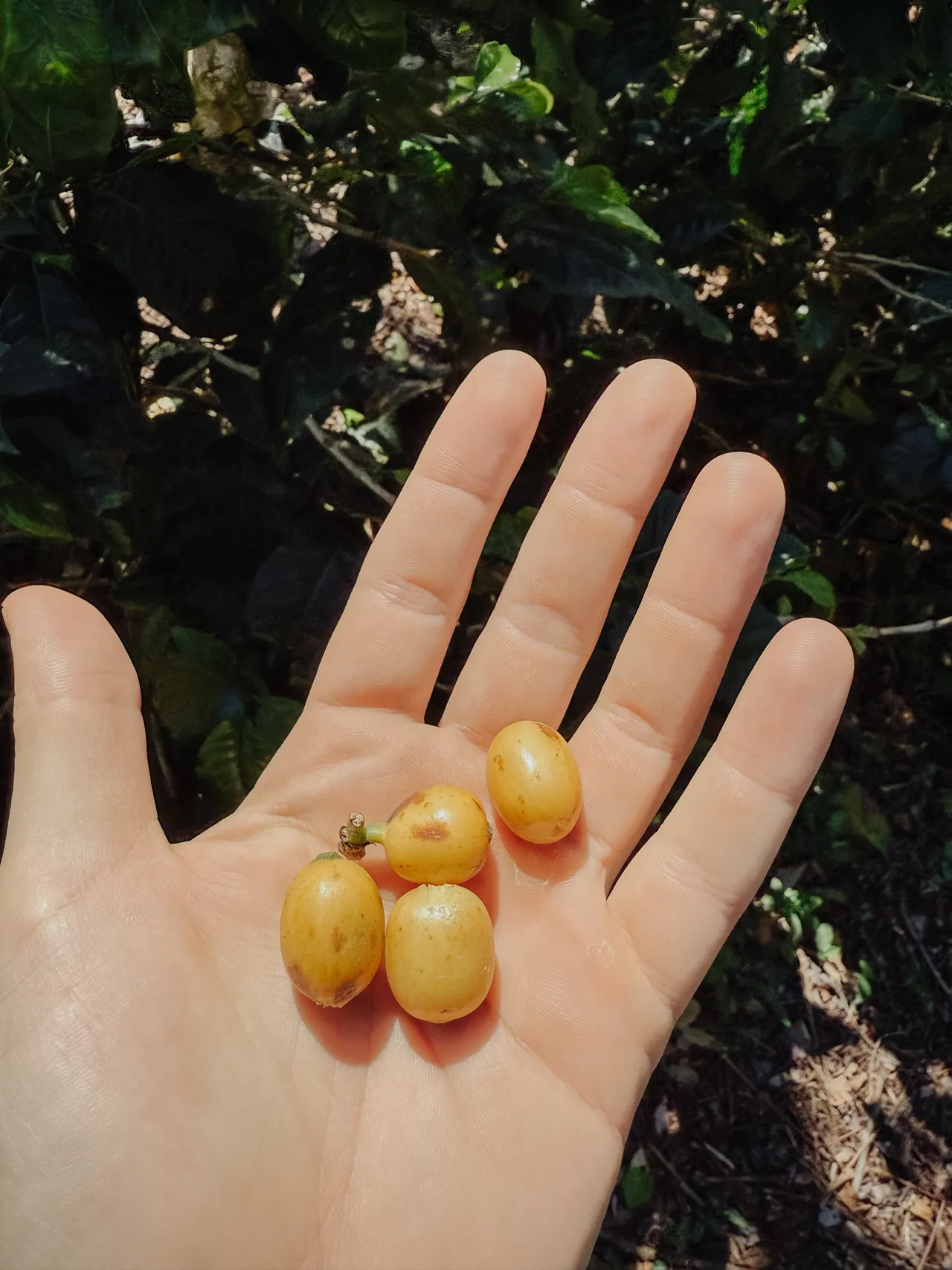
Red Catuaí is an Arabica variety created by crossing Mundo Novo and Caturra. It exists in both red and yellow forms and is grown in Latin America, among other reasons, for its good productivity and the plant’s shorter stature. In this coffee, Red Catuaí is processed using the dry method, and the taste notes are dark chocolate, hazelnut and plums.