EspressoNew
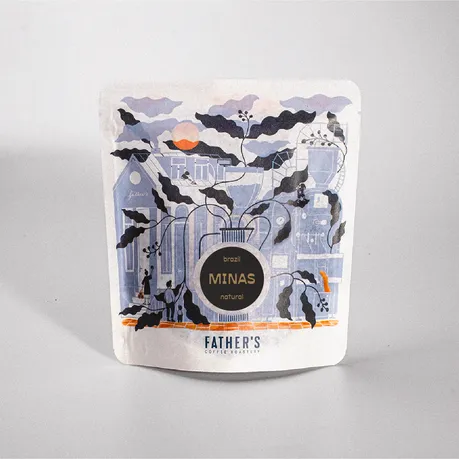
Brazil -Minas
€12.25
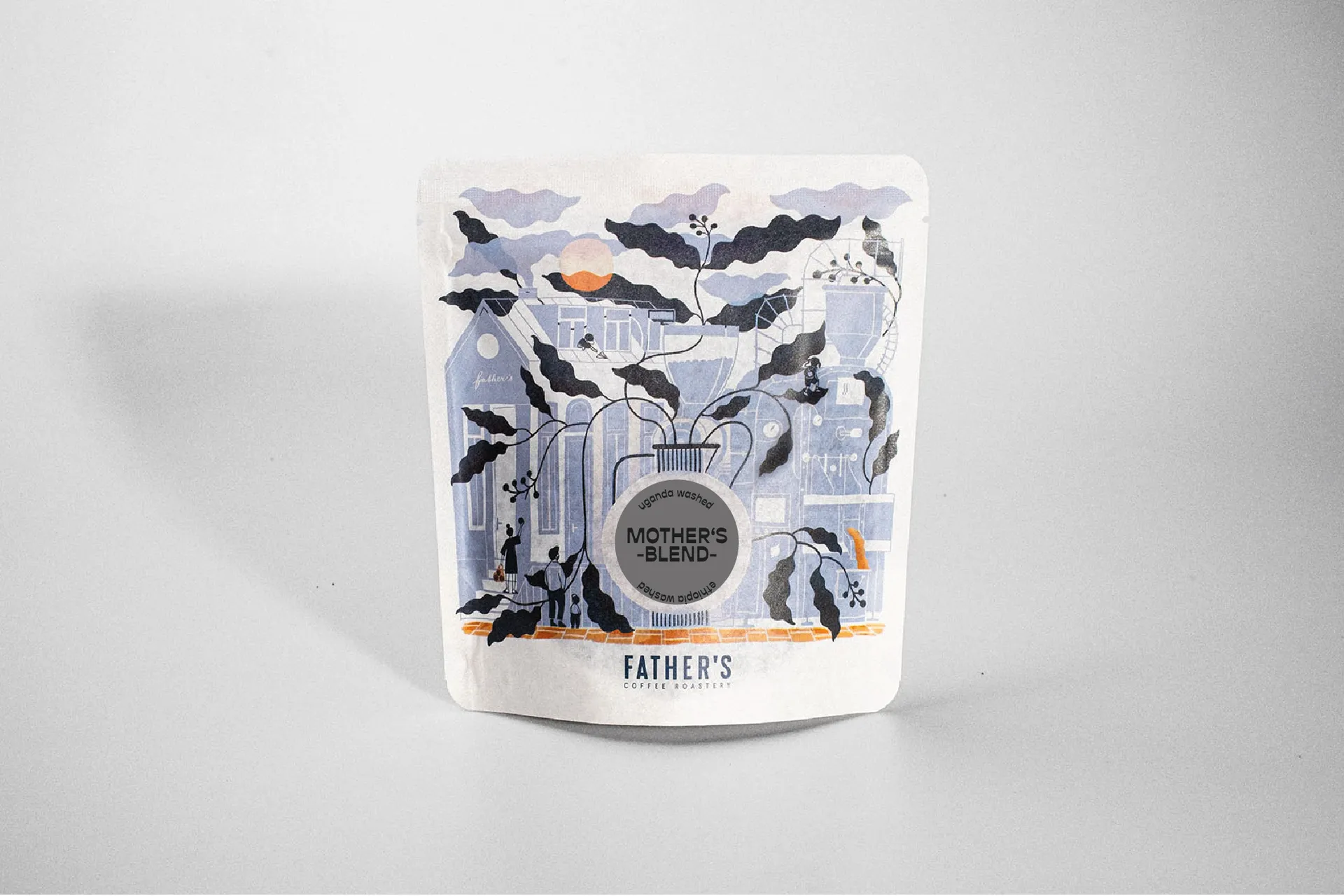
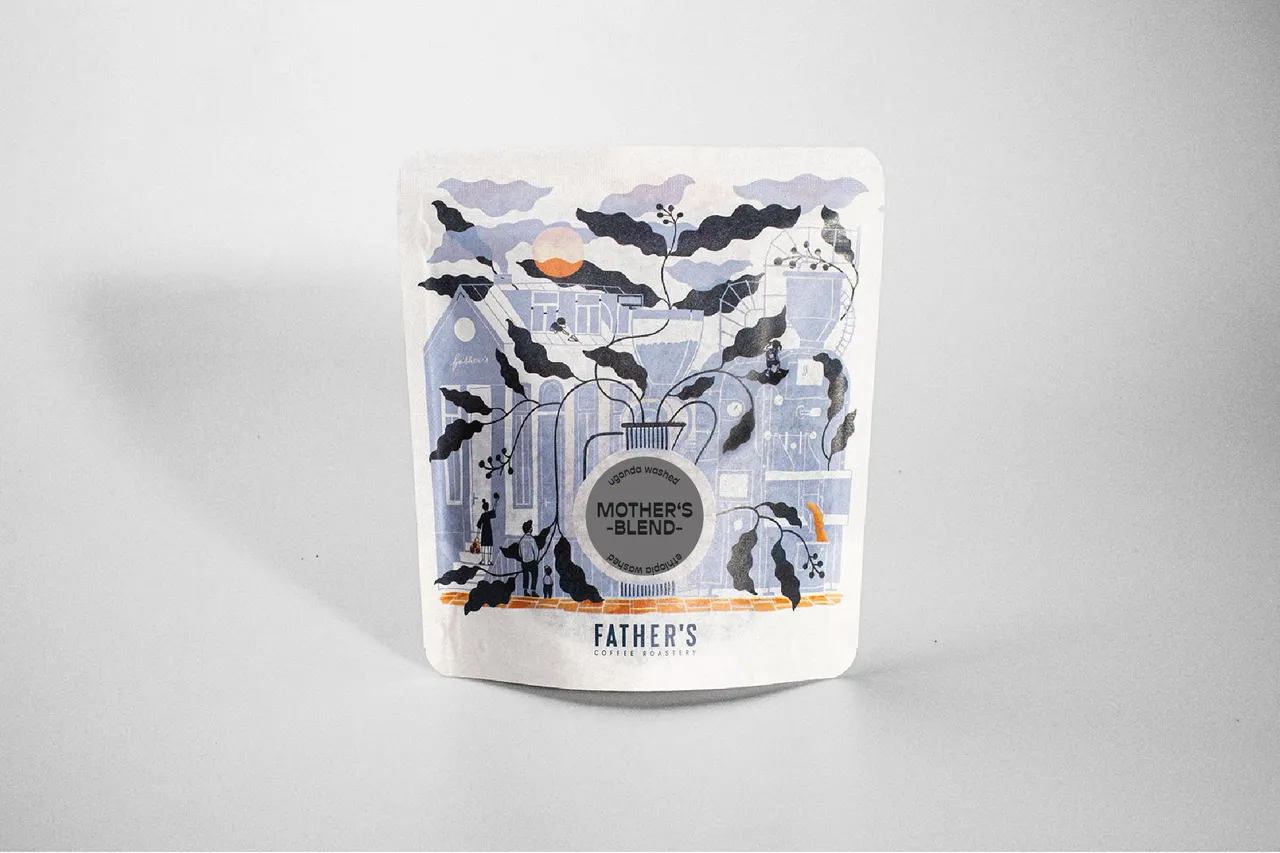
Full, creamy body, milk chocolate and floral aroma – that’s Mother’s Blend, our espresso blend loved by baristas and home coffee lovers alike. It’s no coincidence it’s our second best‑selling espresso coffee. It works beautifully as a base for your favorite milk drinks, but it will also please anyone who enjoys a straight espresso with a rich, balanced profile.
Ideal for espresso, great for both manual and automatic espresso machines, and for home brewing.
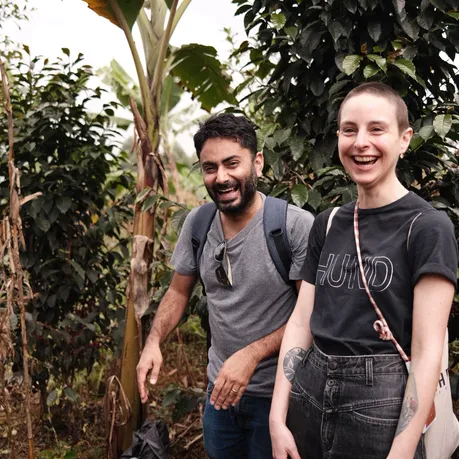
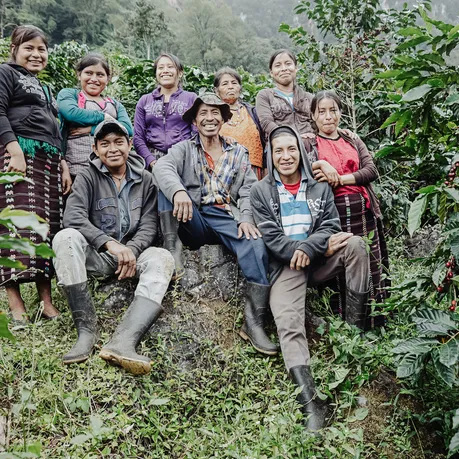
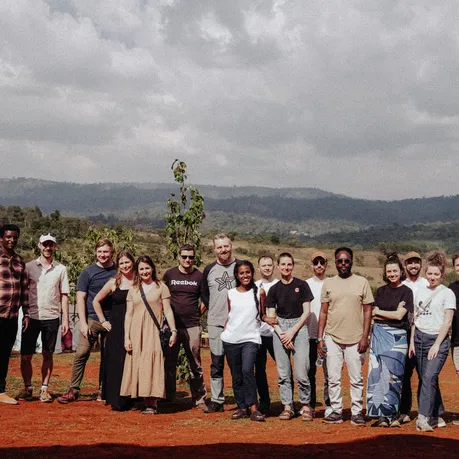
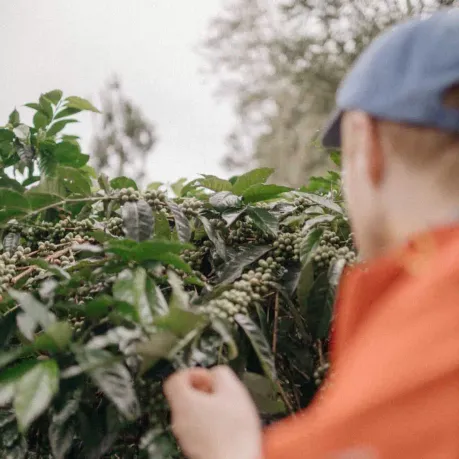
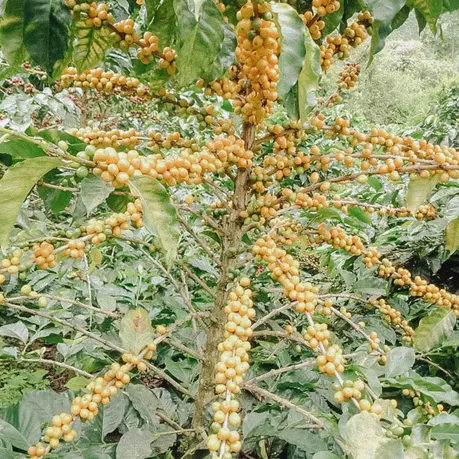
Uganda – Since 2017, Coffee Gardens has supported ethical specialty coffee production and transparent connections between farmers and customers. In partnership with Falcon, farmers receive training in sustainable farming practices, including growing coffee under shade trees and improving harvesting techniques.
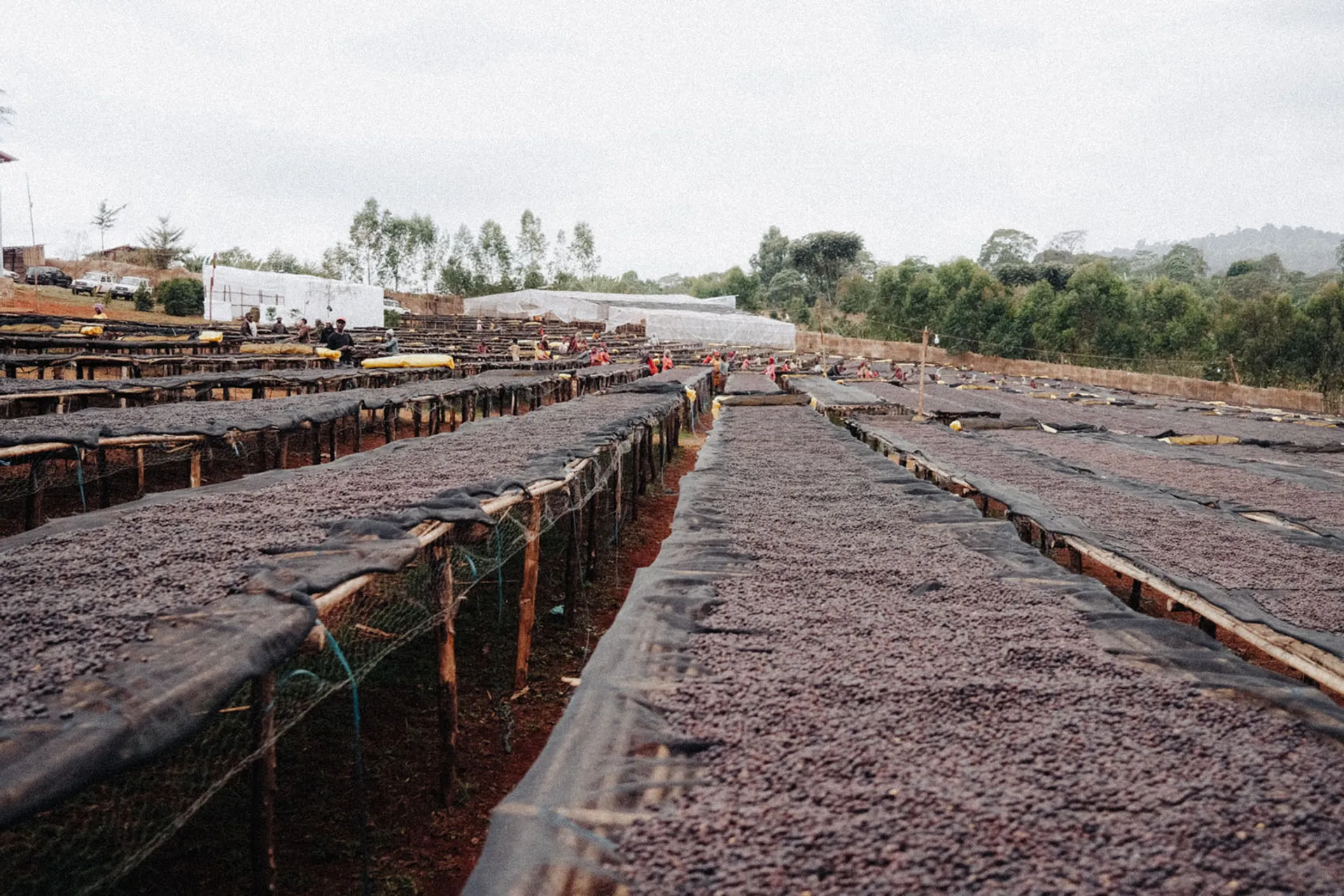
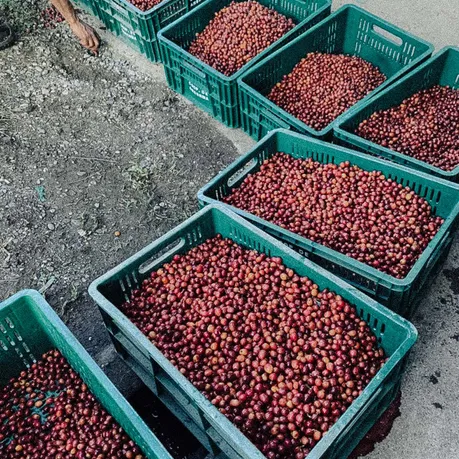
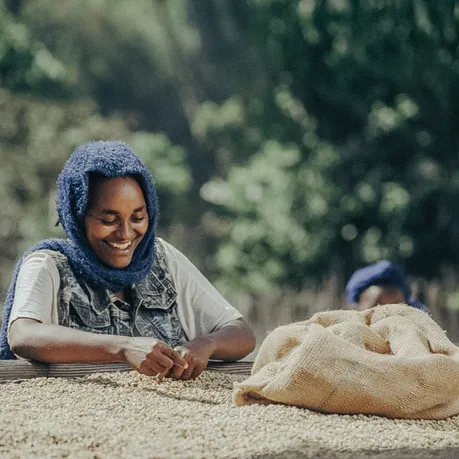
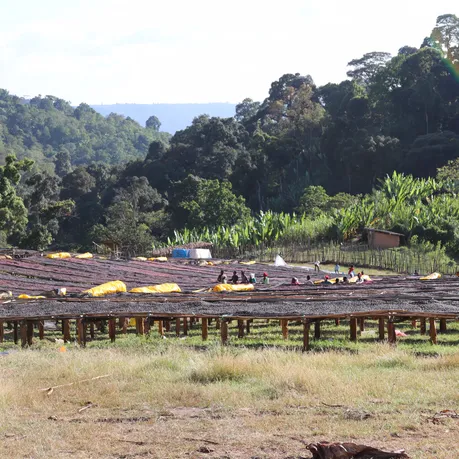
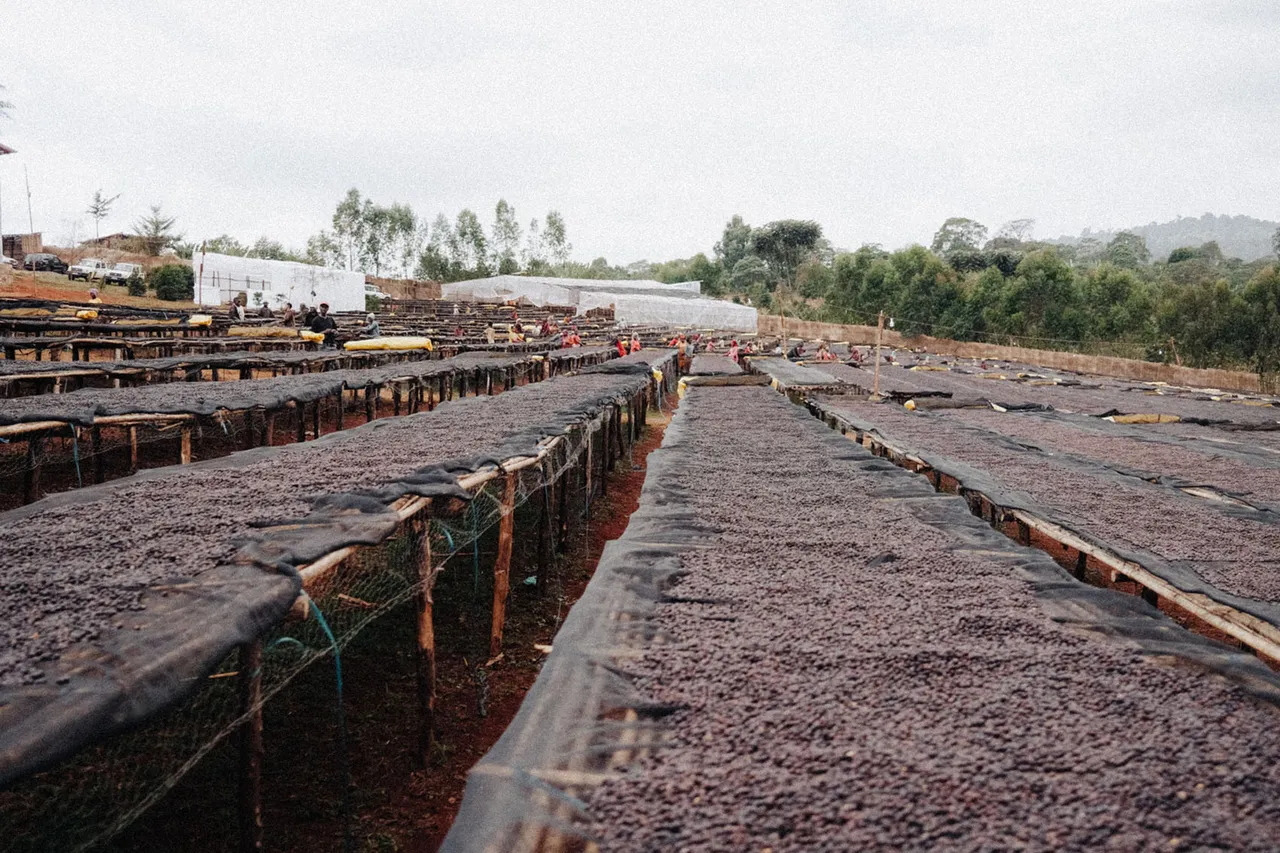
Ethiopia – Lalesa Station is located in the Gedeb area at an altitude above 2100 meters. It is the largest coffee processing site in the region and is run by the export company Ephtah Specialty Coffee. For the local community, where Enset (false banana) is a staple food, coffee is a key source of livelihood. Ephtah focuses on building sustainable supply chains and places strong emphasis on the role of women in the coffee industry, seeing them as drivers of social and economic change in Ethiopia.
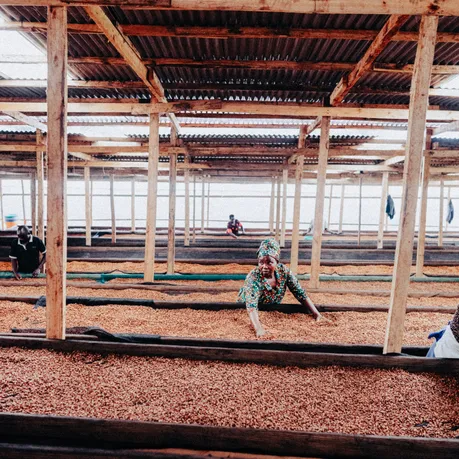
Their support for farmers goes beyond purchasing cherries. Ephtah provides advance payments, quality bonuses, and helps cover school costs for farmers’ children. Despite current financial challenges caused by the inflation policy of Ethiopia’s national bank, the station continues to invest in development—for example by increasing the number of drying beds and building water reservoirs.
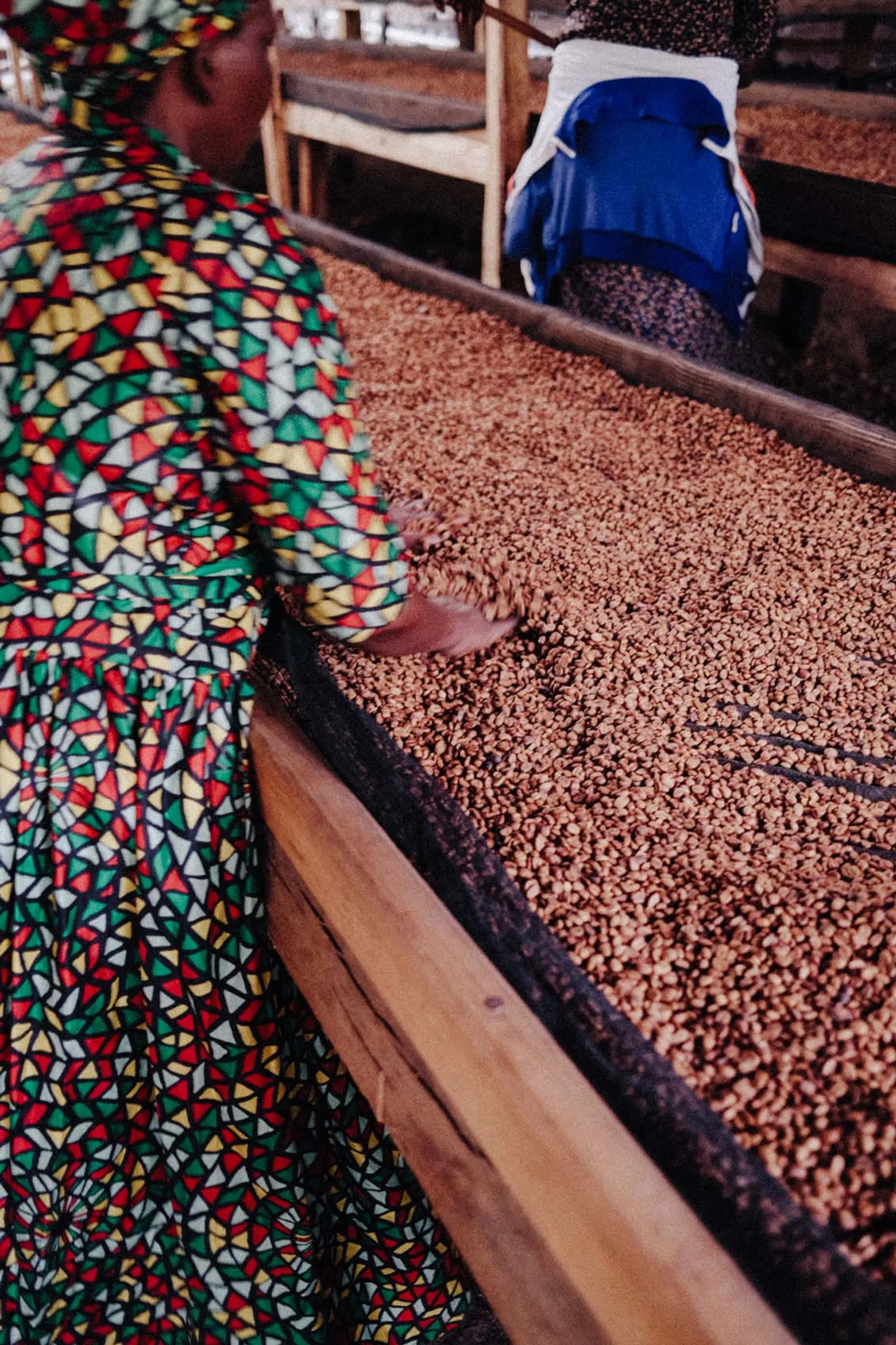
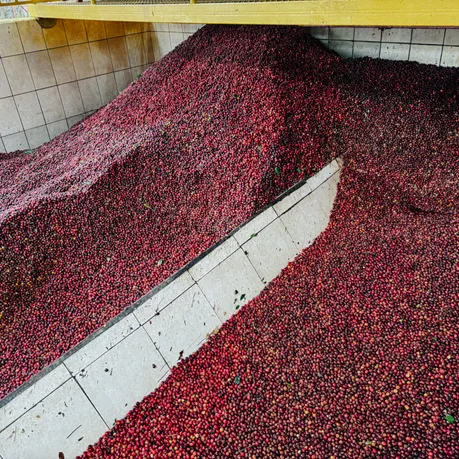
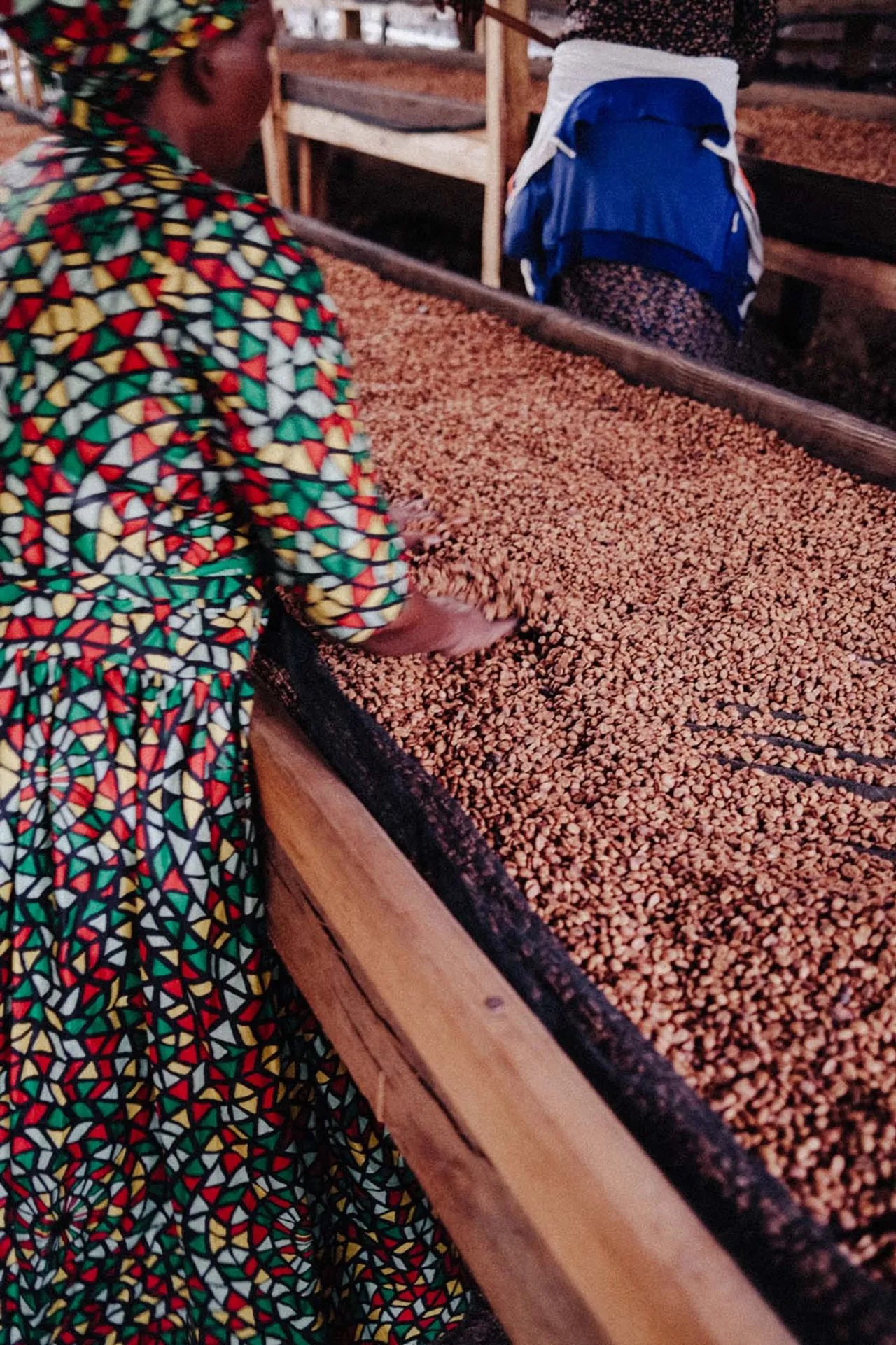
Uganda – Fresh cherries were depulped and fermented for 20 hours in plastic tanks without water. They were then thoroughly rinsed with cold mountain spring water, dried on African beds in solar dryers, and finally sorted in 12 stages.
Ethiopia – At Lalesa, coffee grows in the natural shade of surrounding trees, especially Enset banana plants. The entire process is designed to keep the cup profile clean:
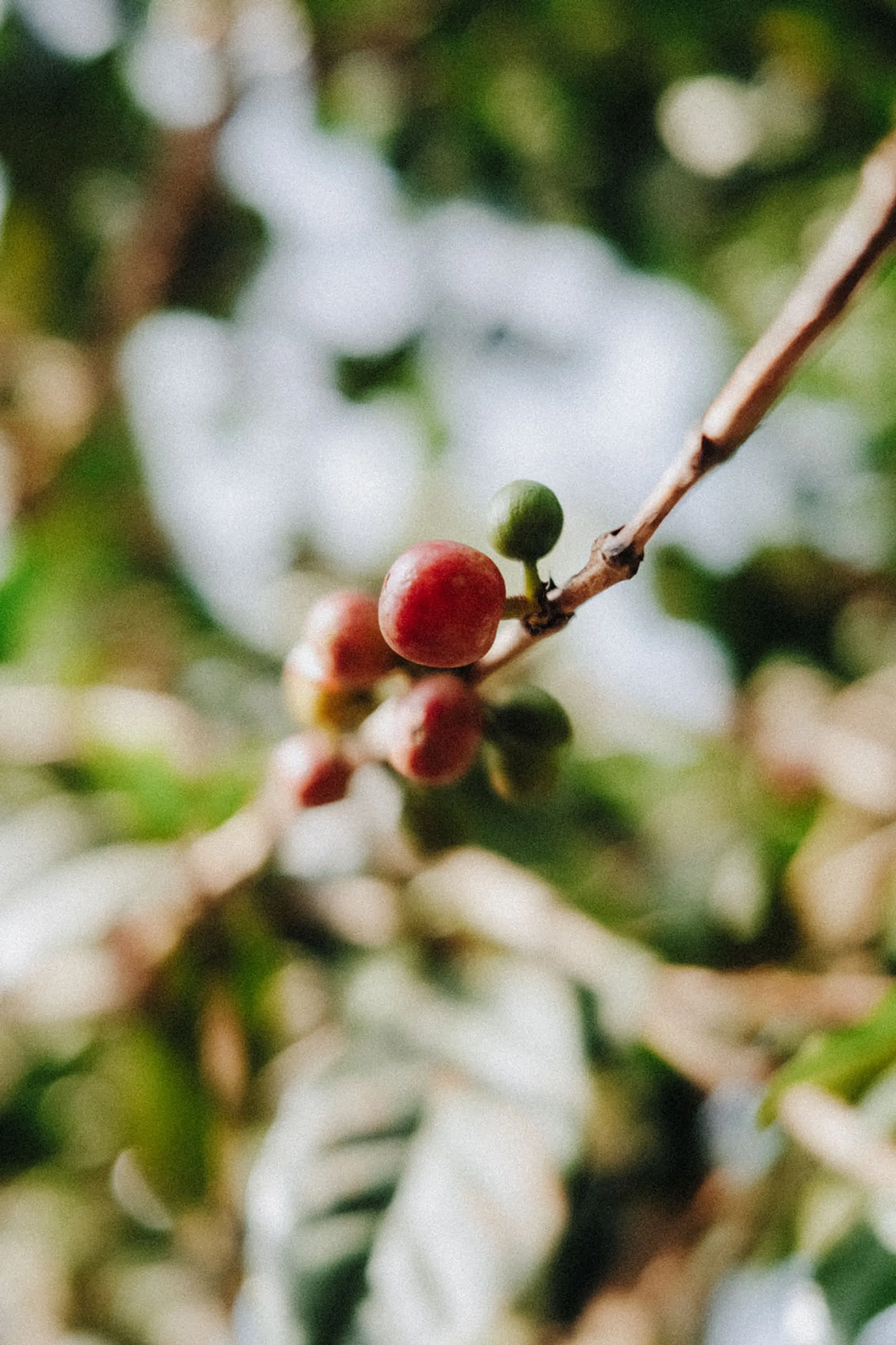
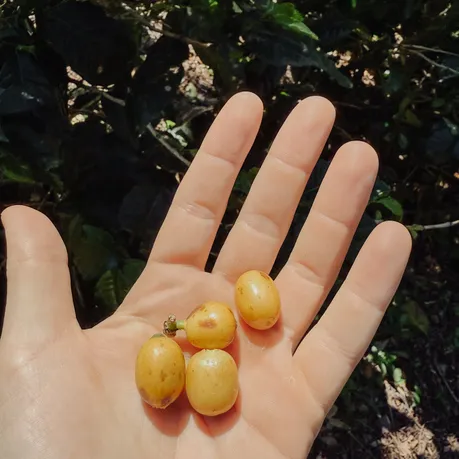
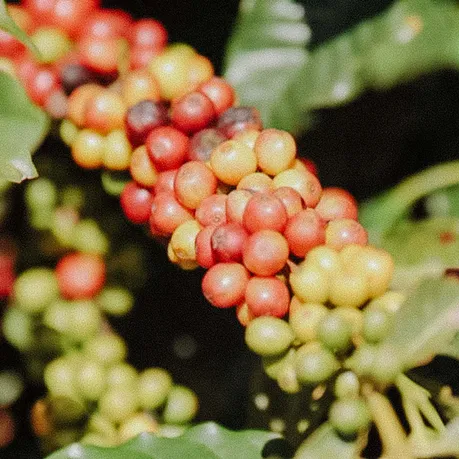
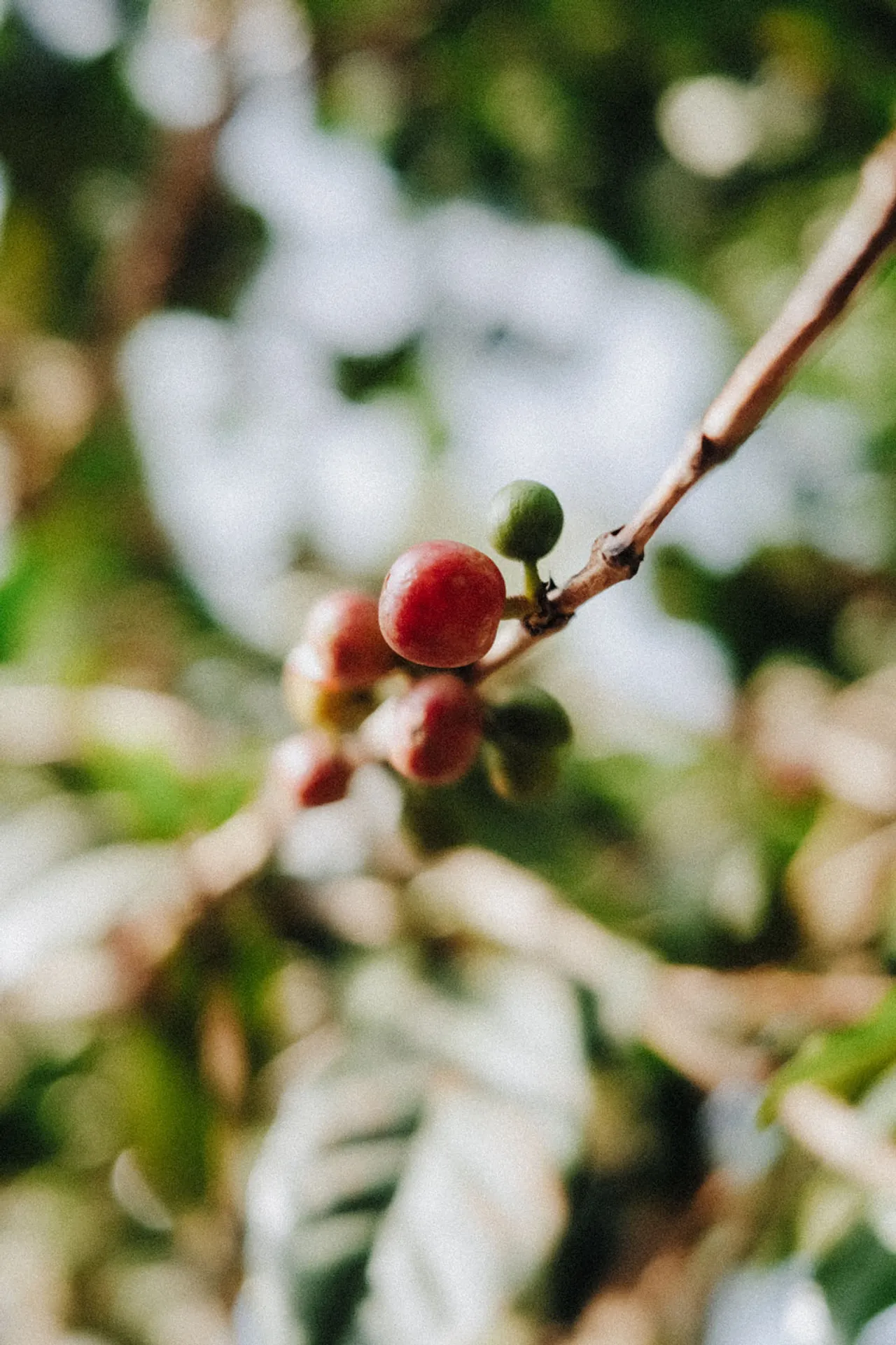
Uganda – SL14, SL28 and Nyasaland create a distinctive combination of flavors. SL14, a Ugandan classic, brings gentle citrus notes and a lightly tea‑like body with great disease resistance. SL28, a legendary Kenyan variety, is prized for its intense fruitiness, sweetness, and blackcurrant notes. Nyasaland, a historic Arabica from Malawi, adds delicate floral and tea‑like tones with a light citrus sweetness.
Ethiopia – Heirloom is a collective term for Ethiopia’s original wild varieties that have grown in local forests for centuries. Their genetic diversity and high‑altitude cultivation give Ethiopian coffees their typical complexity, higher acidity, and rich fruity and floral notes.