FilterNew

Brazil - Julia Campos
€15.32
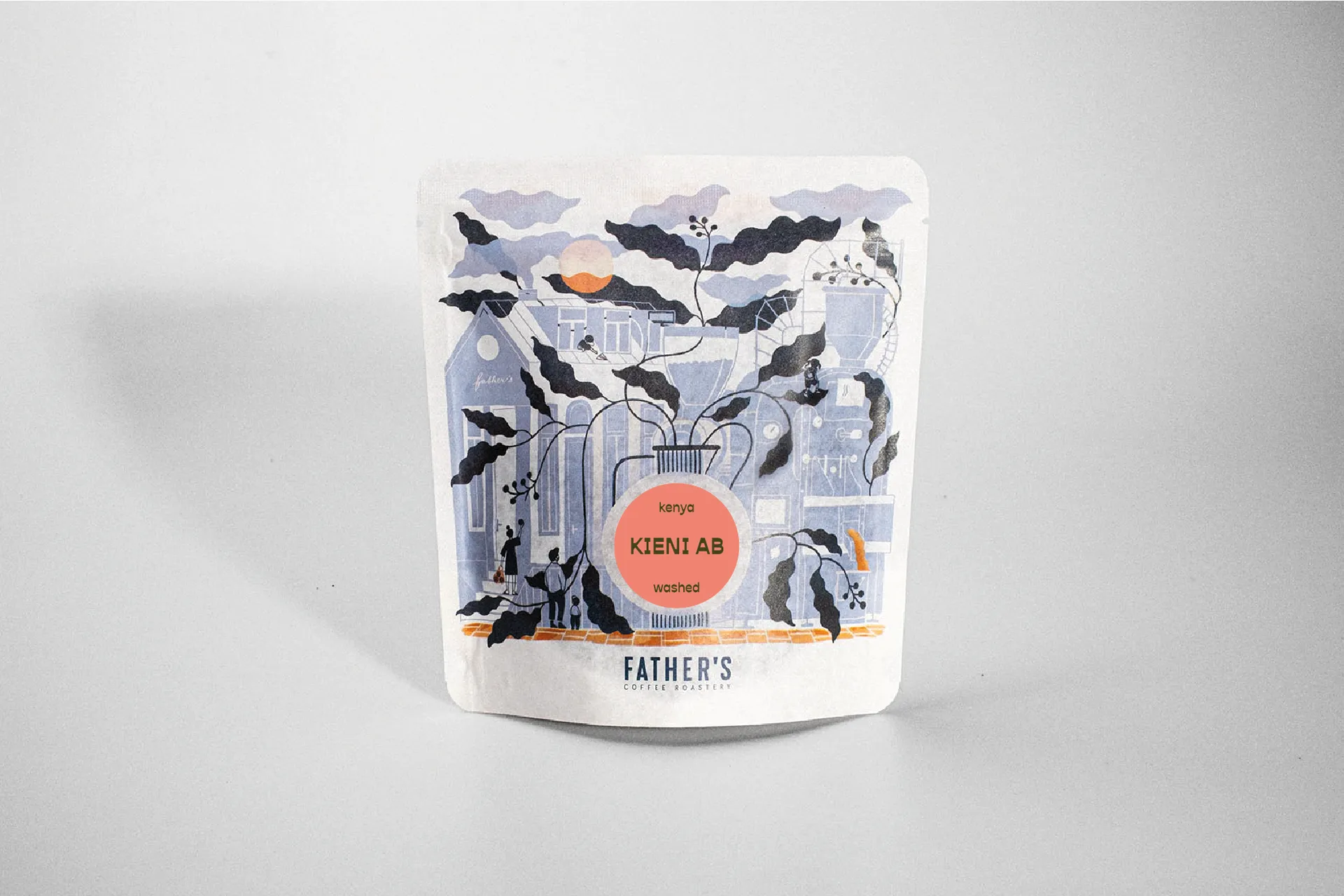
Kenya knows how to make a coffee that hits you from the very first sip and Kieni AB from the Kieni station in Nyeri County is one of them. Processed using the washed method, it offers a profile full of elderflower, blackcurrant, and milk chocolate.
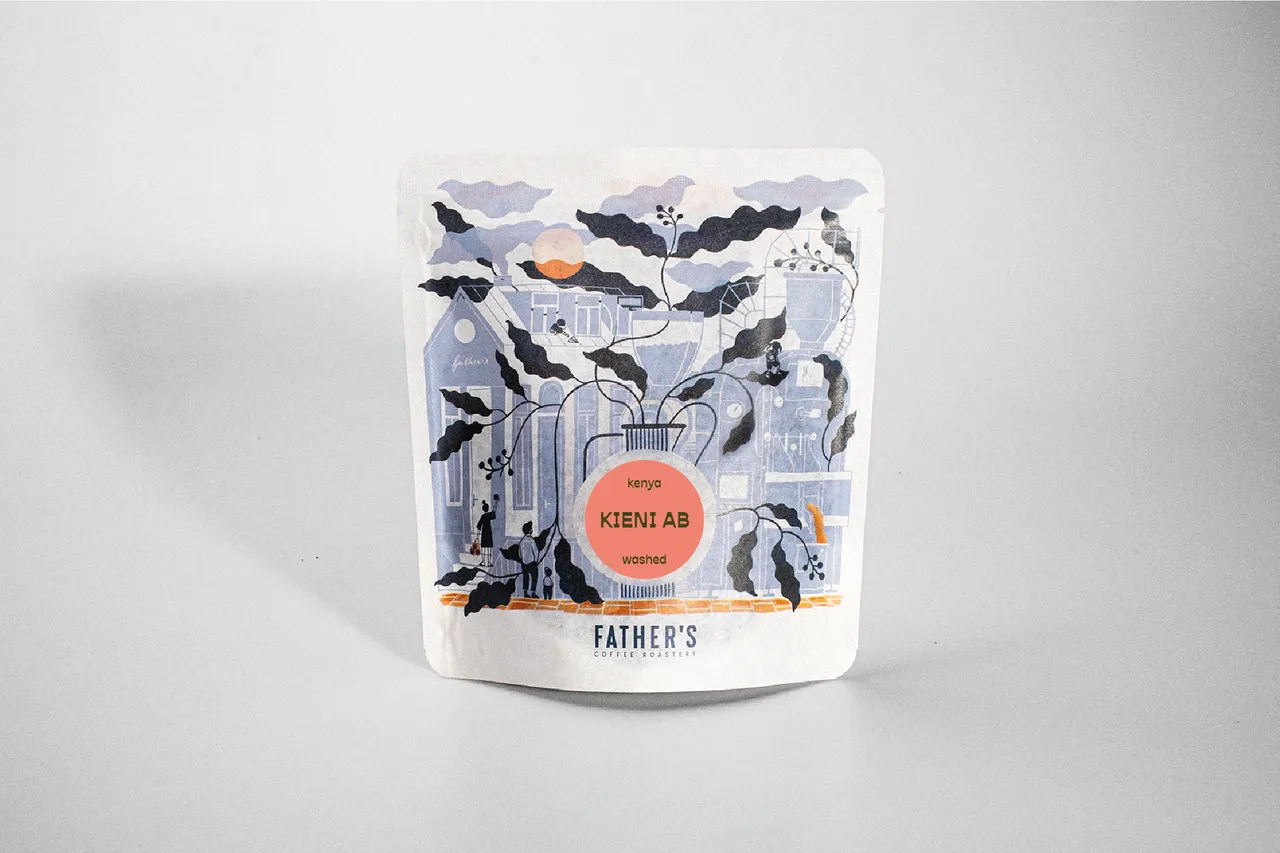
We roast this coffee for filter. It works well for all types of filter coffee brewing (V60, Solo Dripper, Aeropress, Chemex, French press, Clever Dripper...).
Want it for espresso? We also roast it as an espresso version — you can find it here: Kieni AB - espresso
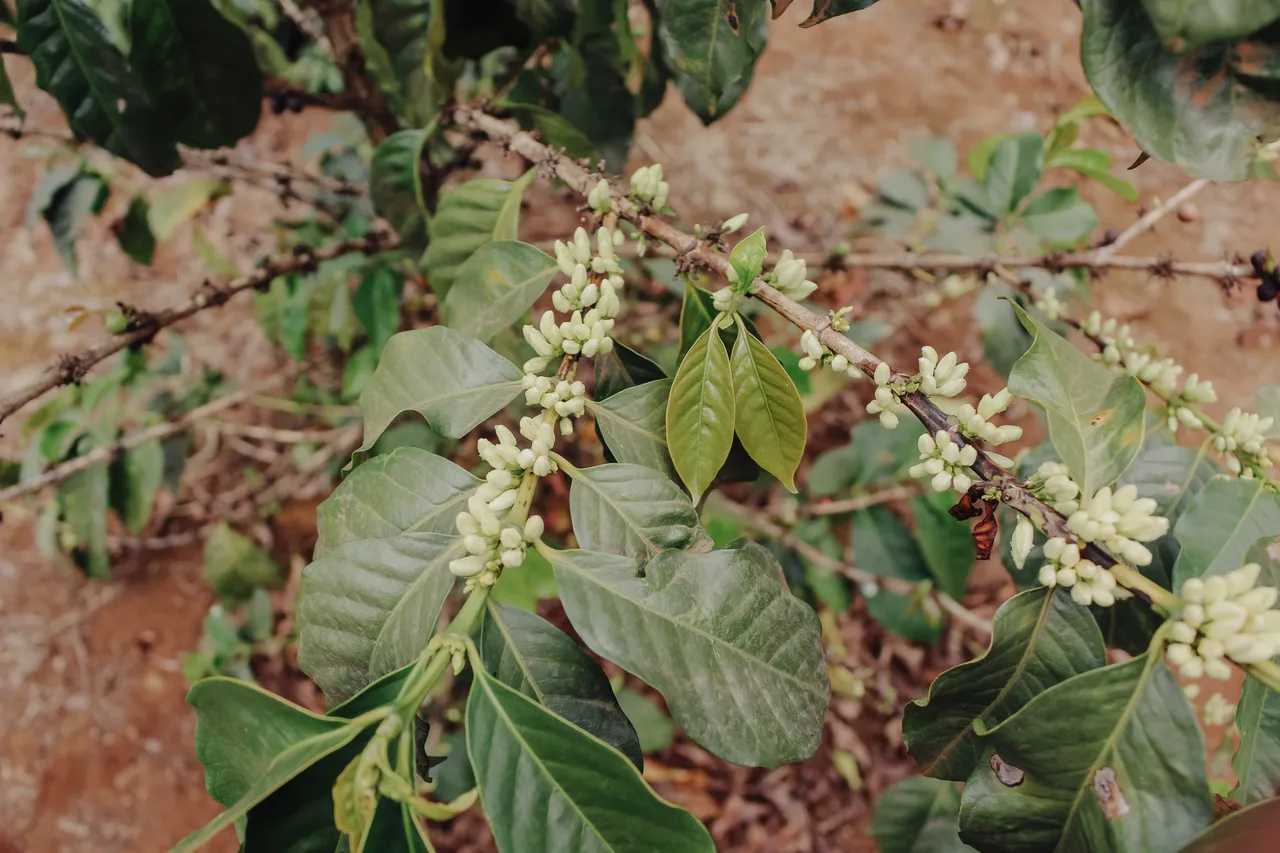
The Kieni station is located in Nyeri County in Kenya’s central highlands at an altitude of 1,700 meters above sea level. It is run by the Mugaga Farmers' Cooperative Society, which brings together around 1,000 members, smallholder farmers working family plots on the region’s slopes and high plateaus.
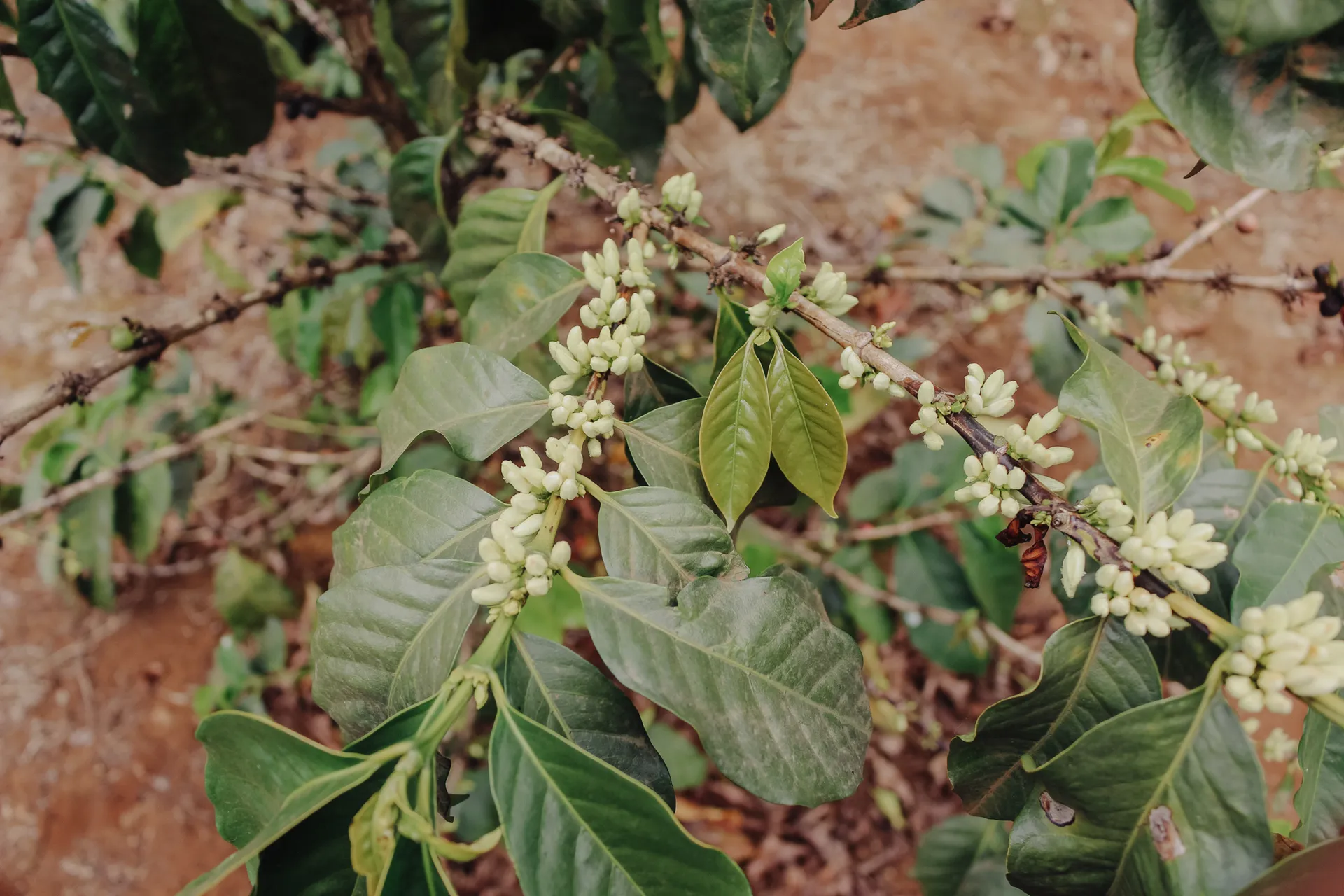
Nyeri County lies between the eastern ridges of the Aberdare range and the western slopes of Mount Kenya. The area is known for cool temperatures and red volcanic soils, typical of Kenya’s central highlands. Slower cherry ripening at higher altitude leads to denser, harder beans — and that shows in the cup: bright acidity and a denser, syrupy body are long associated with coffees from Nyeri.
Kieni has implemented an electronic cherry-delivery weighing system. Each farmer receives a printed receipt showing the updated total delivered amount a small detail that says a lot about how the cooperative approaches its relationship with growers.
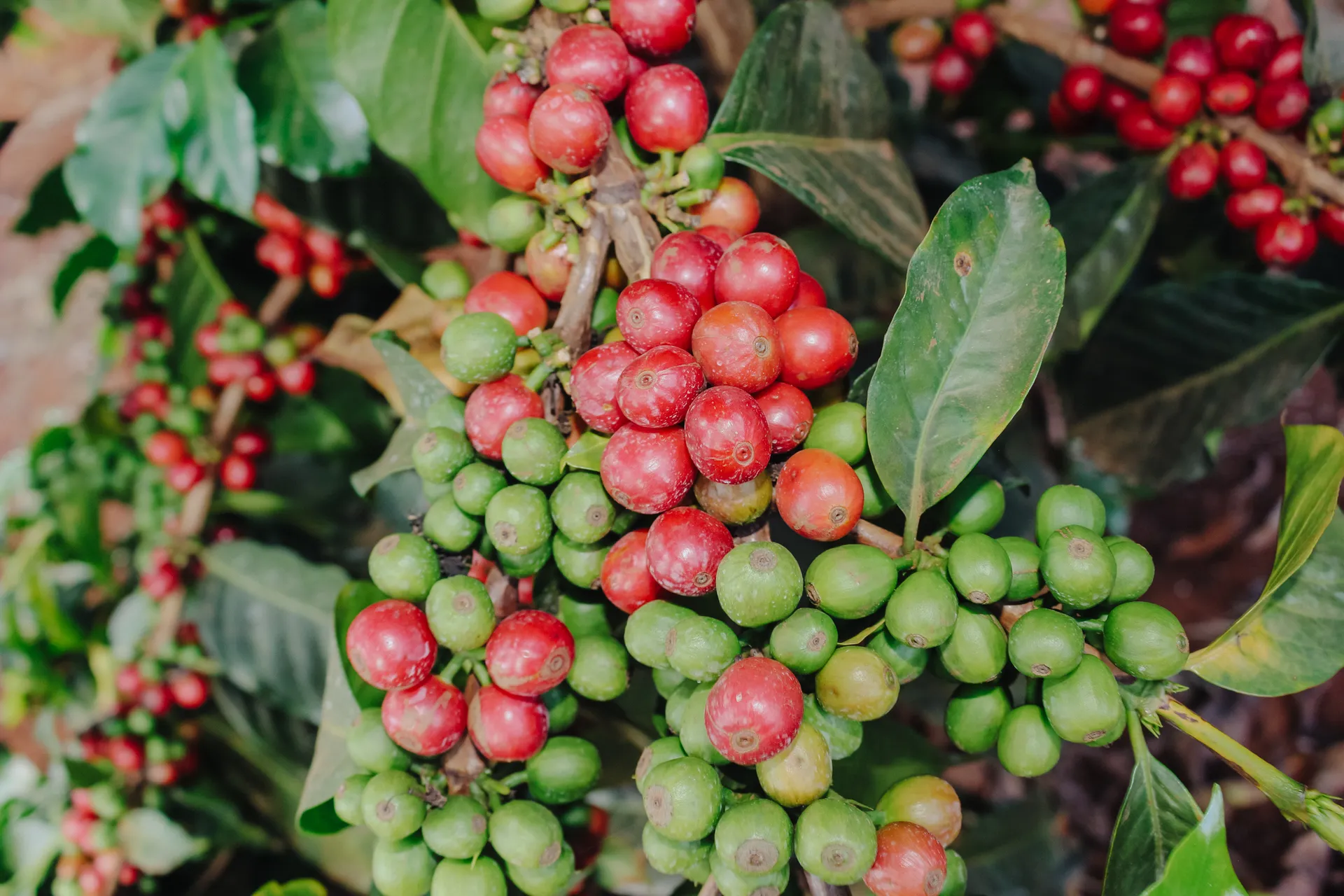
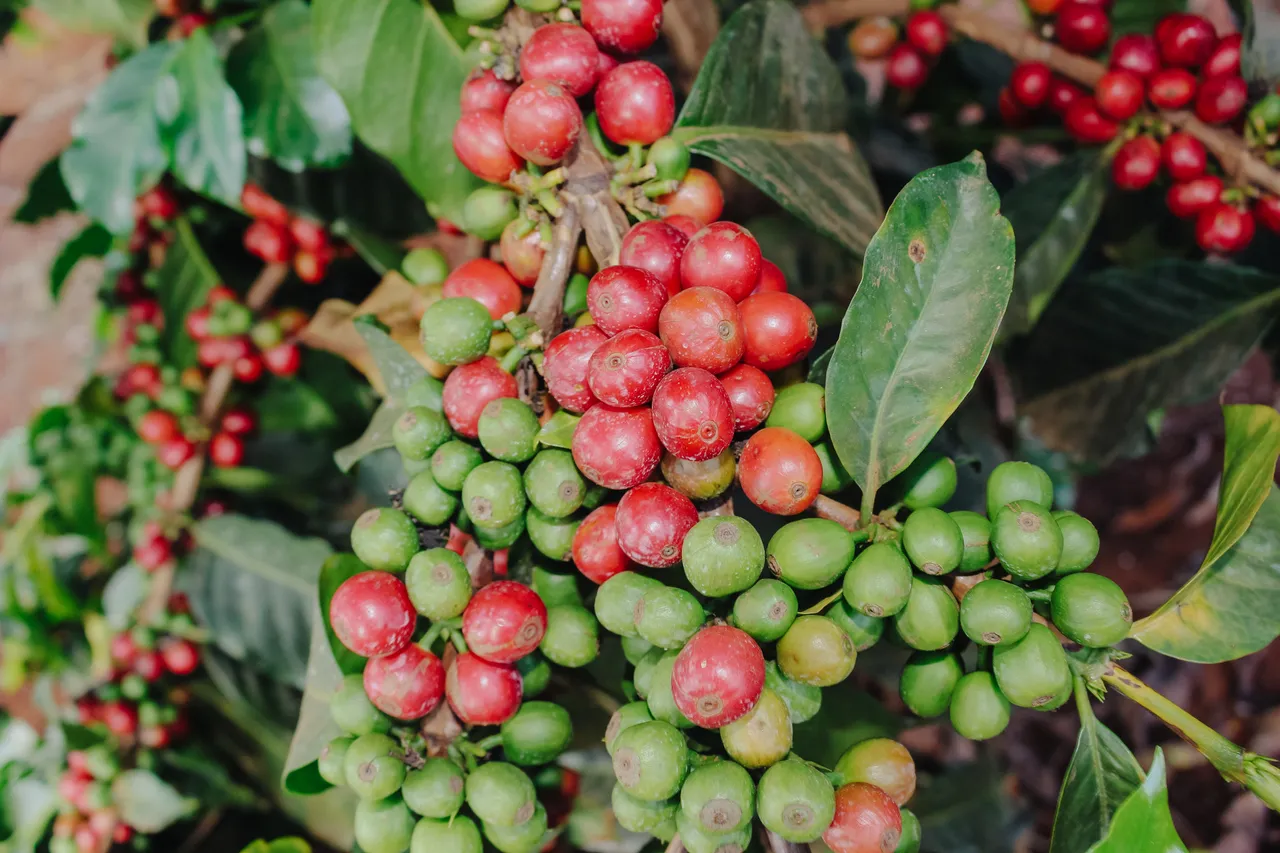
1. Harvesting and intake Ripe cherries are delivered to the station by farmers, where they are weighed and recorded in the system.
2. Depulping The cherries are processed in a machine that removes the skin and pulp from the bean. Water from the process is captured and reused, helping the station conserve water.
3. Fermentation The coffee ferments overnight to break down the remaining sugars on the surface of the bean’s protective layer (parchment).
4. Washing and soaking After fermentation, the coffee is washed and soaked. This step contributes to a clean and clear cup profile.
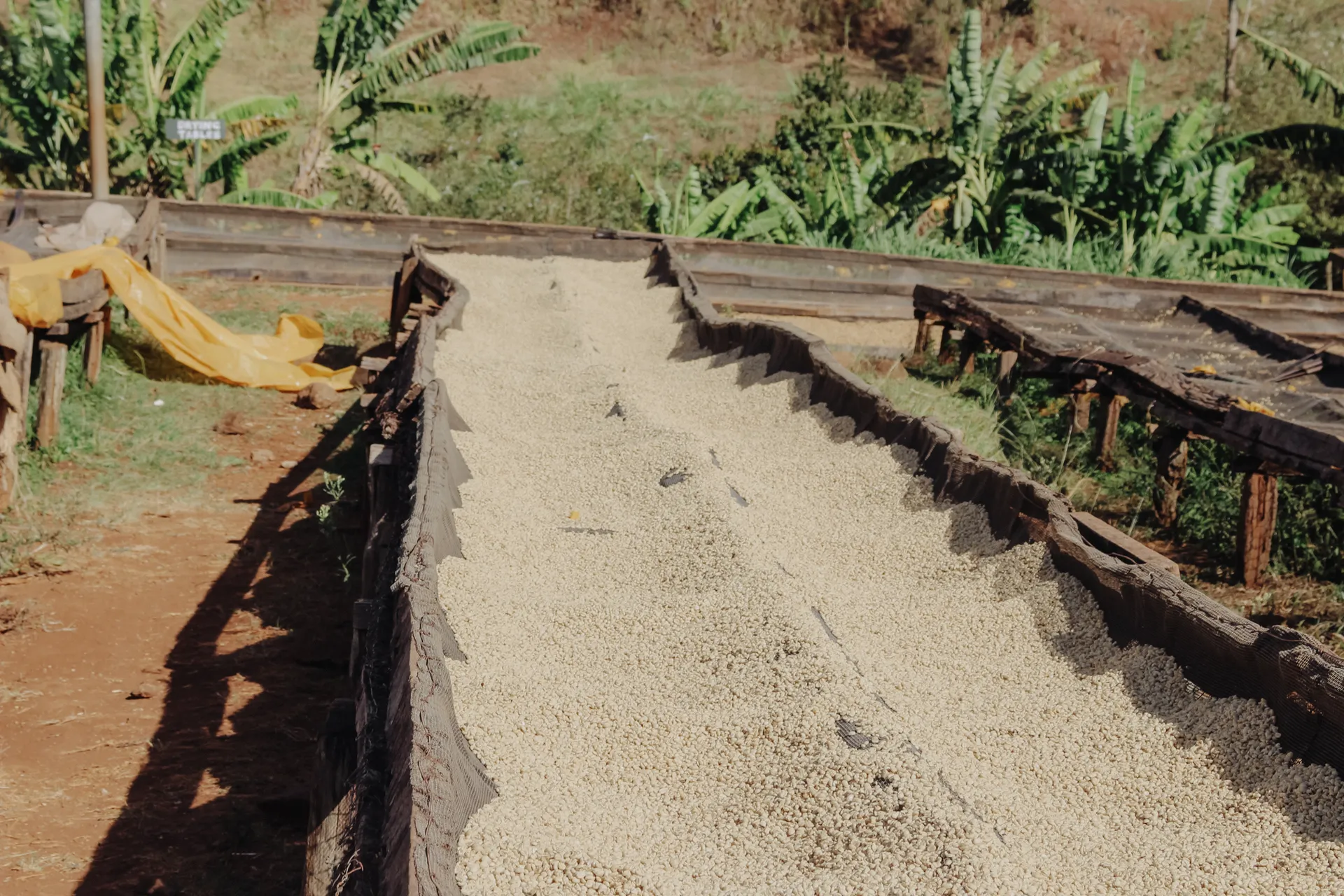
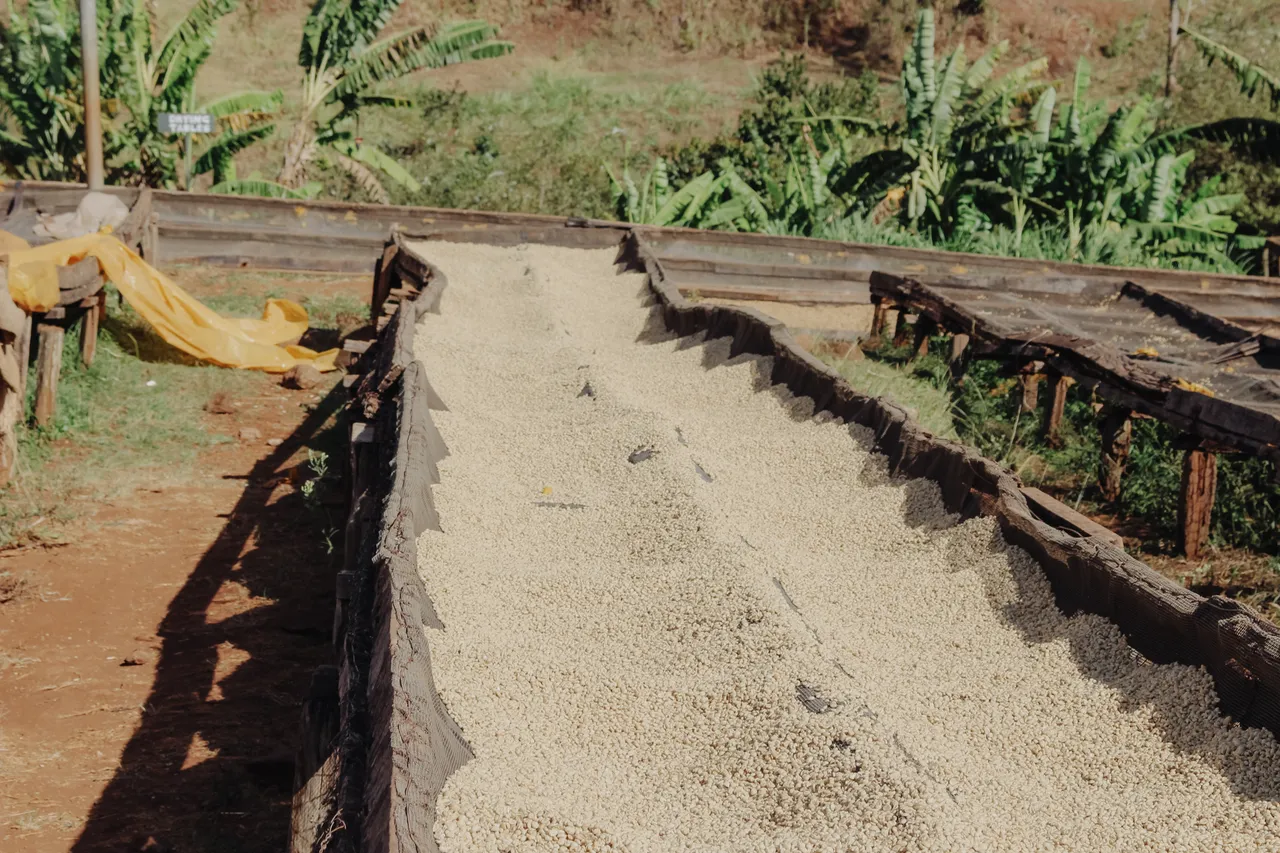
5. Drying The coffee dries on raised beds for 7 to 15 days — or up to two to three weeks in slower conditions — until moisture drops to 10–12%.
6. Resting and preparation for export After drying, the coffee is moved to a dry mill and stored in parchment in traditional warehouses until it is ready for final processing and export.
In this case, washed processing means the flavor profile reflects primarily the character of the bean and the place where it was grown without any influence from the cherry pulp. This is where the precision and clarity Kenyan washed coffees are known for comes from.
SL28 and SL34 are Kenyan varieties developed in the 1930s by the Scott Laboratories research station. They are associated with vibrant acidity, a fruit-forward character, and a full body, traits that show especially clearly in Nyeri’s soils and elevations. On espresso, this combination brings a dense body and pronounced sweetness; on filter, it translates into clean fruitiness and precision. Ruiru 11 is a newer variety bred with an emphasis on resilience. Combined with SL varieties, it helps stabilize and strengthen harvest reliability.