Dripbags


Drip bag – Inzá, Colombia
€8.24
Country: Ethiopia
Region: Agaro, Jimma, Western Ethiopia
Farm / station: Beshasha / Gute Lot
Producer: Mustefa Abakeno
Altitude: 2000–2100 m a.s.l.
Variety: 74110, 74112
Processing: washed
Flavour profile: elderflower, black tea, pomelo
Type of coffee: Ground coffee




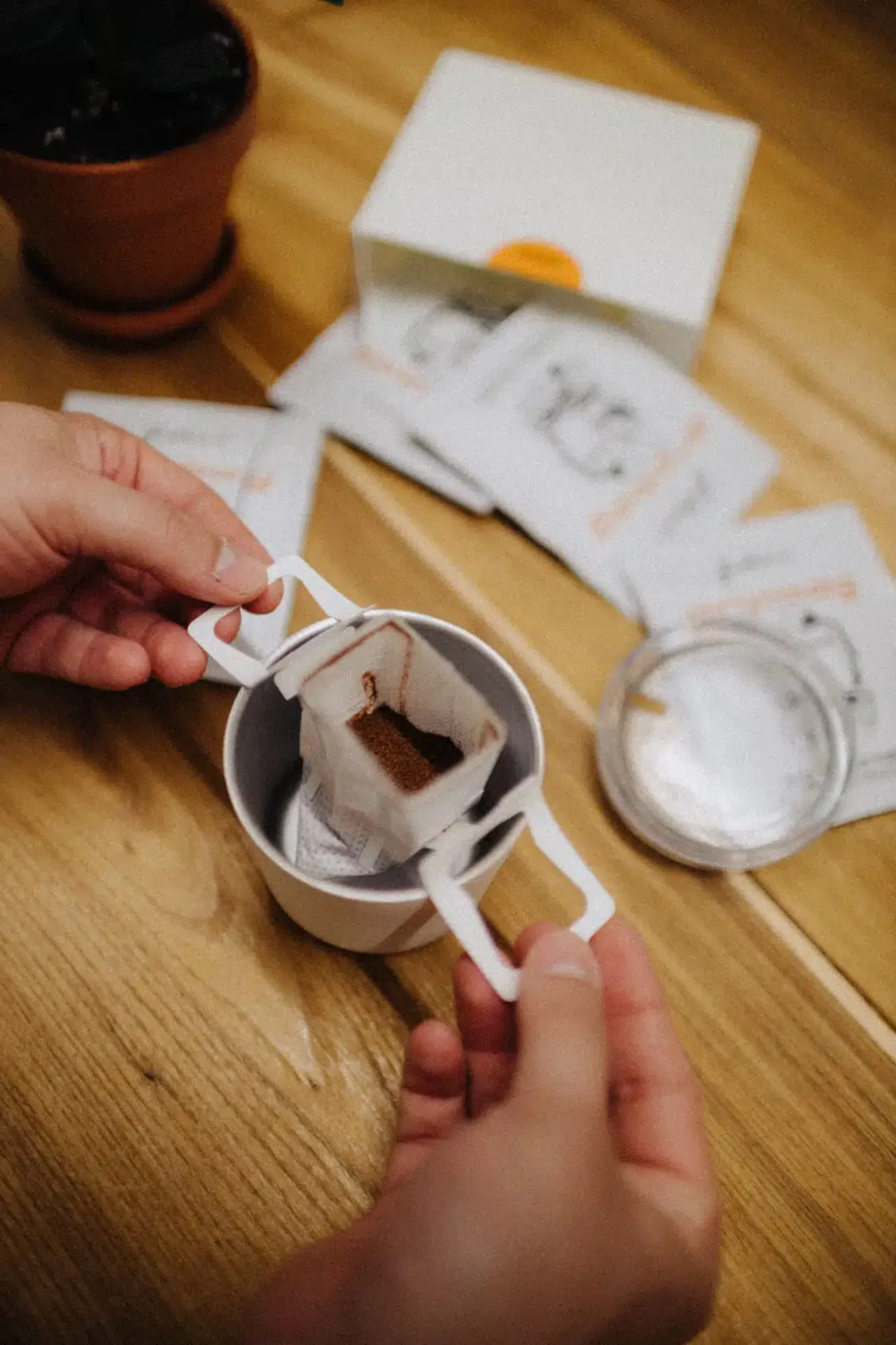

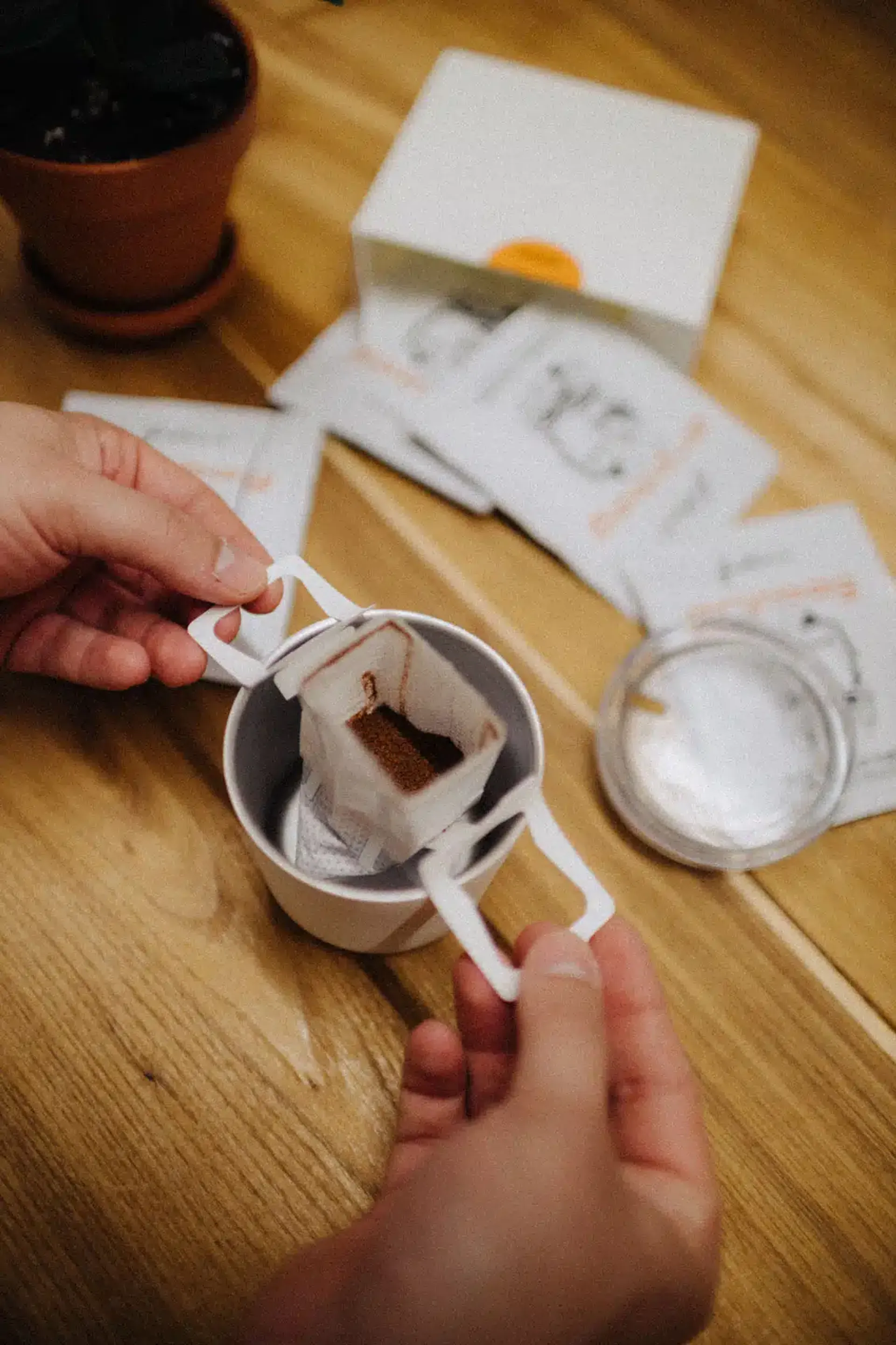
Place the drip bag on a cup or server.
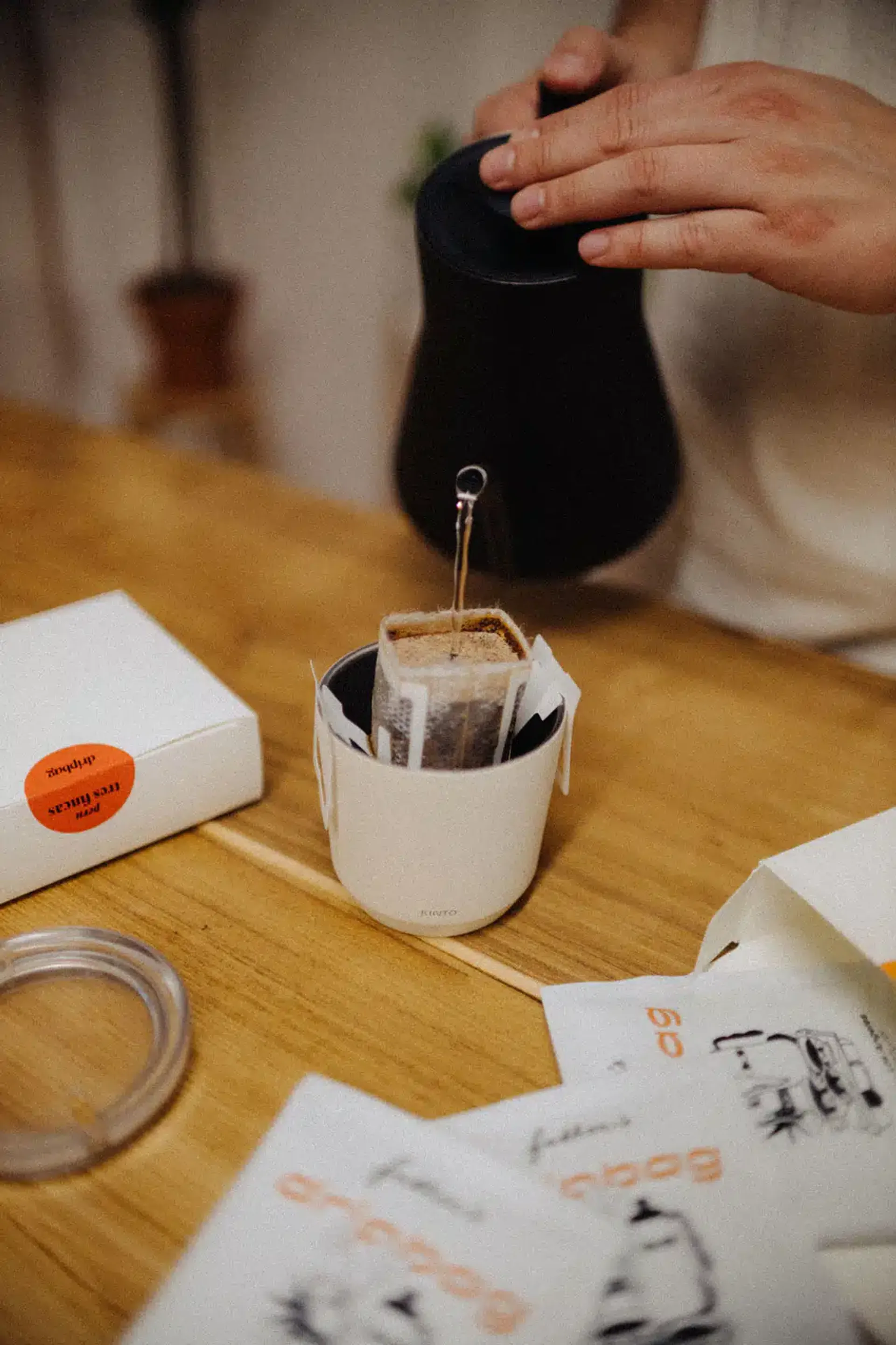
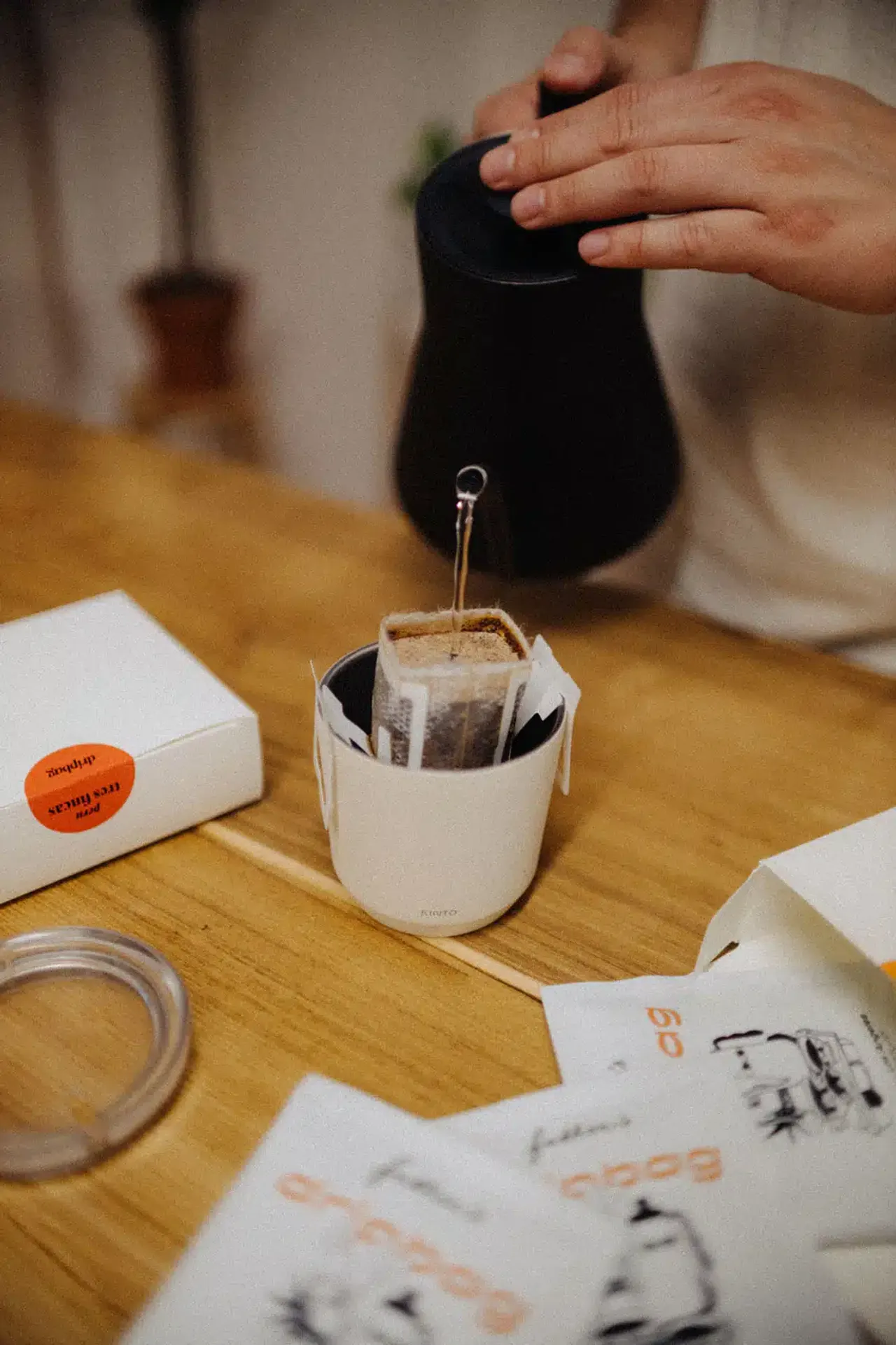
Pour boiling water until the drip bag is half full.
Let the coffee bloom for 20 seconds.
Slowly fill the drip bag to the top with boiling water.
Wait until it almost drains.
Refill the drip bag to the top with boiling water.
Wait until the drip bag is completely drained.
Tear open drip bag at the top.
Enjoy your coffee!
Mustefa Abakeno is a smallholder farmer from the Jimma area in Western Ethiopia who tends an 18‑hectare farm at over 2000 m a.s.l. Early on, they invested in a coffee depulper, which made it possible to process half of the harvest using the washed method. In 2018, Mustefa took advantage of changes in local legislation and began exporting coffee directly to end buyers. For this purpose, they founded the Beshasha processing station, where today they process both their own coffee and cherries from neighbouring farmers. These nearby farmers cultivate plots of 4 to 10 hectares.
Mustefa works closely with the Falcon team in Addis Ababa, which helps improve quality, from cherry selection and drying all the way to farm management, while also shortening the supply chain so that a larger share of the finances goes directly to producers. Since 2021, agronomist Harun has been working at the station, training Mustefa and local farmers in sustainable agricultural practices. Harun introduced shade nets to protect coffee from the sun, daily lot labelling, and has been testing the stumping method with farmers to renew productivity. Mustefa also invests in infrastructure: in Agaro they built a modern warehouse for processing dry coffees, and in 2022 expanded operations by purchasing four new buying sites (Echamo, Jarso, Badeyi and Saadi), where coffee cherries from neighbouring farmers are carefully selected and transported for final processing to the Beshasha and Kabira stations.