DripbagsNew
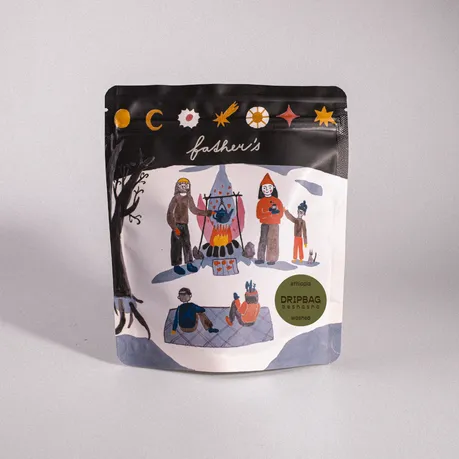

Drip bag – Beshasha, Ethiopia
€8.69
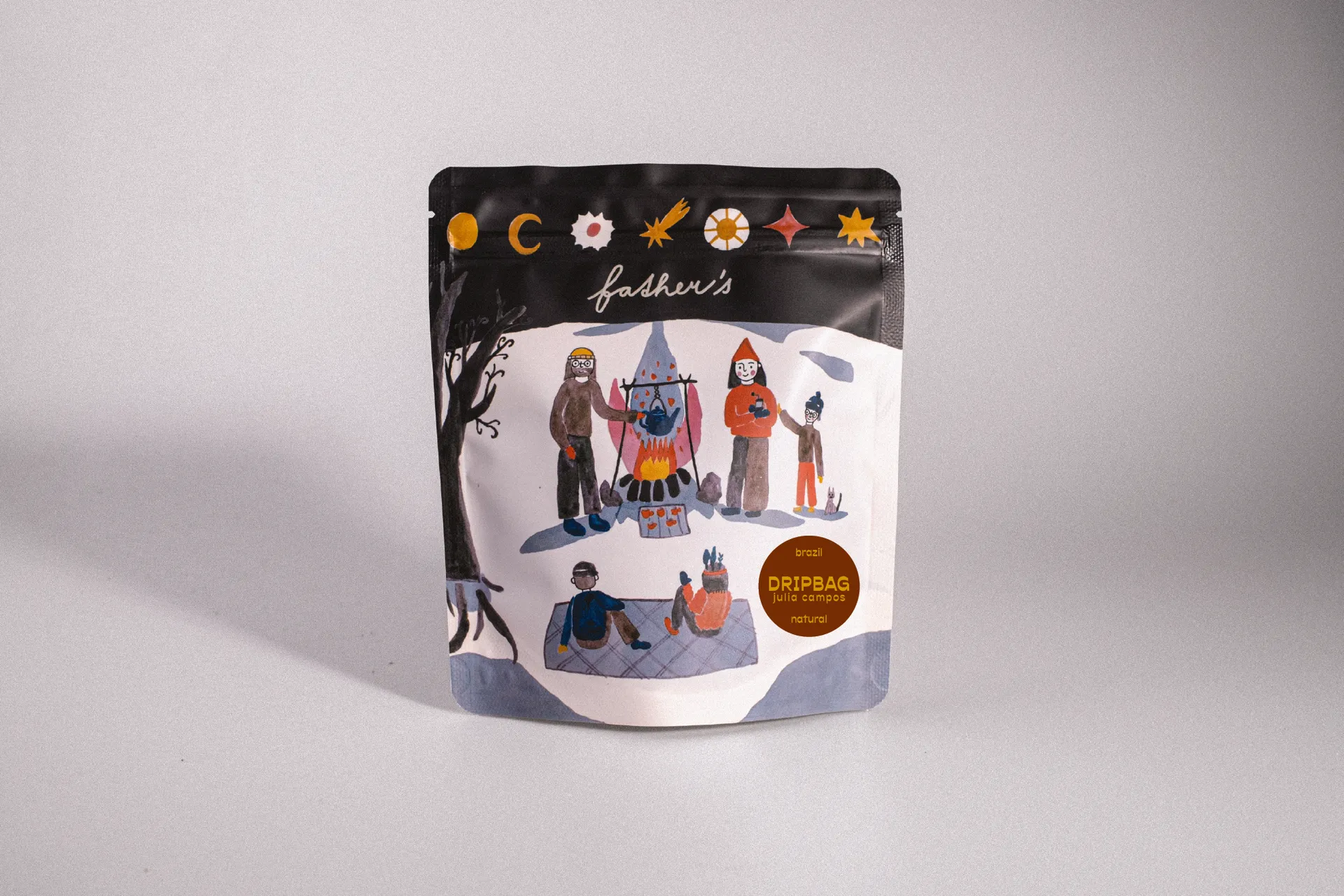
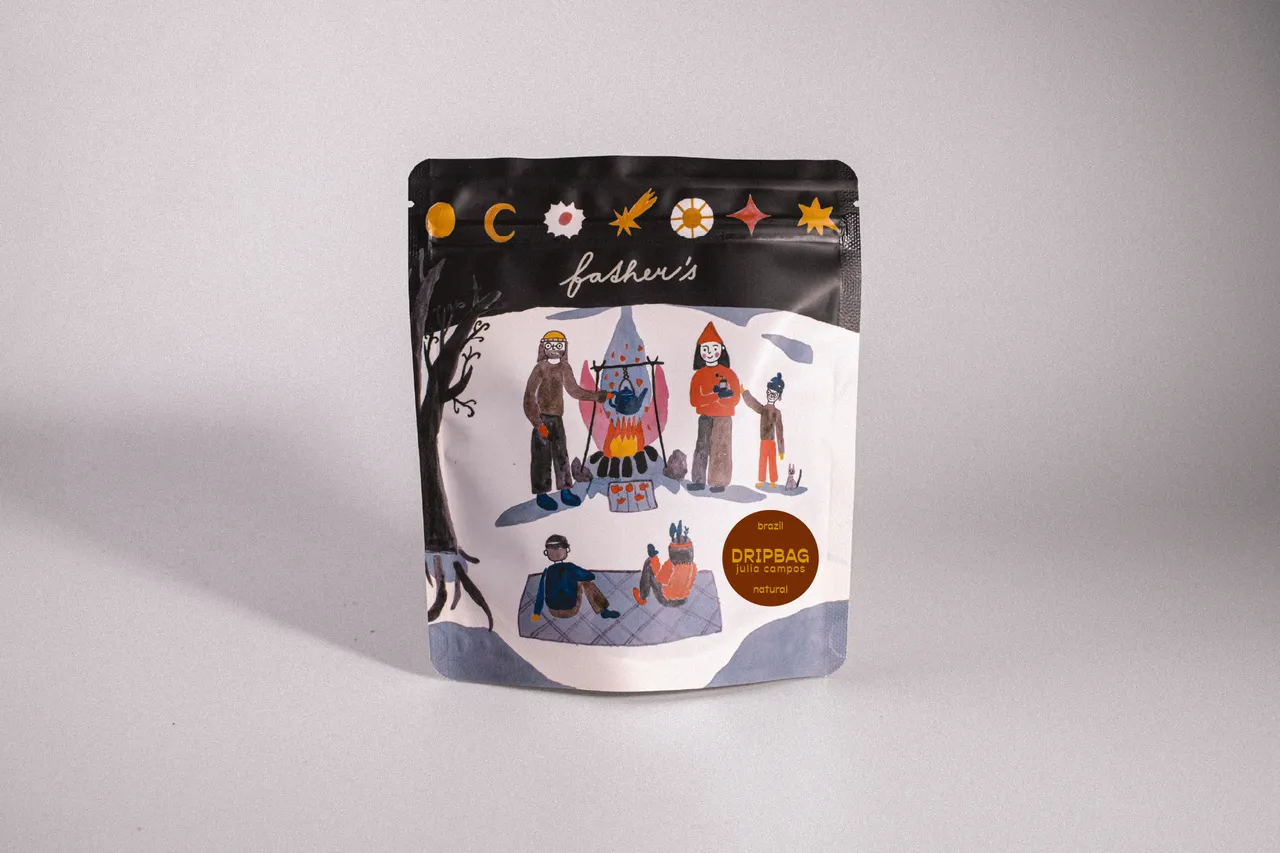
A coffee from the South American slopes of Sítio da Jaja in Brazil, roasted in two versions - both for espresso and filter. A blend of Acaua, Mundo Novo, Paraiso, Yellow Catuai and Icatu varieties processed using the natural method with notes of Baileys, lemon grass and dates.
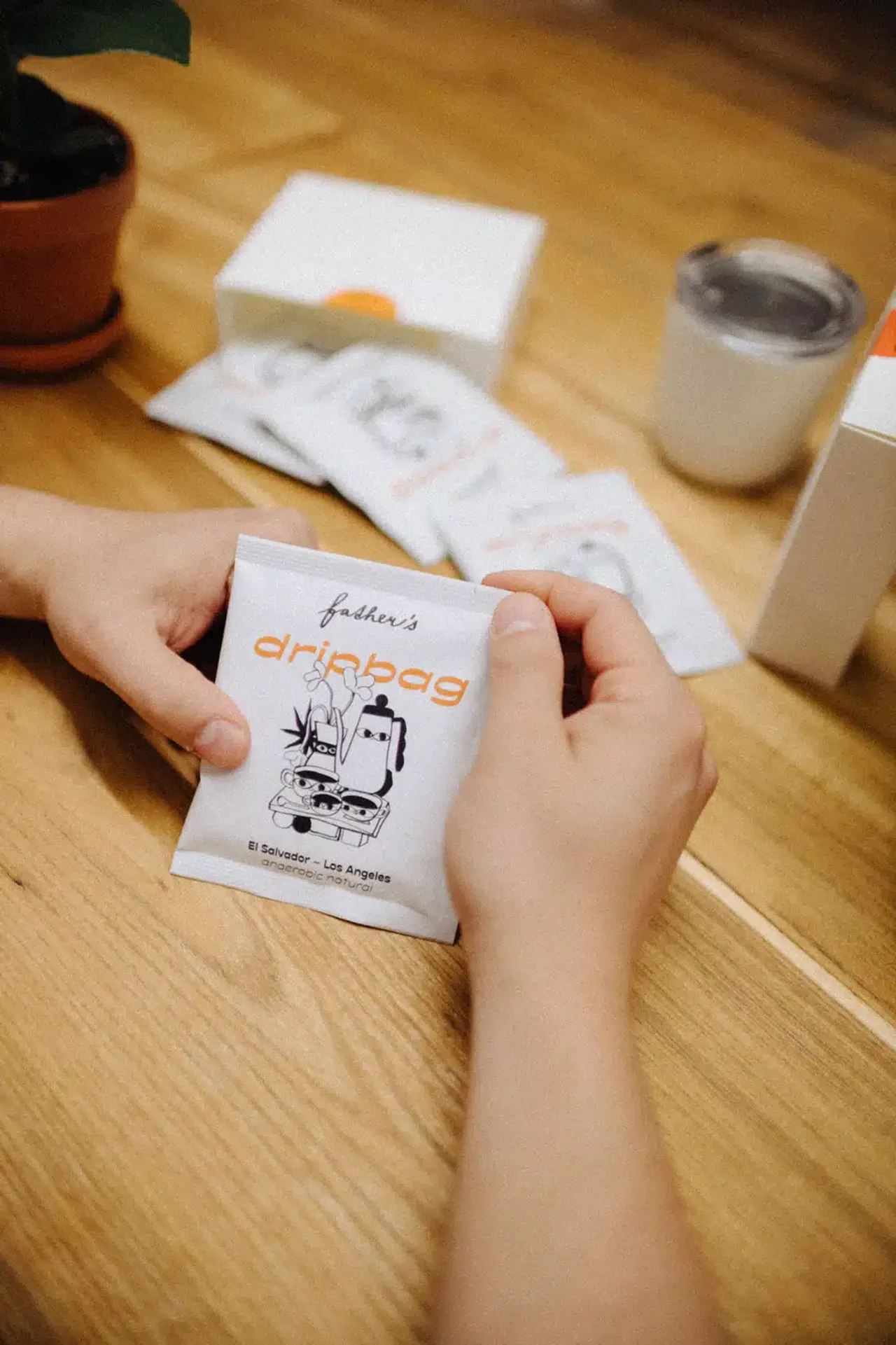

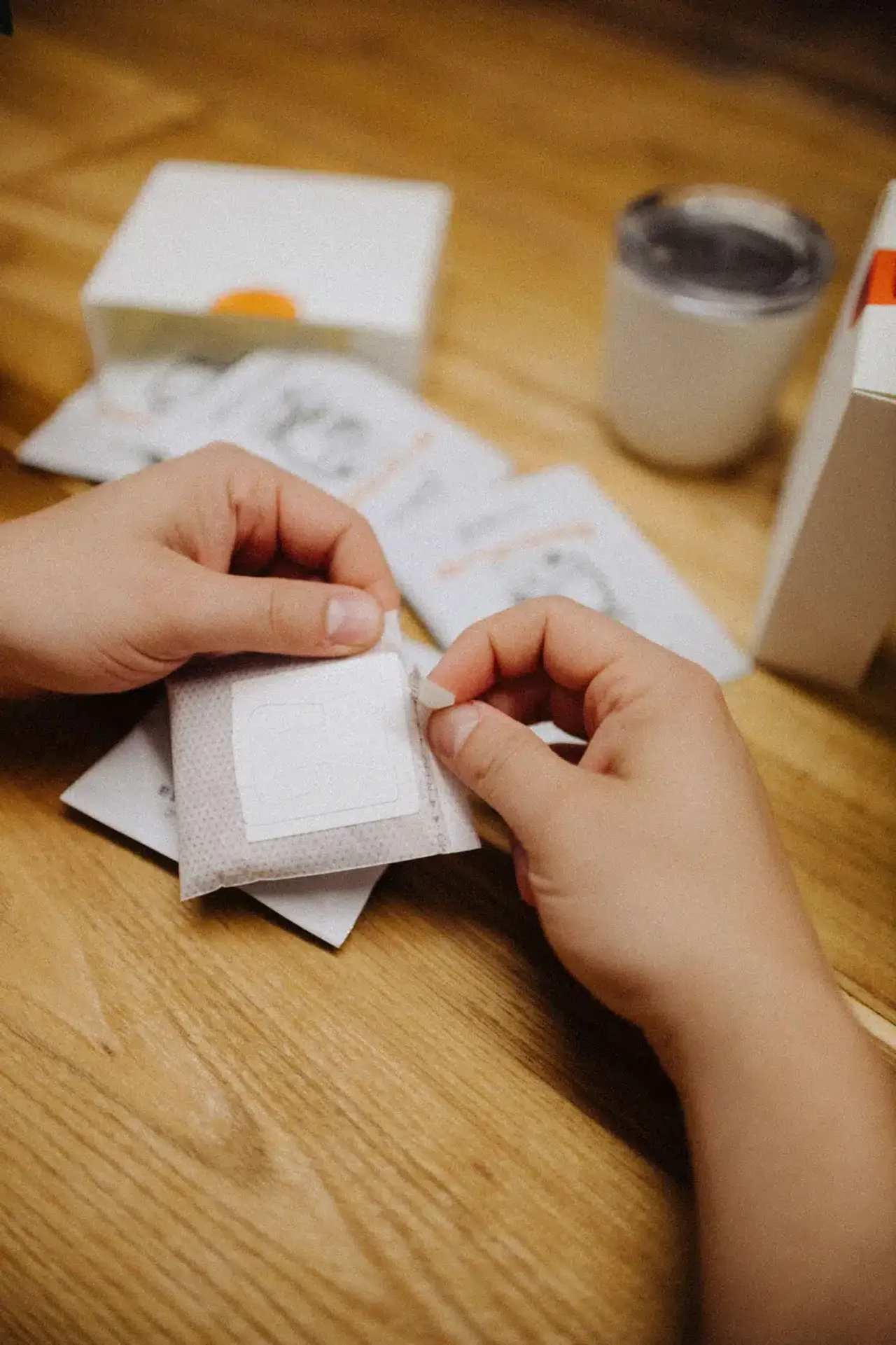
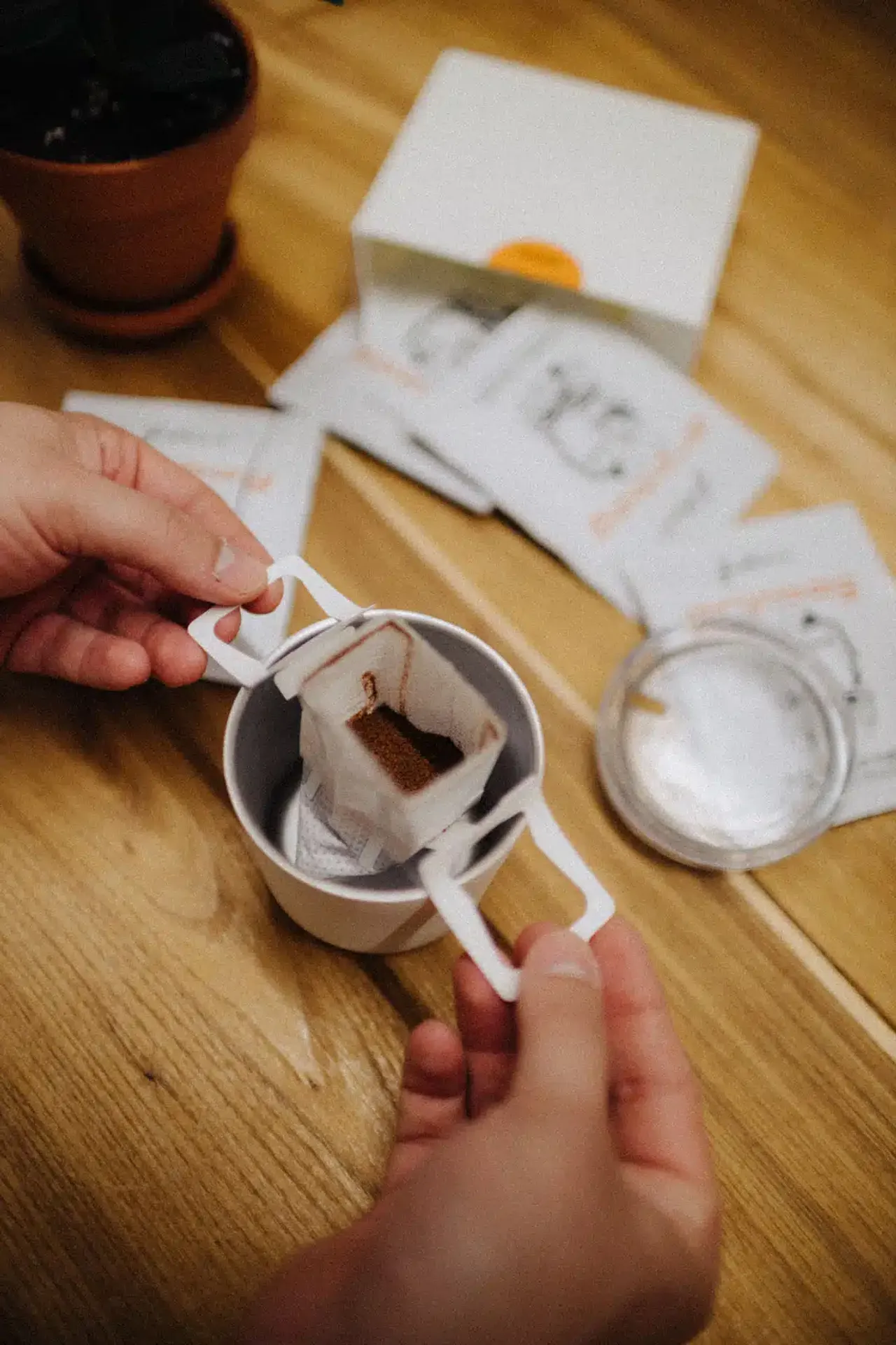
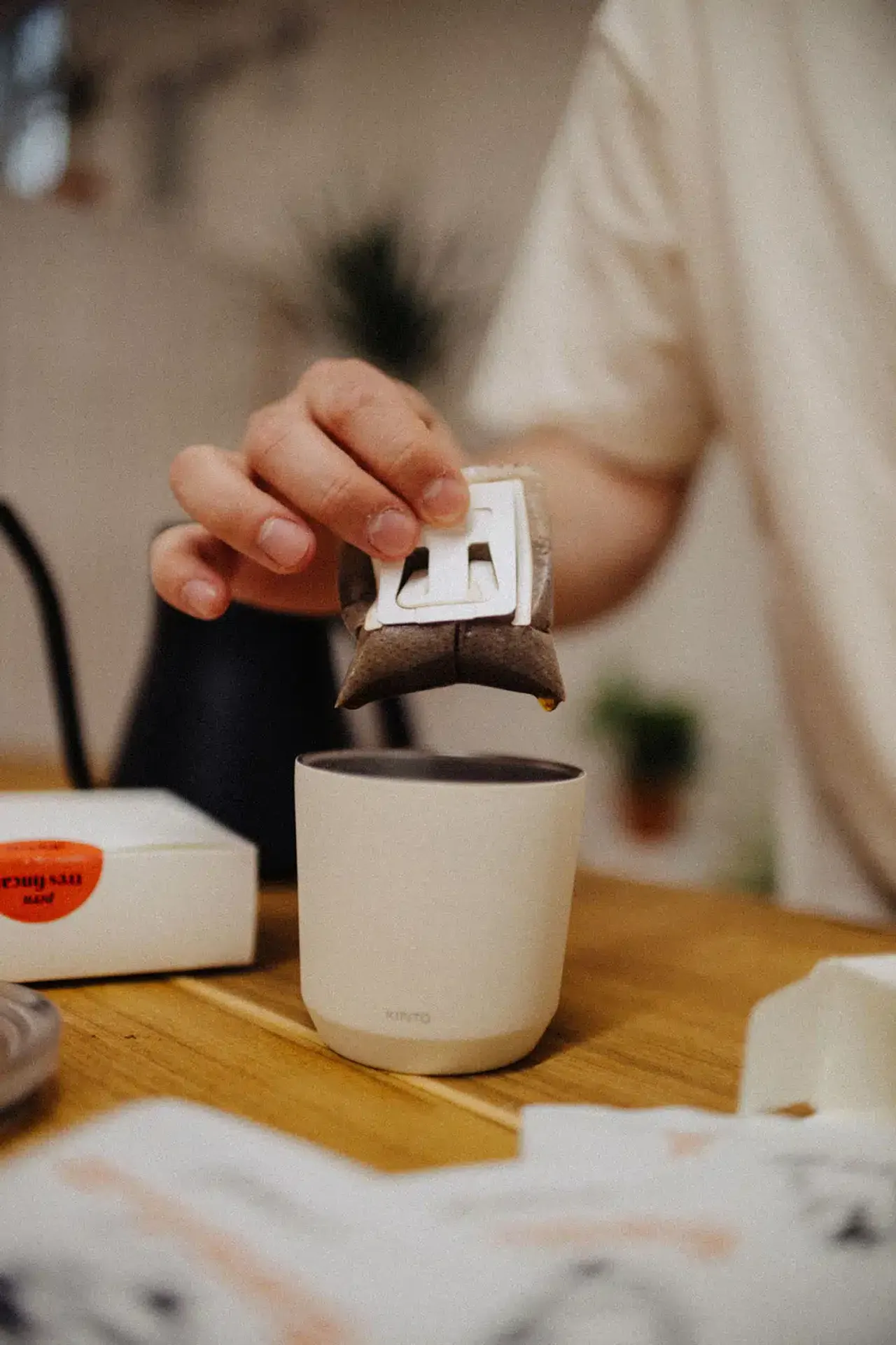
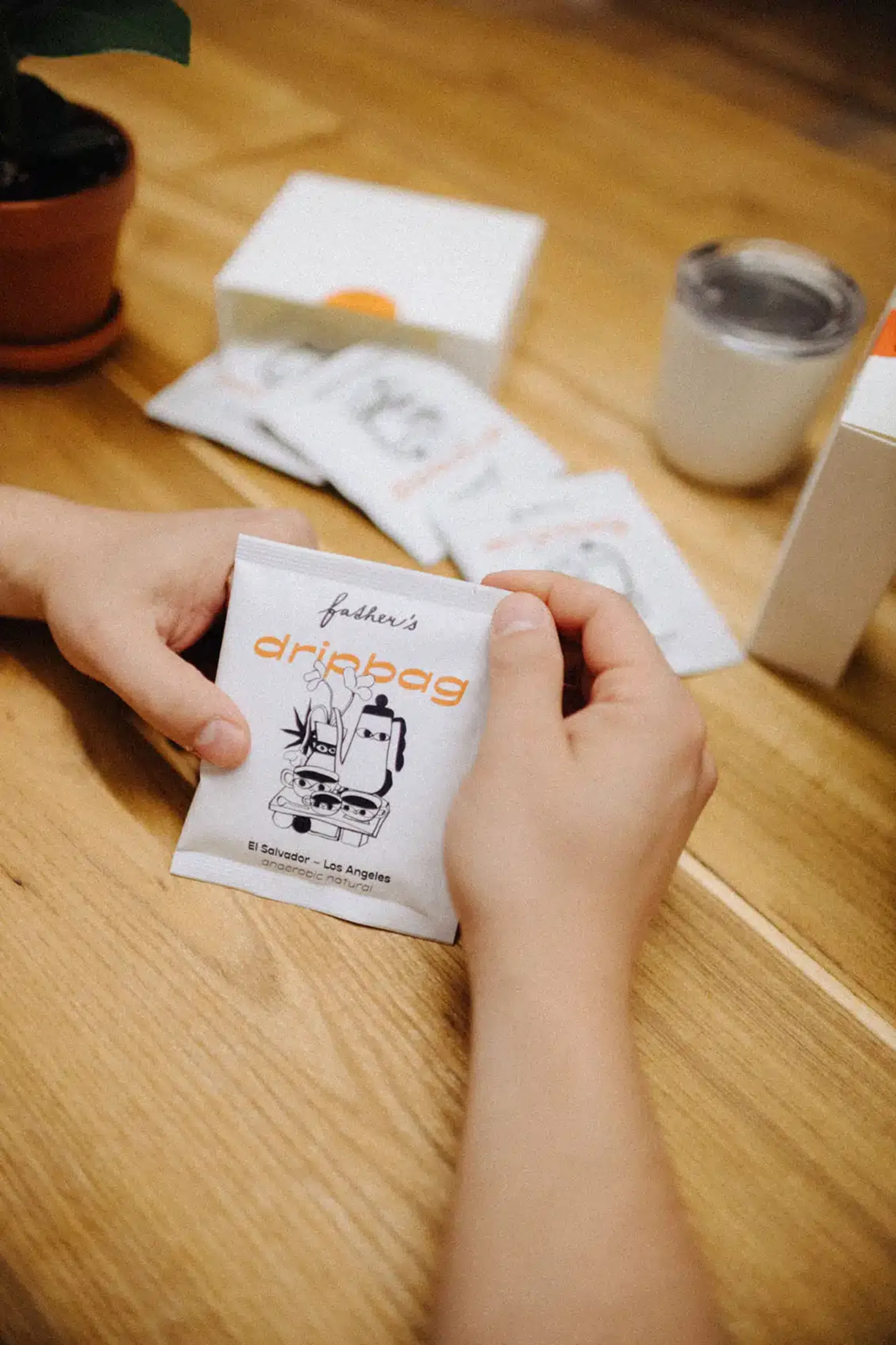
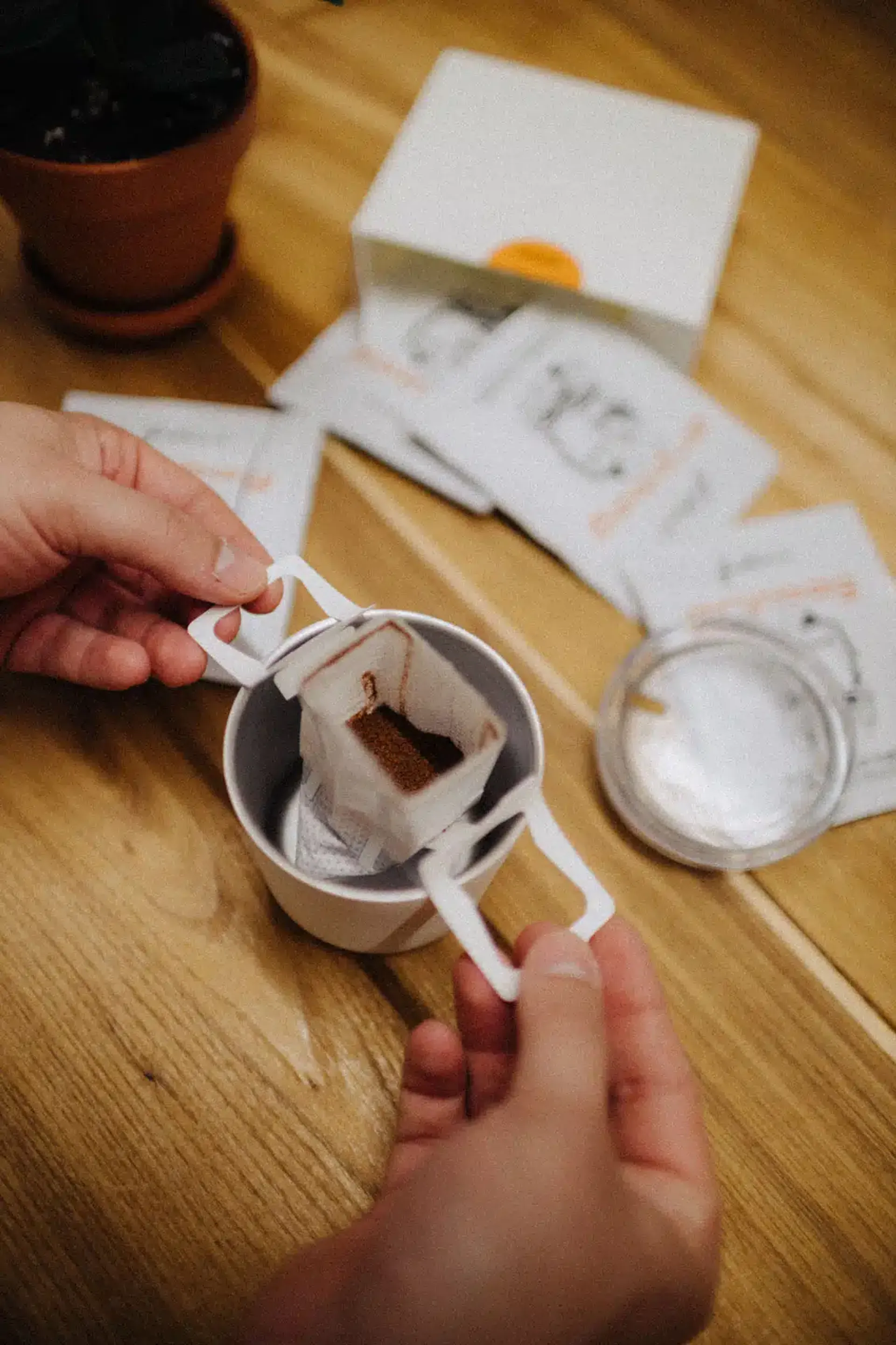
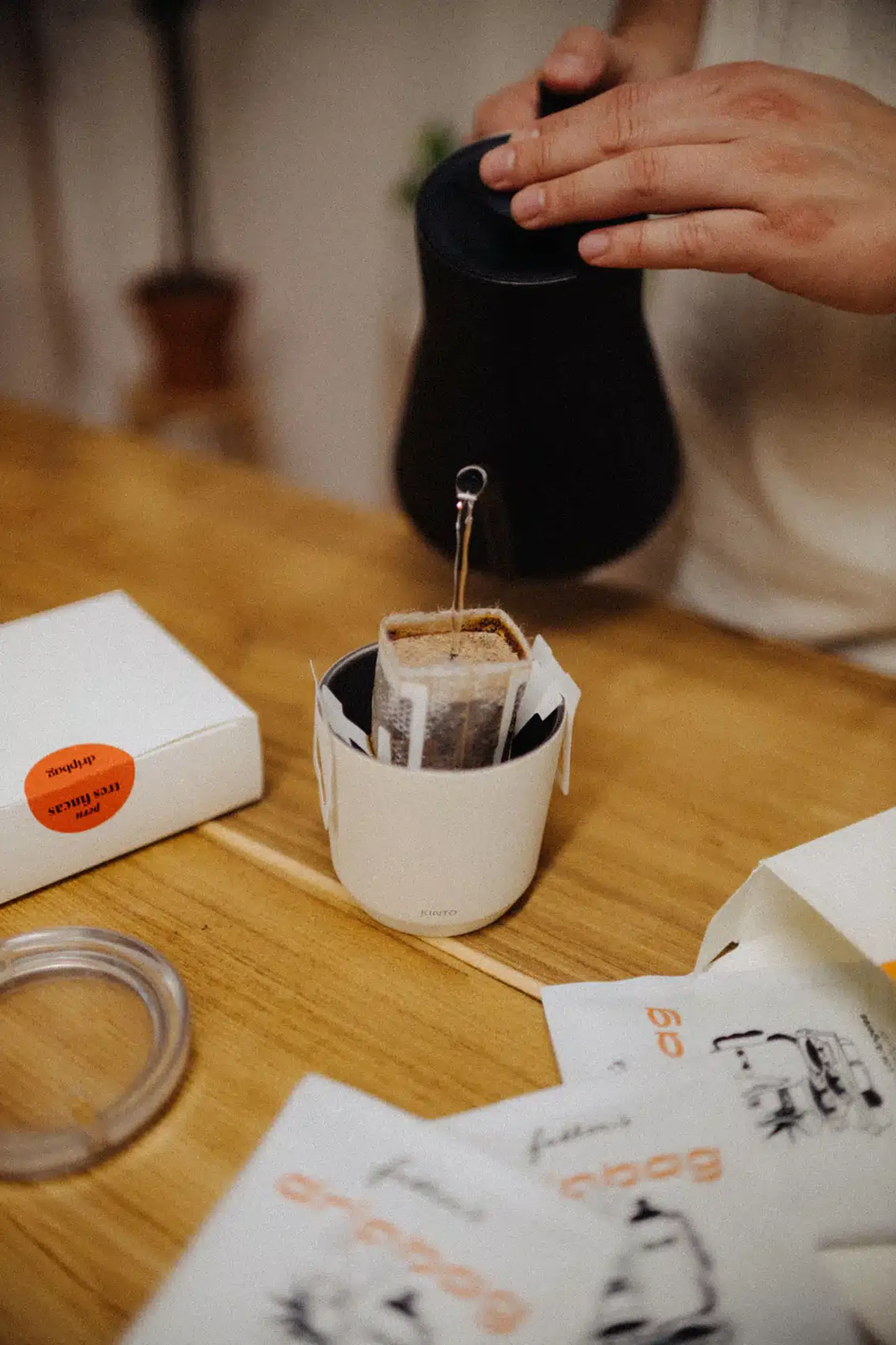
Place the drip bag on a cup or server.
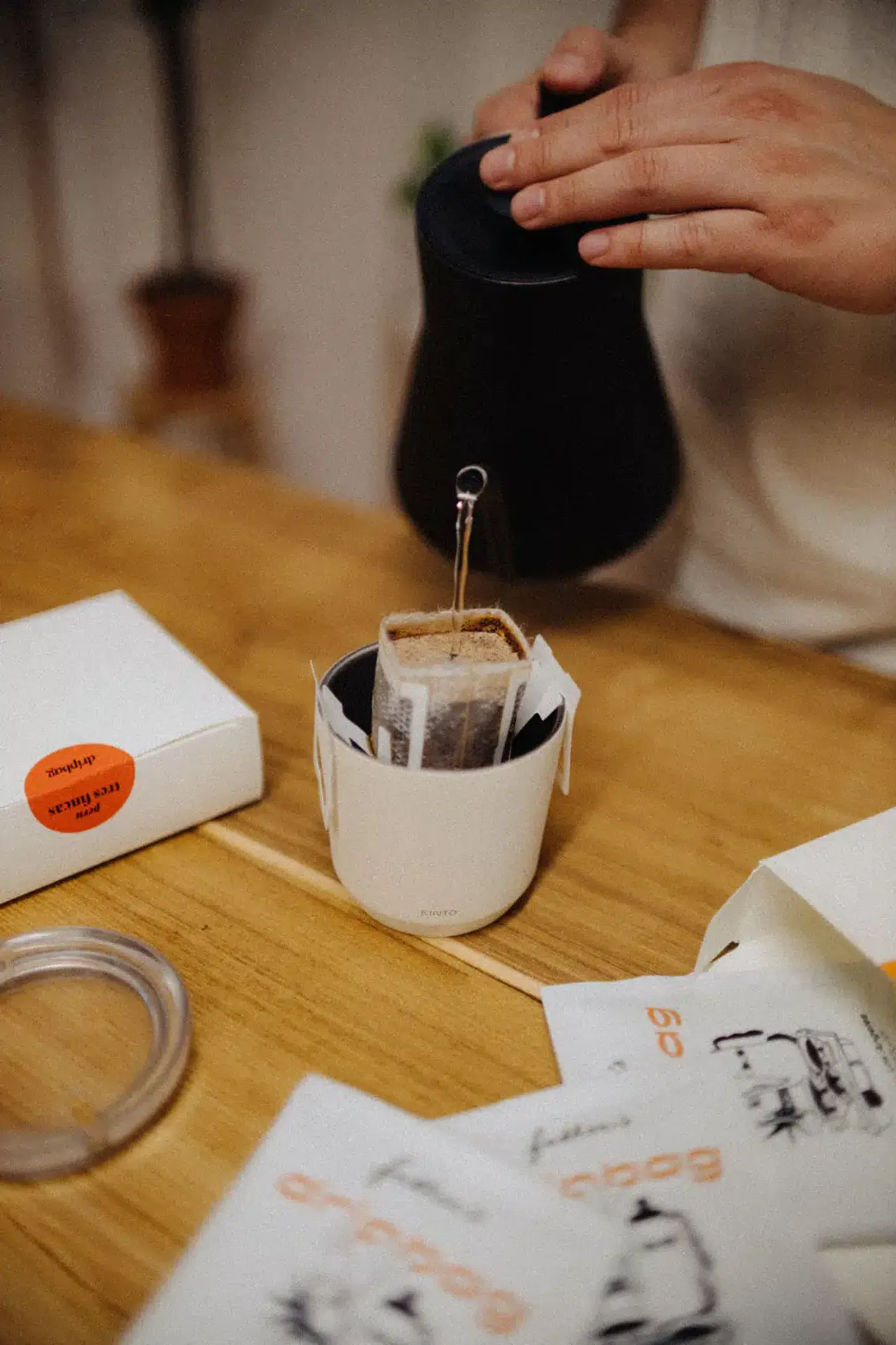
Pour boiling water until the drip bag is half full.
Let the coffee bloom for 20 seconds.
Slowly fill the drip bag to the top with boiling water.
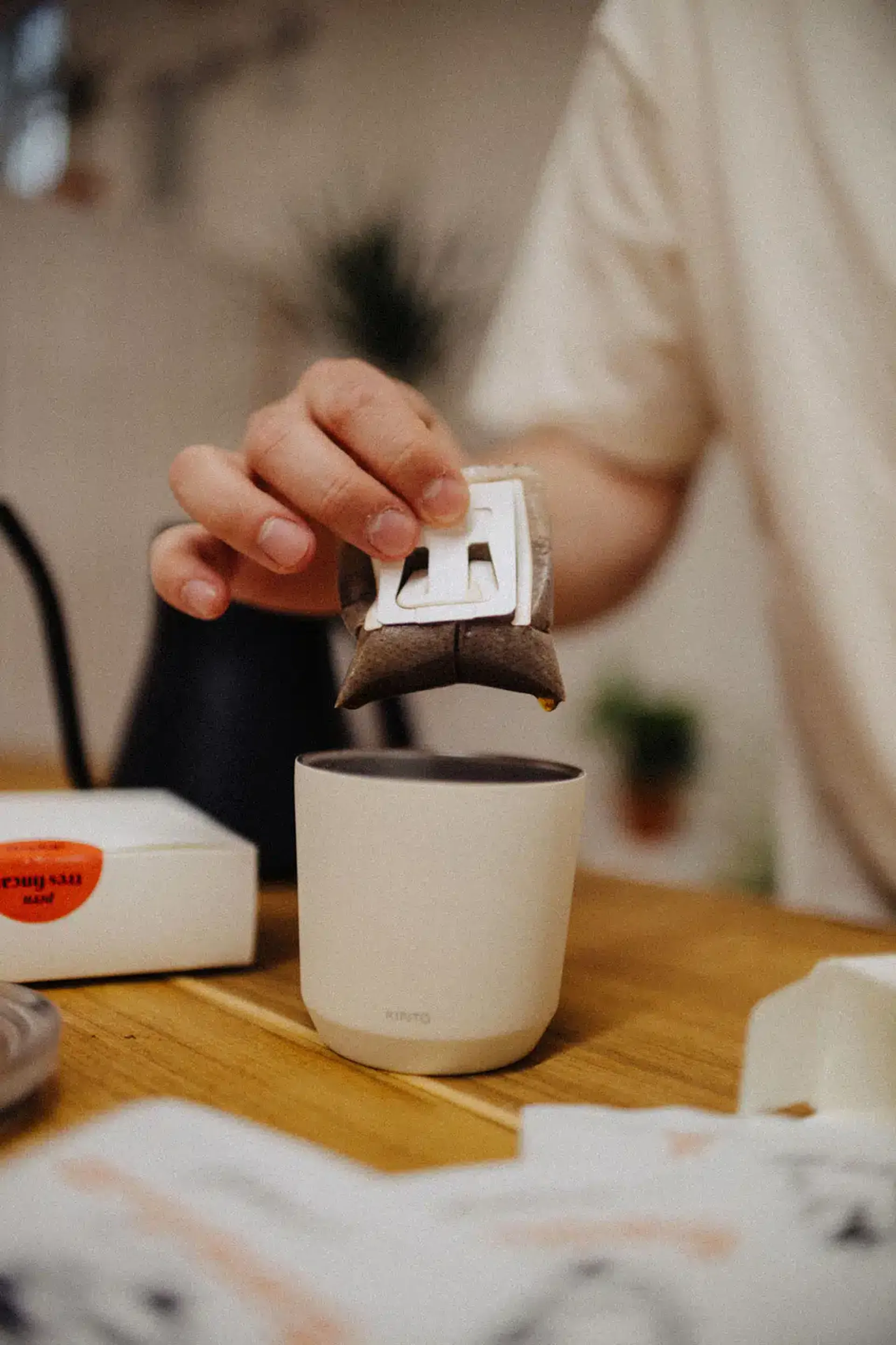
Wait until it almost drains.
Refill the drip bag to the top with boiling water.
Wait until the drip bag is completely drained.
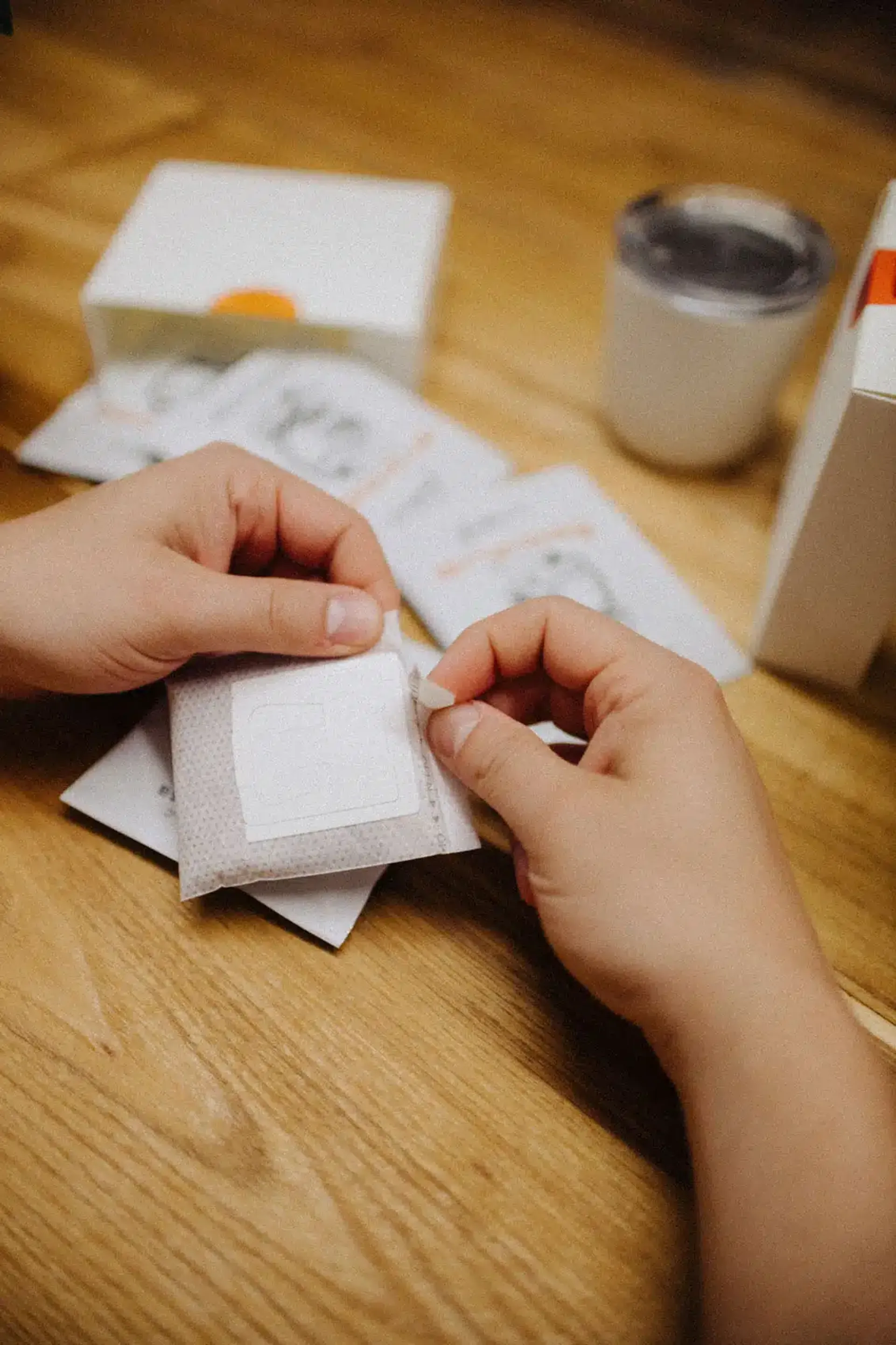
Tear open drip bag at the top.
Enjoy your coffee!
Sítio da Jaja is located in the South of Minas region and covers a total area of 45 hectares, with coffee trees planted on 30 hectares. The farm was purchased in 2015 by successful entrepreneur Jaceline Silva Campo (known as Jaja) together with her husband.
Jaja is the sister of the well-known singer Milton Nascimento, nicknamed Bituca, with whom she often ran between coffee trees on their uncle’s farm as a child. Today, she tends her own farm with great joy, and together they focus on continuous quality improvement. They regularly train their employees and share knowledge to achieve the best possible results when preparing individual coffee lots.
In terms of sustainability, the farm acts very responsibly towards the surrounding landscape. It uses integrated pest management, biological control, combined farming systems and organic-mineral fertilisers.
A significant part of the land is a protected area, safely exceeding the minimum required by law. The farm’s daily operations also include a detailed plan for protecting water springs and local wildlife. Electronic verification confirms that there is no risk of deforestation on the farm’s land and that its operations fully comply with Brazilian laws and the European EUDR regulation, including strict oversight of human rights and the prohibition of forced labour.