EspressoNew
Brazil -Minas
€12.25
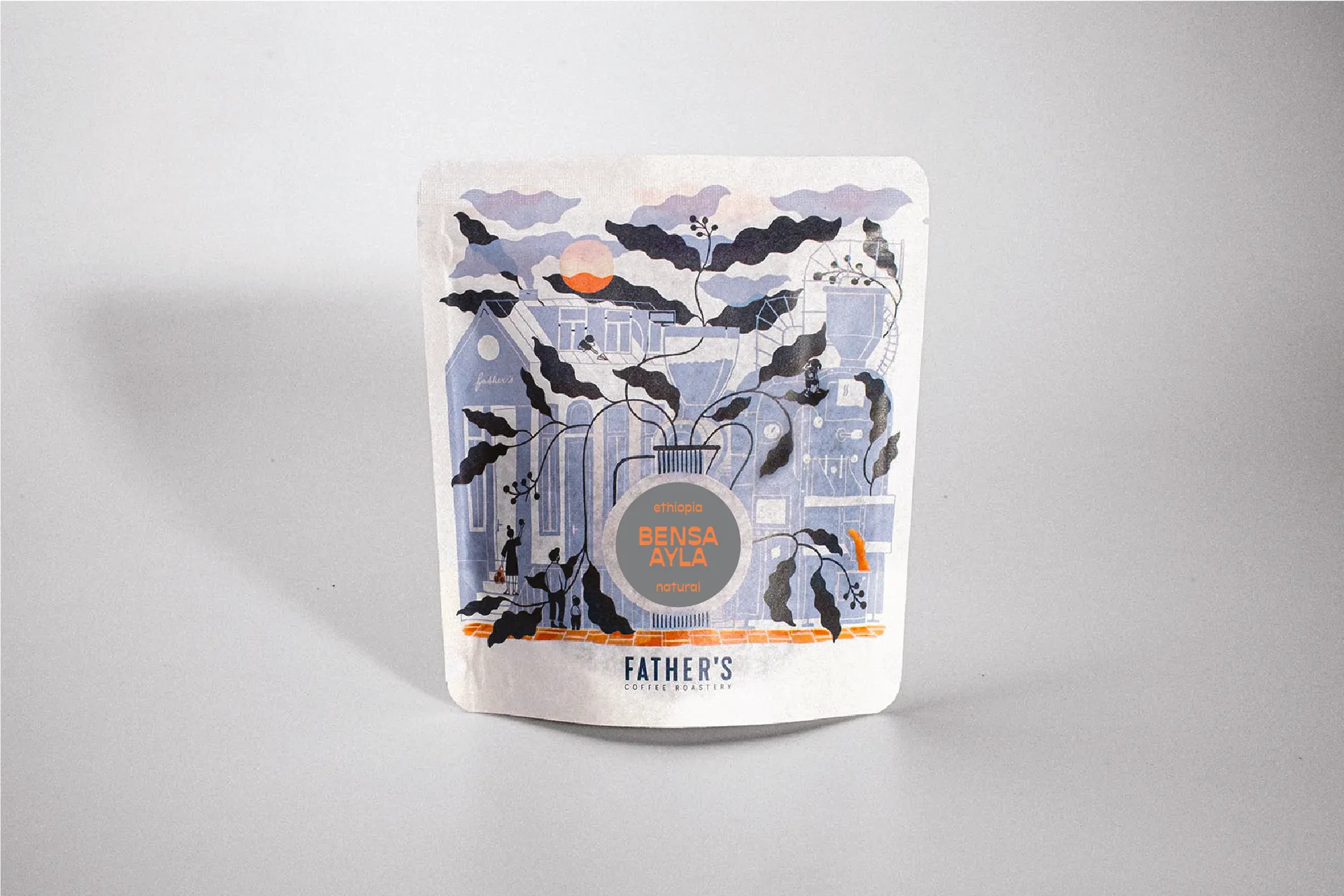
We love Ethiopian coffees for their distinctive character, and Bensa Ayla is a beautiful example of why we keep coming back to them. It comes from the Bombe area in the Bensa district, where approximately 725 smallholder farmers deliver cherries for processing. We roast it both for filter and as an espresso version, and in its profile you will find notes of blackcurrant, white chocolate and pansies.
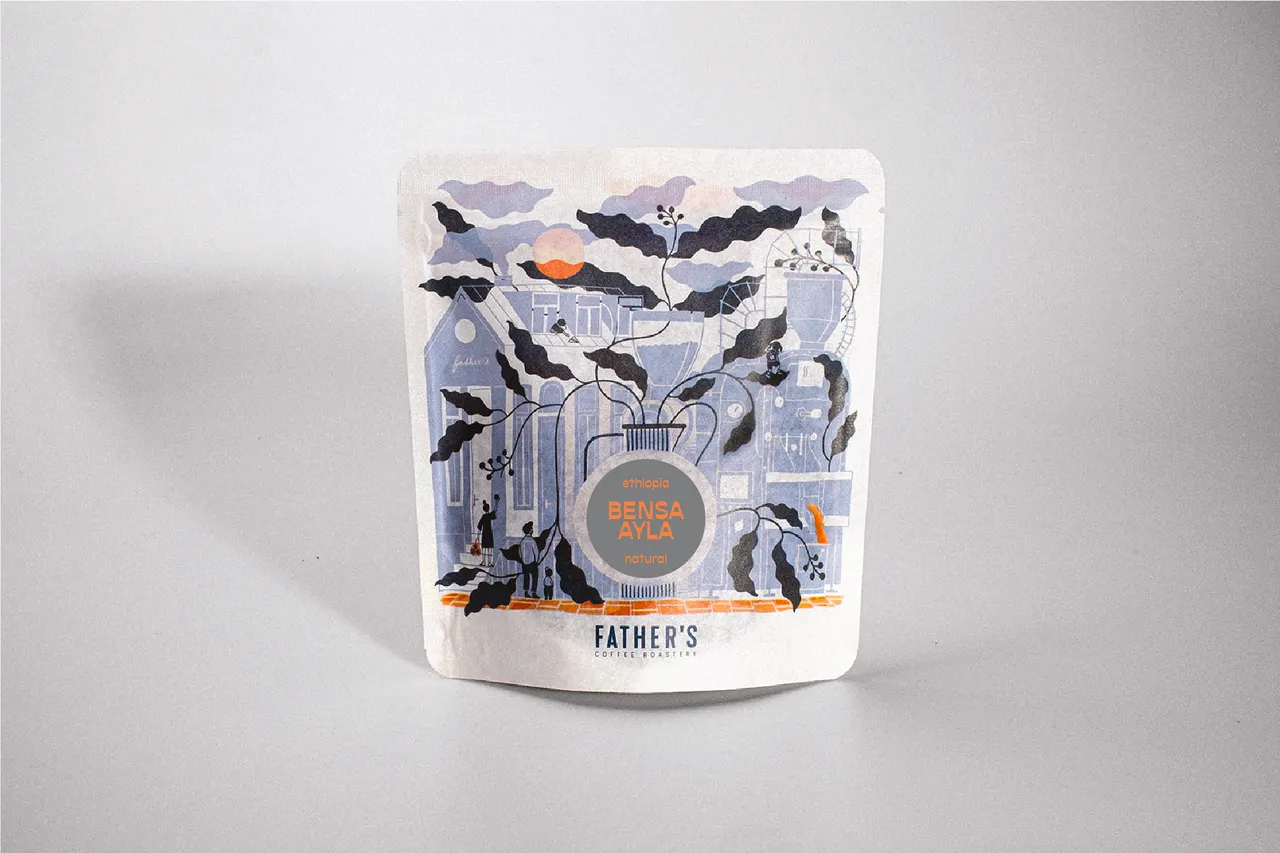
We roast this coffee for espresso. It suits both lever and automatic machines, as well as home brewing.
Want it for filter? We also roast a filter version. You'll find it here: Ethiopia - Bensa Ayla
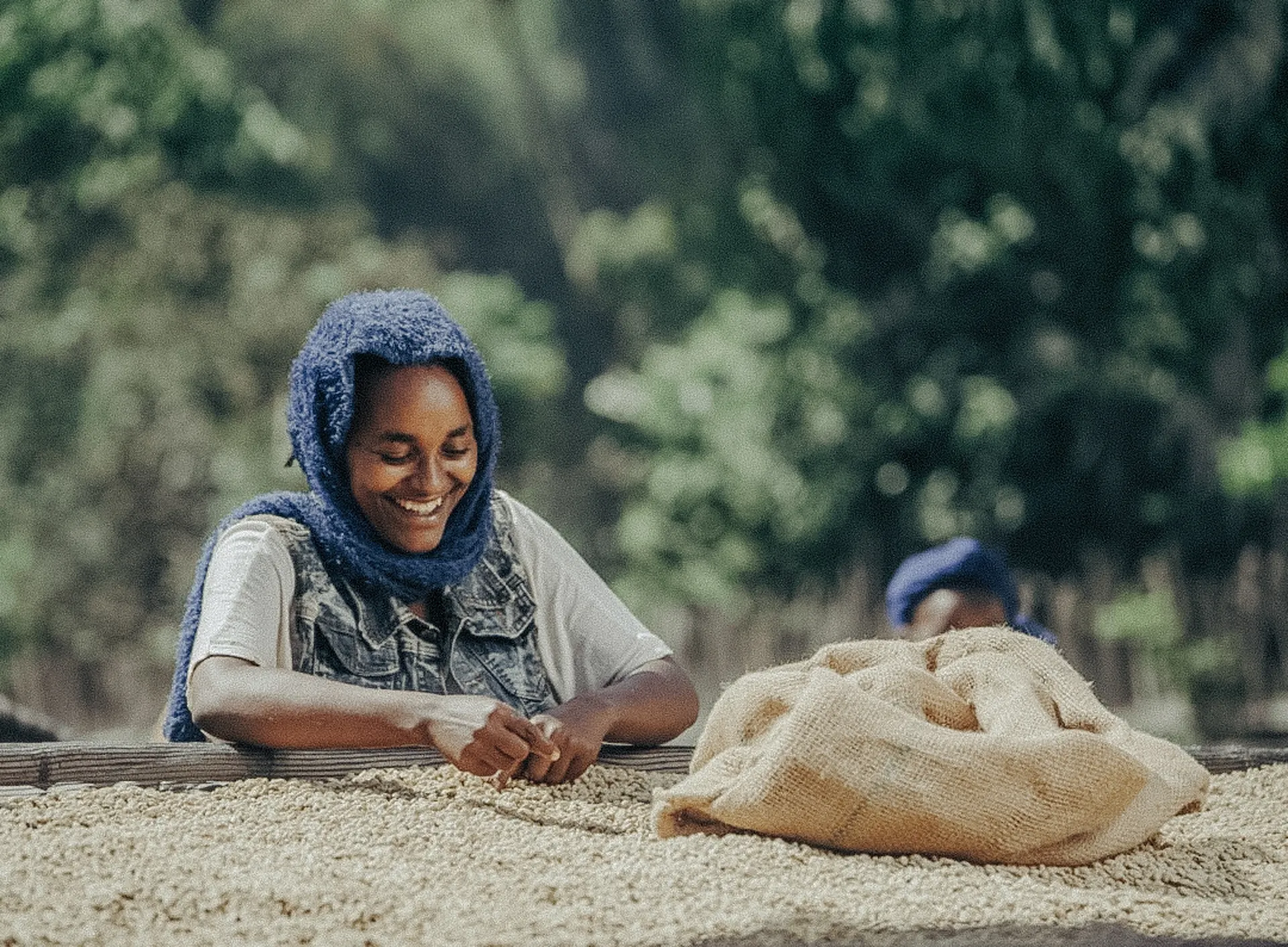
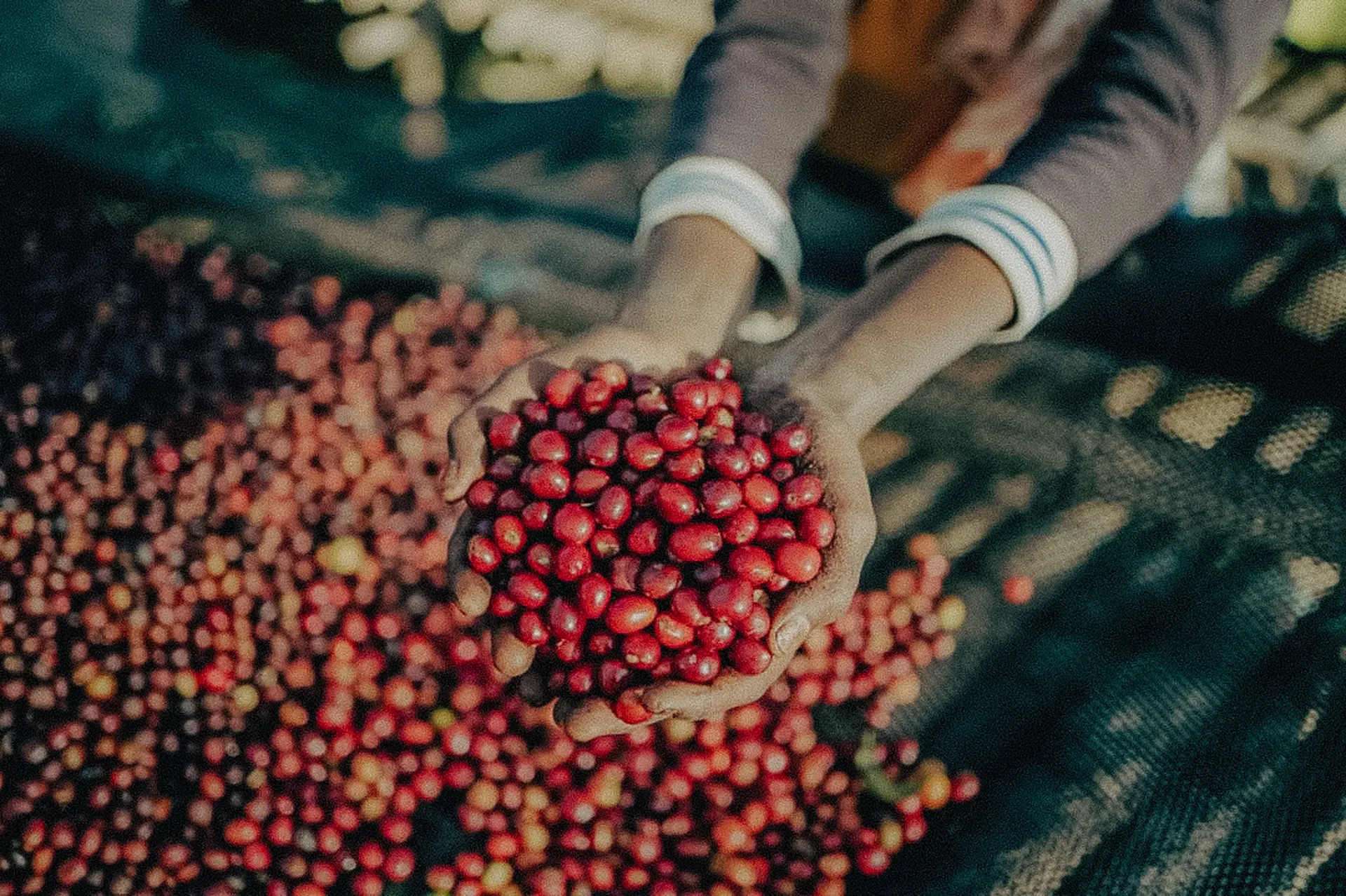
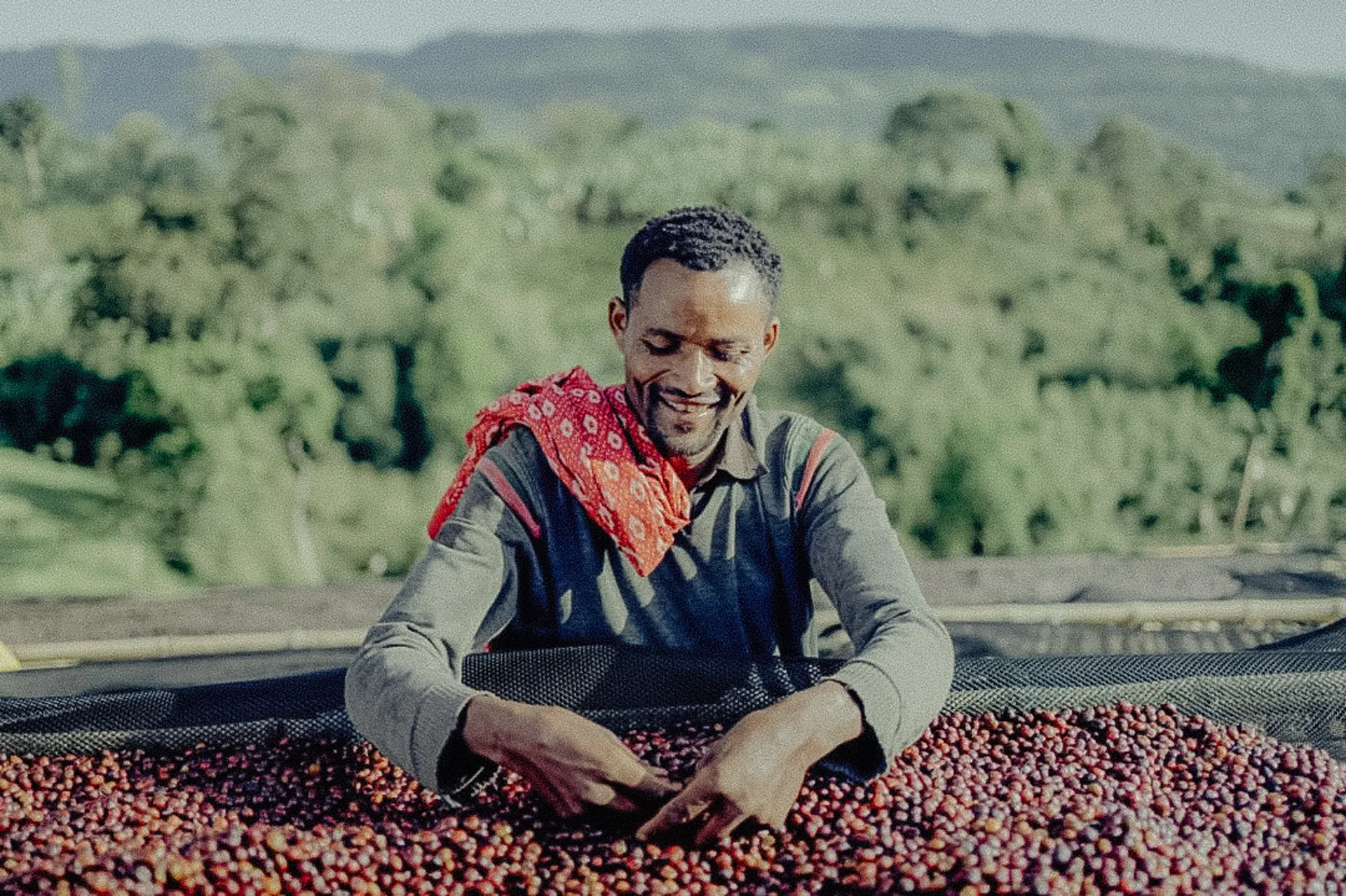
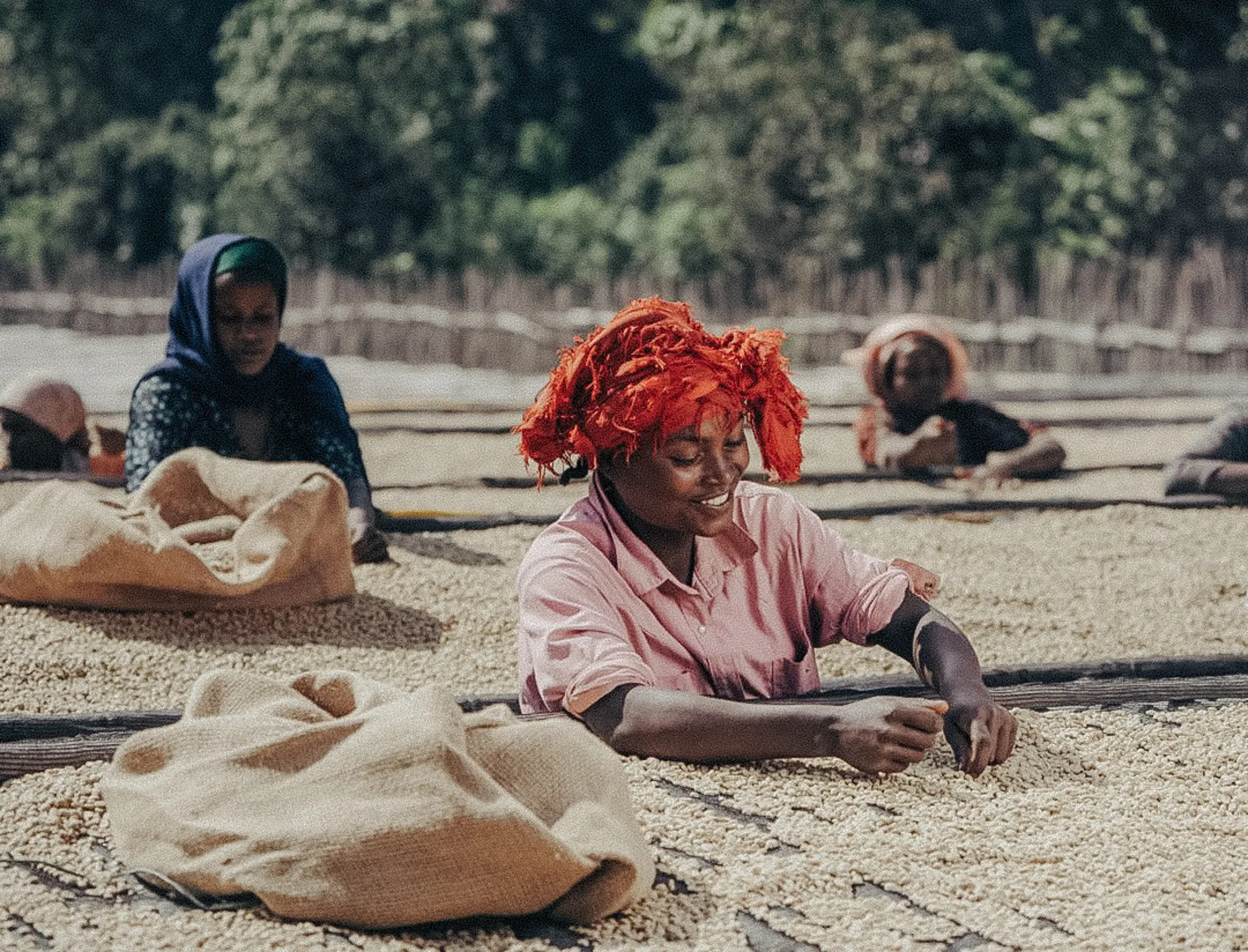
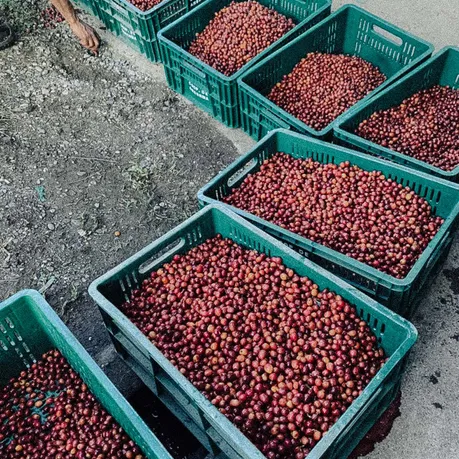
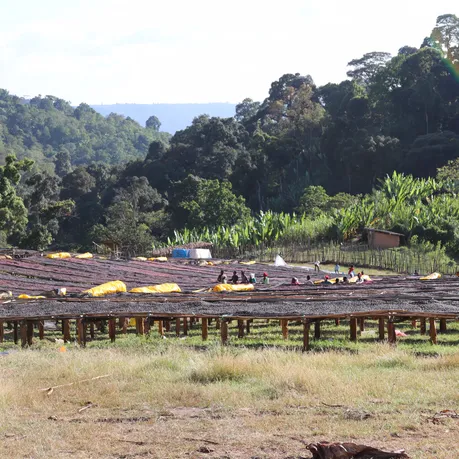
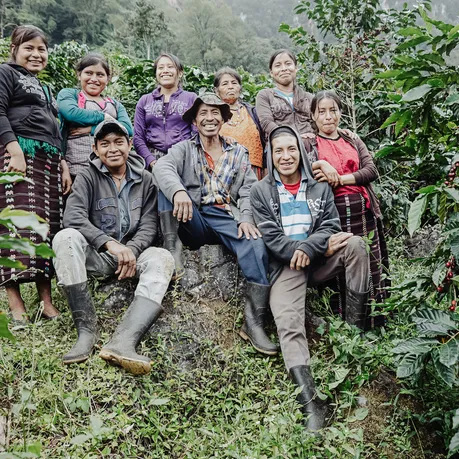
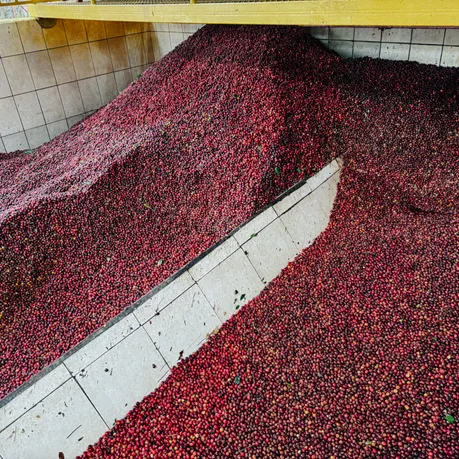
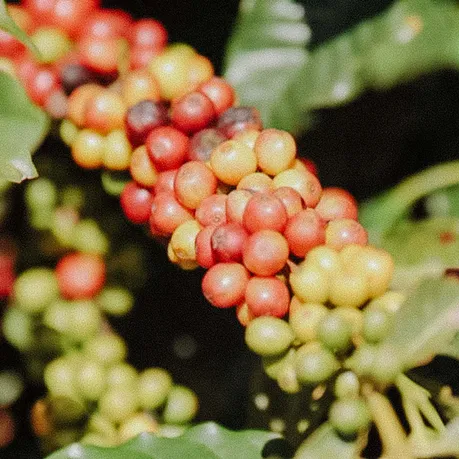
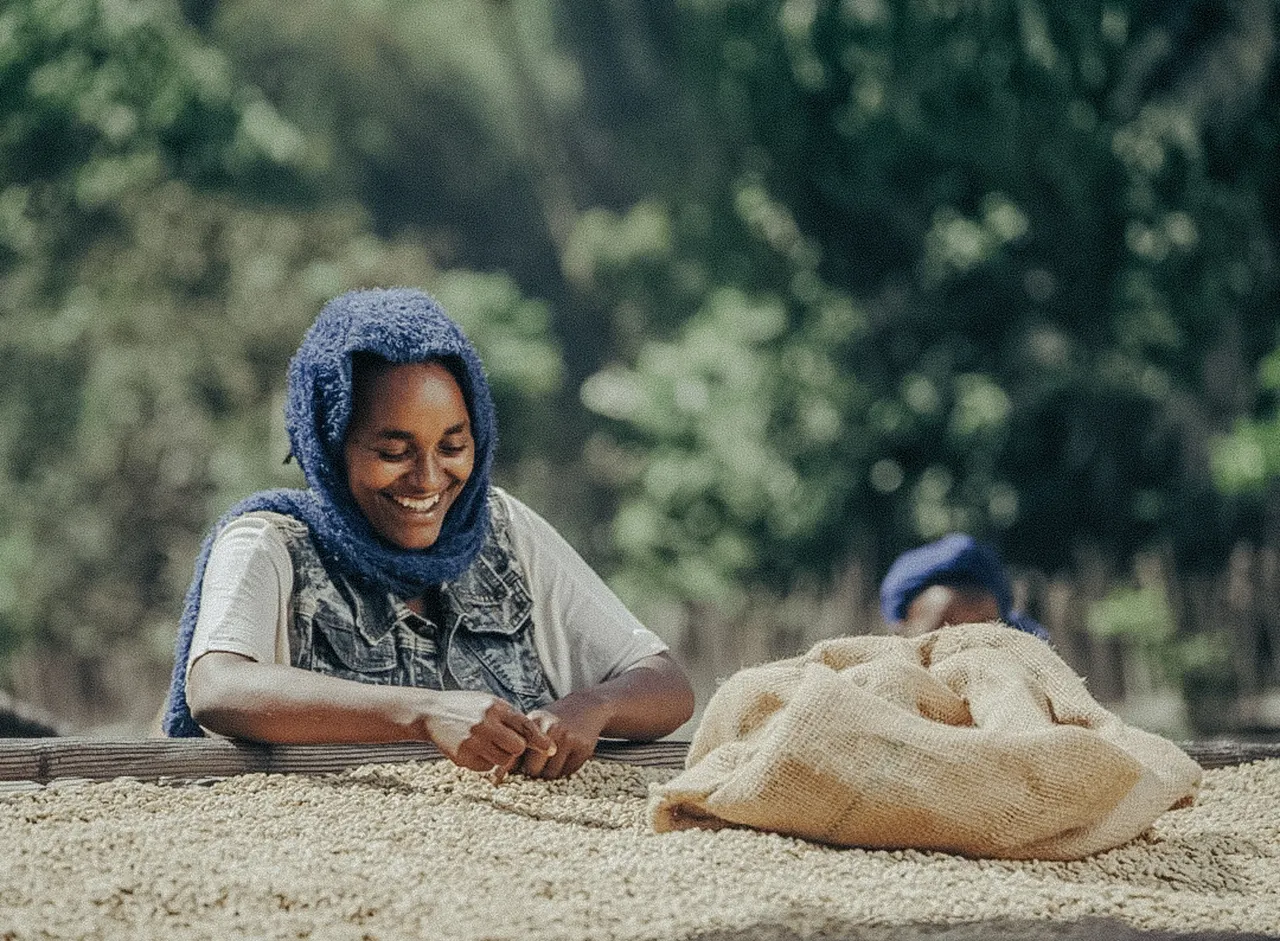
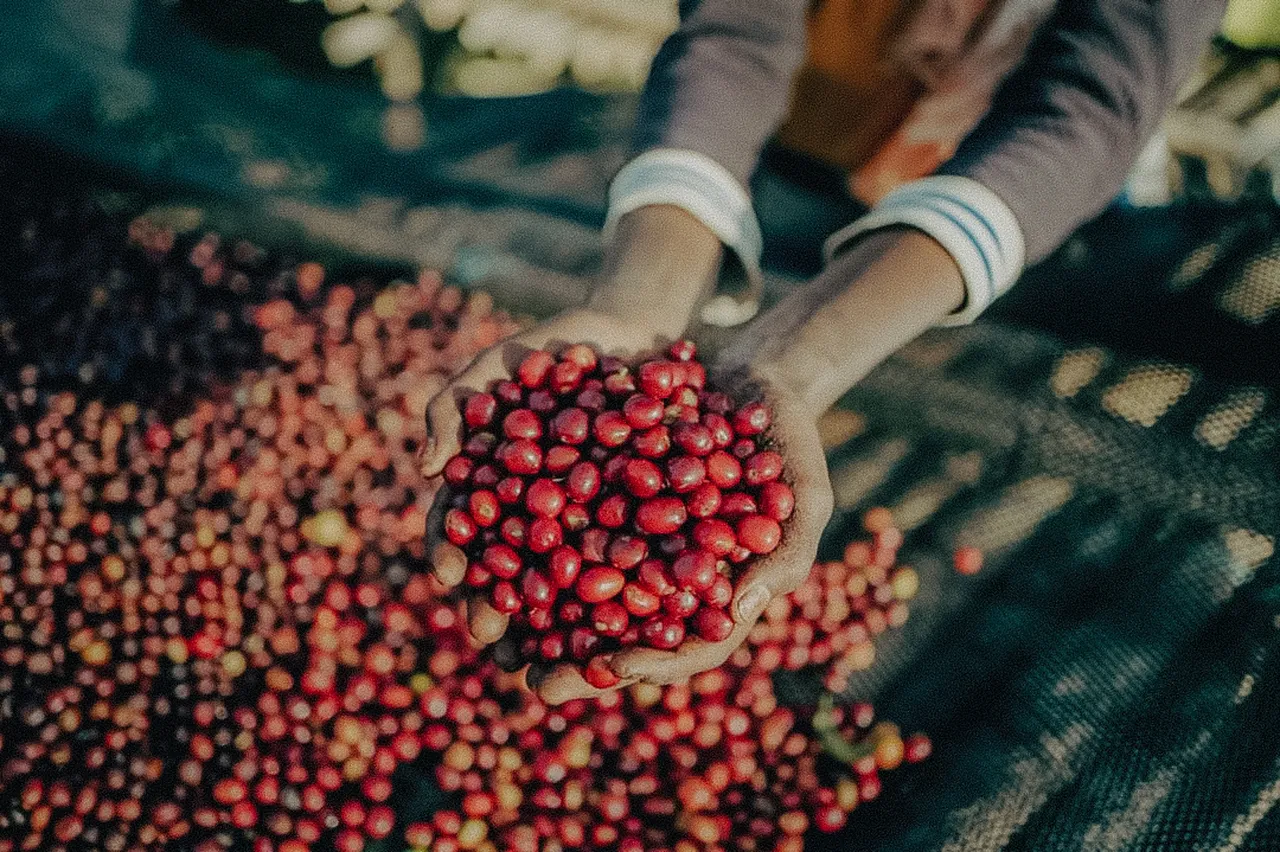
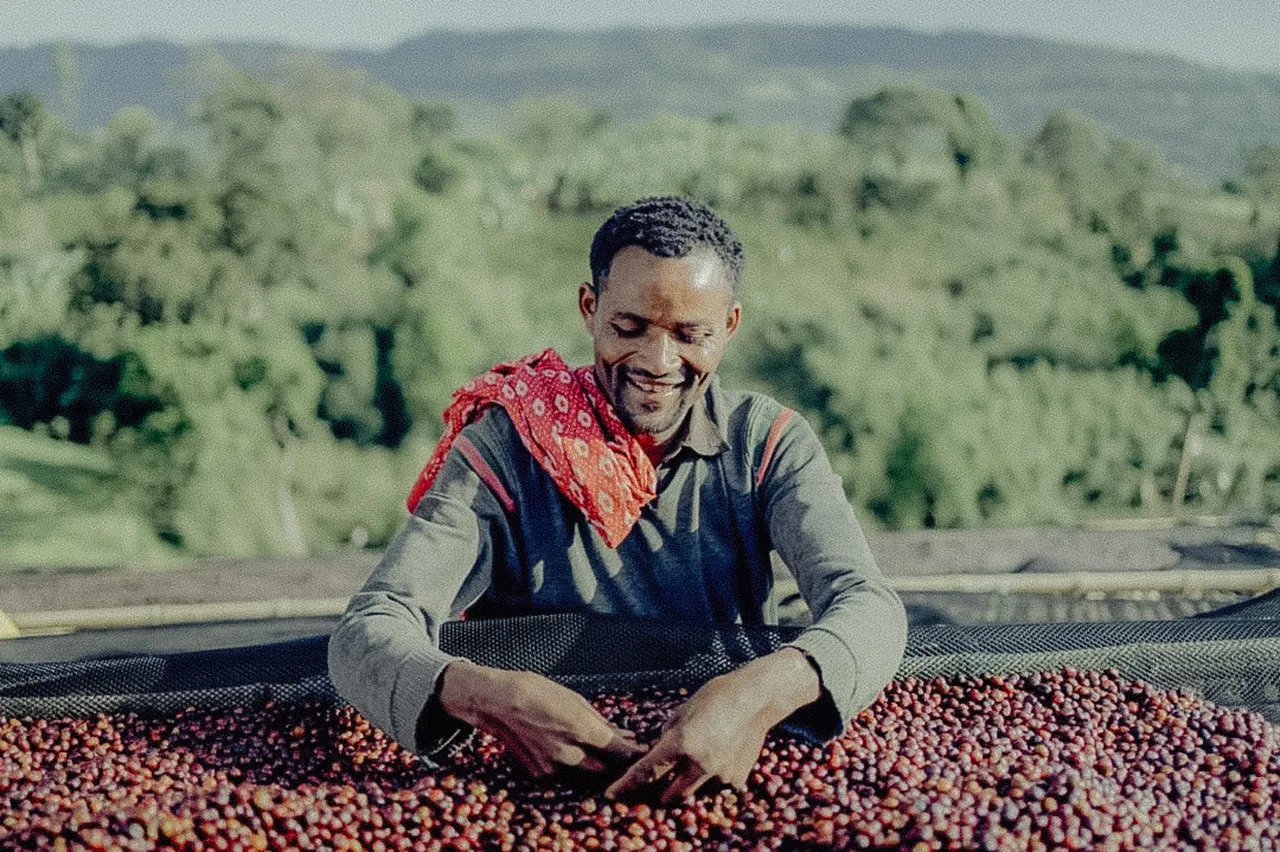
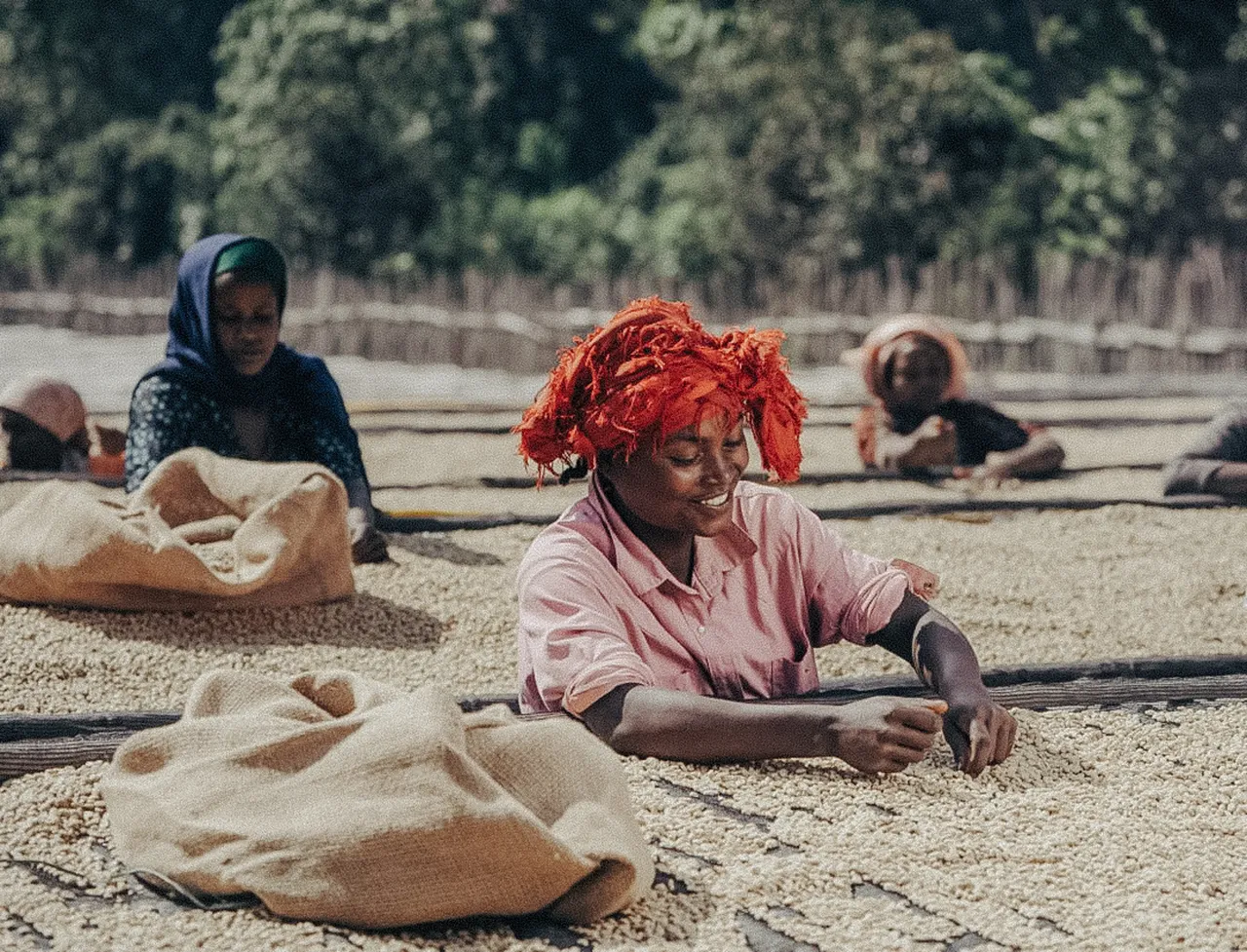
This natural coffee comes from the Ayla processing station, which sits in the Bombe area, in the Bensa district of the Sidama region in southern Ethiopia. Smallholder farmers from the surrounding Shentawane area, around 725 of them, deliver their cherry here, from farms sitting between 1,950 and 2,150 metres and planted mainly to the 74110 and 74158 varieties.
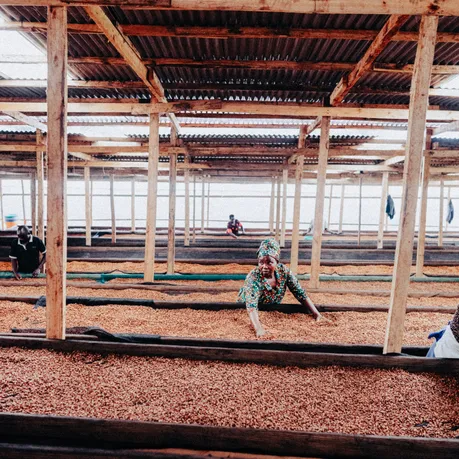
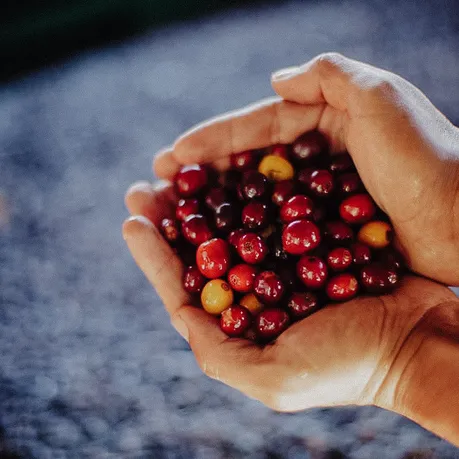
The whole cherry stays around the bean for the entire drying period, giving it time to slowly pass on its sweetness and fruitiness, which is why naturally processed coffee tends to taste bolder and fruitier in the cup.
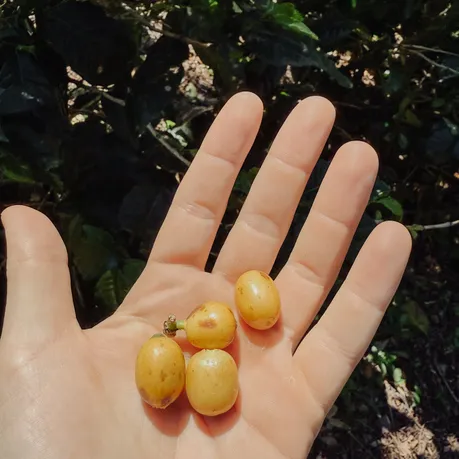
74110 and 74158 are Ethiopian varieties selected by the Jimma Agricultural Research Centre (JARC) in the 1970s. They were selected from local coffee trees with an emphasis on resilience, yield and cup quality.