FilterNew


Uganda - Namugowa
€16.34
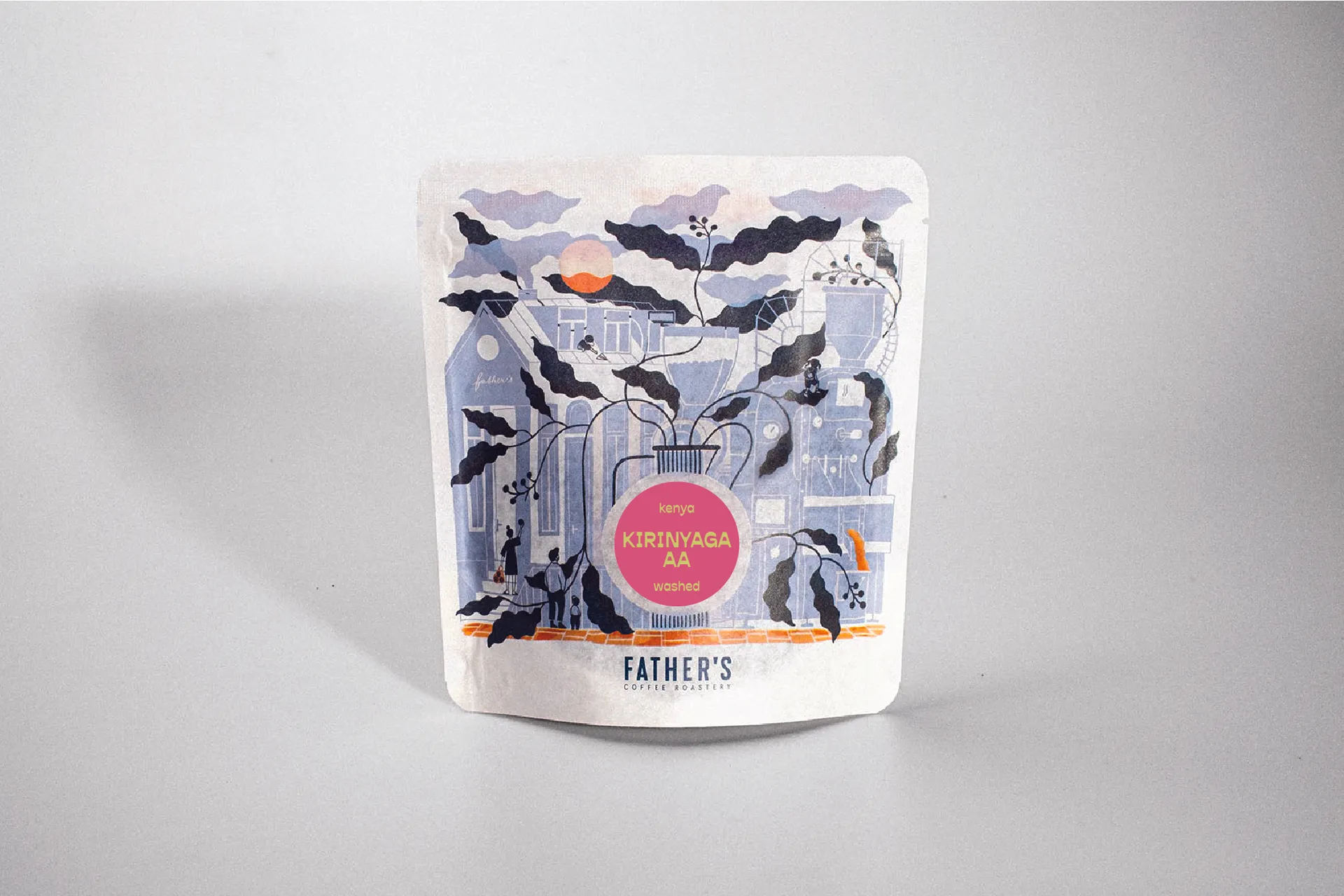
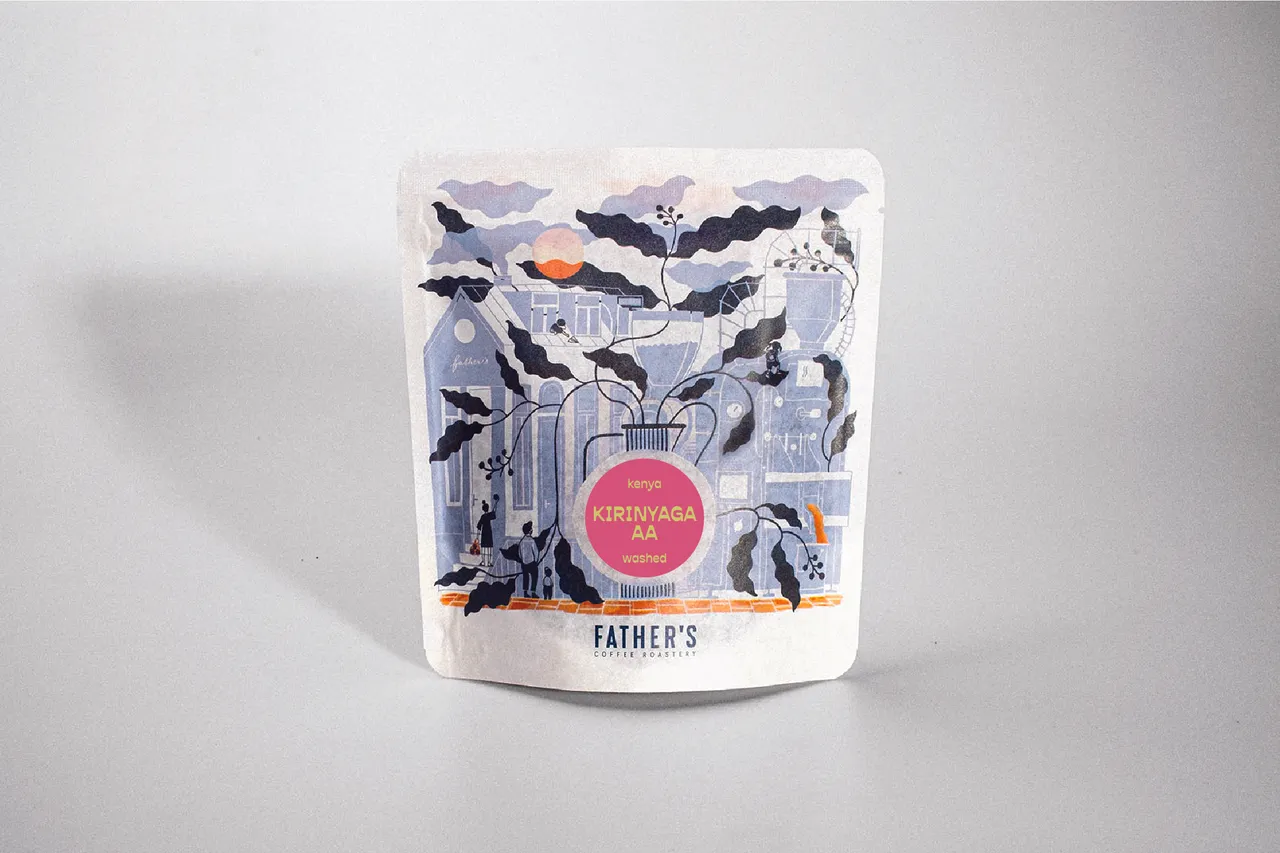
Coffees from Kenya always mean clean, juicy fruitiness to us and that is exactly why we love coming back to them. Kirinyaga AA from the Nguguini station is processed using the washed method, and we roast it exclusively for filter. In the cup, you can look forward to notes of rhubarb pie, rose and redcurrant jam.
We roast this coffee for filter. It works well for all filter brewing methods (V60, Solo Dripper, AeroPress, Chemex, French press, Clever Dripper...).
We have been paying close attention to Kenya and its coffee production for a long time. For us, Kenyan coffees are a guarantee of clean fruitiness and belong among the coffees we love returning to at Father’s.
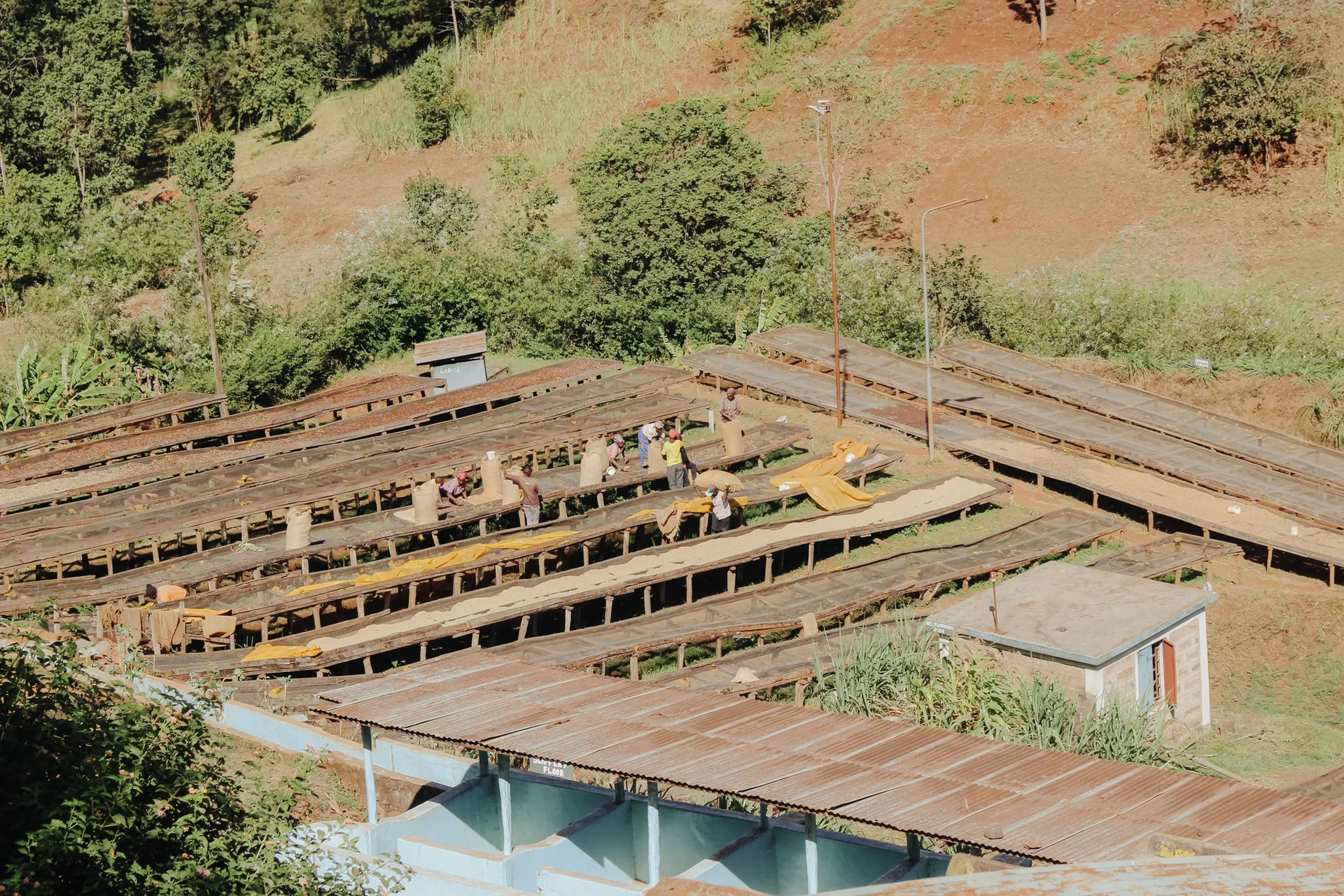
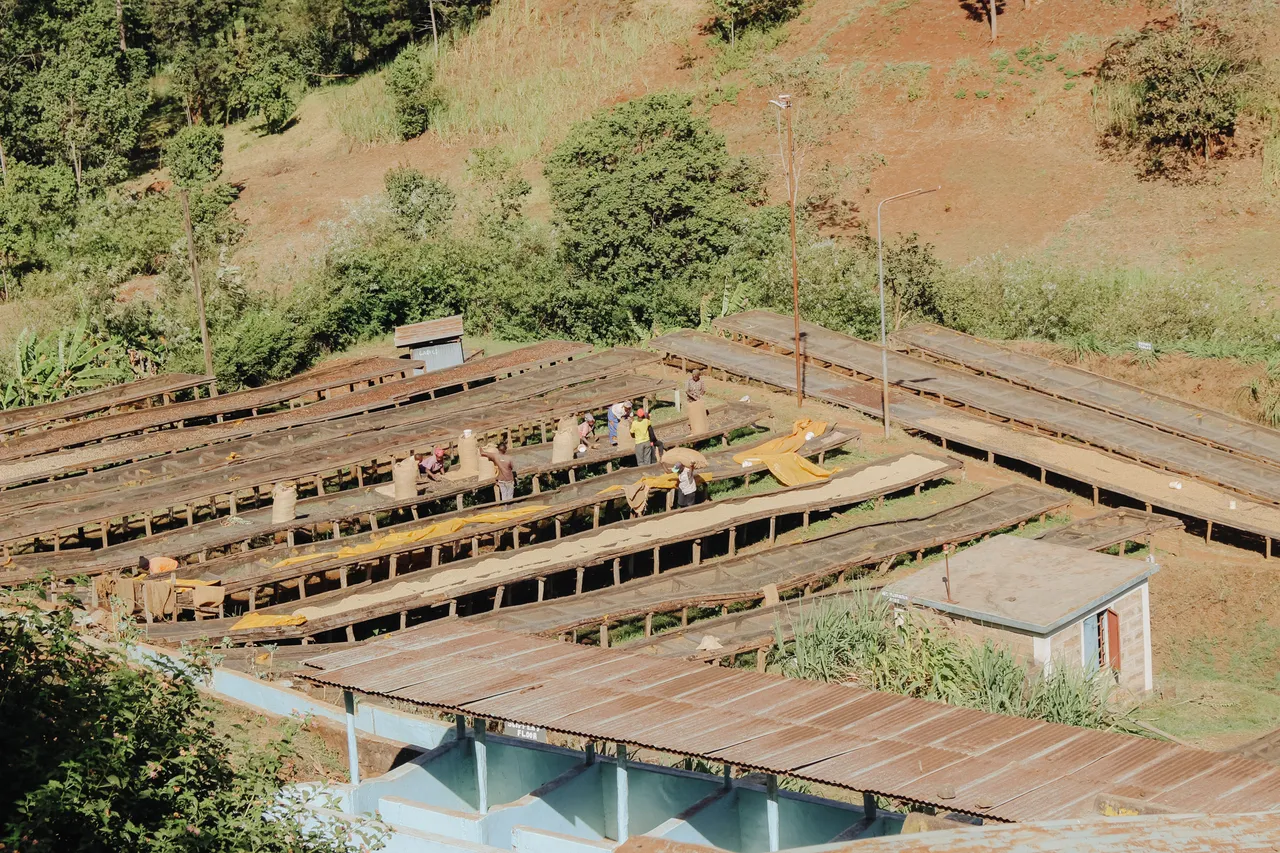
The Nguguini Wet Mill was founded in 1958 in Karatina, in the Kirinyaga region, which is known for producing distinctive coffees.
The station is managed by Kibirigwi Farmers’ Cooperative Society Limited. It is one of the oldest cooperatives in the country and has long focused on high quality and proper agronomic practices in coffee tree care.
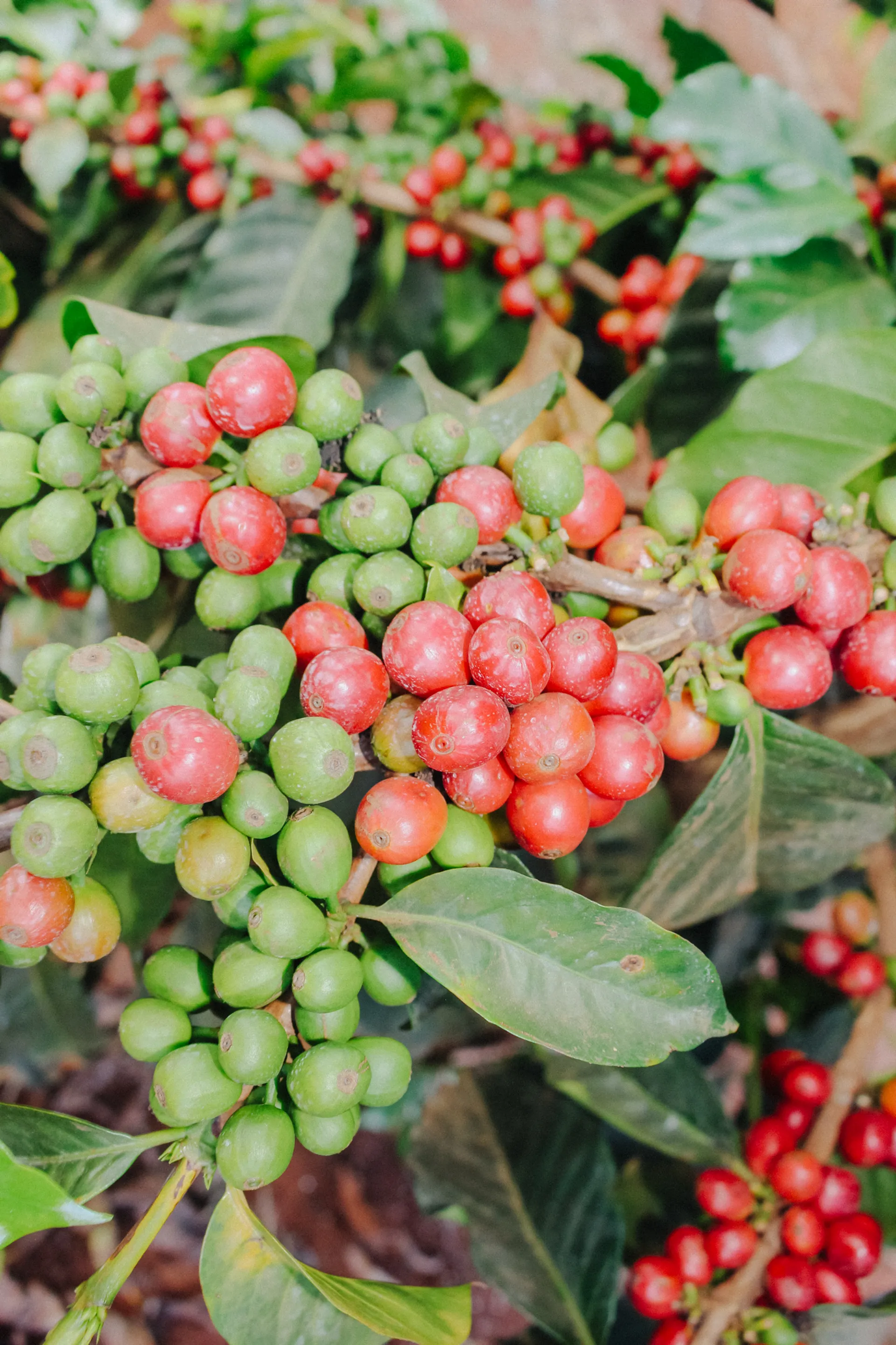
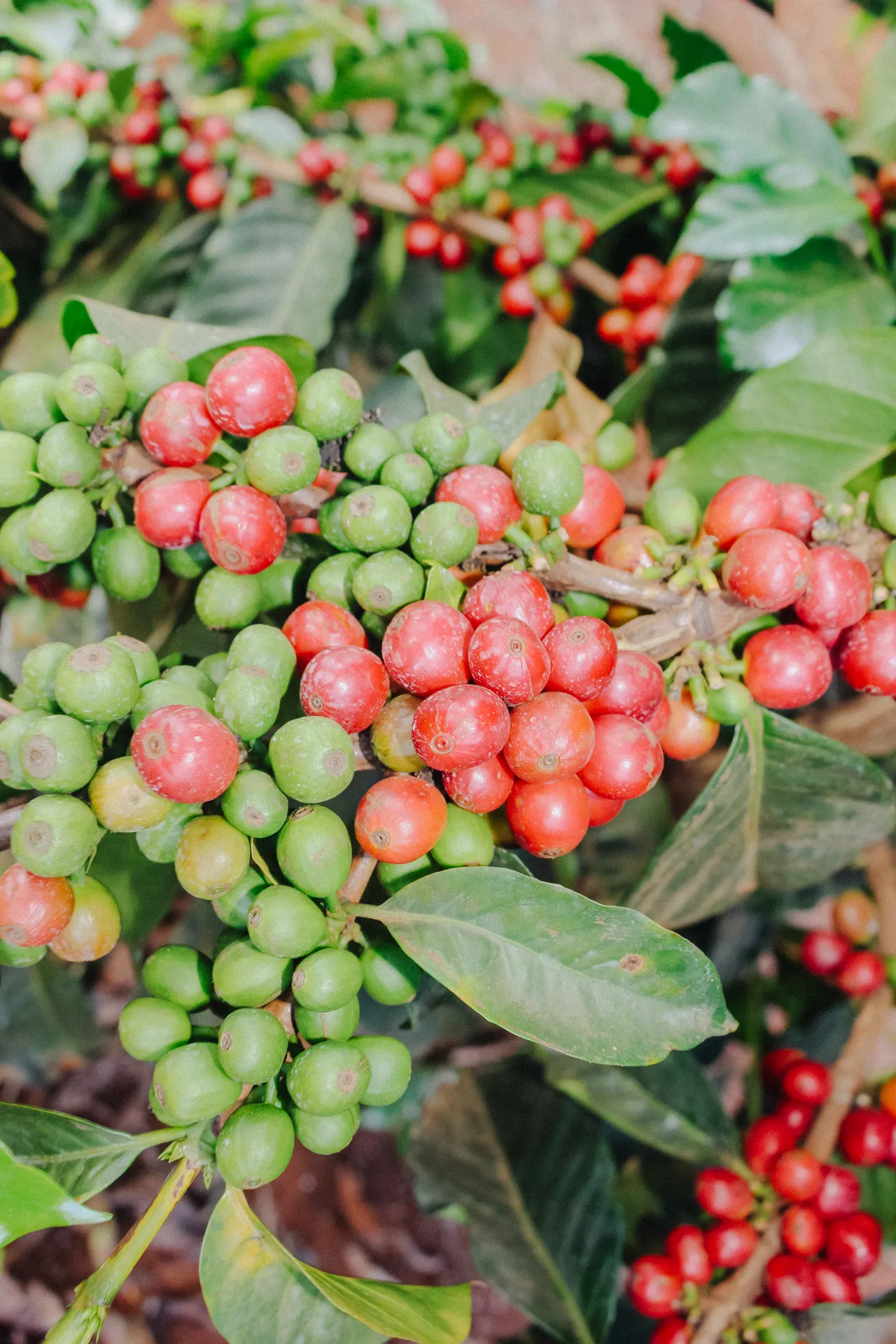
Today, it works with more than 1,200 smallholder farmers. Each of them farms around one acre of land at altitudes between 1,600 and 1,650 metres above sea level, creating great conditions for high-quality Arabica. During the harvest, which runs from October to January, local pickers hand-select only ripe, red cherries.
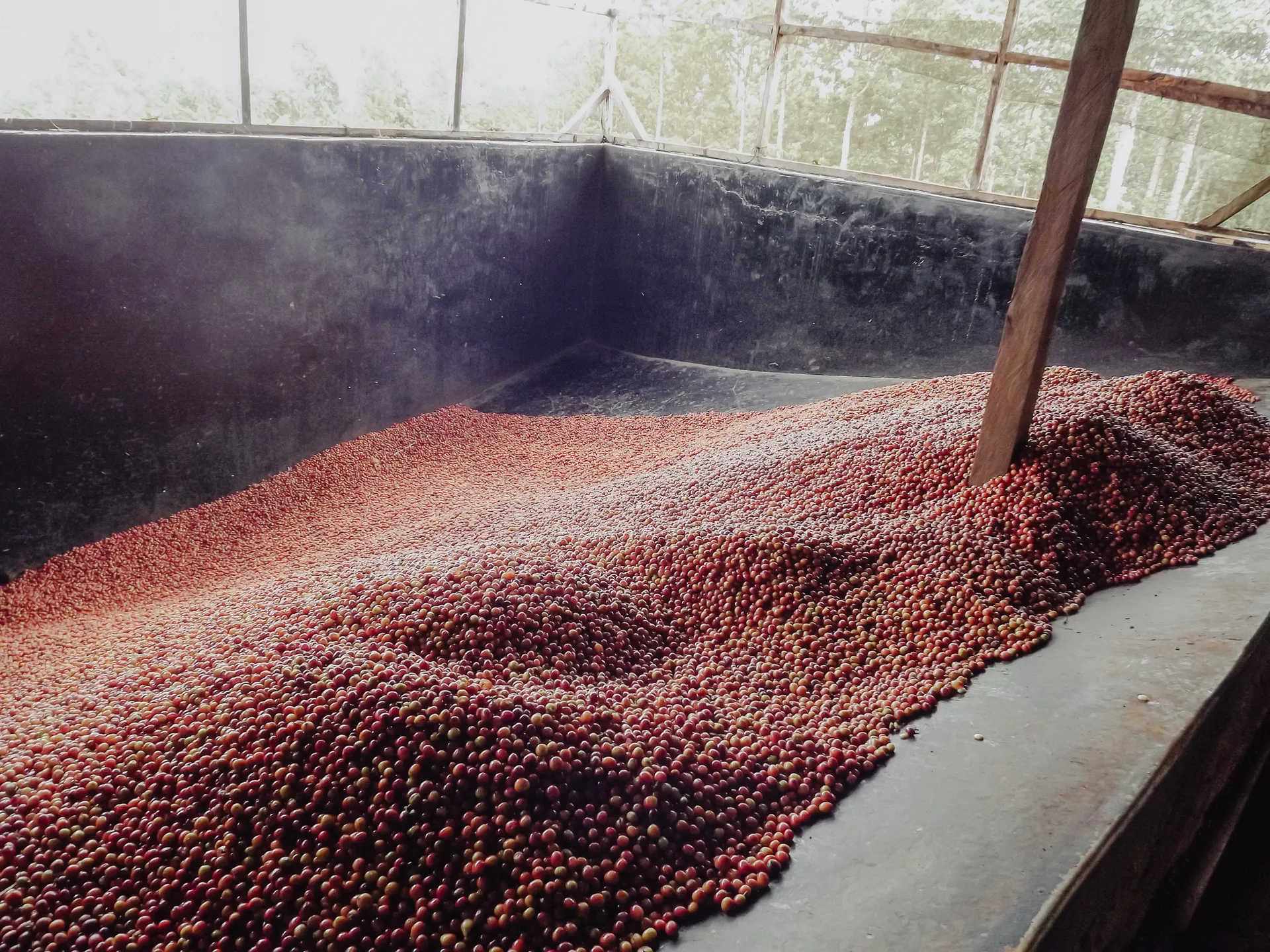
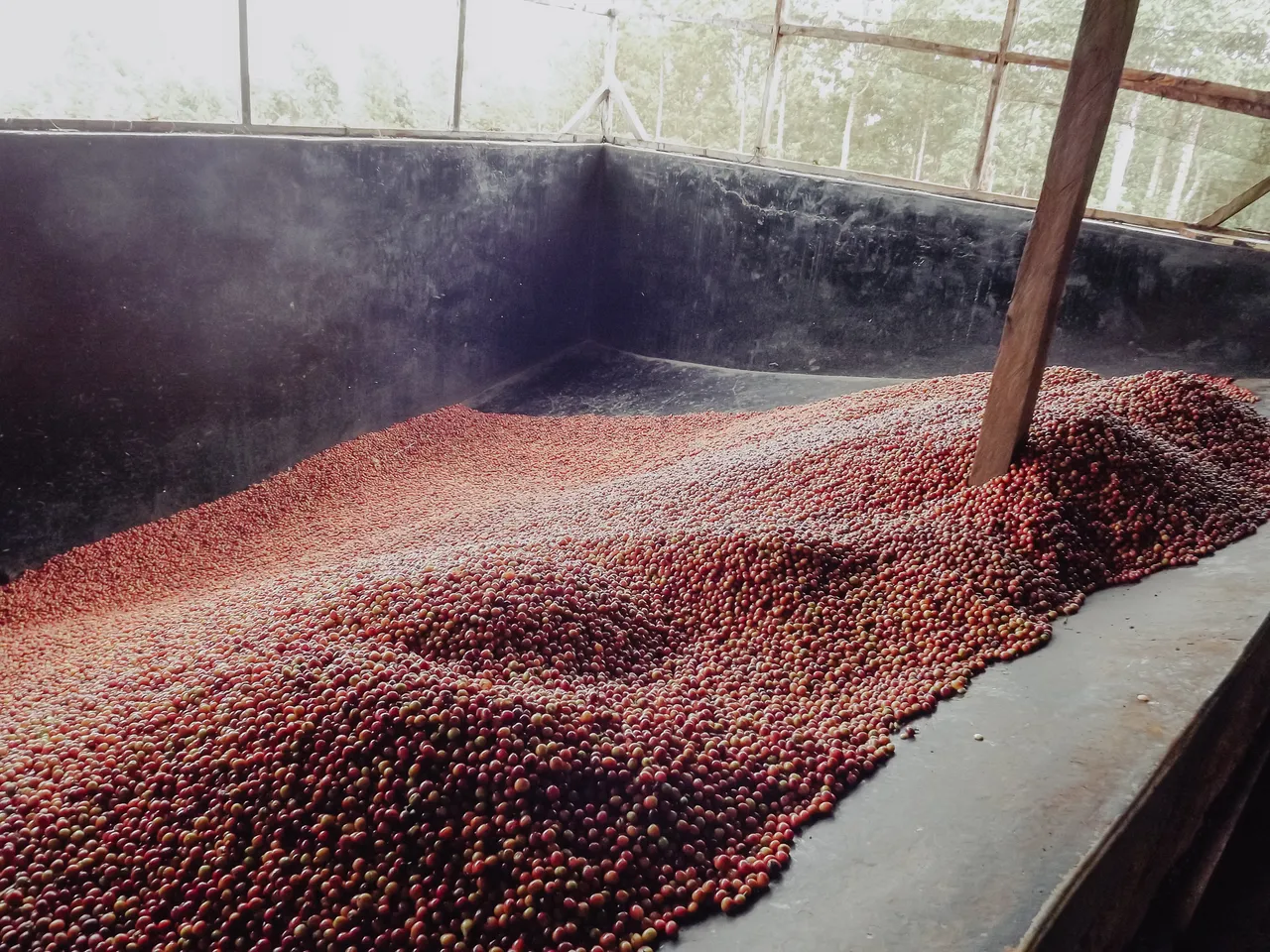
The traditional Kenyan fully washed method gives this coffee clarity and bright acidity. The whole process takes place in several connected steps:
This coffee brings together three varieties, each with its own specific contribution. SL28, selected in the 1930s, gives the coffee a complex, sweet profile with wine-like undertones. The historic SL34 selection adds a full body and balanced acidity to the final cup. The blend is completed by the more modern Ruiru 11 variety, which brings stability and natural resistance to coffee tree diseases.