FilterNew
Kenya - Karatina AB
€17.36
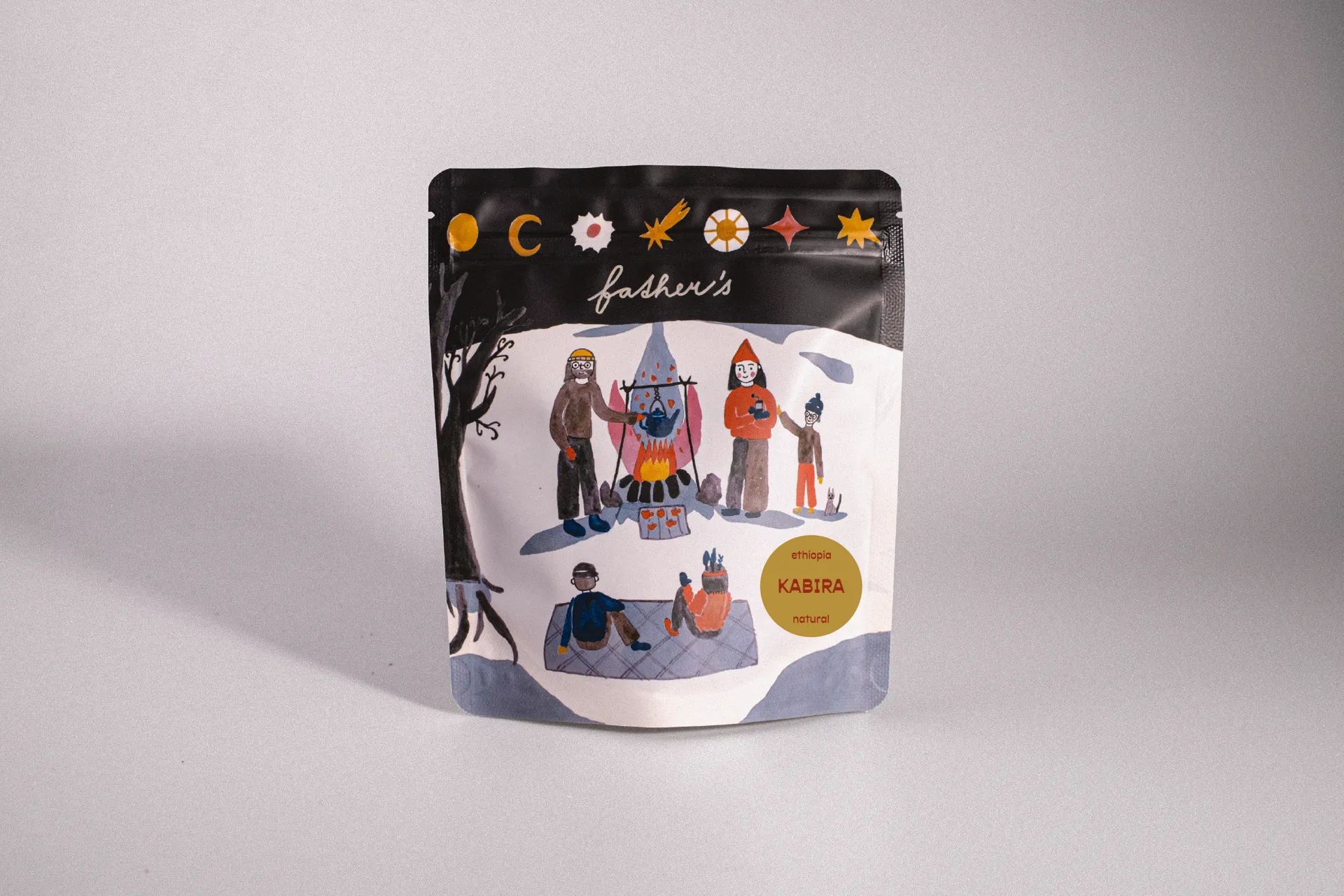
You may already know Kabira from our previous offer. This time, it is connected not only to Mustefa Abakeno, whom you may know from coffees such as Beshasha, but also to his brother Abdo Abamecha. This Ethiopian coffee comes from Jimma in western Ethiopia, is processed using the natural method at Birbisa washing station, and in its profile you will find Black berries, bergamot, jasmin, creamy
We roast this coffee for filter. It is suitable for all kinds of filter coffee brewing, such as V60, Solo Dripper, AeroPress, Chemex, French press, Clever Dripper and more.
Would you like it for espresso? We also roast this coffee in an espresso version - you can find it here: Ethiopia - Kabira
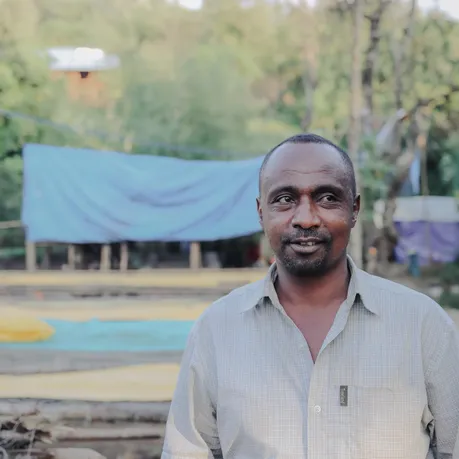
Kabira Birbisa is a coffee from Jimma in western Ethiopia. It is produced by Abdo Abamecha, brother of Mustefa Abakeno. You may know Mustefa from our previous coffees, such as Beshasha or the original Kabira. Abdo has worked in coffee for more than eight years. He originally supplied coffee to exporters, and later began exporting directly from the area where he was born and raised.
In 2023, he obtained his own export licence and began sharing part of the facilities and infrastructure with his brother Mustefa Abakeno. This allows him to work more closely with processing, storage and export preparation, while keeping the individual coffees traceable.
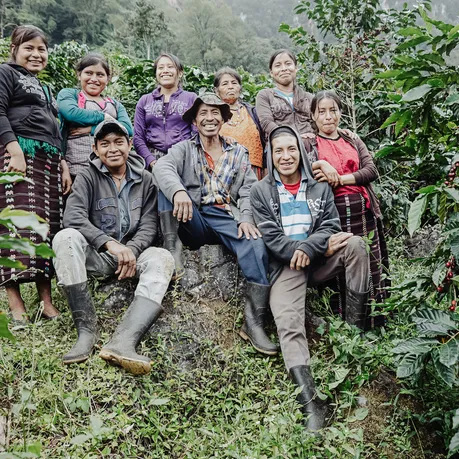
Abdo produces both washed and natural coffees. He focuses on cherry selection, drying and keeping individual coffees separated. His work is connected to coffee-growing communities around Jimma, where smallholder farmers deliver coffee cherries during the harvest season.
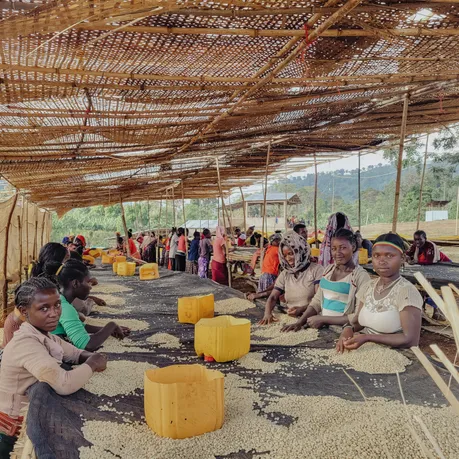
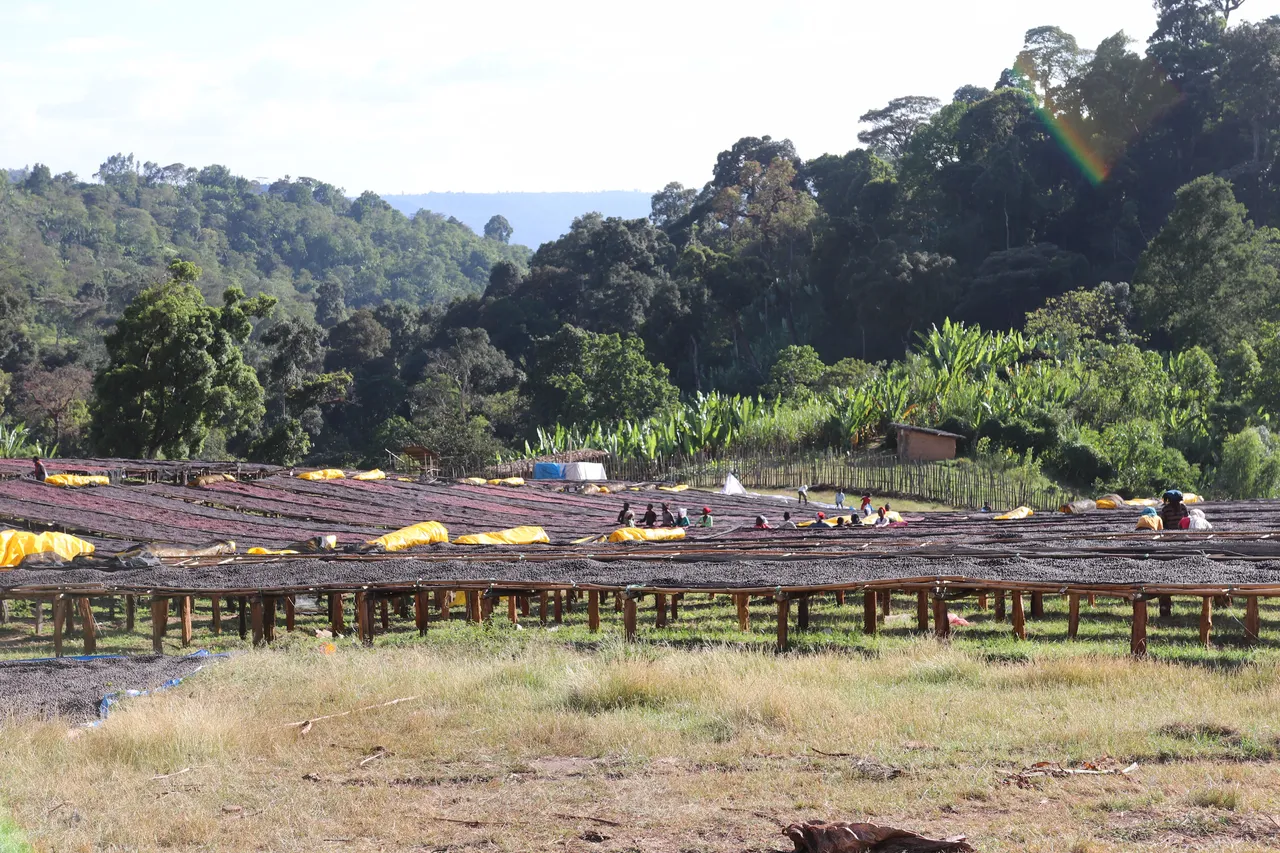
This coffee was processed at Birbisa washing station. The station is part of the wider family-linked structure between Abdo Abamecha and Mustefa Abakeno and is used for cherry reception, sorting, drying and storage before export.
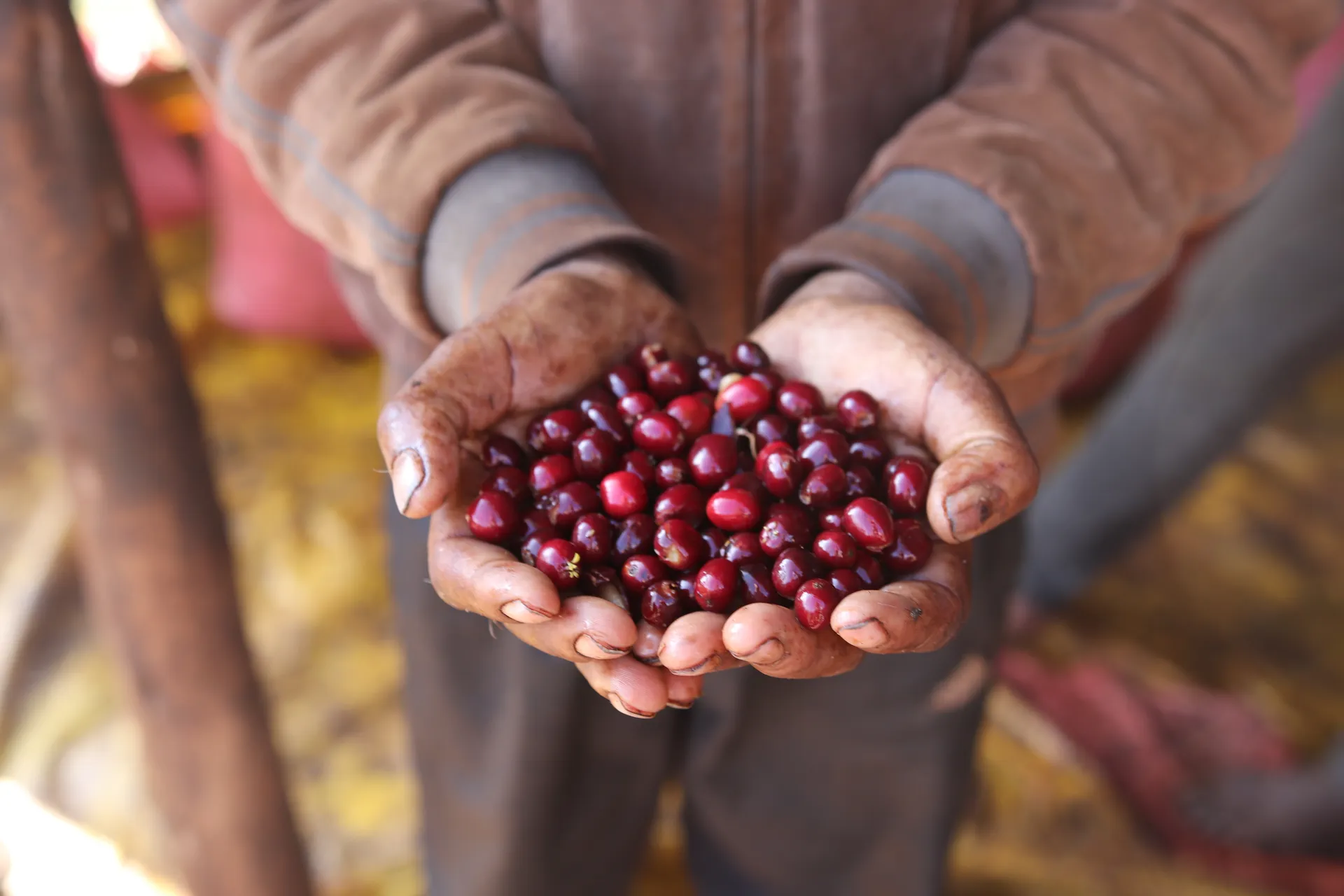
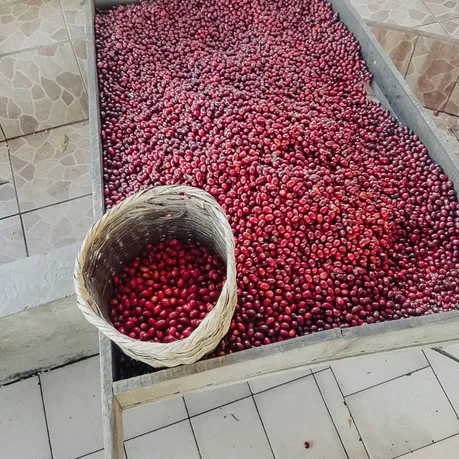
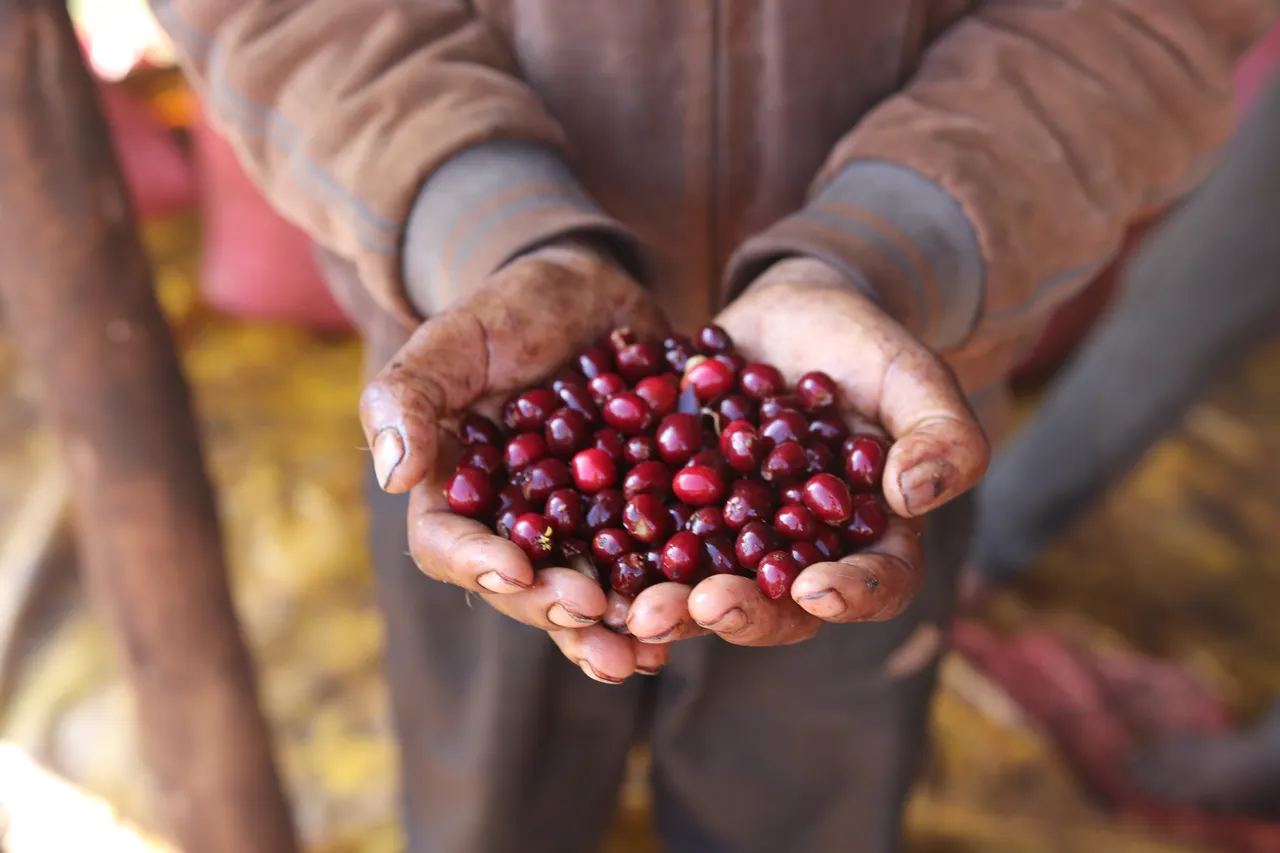
This coffee was processed using the natural method. After delivery to the station, the coffee cherries go through separation by density in a water bath, which removes immature or lower-density fruit.
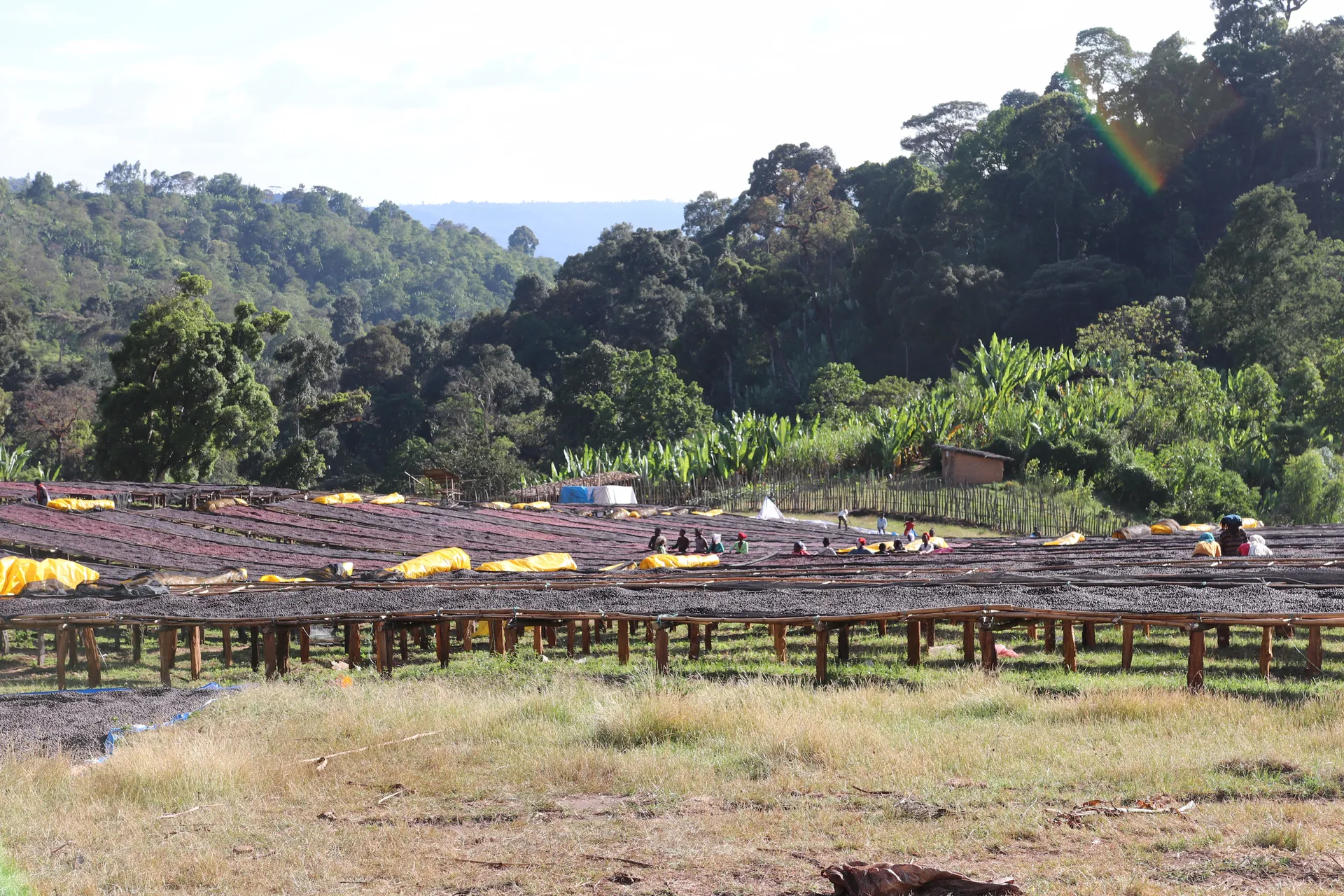
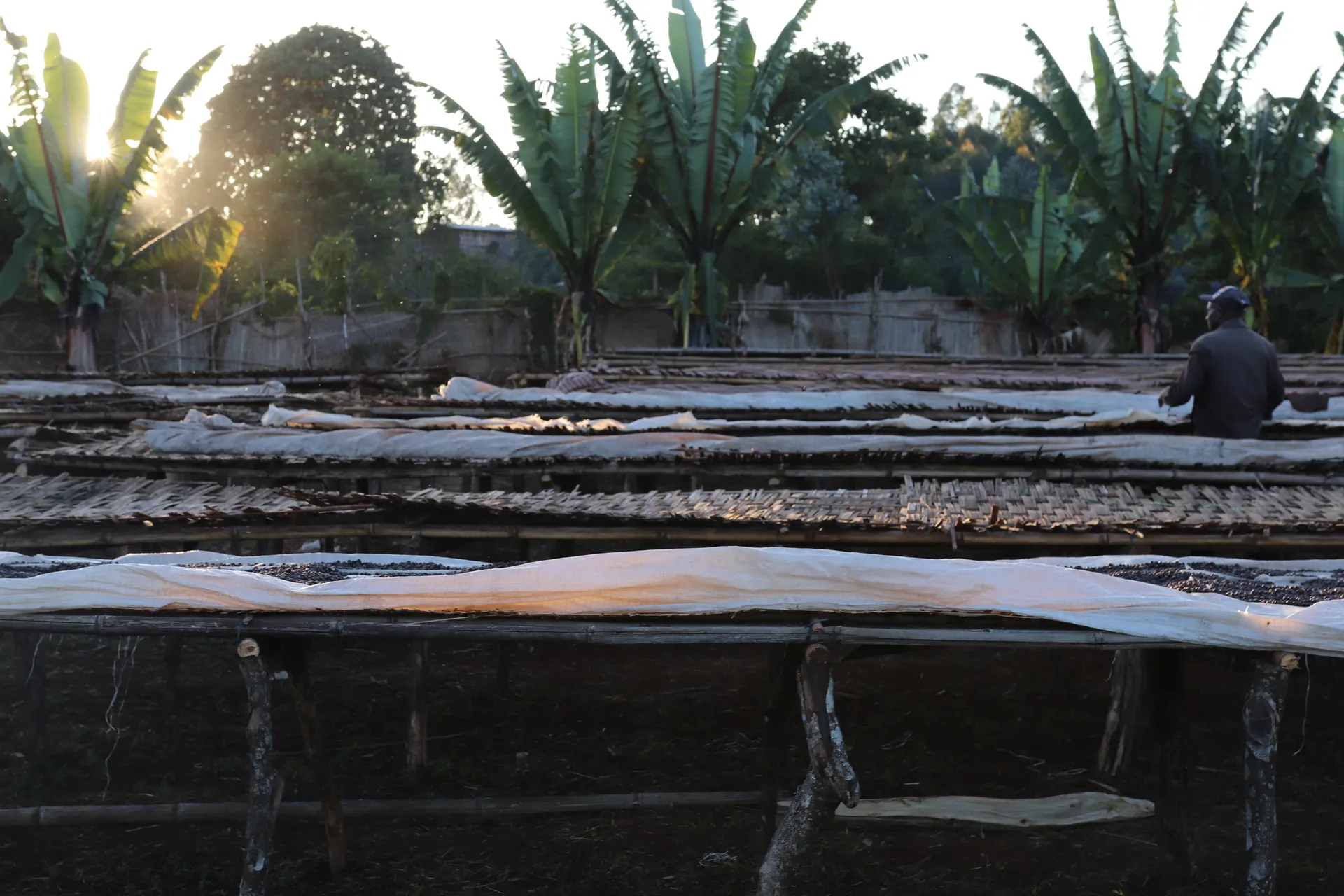
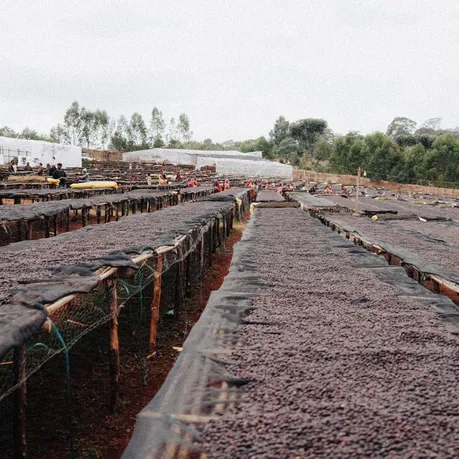
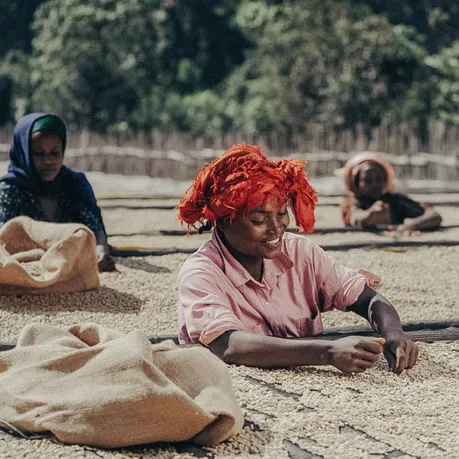
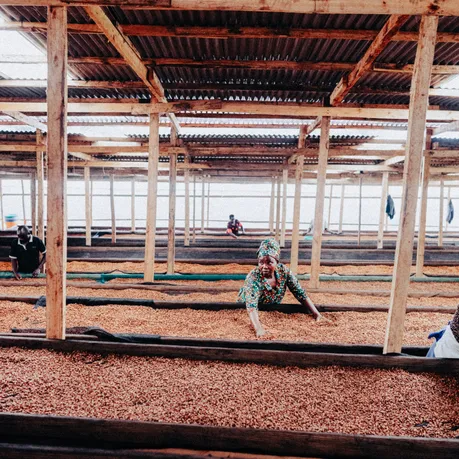
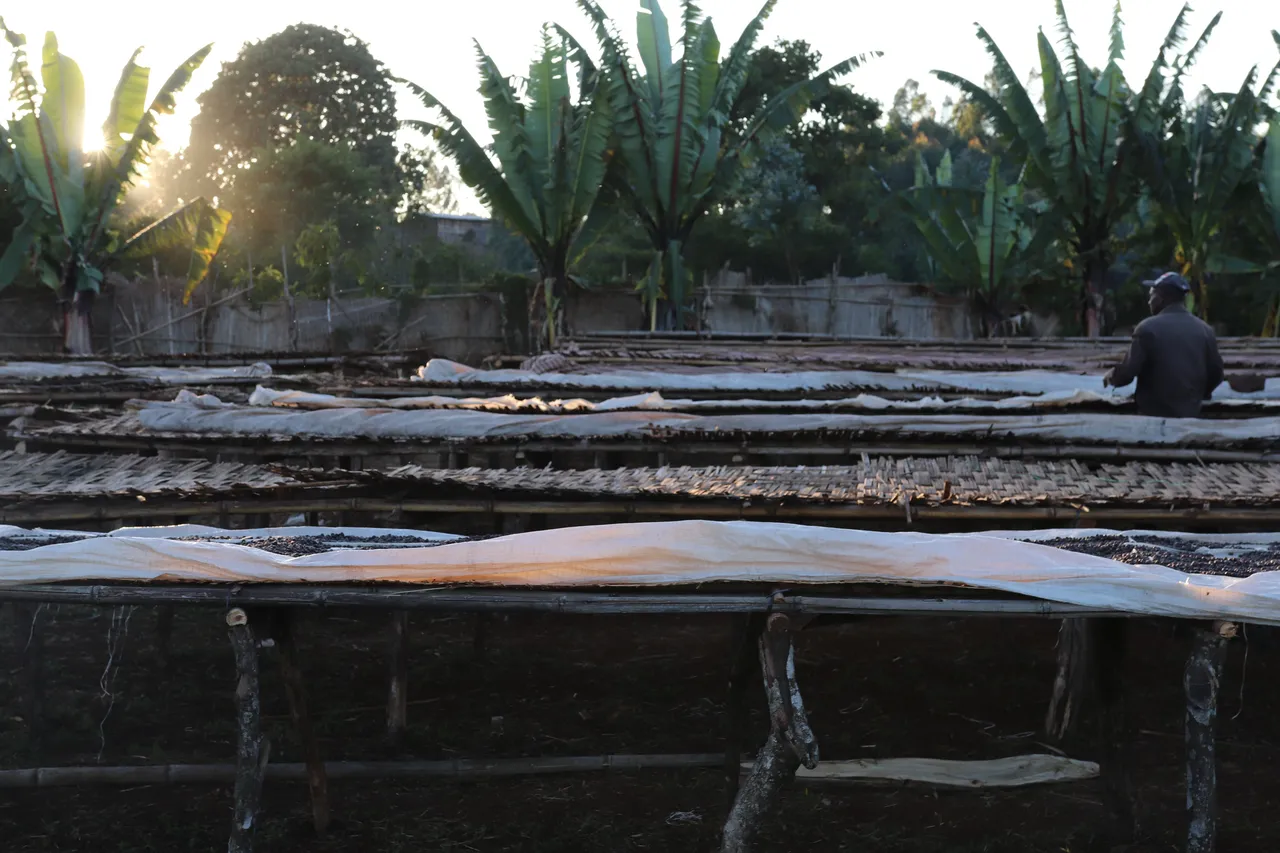
The selected cherries are then pre-dried in the shade for one day. After that, they are moved to raised drying beds, where they dry for around 20 to 30 days depending on the weather. During drying, the cherries are turned regularly so the process stays even.
Birbisa is prepared as a Grade 1 natural from Jimma. Grade 1 refers to the level of preparation and sorting applied to the coffee. After drying, the coffee is brought to the required moisture level, then bagged, stored and prepared for dry milling and export through the shared family infrastructure.
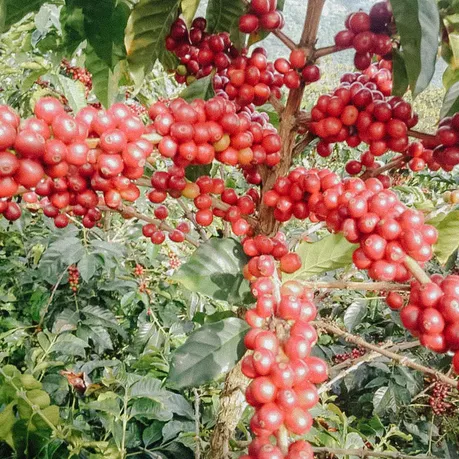
This coffee is made up of Ethiopian varieties 74112 and 74110. Both belong to varieties selected in Ethiopia by the Jimma Agricultural Research Center.
These varieties were selected mainly for good cup quality and better resilience in cultivation. Together with the natural process, they support a clean, fruity and floral profile in this coffee.