FilterNew
Kenya - Karatina AB
€17.36
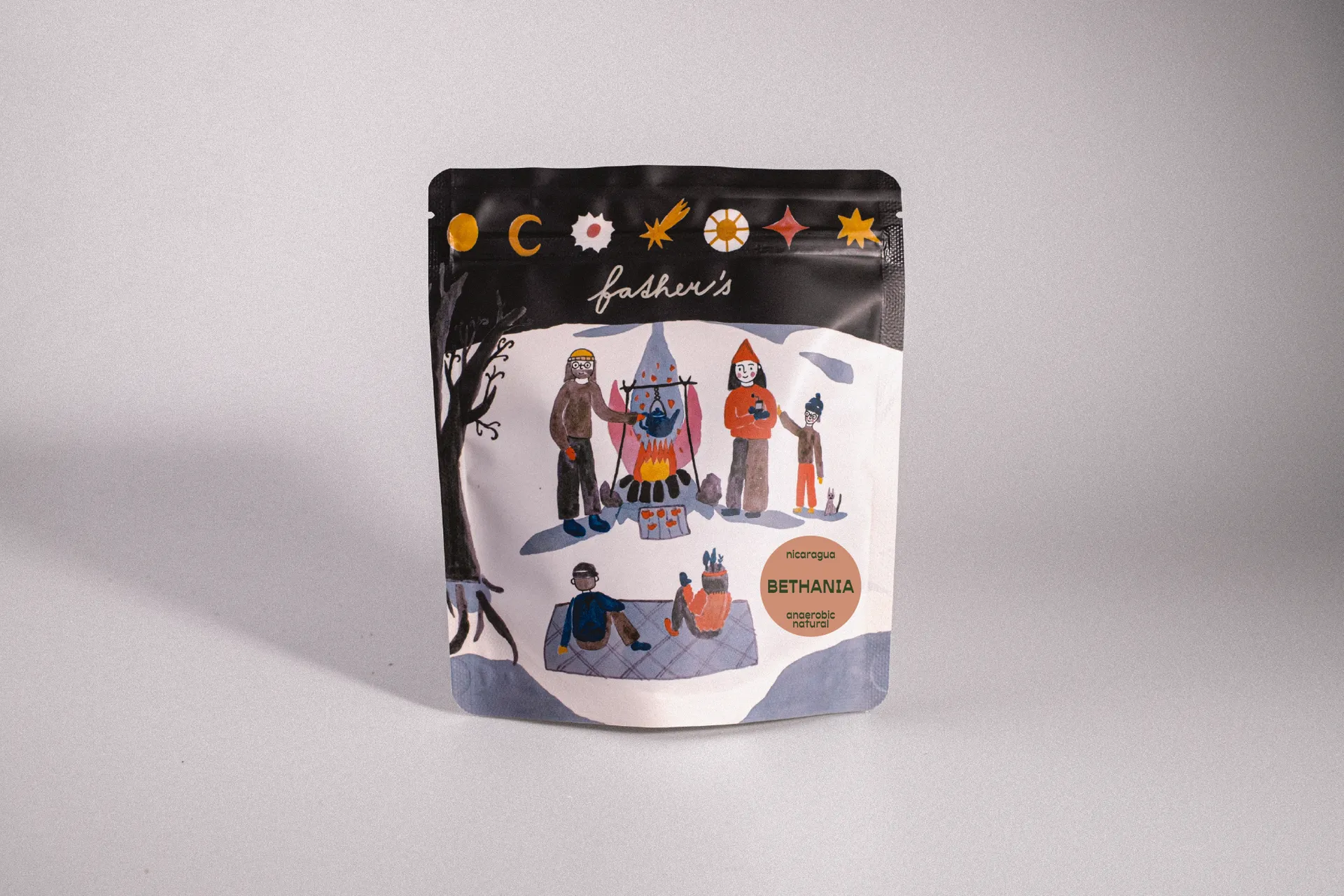
Bethania is a coffee that keeps coming back to us, because we like it not only for its taste, but also for the work of Finca Bethania. The farm focuses on sustainability, recycles the water used during coffee processing and helps preserve the natural forest, local ecosystem and wildlife. The coffee comes from Nicaragua, from the Macuelizo area in the Nueva Segovia region. The Java variety, processed using the dry anaerobic method, is roasted for filter and in its profile you will find notes of dried cranberries, nougat and white tea.
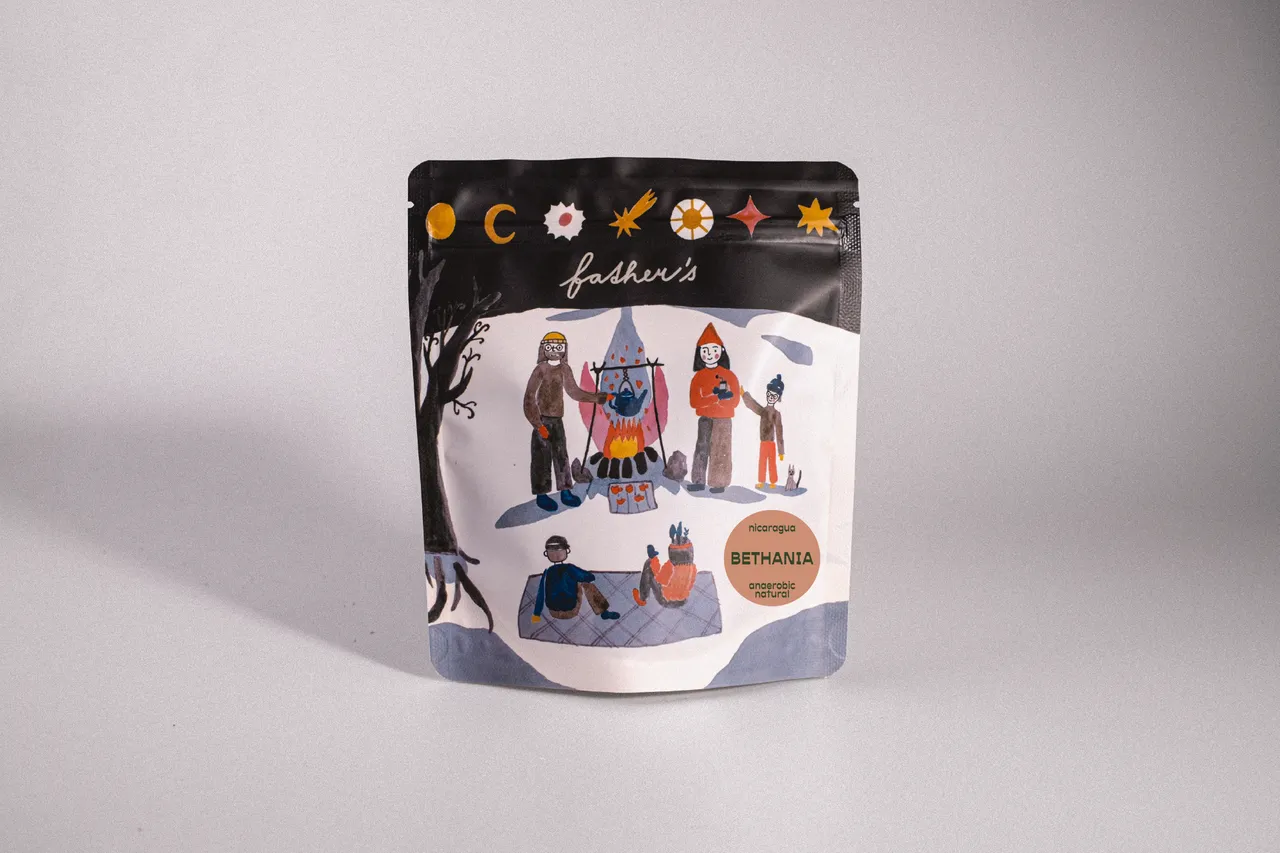
This coffee is roasted for filter. It is suitable for all types of filter coffee preparation, such as V60, Solo Dripper, Aeropress, Chemex, French press or Clever Dripper.
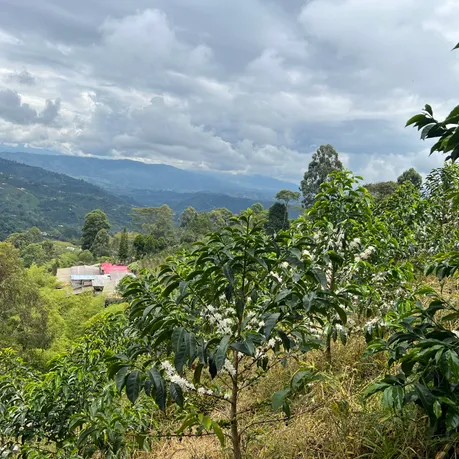
Bethania is a familiar name for us. This coffee returns to us from Finca Bethania, a farm located in the Nueva Segovia region, one of Nicaragua’s best-known coffee-growing areas.
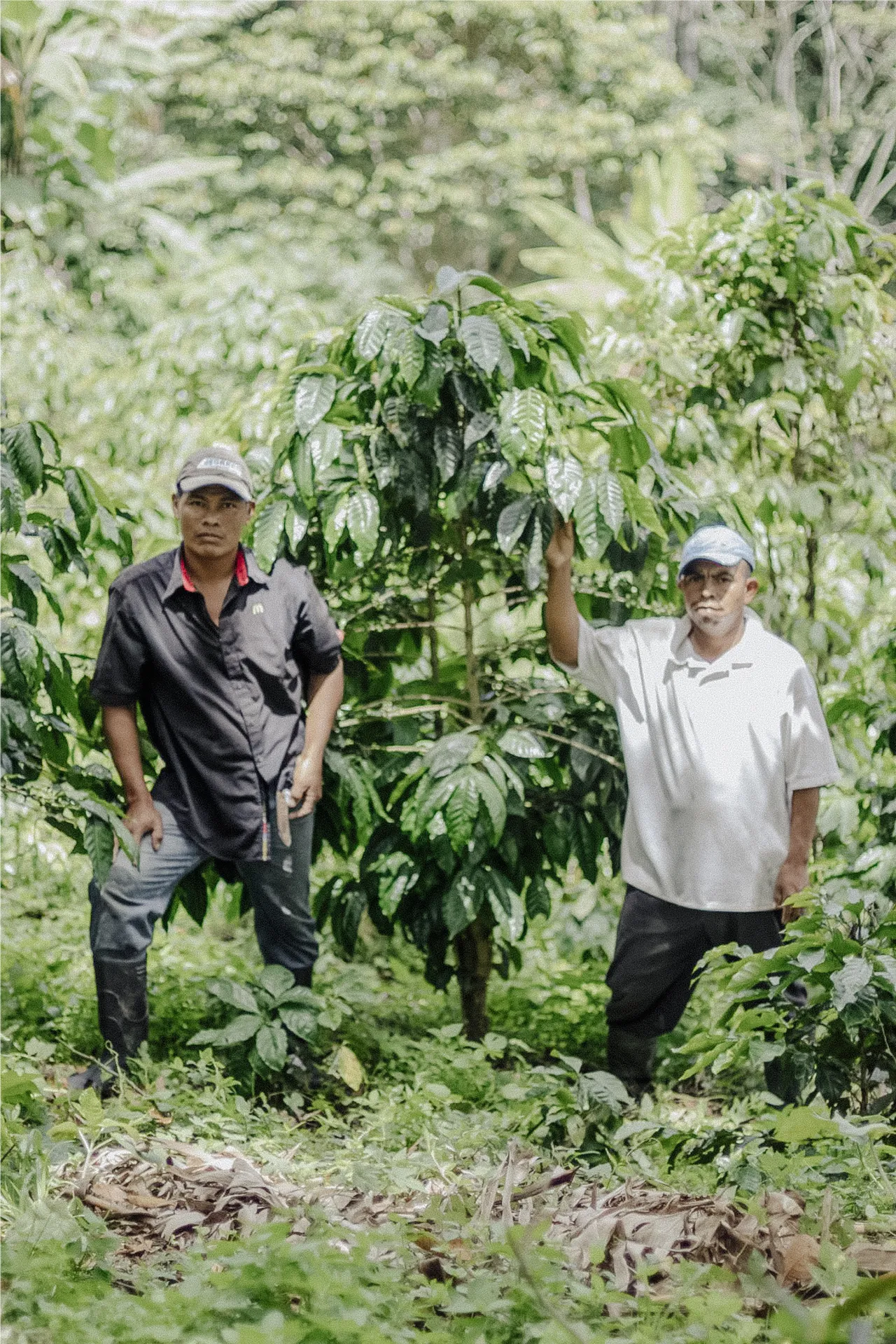
Finca Bethania was founded in 1991. The farm covers 42 hectares and grows Caturra, Catuaí, Catimor, Maracaturra and Java varieties.
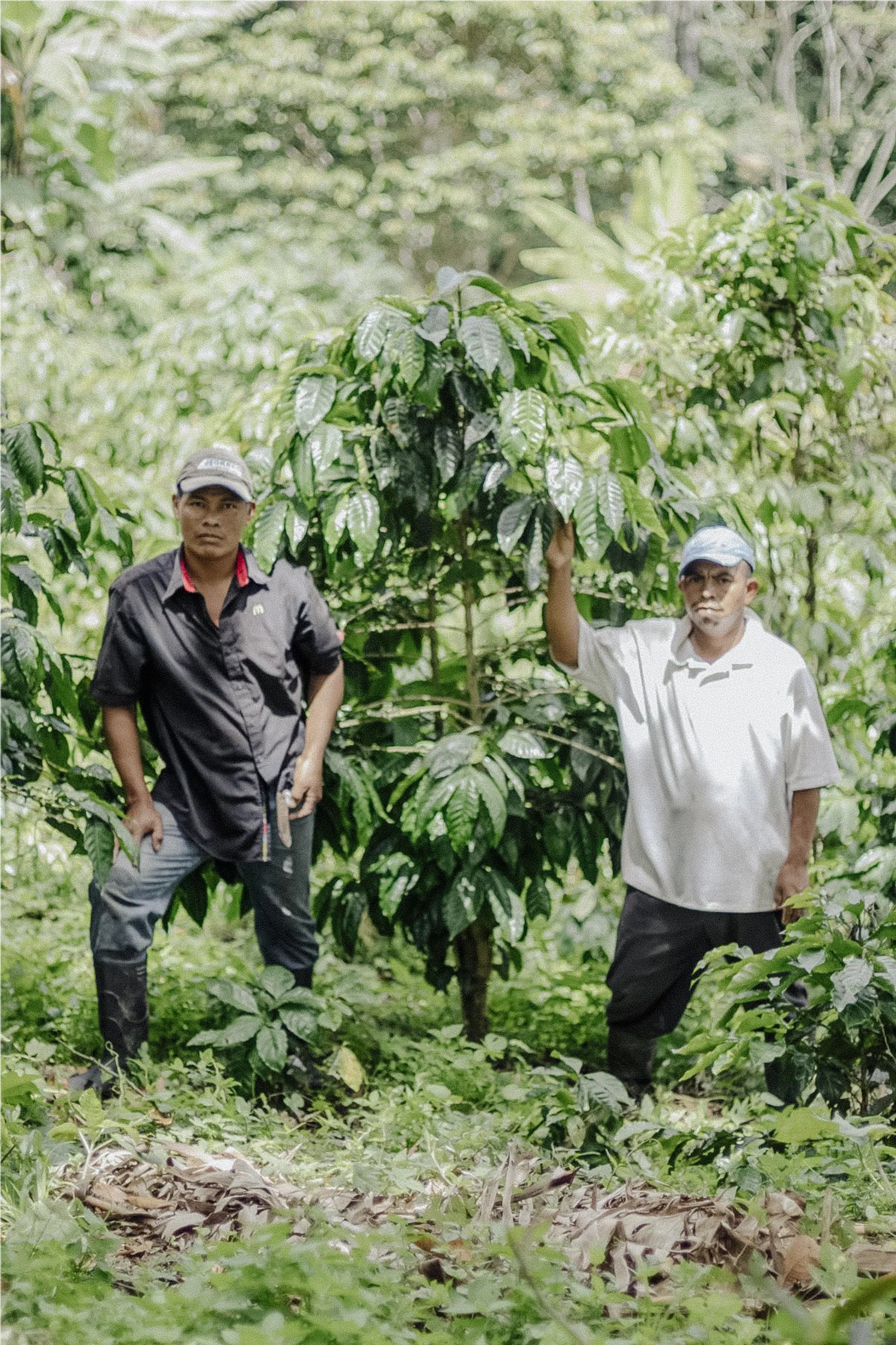
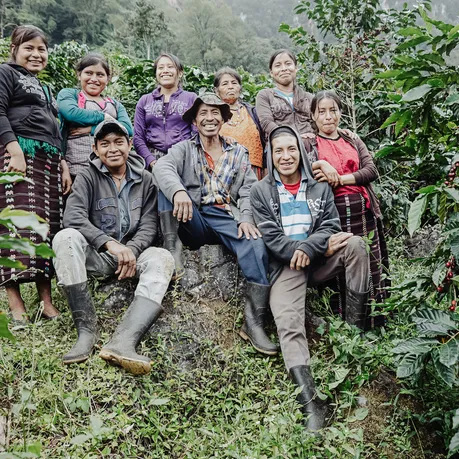
Behind the farm are Ana and Martha Albir, third-generation coffee producers. Their great-grandfather owned land in Nueva Segovia as early as 1930.
Finca Bethania works with an emphasis on sustainability and environmental protection. It recycles the water used during coffee processing and returns only clean water to the rivers. It also takes care to preserve the natural forest, the local ecosystem and wildlife.
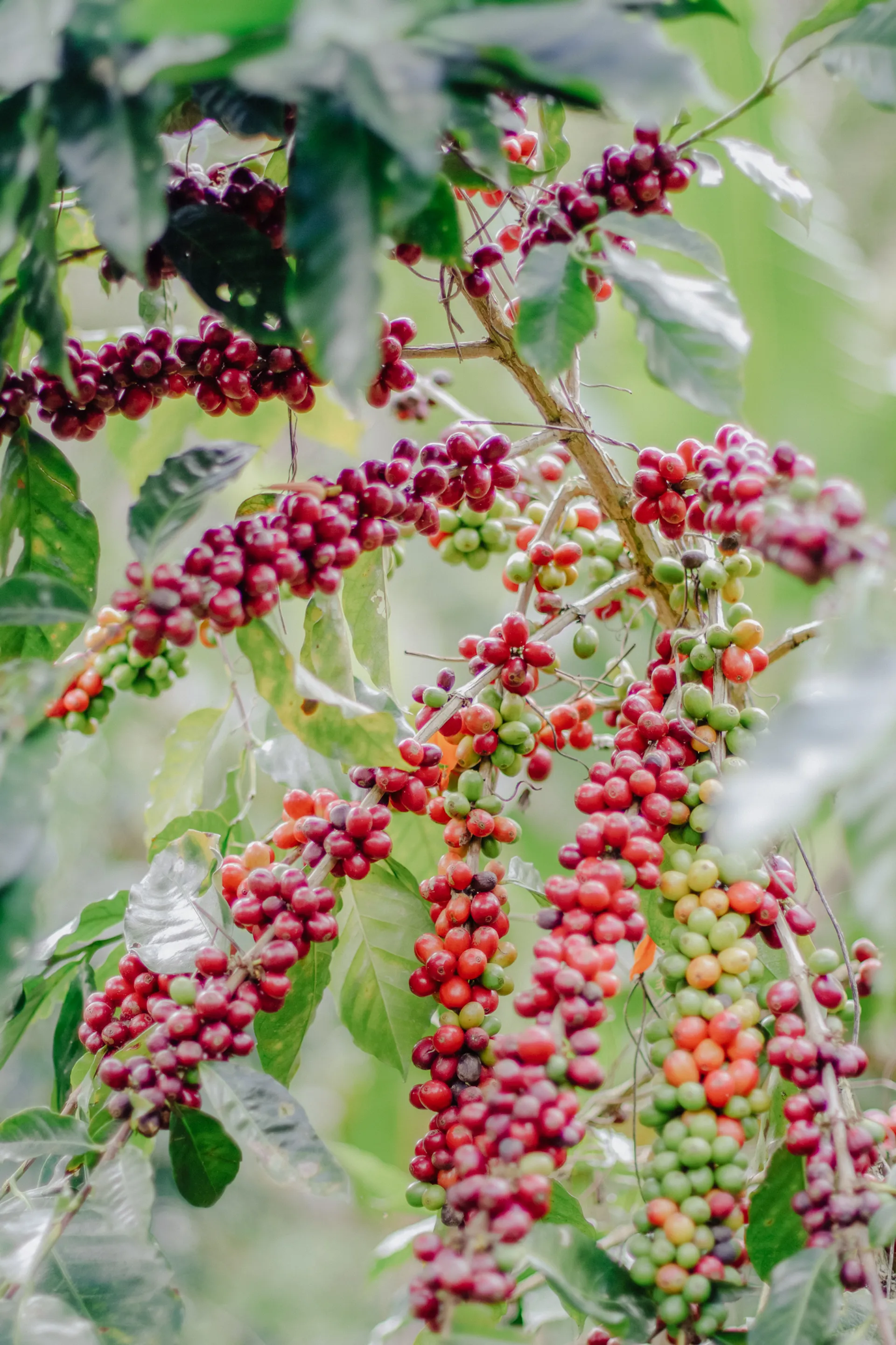
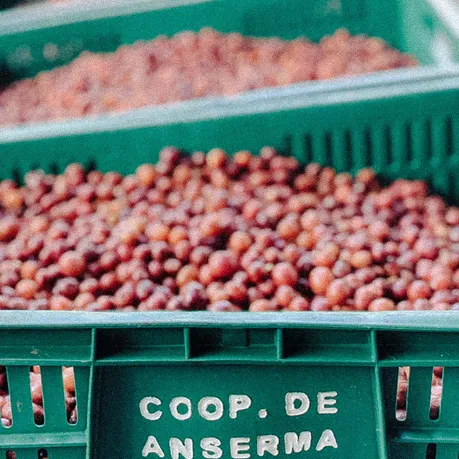
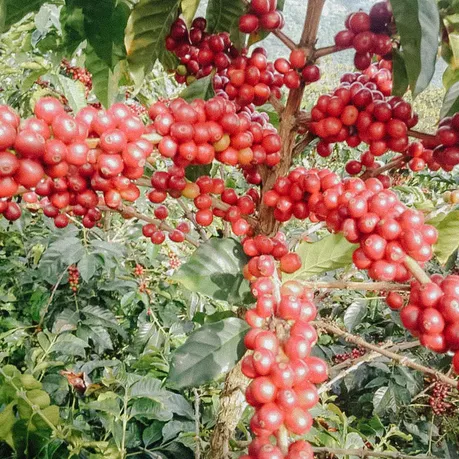
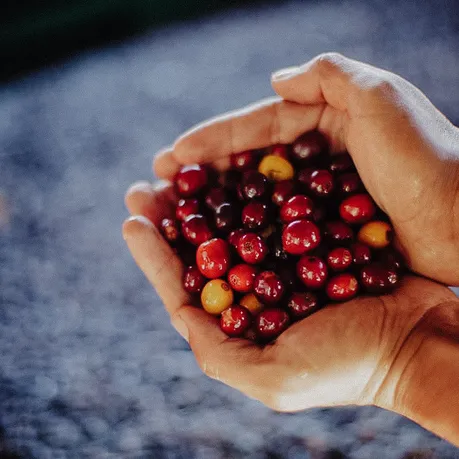
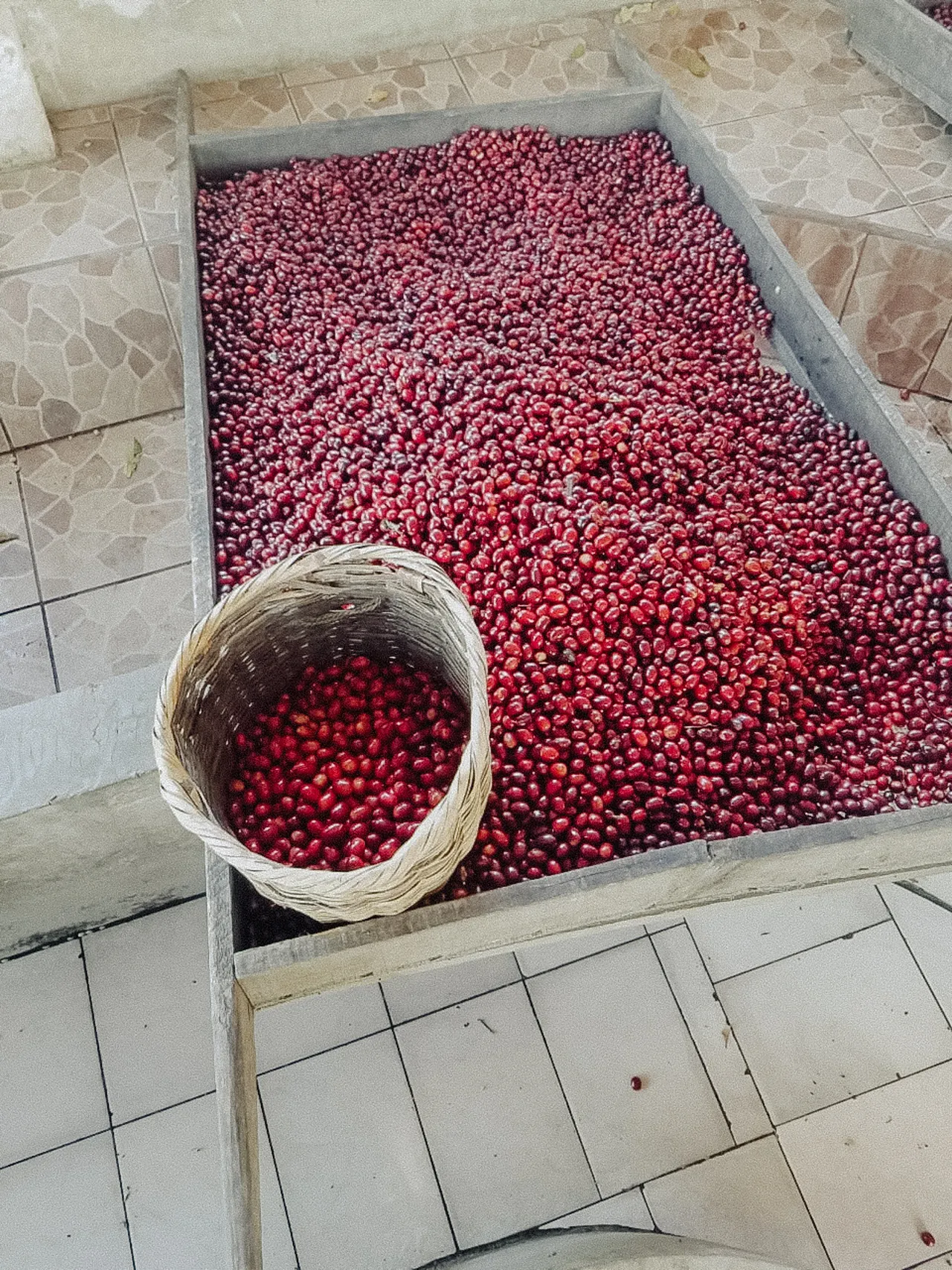
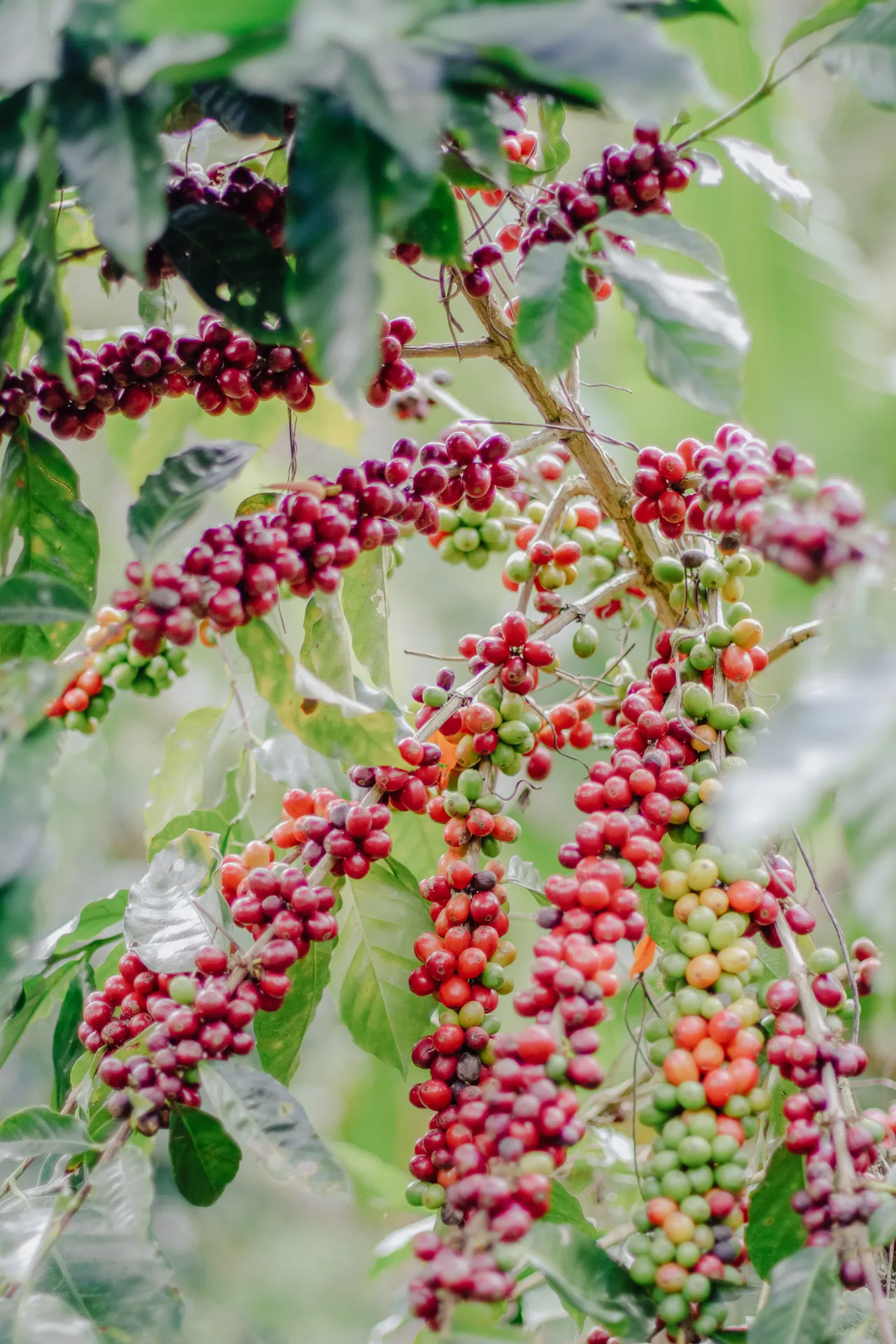
Ripe Java cherries are hand-picked during the cooler part of the morning. That same afternoon, they are delivered to the small wet mill at Finca Bethania, close to the border with Honduras. Fast processing helps preserve the sugars in the cherries and limit uncontrolled fermentation.
The whole coffee cherries are then sealed in food-grade tanks with one-way valves. Inside them, anaerobic fermentation takes place for 48 to 72 hours. This means the fermentation happens in an environment with limited access to oxygen. The pH is checked twice a day so the progress of fermentation can be monitored.
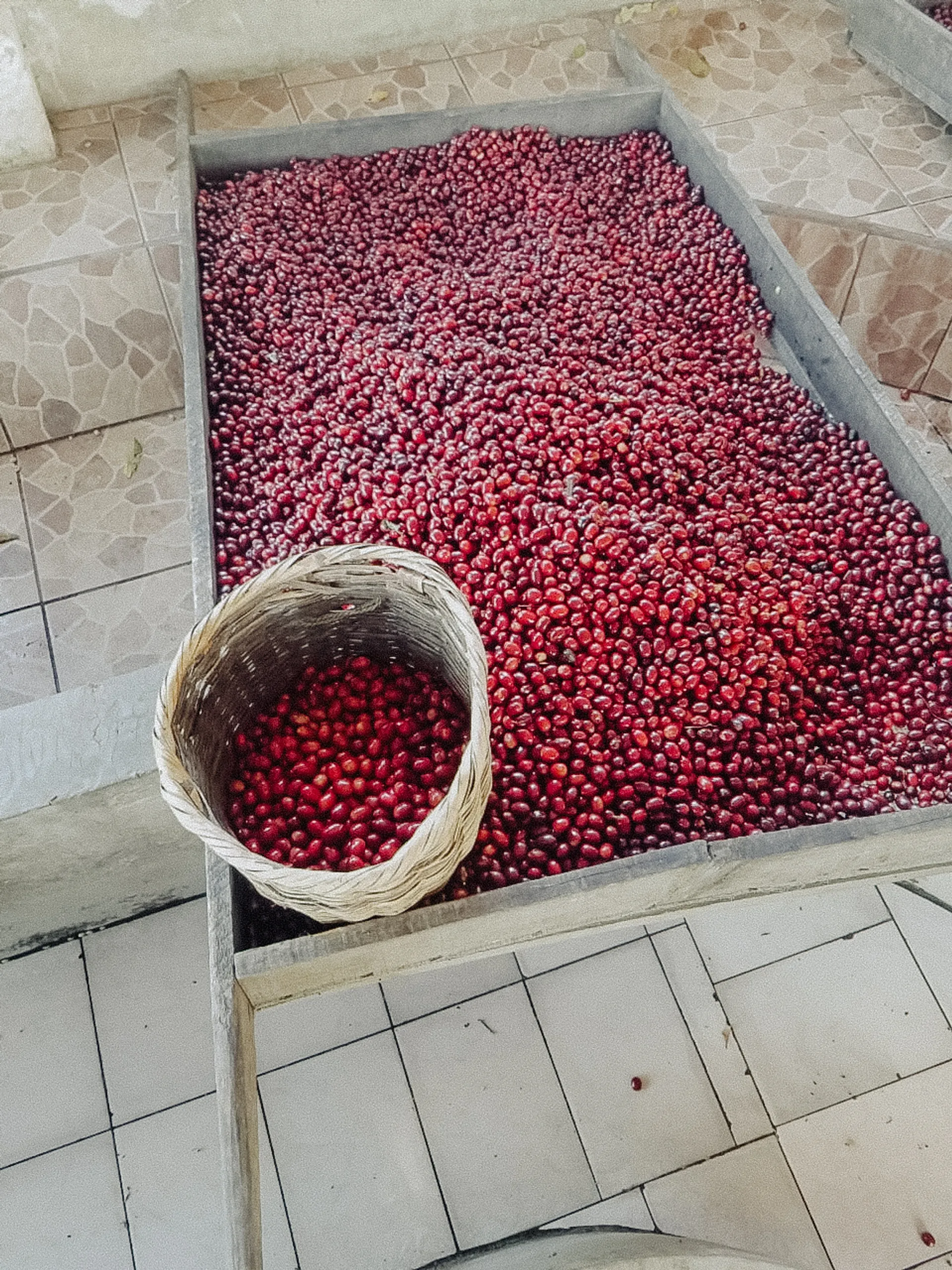
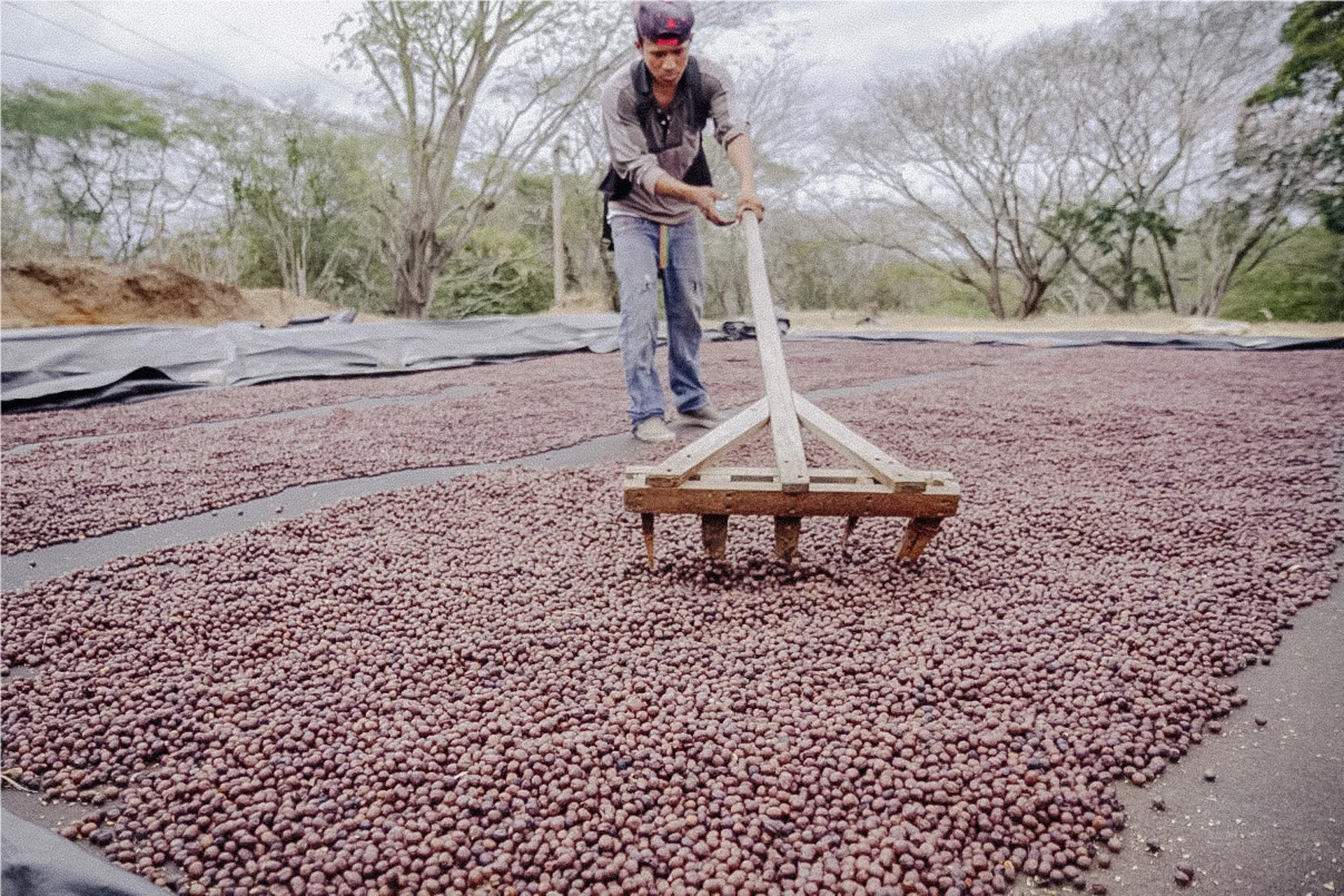
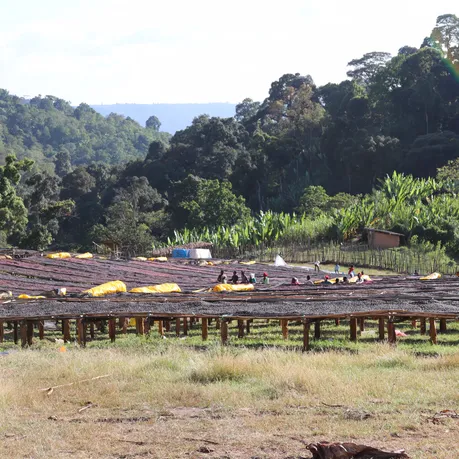
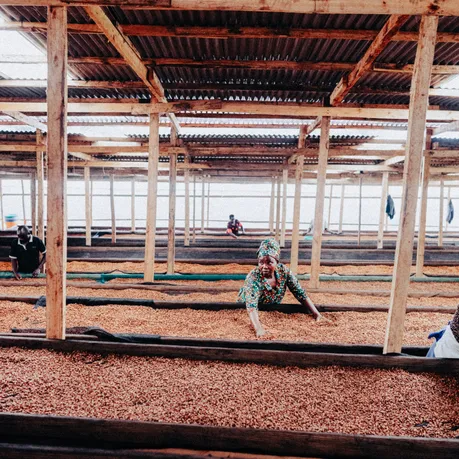
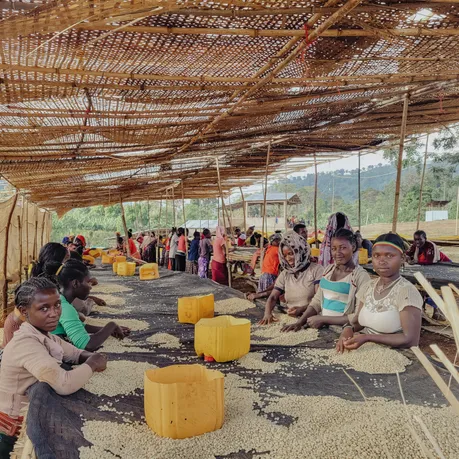
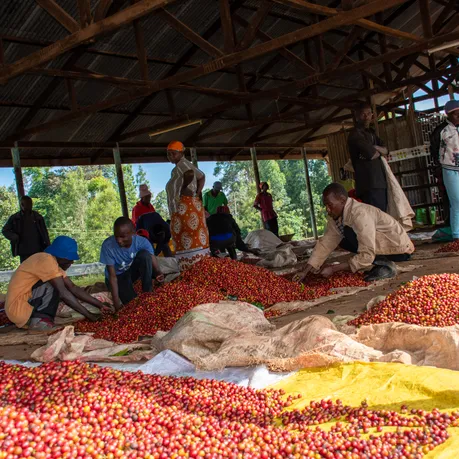
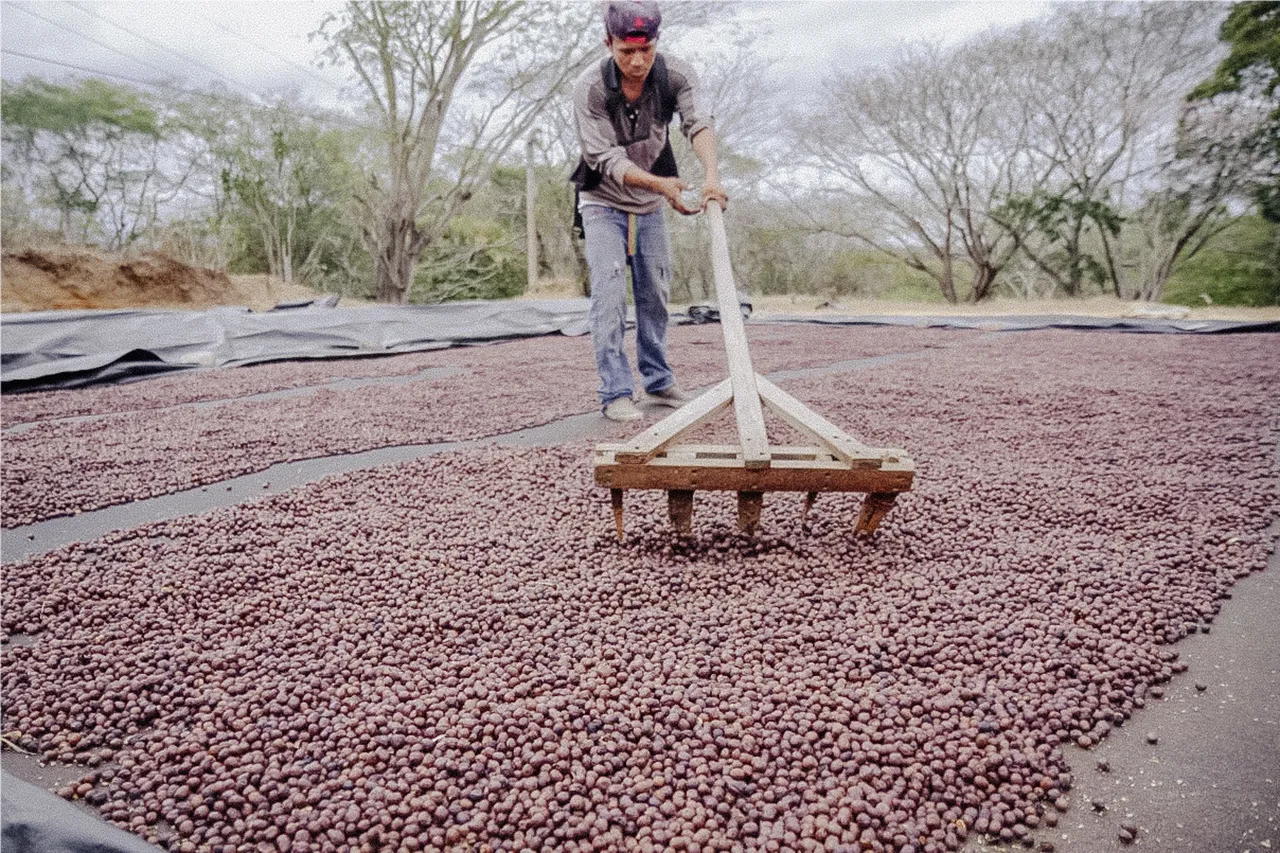
After the tanks are drained, two-stage drying begins on an outdoor surface used for drying coffee. For the first five to six days, the coffee rests in the shade on a surface covered with dried husks and protected by black mesh, which helps moderate the temperature.
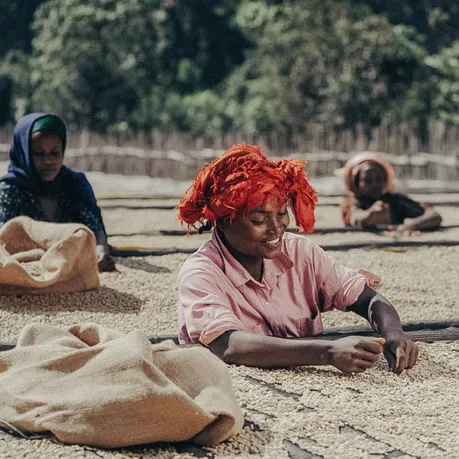
The coffee is then moved into full sun, where it dries until it reaches 10–11% moisture content. During drying, the cherries are turned every three to four hours and heaped during the hottest part of the day to prevent the surface from cracking.
Total drying takes approximately 20 to 25 days. After drying, the coffee rests for 30 days in GrainPro bags, which help stabilise moisture. The parchment is then removed — the protective husk that remains on the coffee seed after processing. The coffee is further sorted by size and density, colour-sorted and finally hand-checked so it is ready for export.
Java is a well-known cultivated variety, or cultivar, of Arabica coffee, originally from the island of Java in Indonesia. From there, it spread to other parts of the world, including Africa and Latin America. It is valued for its high quality, disease resistance and specific taste profile.