FilterNew
Kenya - Karatina AB
€17.36
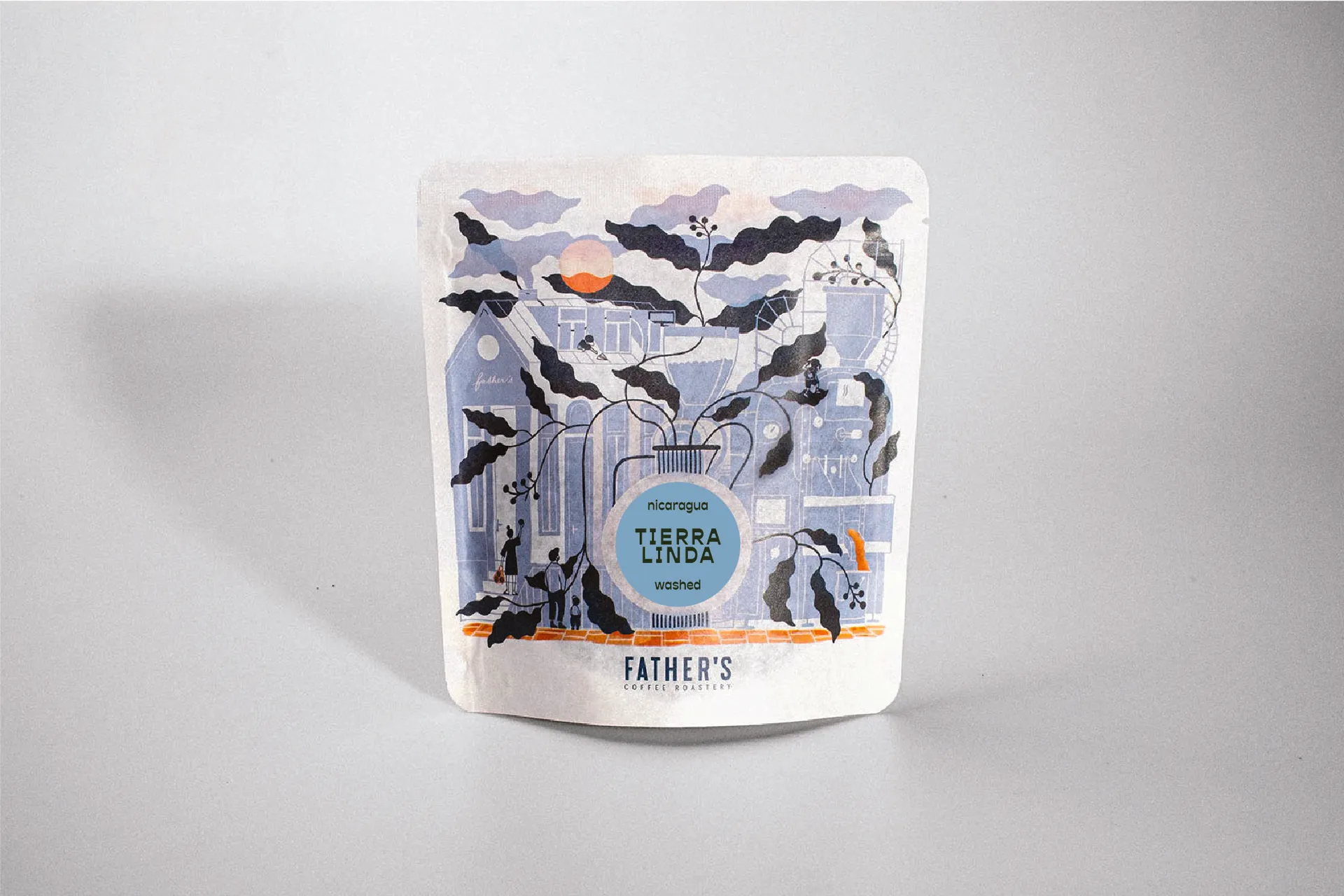
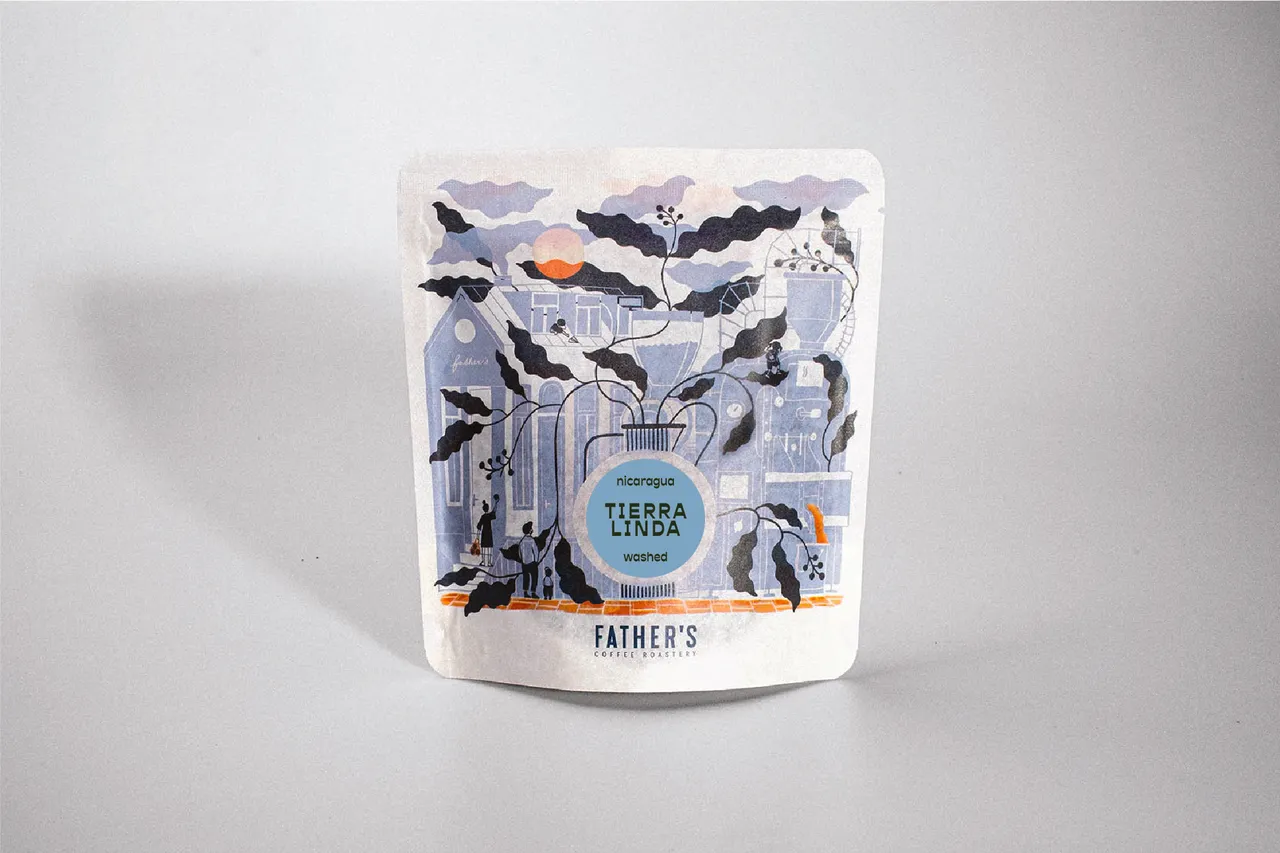
Tierra Linda means “beautiful land” - and with this coffee, the name makes sense to us also because of the way the farms work with soil, shade and plant health. We like it for its calm, clean character. This coffee from Nicaragua comes from two neighbouring farms in the Dipilto area, is processed using the washed method and is roasted for both filter and espresso. In its profile you will find notes of gingerbread, sour cherries, lemon balm tea.
This coffee is roasted for filter. It is suitable for all types of filter coffee preparation, such as V60, Solo Dripper, Aeropress, Chemex, French press or Clever Dripper. Would you like it for espresso? We also roast it as an espresso version - you can find it here: Nicaragua - Tierra Linda
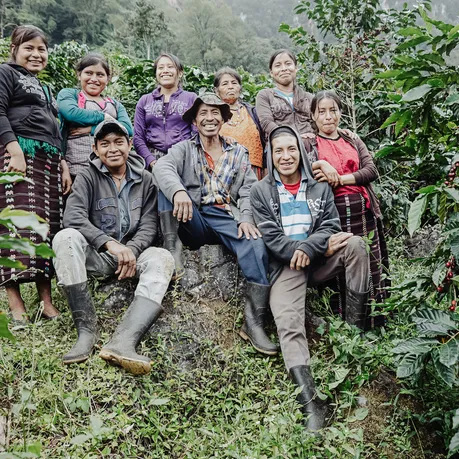
Tierra Linda is built on the work of two neighbouring farms in the Las Manos community in the Dipilto area of Nueva Segovia. Finca Santa Isabel is a family-run farm that has been managed for more than seventy years. Finca Mirjam lies west of it and was acquired by the family in 2025.
Finca Santa Isabel sits at an altitude of 1,220 metres, while Finca Mirjam lies at 1,252 metres. Together, they cover eighteen hectares of coffee trees, where Caturra, Catuaí, Parainema and Catimor varieties are grown.
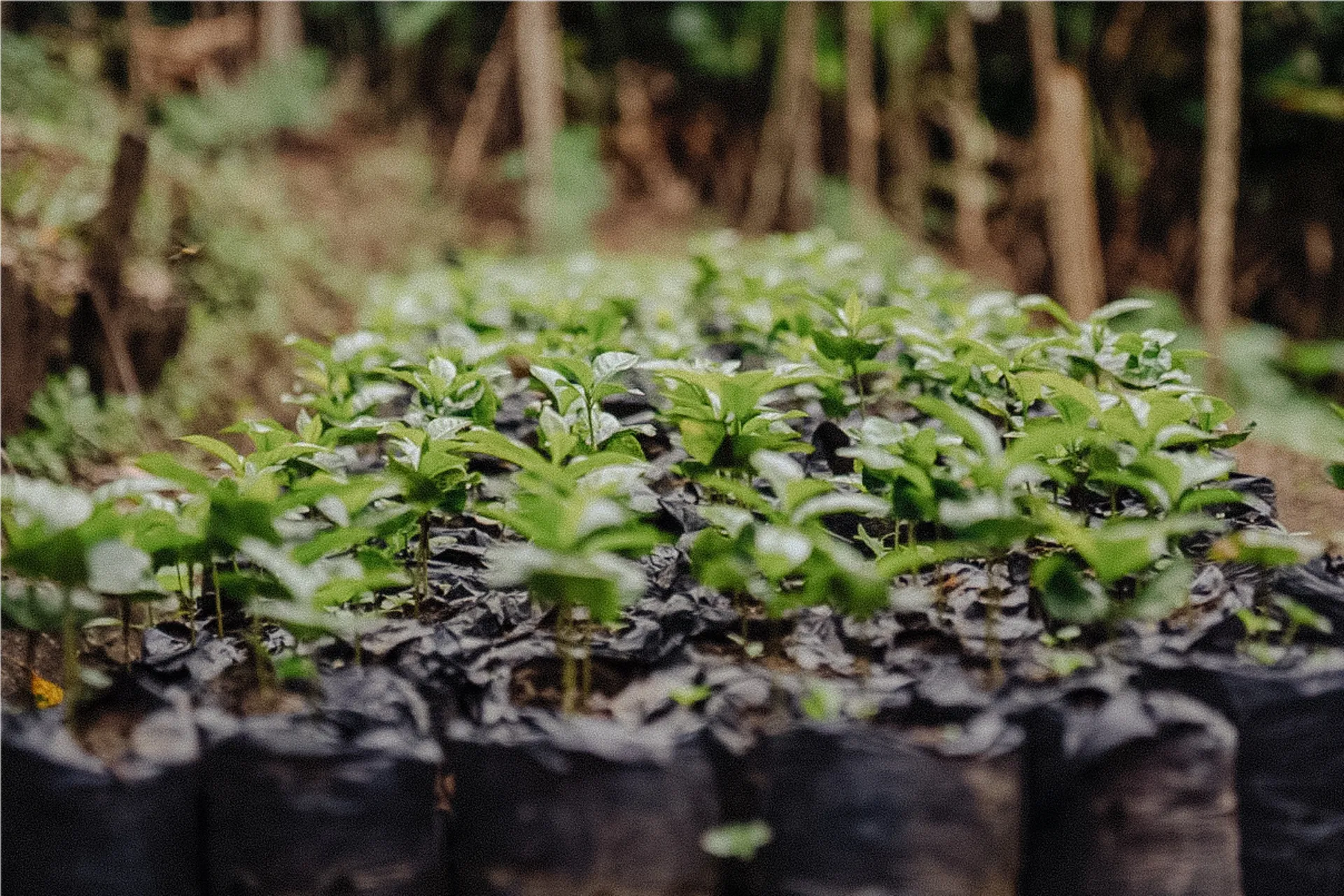
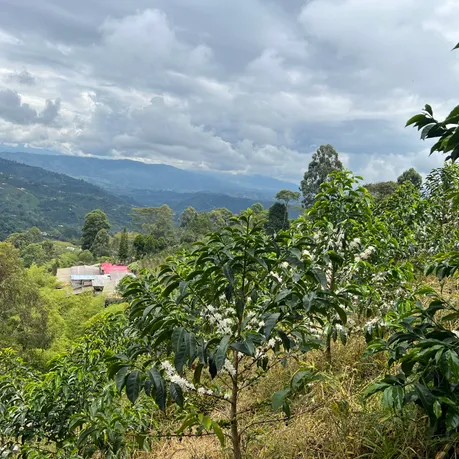
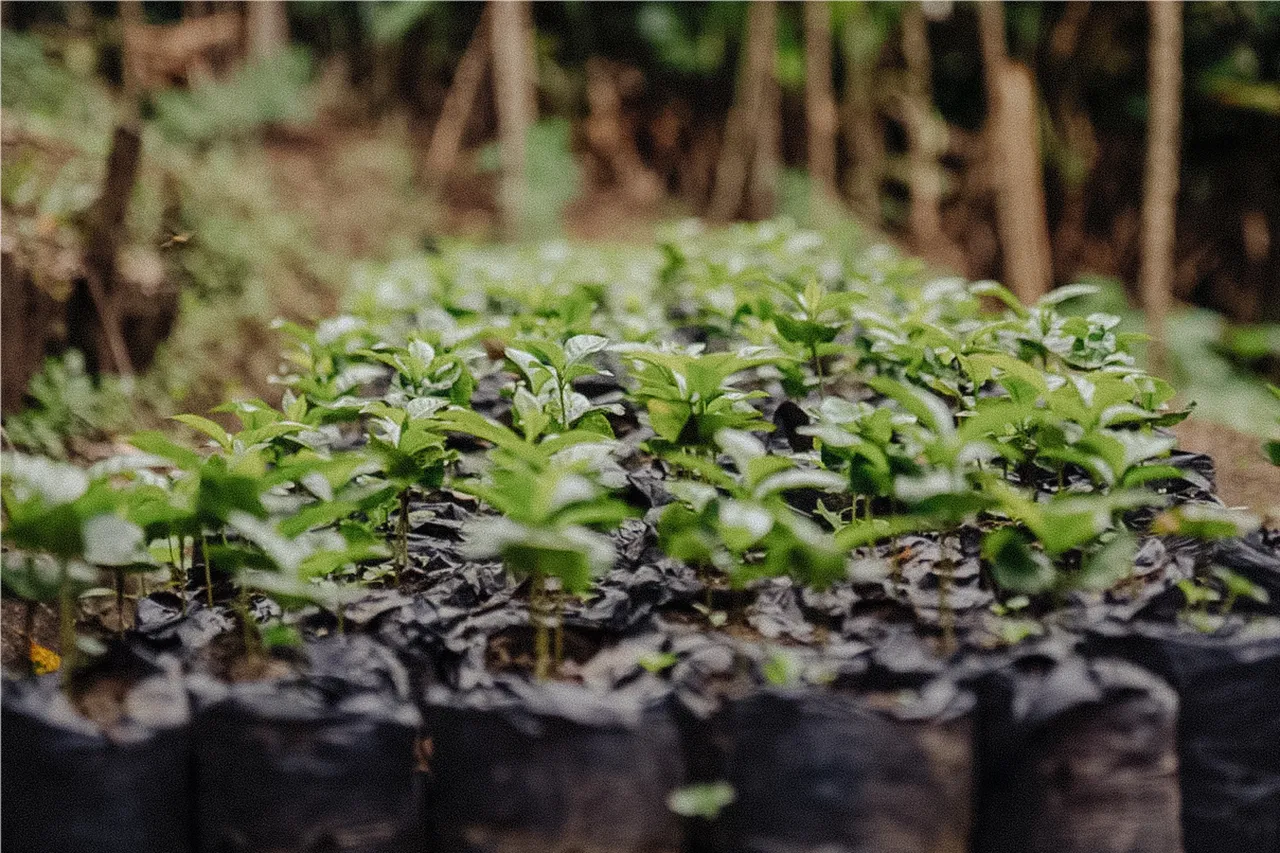
The coffee grows under mixed shade from Inga trees, native hardwoods, erythrina, banana plants and fruit trees. The plots maintain 30 to 50% shade, and fifteen hectares of untouched forest are also protected on Santa Isabel.
The farm works with a combination of lower-impact synthetic inputs, its own compost and biofertiliser made from coffee pulp. Each year, two soil fertiliser applications and three foliar feeds are carried out. Plant health is also supported by regular pruning and shade management.
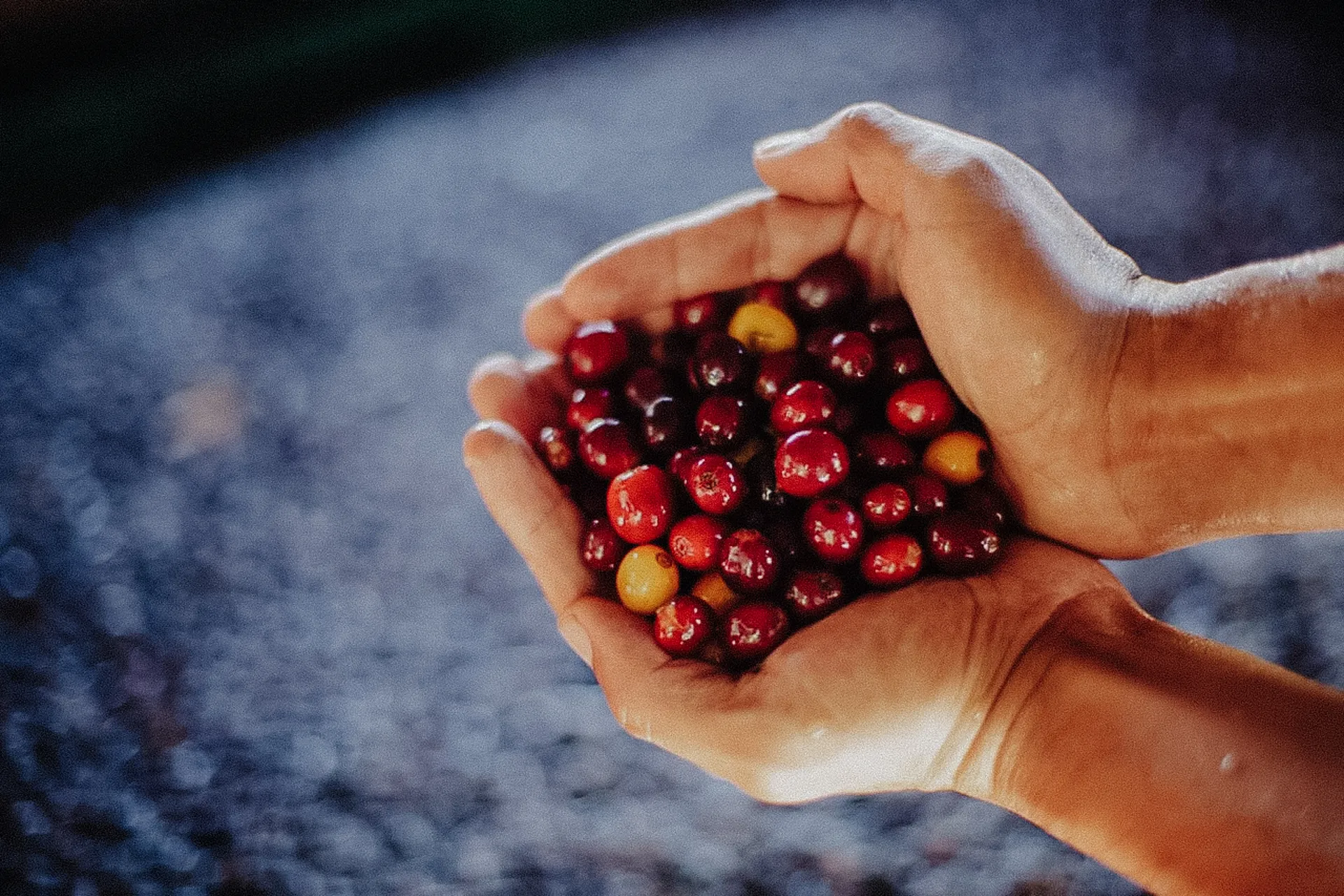
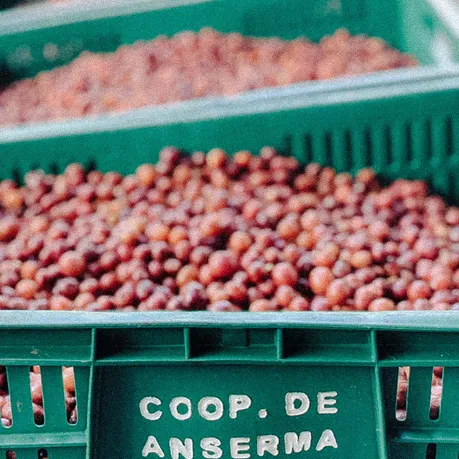
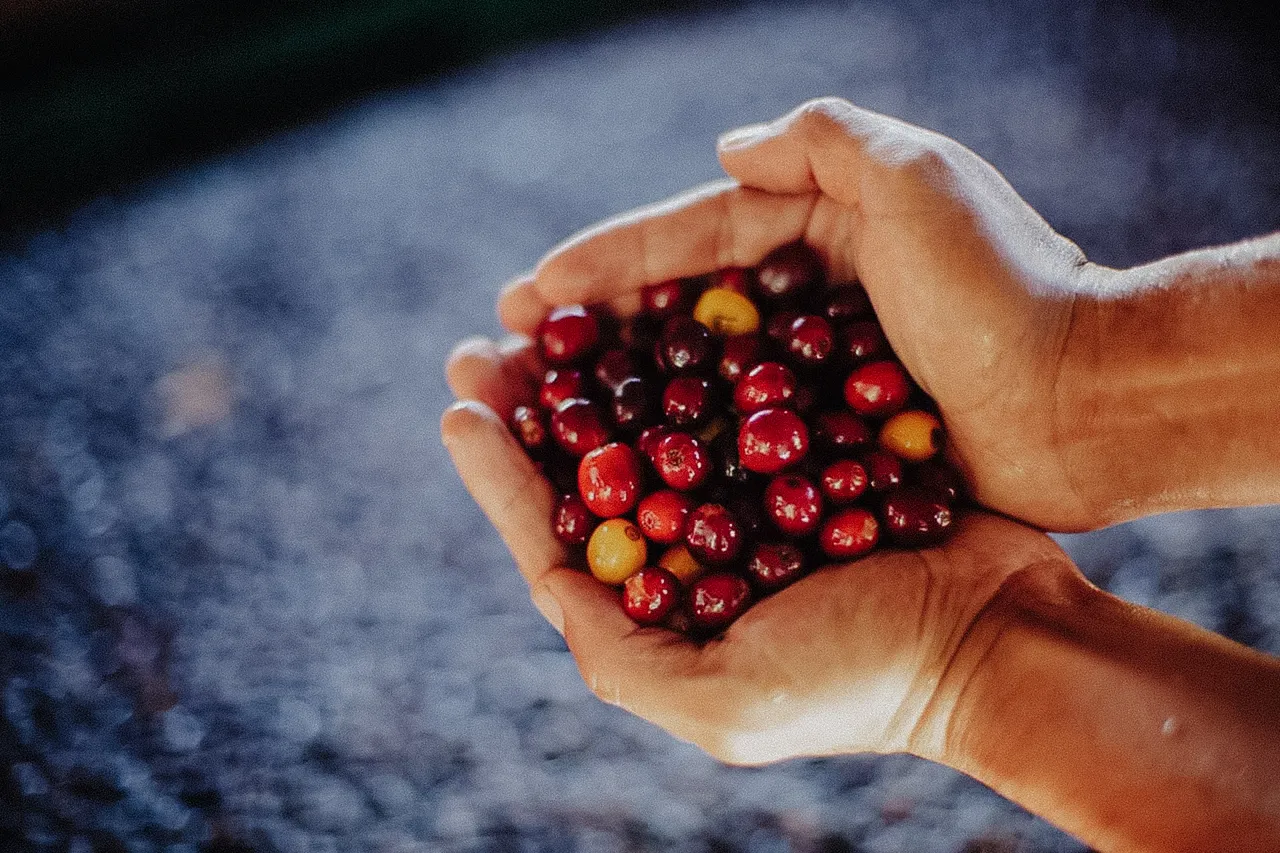
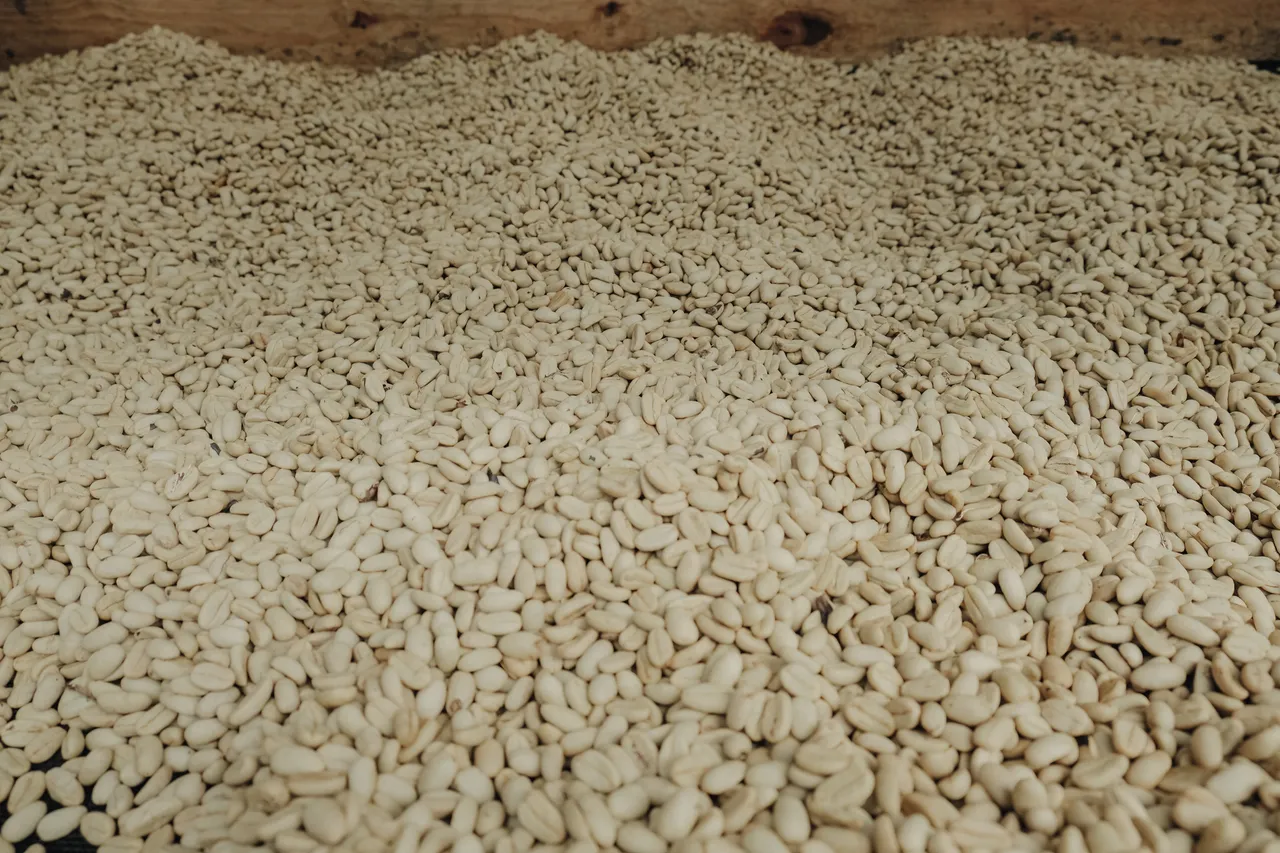
The harvested cherries are hand-sorted, go through separation by density in a water bath and rest for eighteen hours before processing.
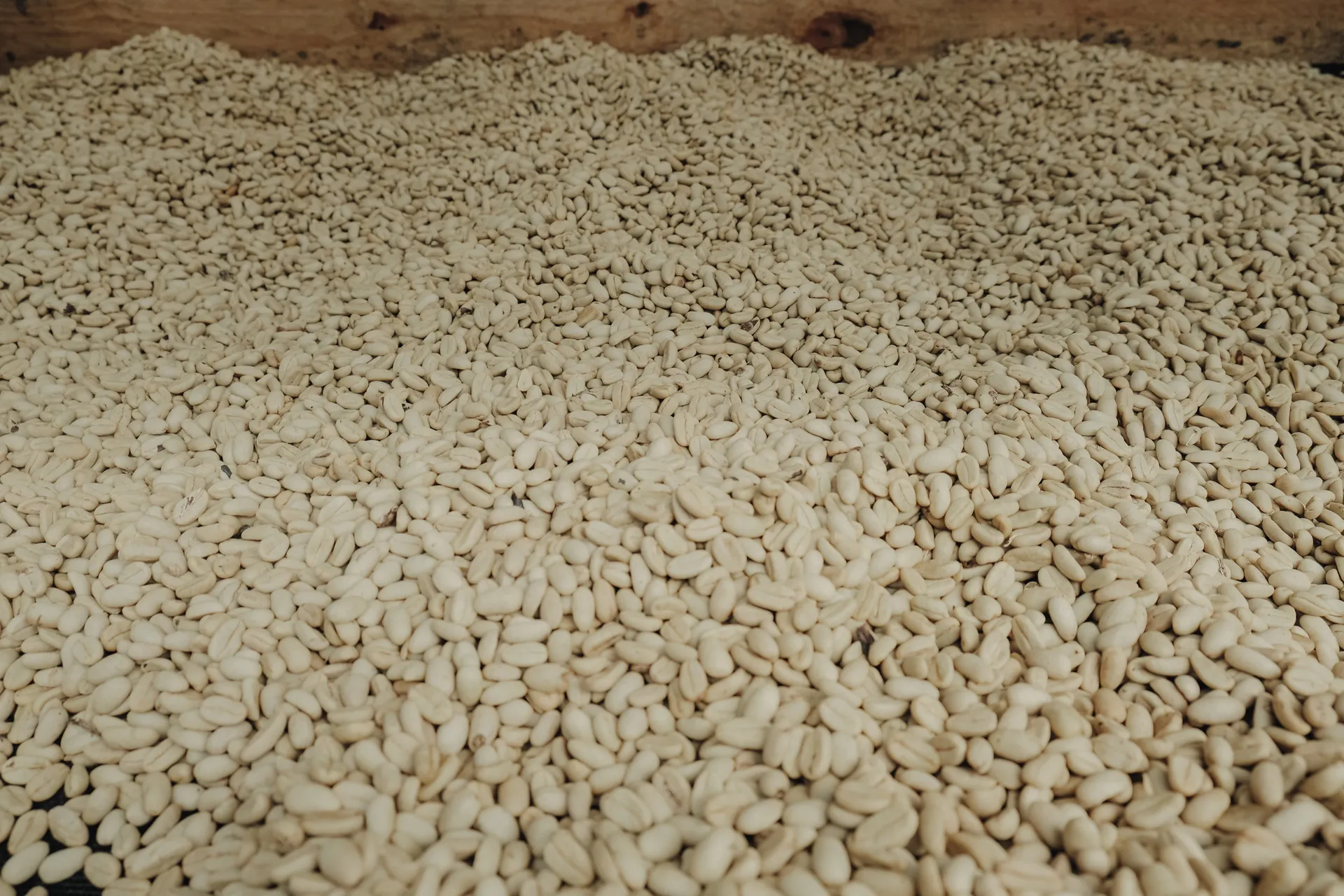
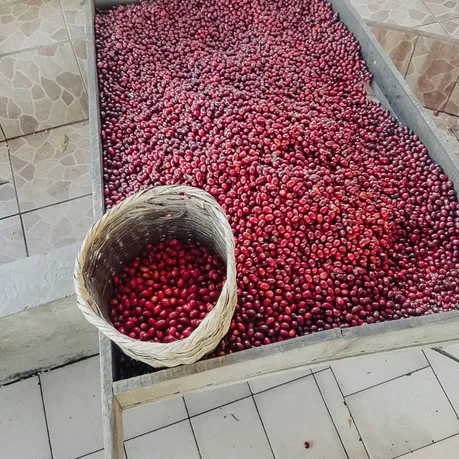
At Finca Santa Isabel, a traditional washed process follows. The coffee is first depulped, then fermented in tiled tanks for 24 to 36 hours, thoroughly washed and then transferred to the dry mill.
Finca Mirjam does not have its own wet mill, so the cherries are transported to Finca Bethania, another family farm. There, washed, honey, natural and anaerobic natural coffees are processed. Everything follows the same routines of strict sorting, fermentation in bags or barrels and quality control.
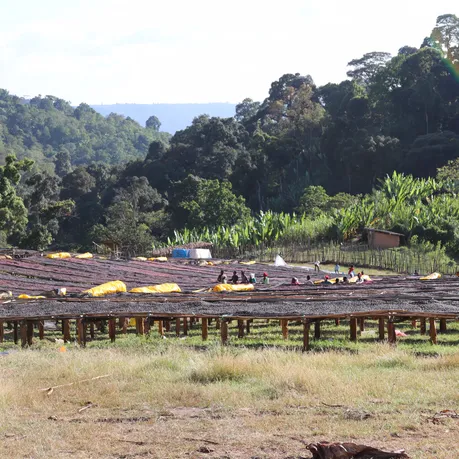
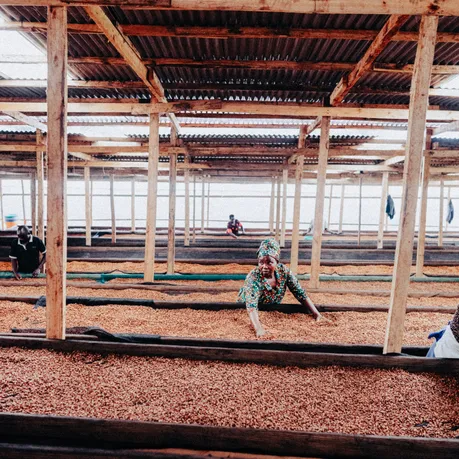
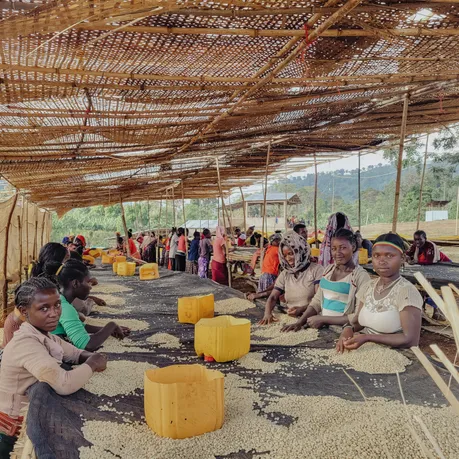
All processed coffee in parchment, meaning the protective husk that remains on the coffee seed after processing, is then moved to the Cafetos de Segovia dry mill. There, it is stored under controlled conditions, hulled, commercially graded and prepared for export.
Both wet mills minimise water use and channel used water into lined oxidation ponds. This helps protect local waterways.
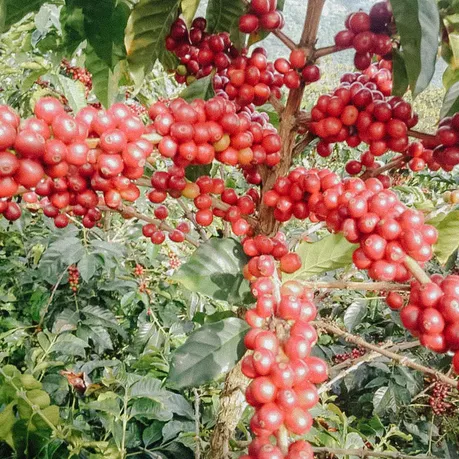
Tierra Linda is made up of Caturra and Red Catuaí. Caturra is a compact Arabica variety commonly grown in Latin America. Red Catuaí was created by crossing Mundo Novo and Caturra, and is valued for good productivity and the plant’s shorter stature.
The farms also grow Catuaí, Parainema and Catimor. In this text, however, Tierra Linda is based on the Caturra and Red Catuaí varieties.