FilterNew
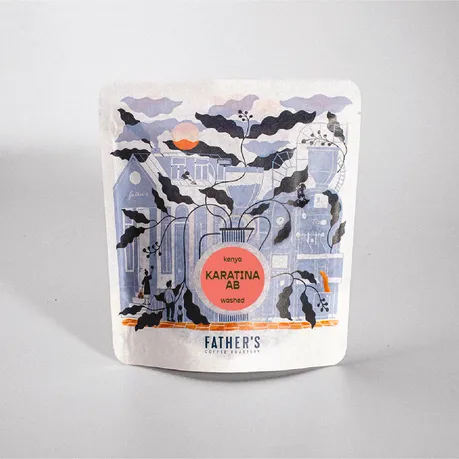
Kenya - Karatina AB
€17.36
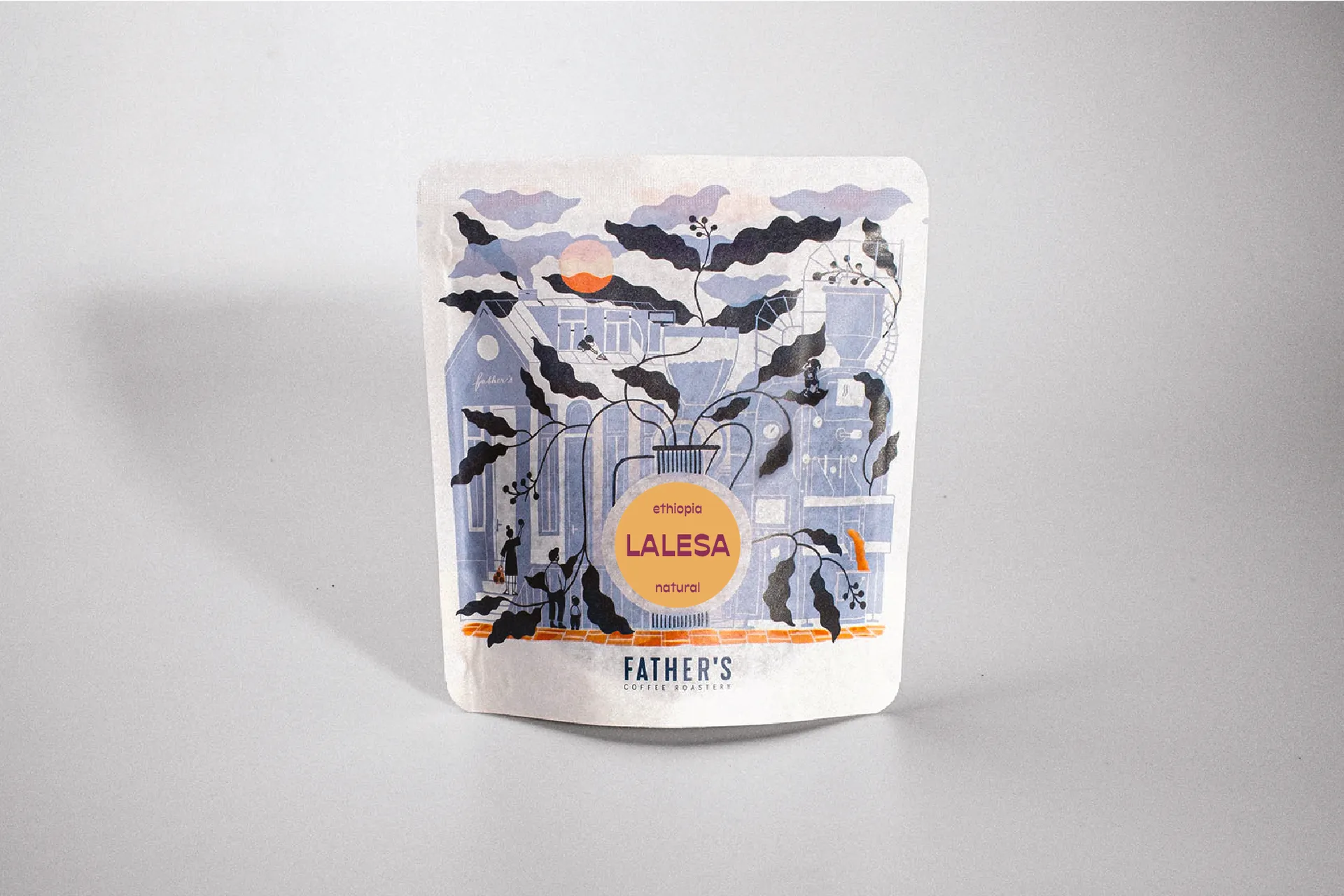
Lalesa is one of our favourite Ethiopian coffees, not least because we have visited the station ourselves. We have a great relationship with its owner, Wubit Bekele, and we know that every coffee she sends our way is worth getting excited about. This harvest from the Gedeb area is naturally processed, roasted for filter, and in its profile you will find notes of blueberry, lavender, lemon and cheesecake.
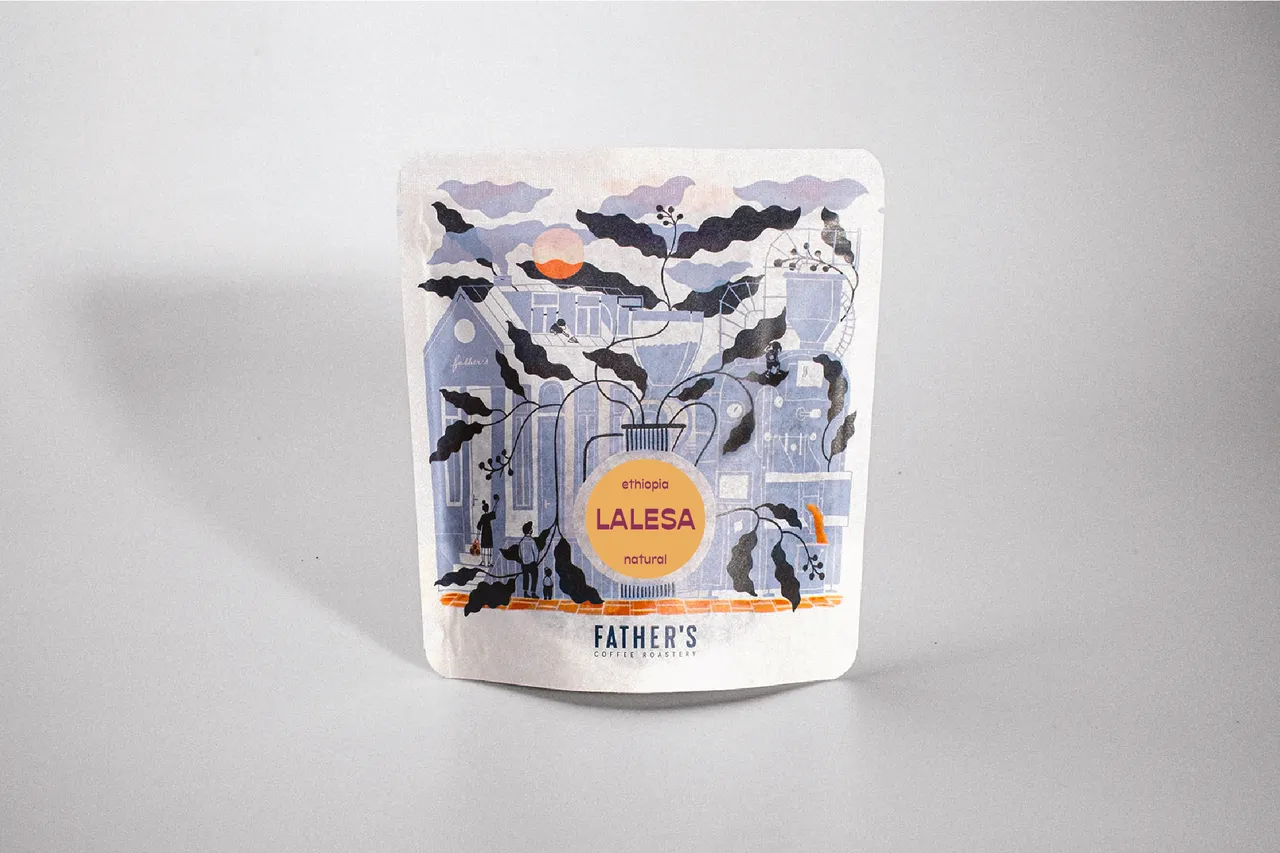
We roast this coffee for filter. It suits all types of filter brewing (V60, Solo Dripper, Aeropress, Chemex, French press, Clever Dripper...).
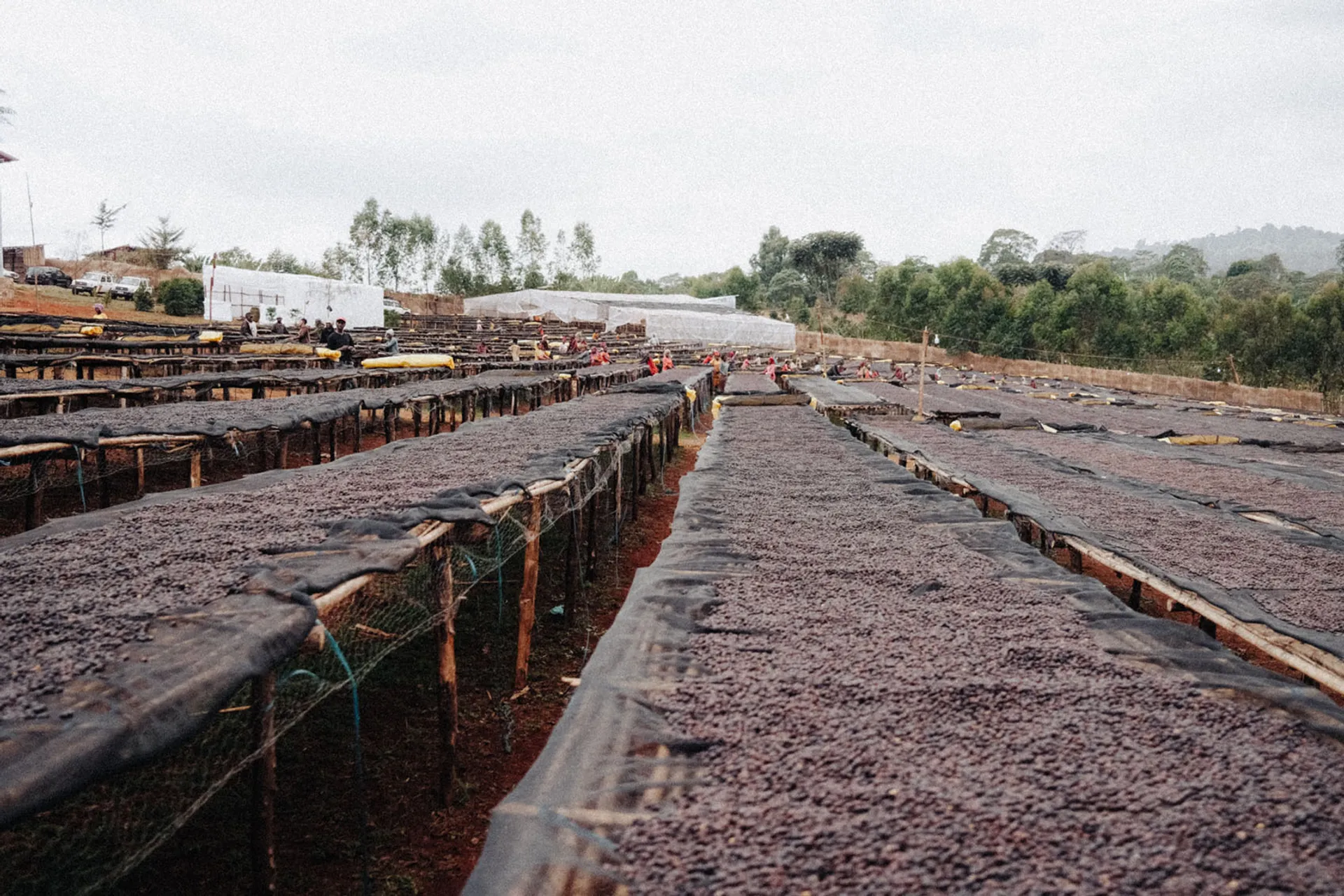
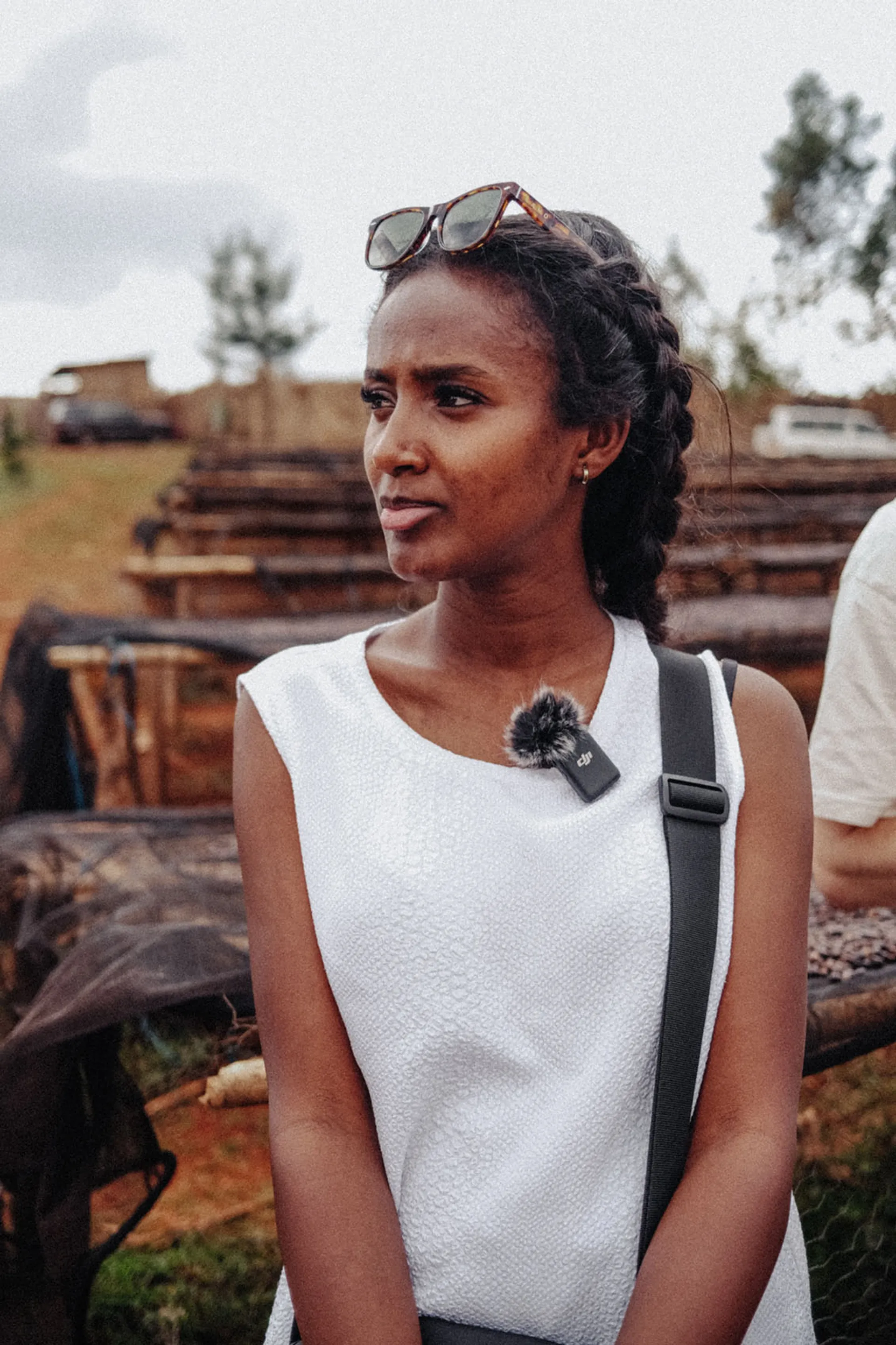
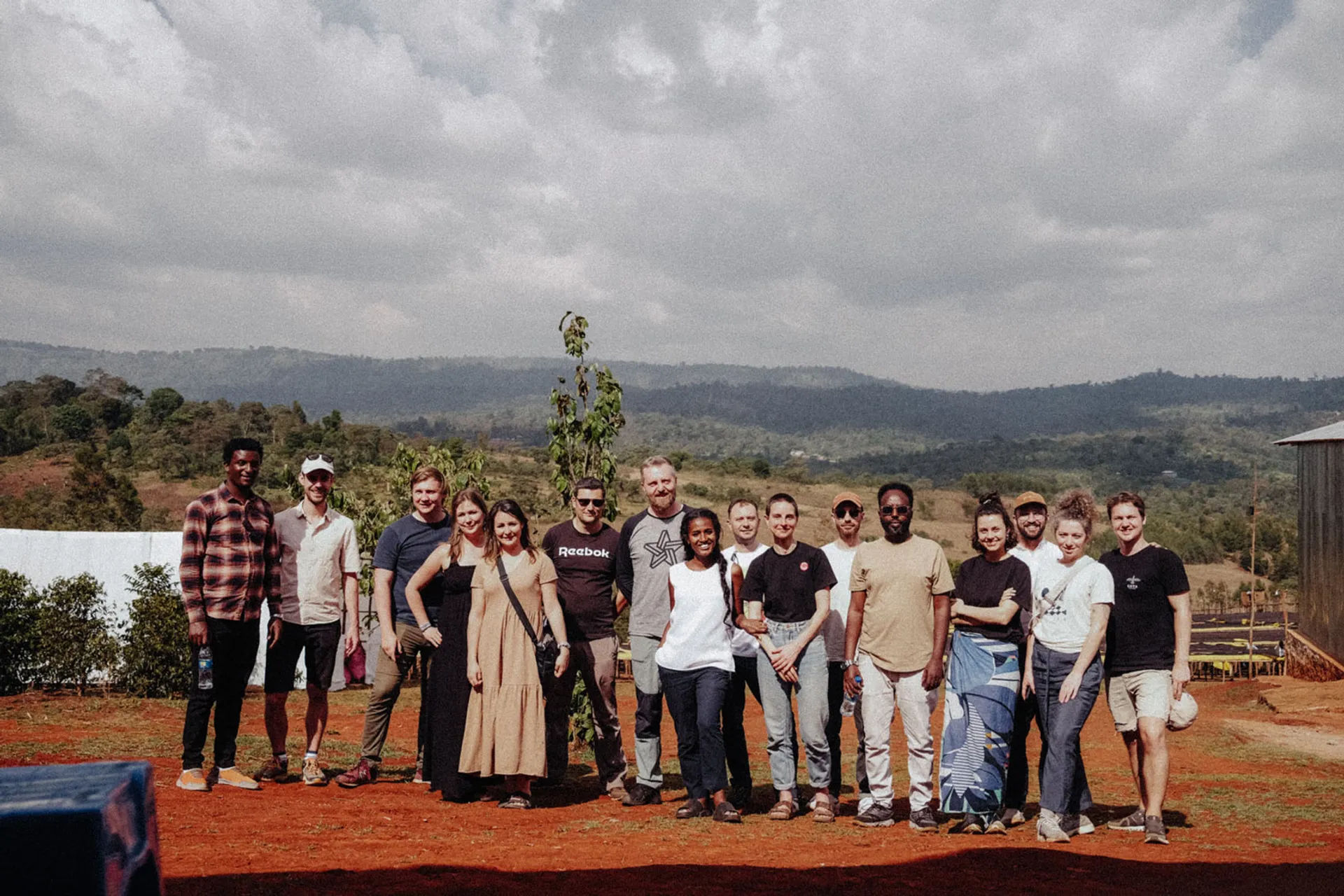
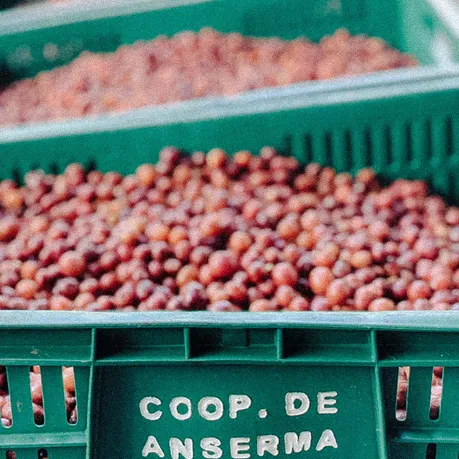
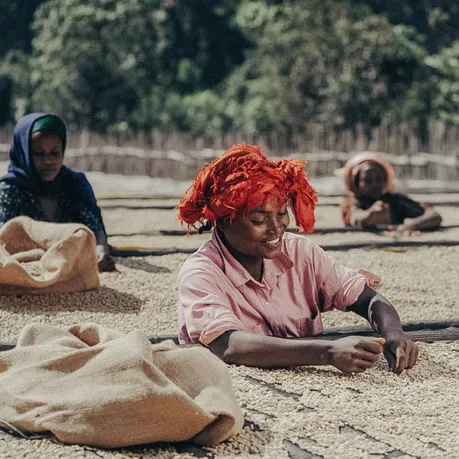
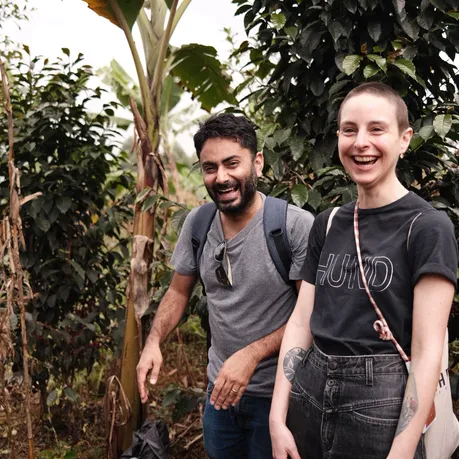
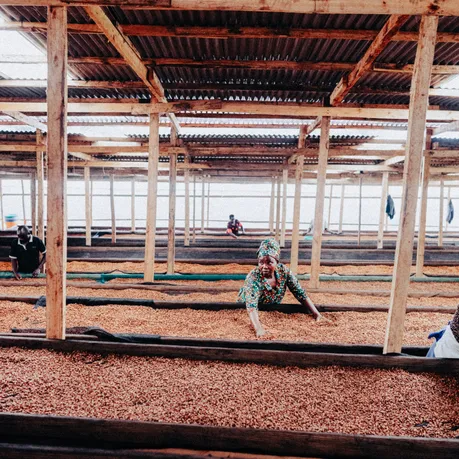
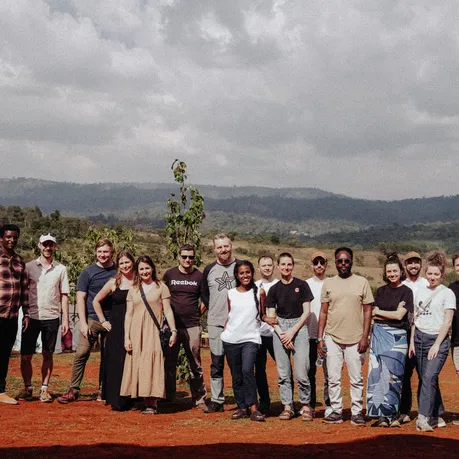
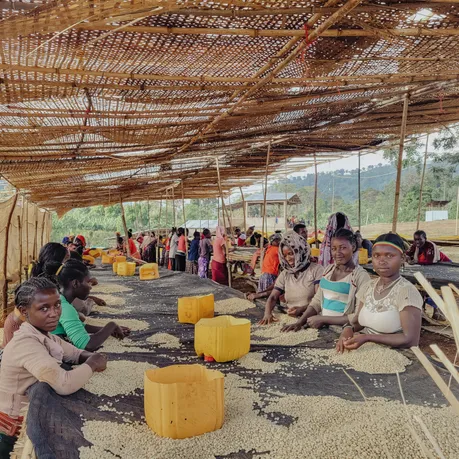
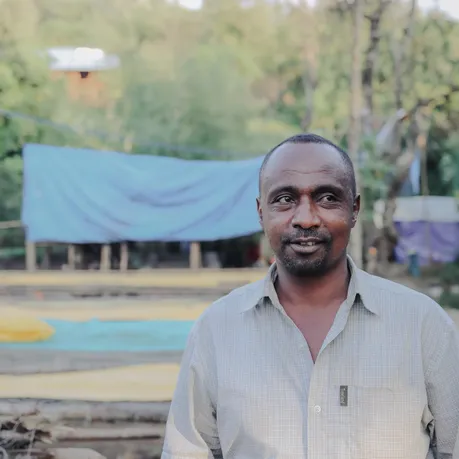
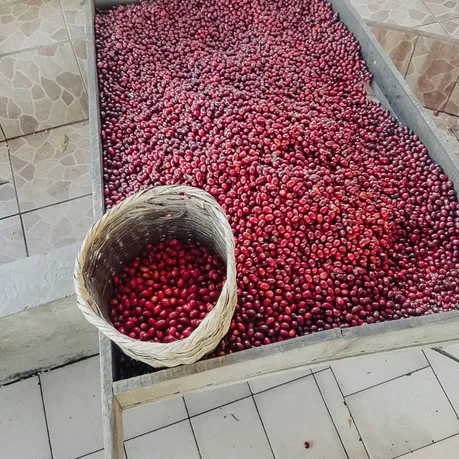
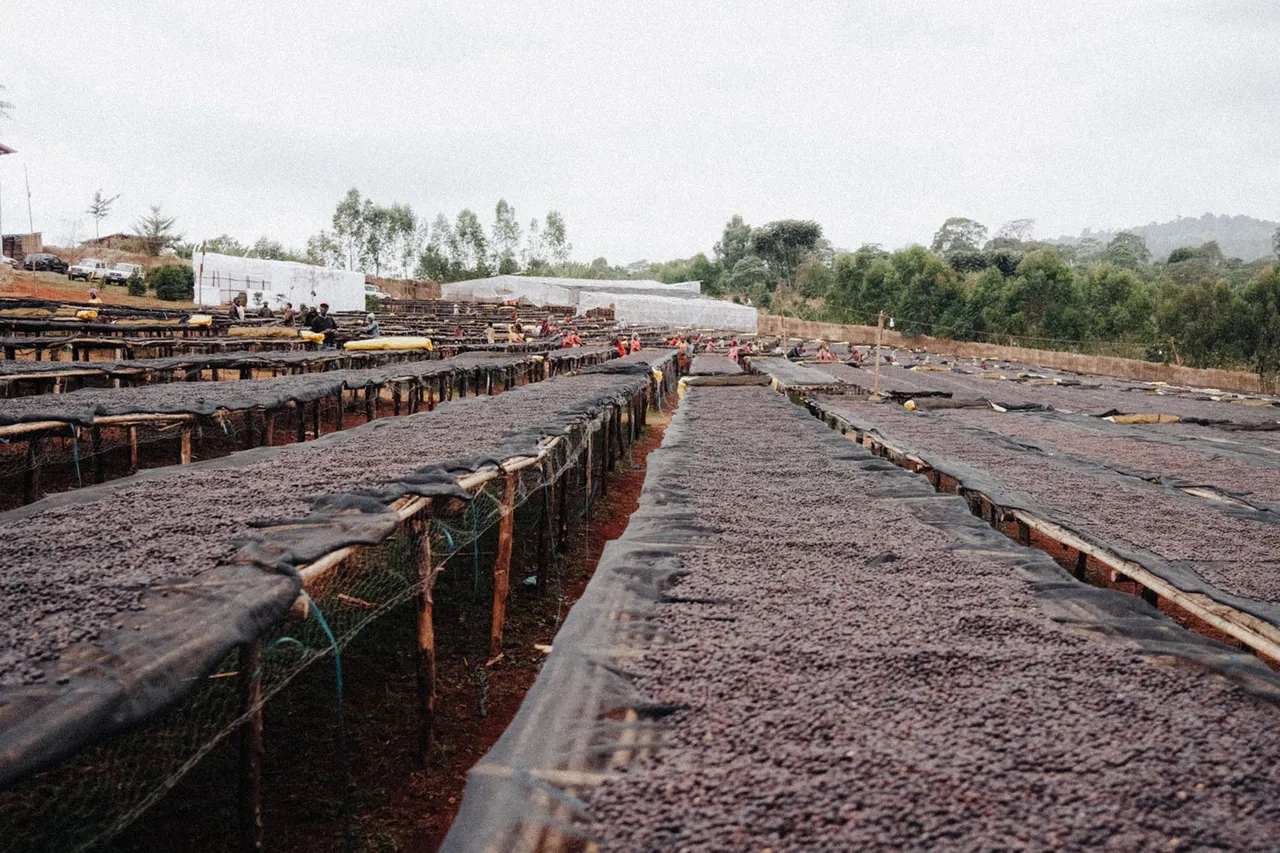
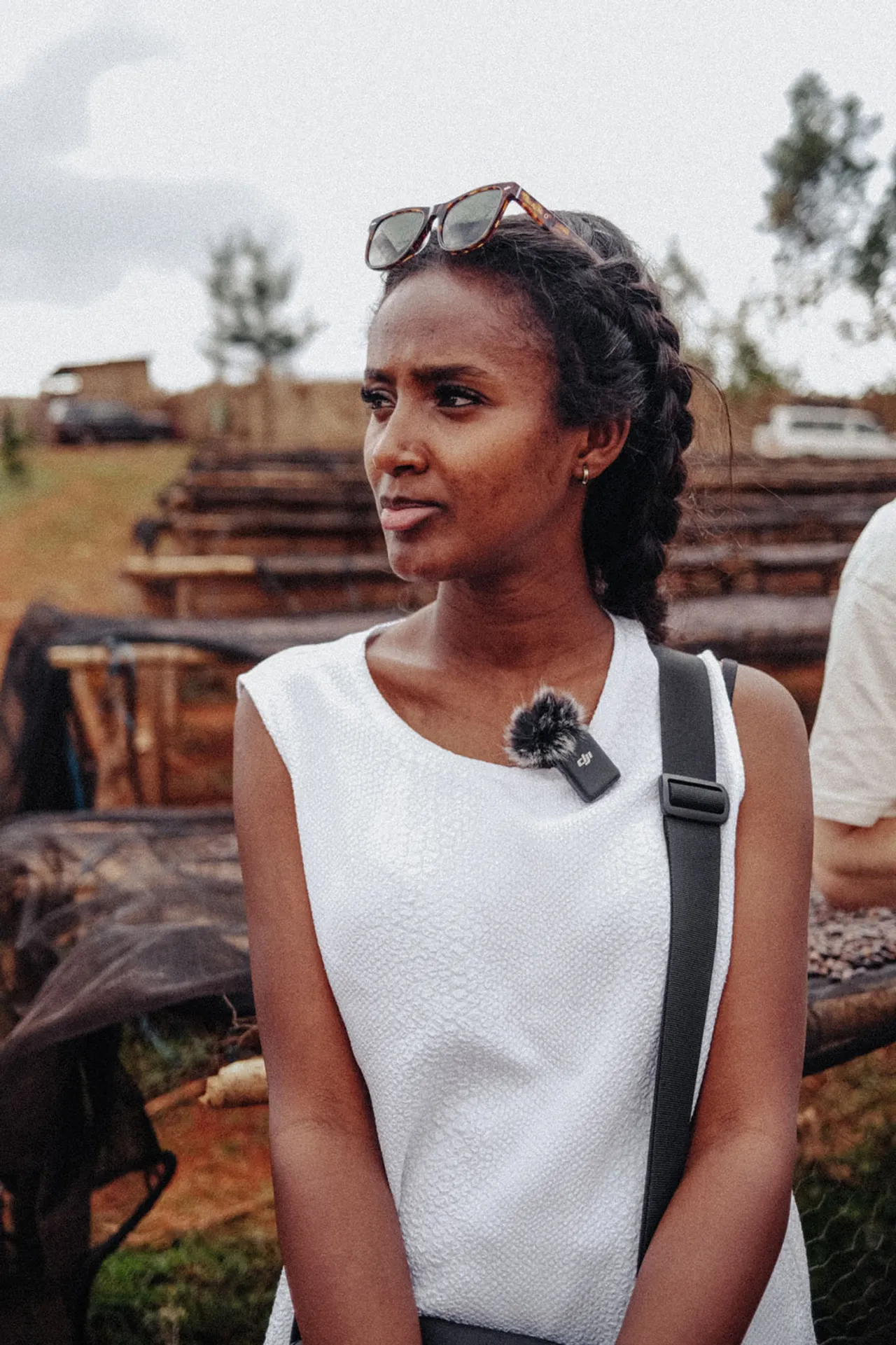
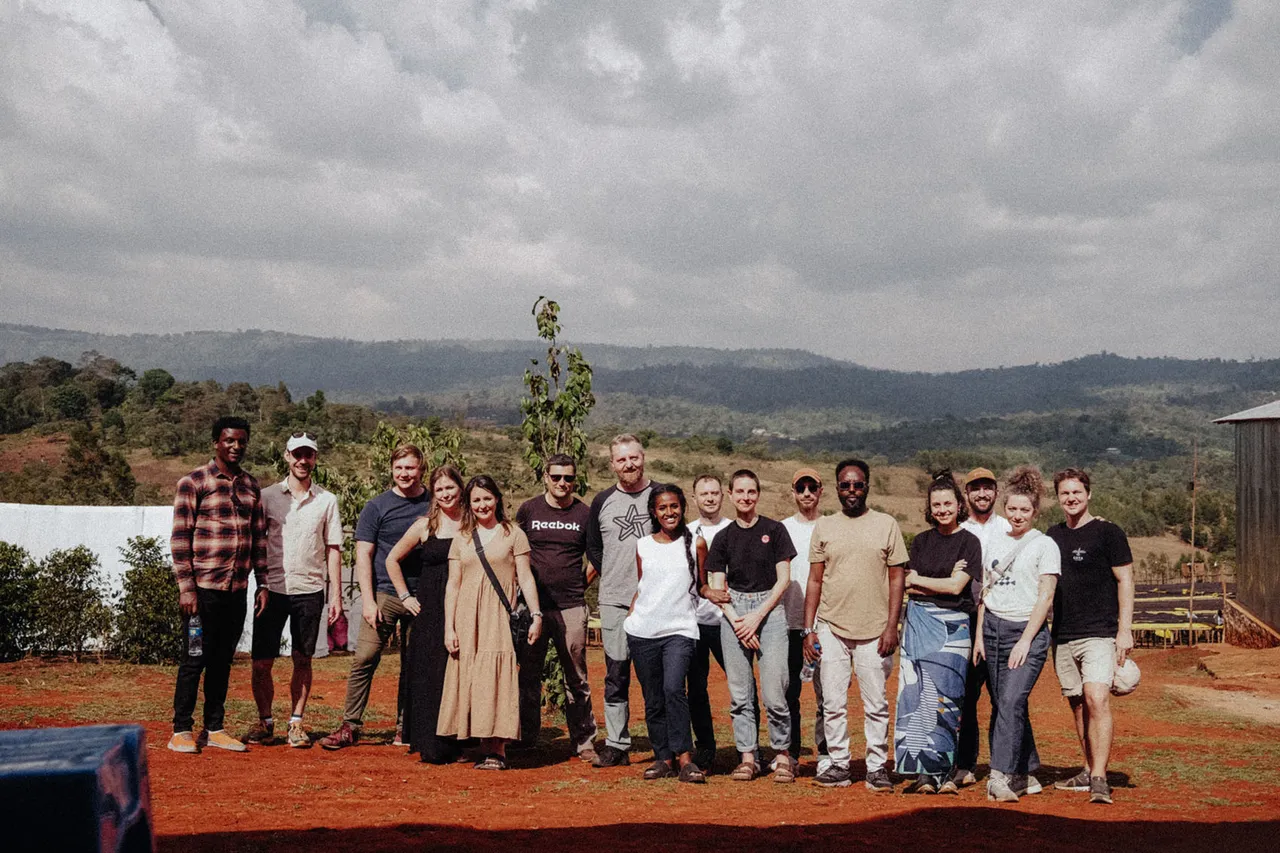
Lalesa is not just a name on a coffee bag for us. We stood at the drying station and watched the women sort the cherries one by one with great care. We watched Wubit Bekele, the owner of the station, lead her team with energy and determination. It was a moment we will not forget.
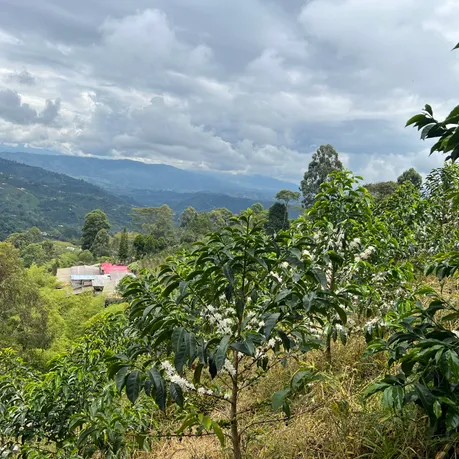
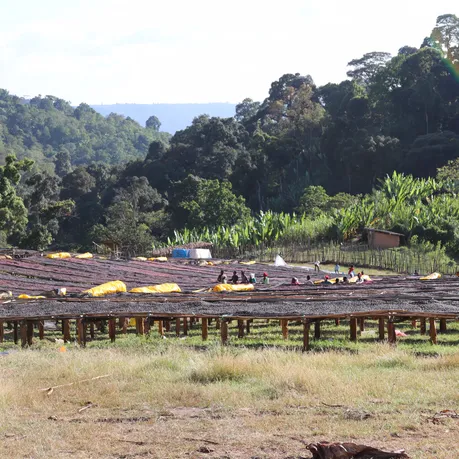
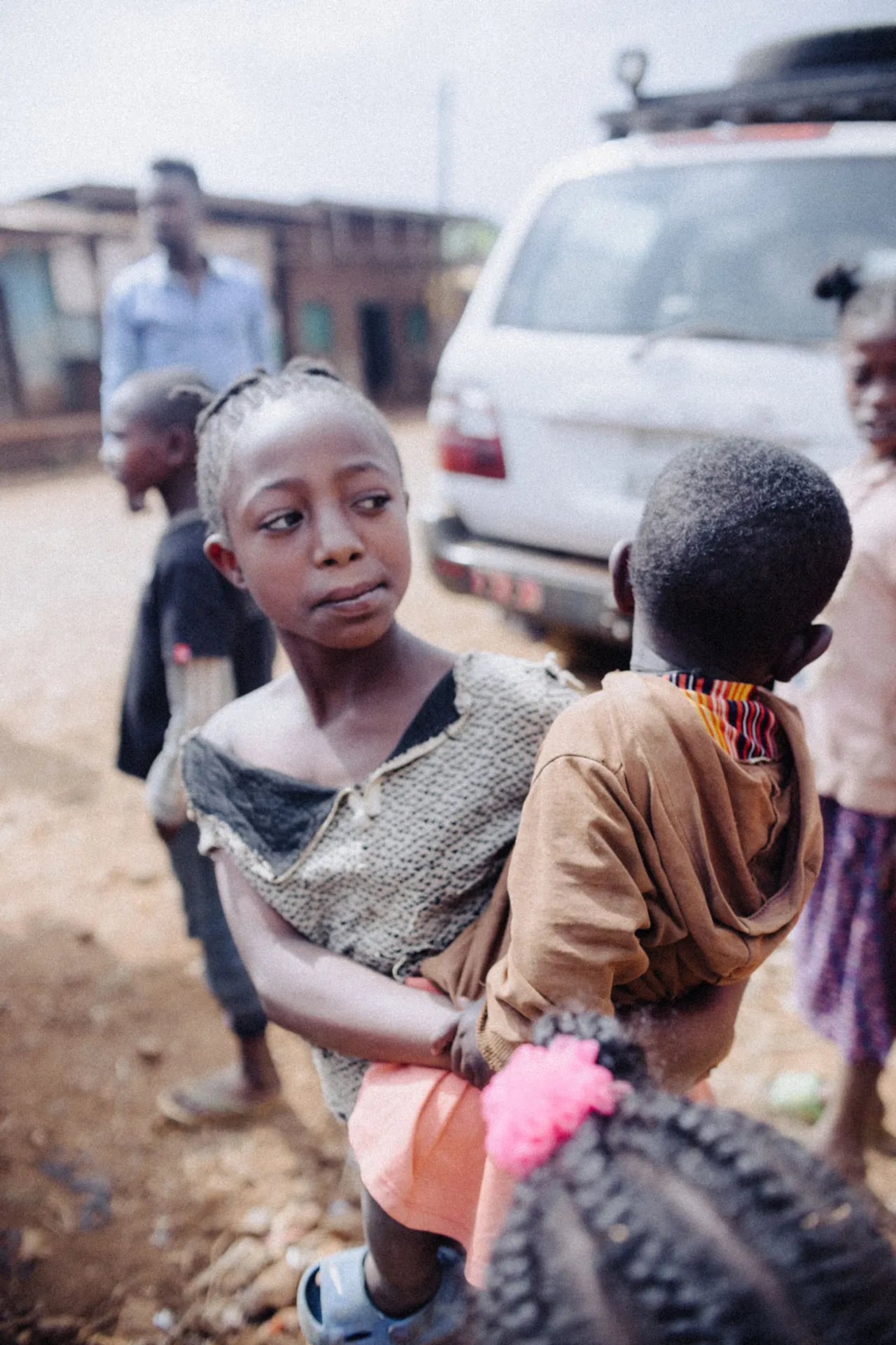
The station in Lalesa village, Gedeb district, is owned by Wubit Bekele and run under Ephtah Specialty Coffee. She bought the land in July 2023 and built the warehouse and drying beds two months later, in September 2023. Today it is the largest drying site in Gedeb: around 3.5 hectares, roughly 400 drying beds, seven permanent staff and around 130 seasonal workers during harvest. Smallholder farmers from the surrounding area bring their cherry here. They grow their coffee trees under the shade of Ensete trees, also known as false banana, which they also grow for food.
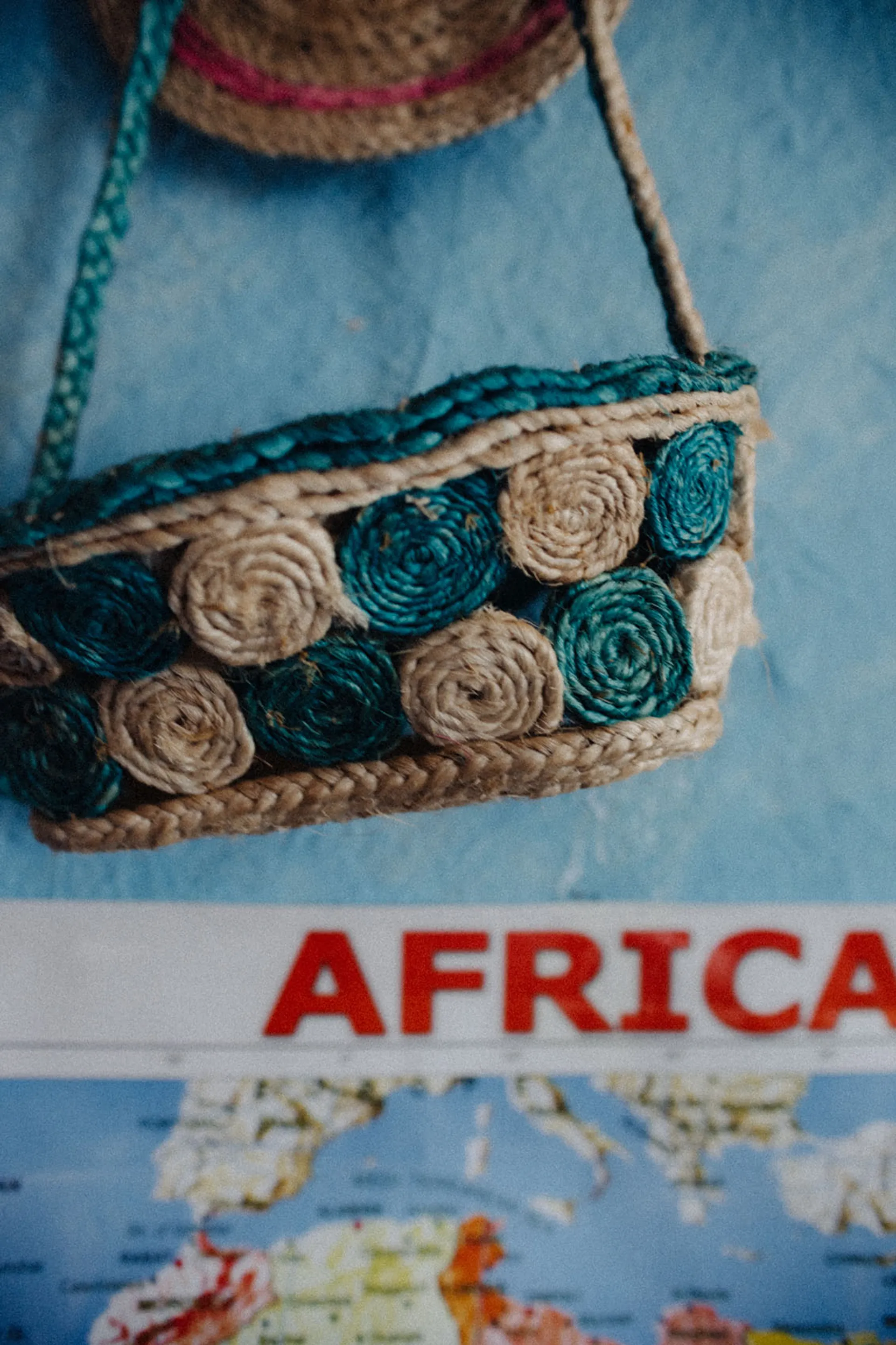
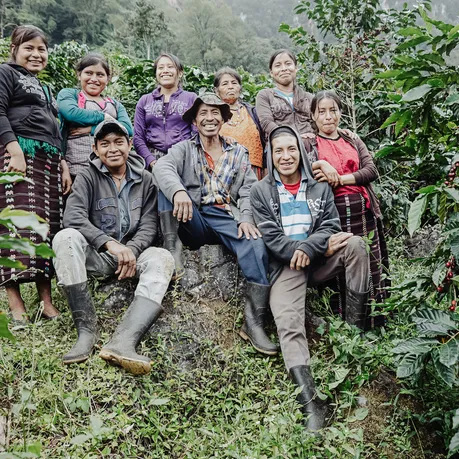
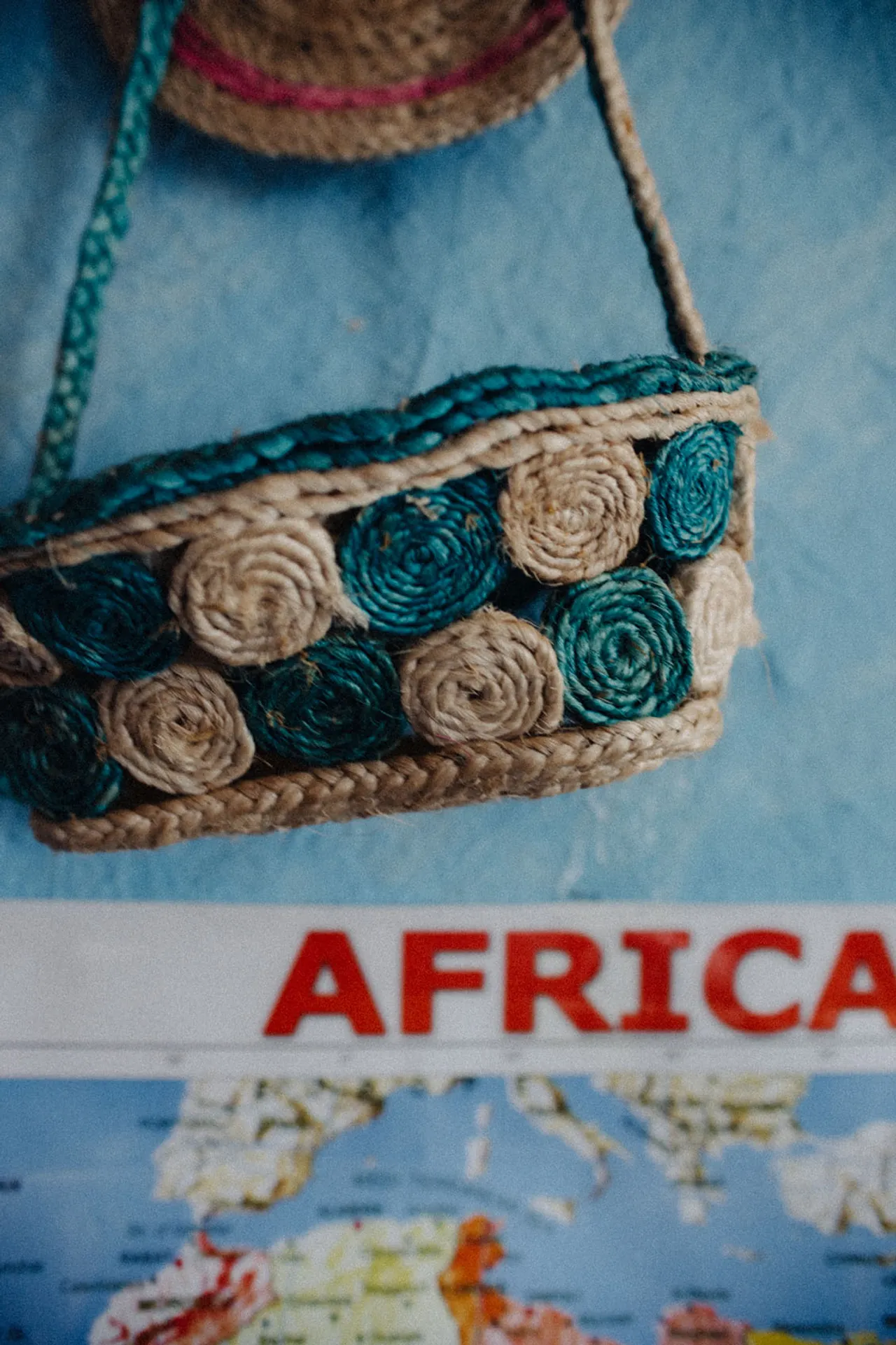
Ephtah Specialty Coffee has long been building a sustainable, fair supply chain. Farmers get an initial payment as soon as their coffee is received at the site, and Ephtah supports a daycare centre nearby for workers' children. Some women farmers in the area are also part of Ephtah's Ama Commitment scheme, which supports the role of women in coffee growing and in the local community. Women at the station also make and sell traditional baskets. This is something we were able to see for ourselves during our visit.
This harvest is made up of the 74110 and 74112 varieties, along with local Ethiopian varieties collectively known as Heirloom. These have been grown in Ethiopia for a long time and are well suited to the conditions around Lalesa, Gedeb. The combination of higher altitude, the Gedeb climate and this processing method makes for a cup with a distinctly fruity profile. The result is a calm, layered Ethiopian coffee with plenty of character that still stays clear and approachable.