FilterNew

Kenya - Karatina AB
€17.36
We were really looking forward to this Colombian decaf. Diego Samuel Bermudez is known for his innovative approach to coffee processing, and this Castillo lot processed with the Decaf PO2 Thermal Shock method is a good example of that. The last decaf we had from Diego was very well received, showing us how layered and expressive decaf can be. We roast this coffee for filter, and in its profile you will find notes of poppyseed cake with plum jam.

We roast this coffee for filter. It works well with all types of filter brewing methods (V60, Solo Dripper, Aeropress, Chemex, French press, Clever Dripper...).
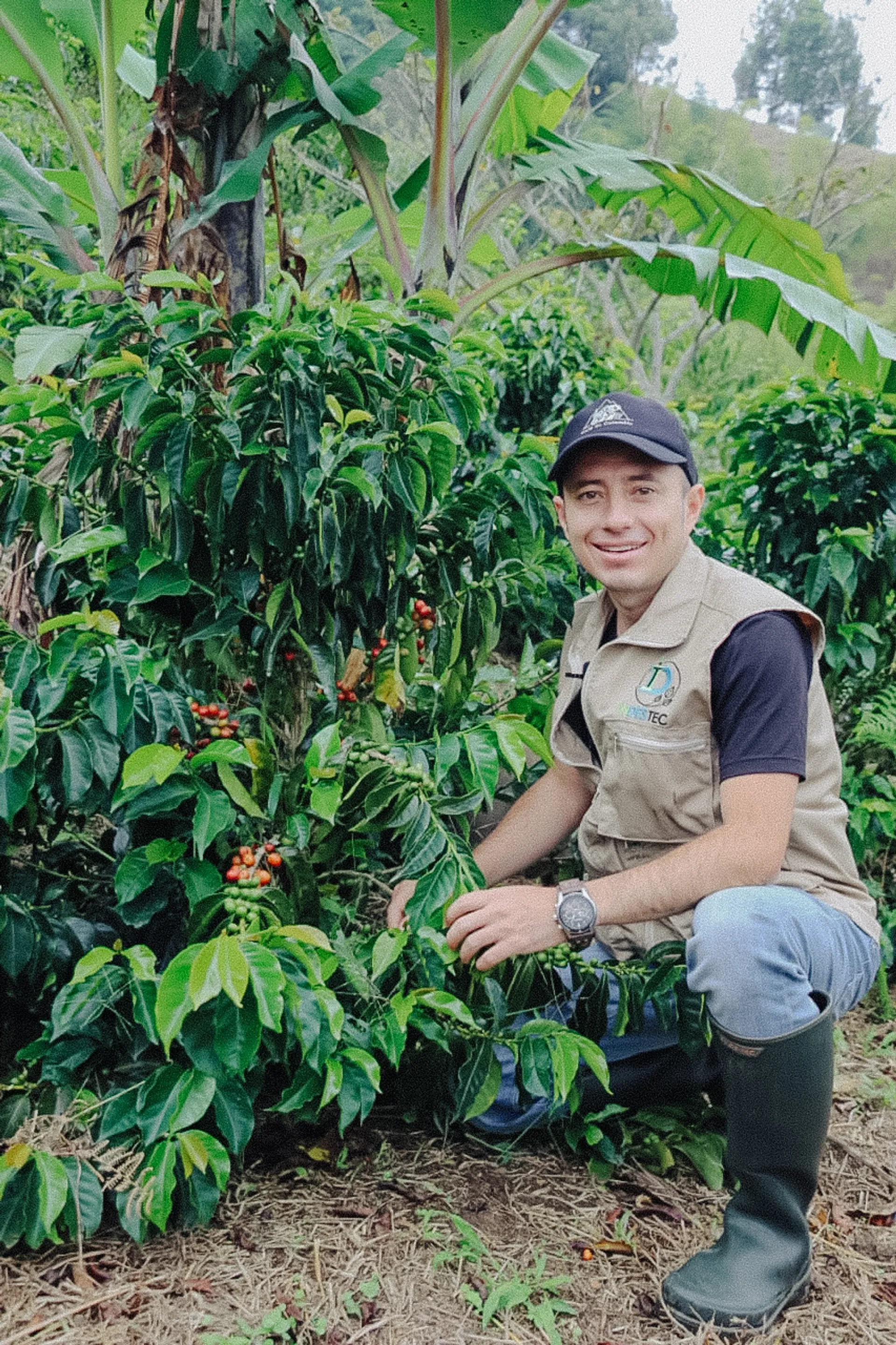
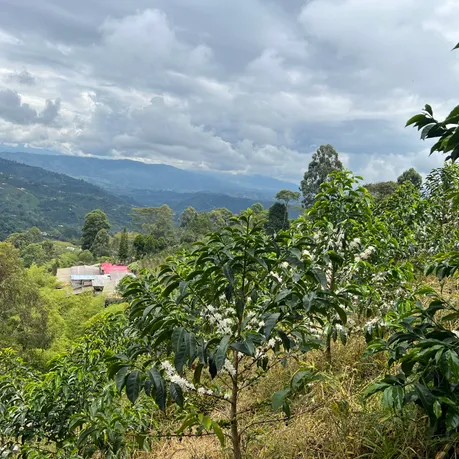
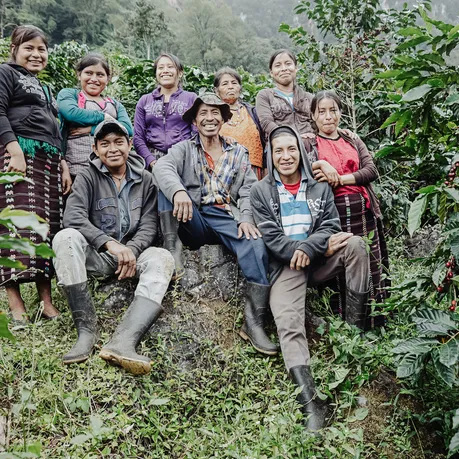
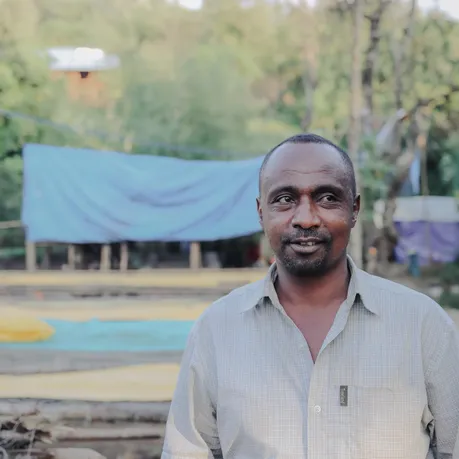
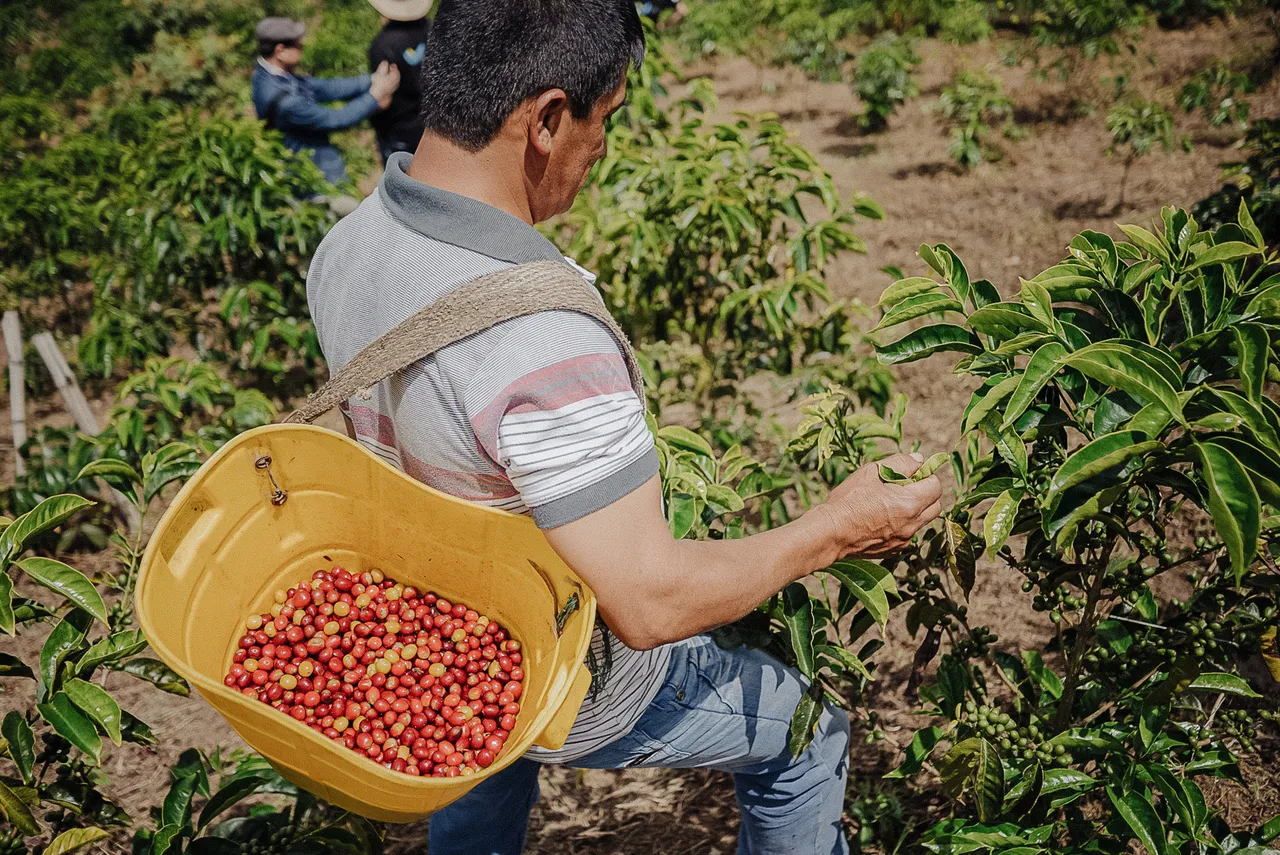
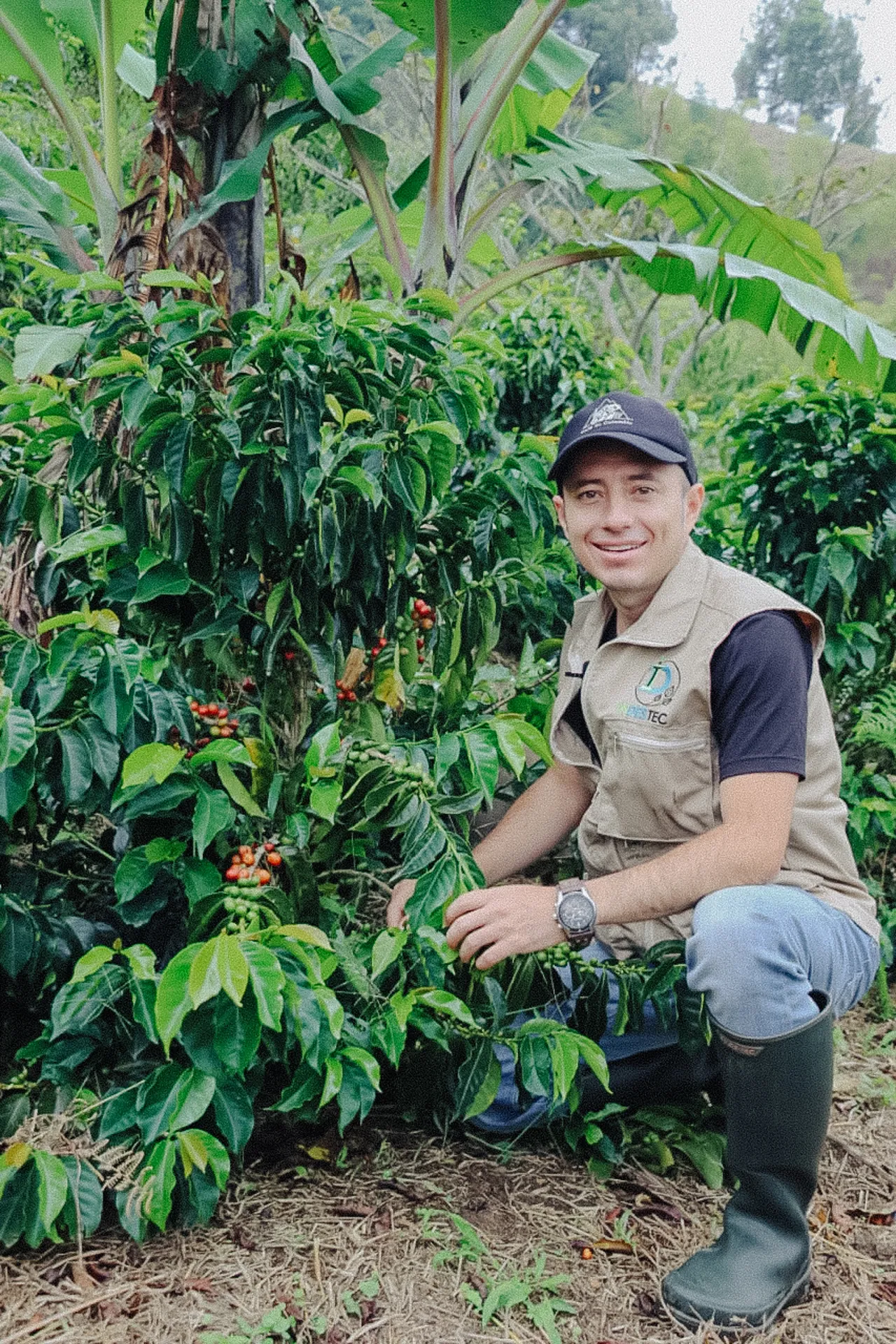
Behind this coffee is Diego Samuel Bermudez, a producer from El Tambo in the Colombian region of Cauca. He has been growing coffee for the past 16 years, building a deep understanding not only of coffee production itself, but also of specialty coffee processing.
His farm, Villa Esperanza-Paraiso, covers 27 hectares and is planted with Castillo, Colombia, Caturra, Pink Bourbon and Geisha. Diego works on the farm together with his family. They have built their own laboratory on the farm, where they focus on cupping and roasting. This allowed them to start developing their own fermentation protocols and better understand how each step of processing affects the final cup.
Since 2015, Diego has won several awards. Alongside his cupping experience, he has also completed the CQI Level 2 Processing Course, which focuses on coffee processing.
Anaerobic fermentation in whole cherries
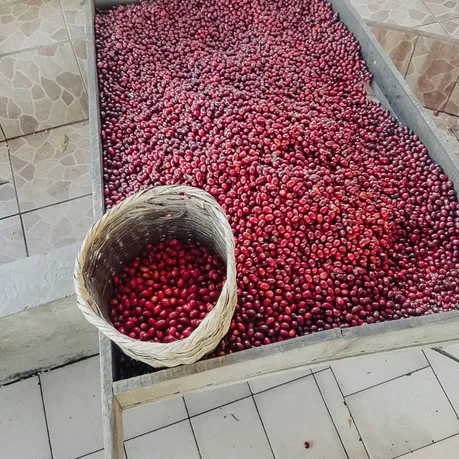
The PO2 process begins with anaerobic fermentation of whole coffee cherries. The coffee stays for 28 hours in tanks with pressure relief valves at a temperature of 19 °C. Anaerobic means that the fermentation takes place in an environment with limited access to oxygen. This gives the producer more control over the process and helps work towards a specific flavour result.
Removing the skin and pulp
After the first stage of fermentation, the coffee is pulped, which means the skin and part of the fruit flesh are mechanically removed. A sticky, sweet layer called mucilage remains on the bean and plays an important role in the next stage of processing.
Anaerobic fermentation with mucilage
The coffee then undergoes a second anaerobic fermentation, this time with the beans still covered in mucilage. This stage lasts 40 hours at 21 °C. It is part of Diego’s precisely designed protocol, helping shape the clarity and intensity of the flavour profile.
Thermal Shock
After fermentation, the coffee goes through what is called thermal shock. This means it is washed first in hot water at 40 °C and then in water at 12 °C. It is a controlled temperature change during washing and forms part of this processing method.
Drying
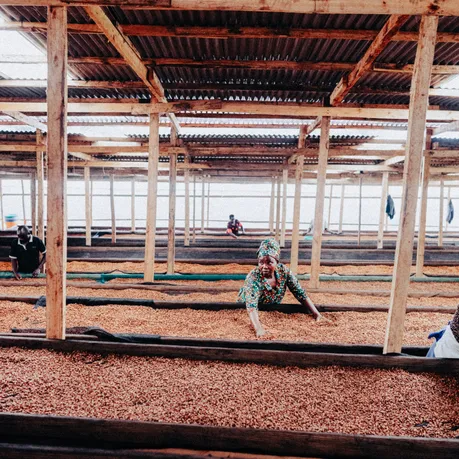
Finally, the coffee is dried for 28 hours at 42 °C, until the bean moisture reaches 10–11%. The goal is to bring the coffee to a stable moisture level for storage and roasting.
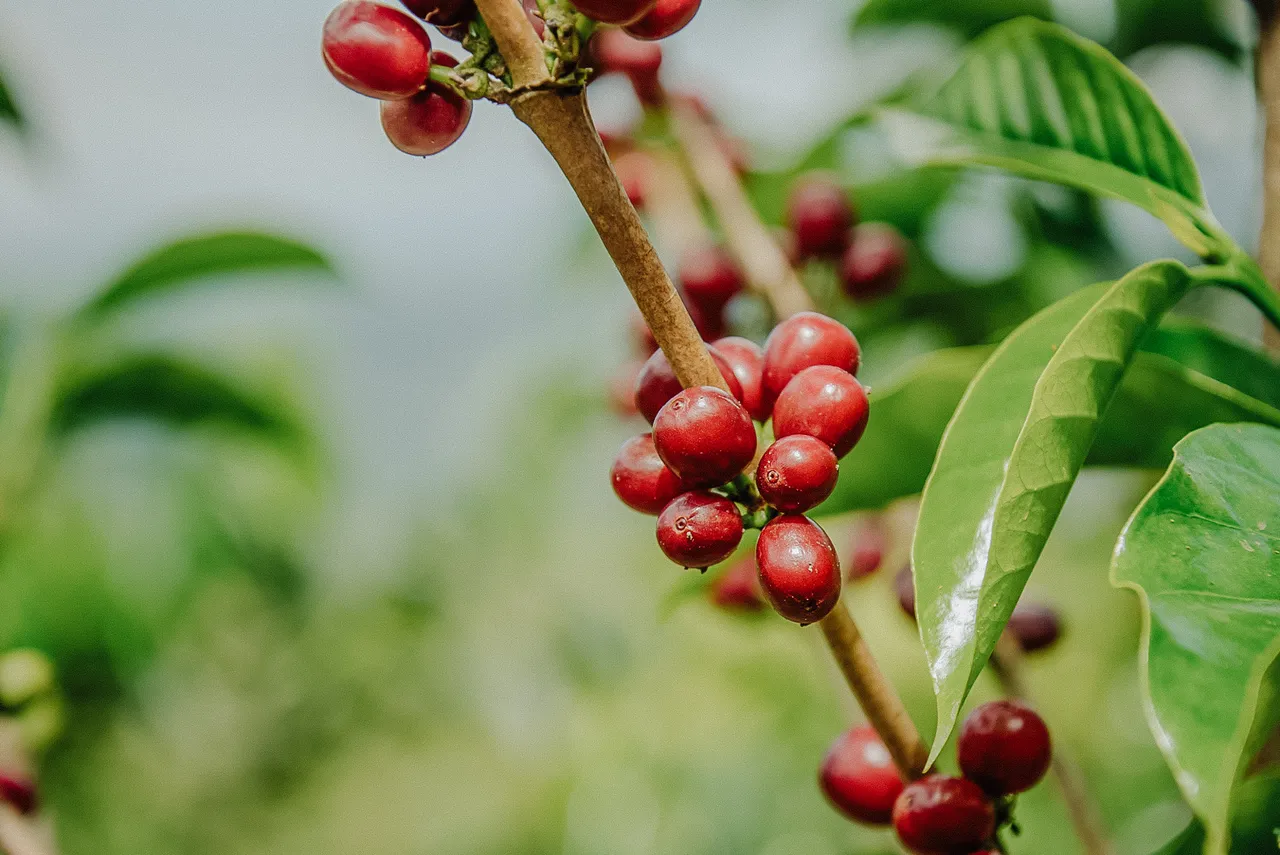
Castillo is a Colombian arabica variety developed as a more resilient alternative to traditional varieties grown in the country. It is often spoken about mainly for its practicality for farmers, but in the hands of a producer like Diego Samuel Bermudez, it also shows a very clean and expressive flavour potential.