FilterNew
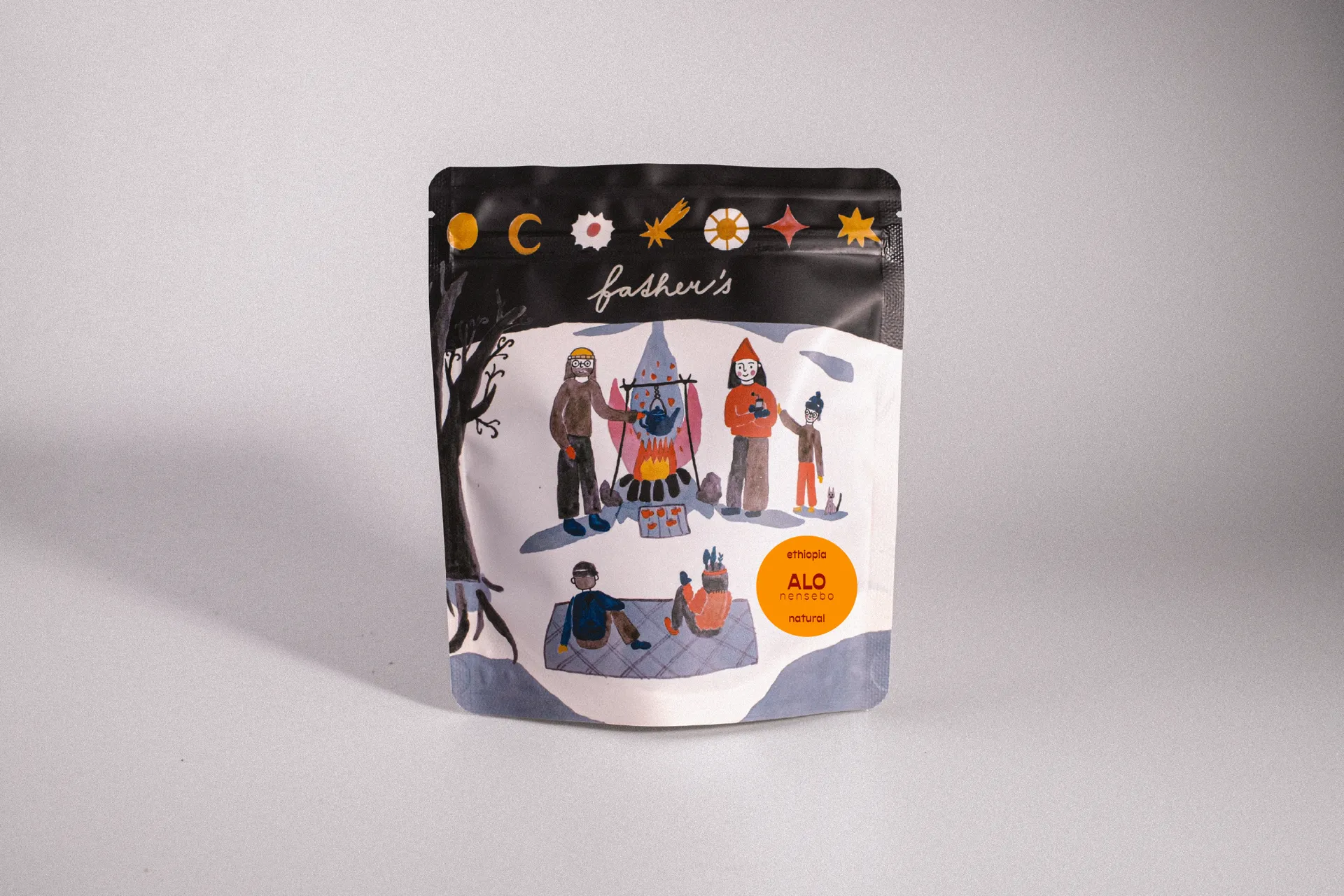
Holiday Coffee
€18.38
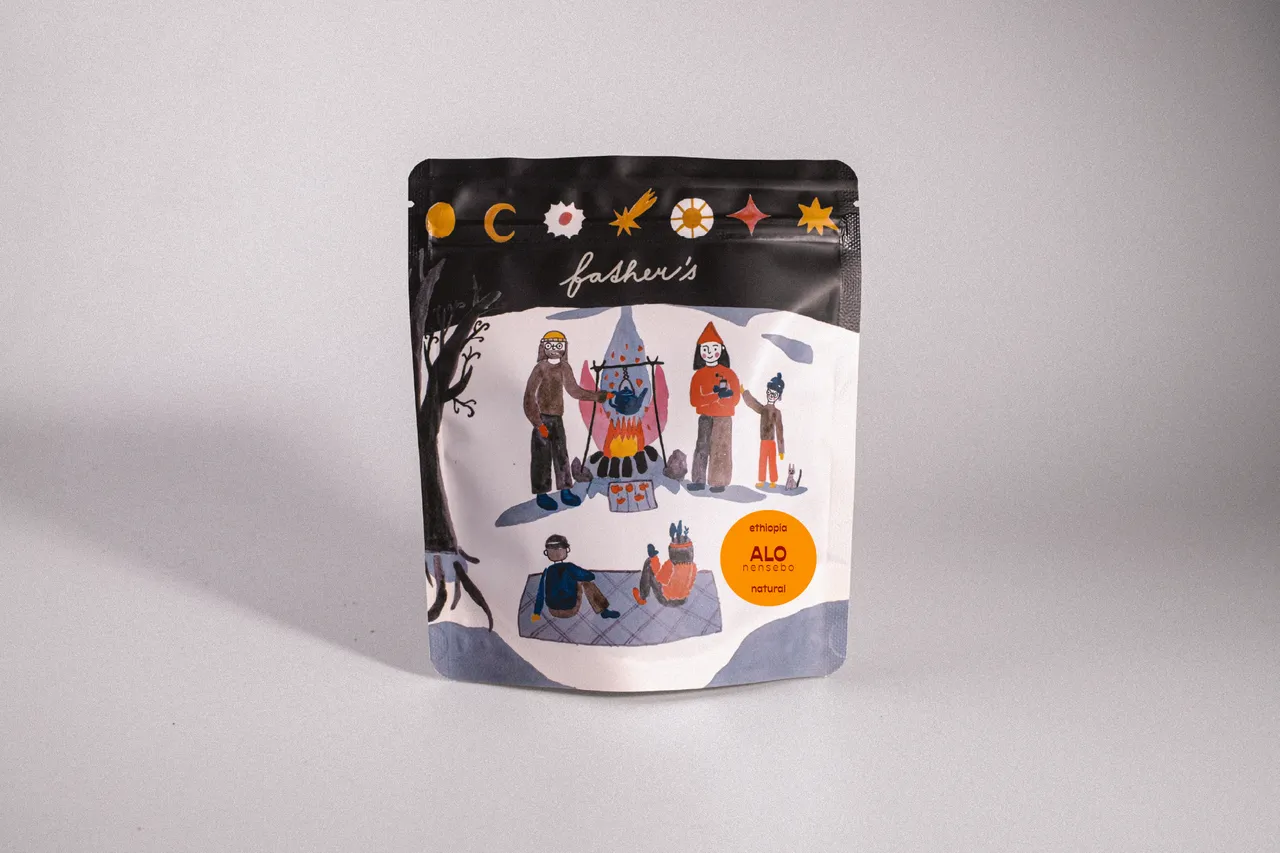
Single-origin 100% Arabica from the Ethiopian highlands, where this coffee grows at 2,400 metres. Expect notes of blackberries, star anise, red wine, mandarins. Light-roasted for filter, whether you brew it in a V60, AeroPress or Chemex. Just right for an afternoon break when you fancy something sweet and fruity at once.
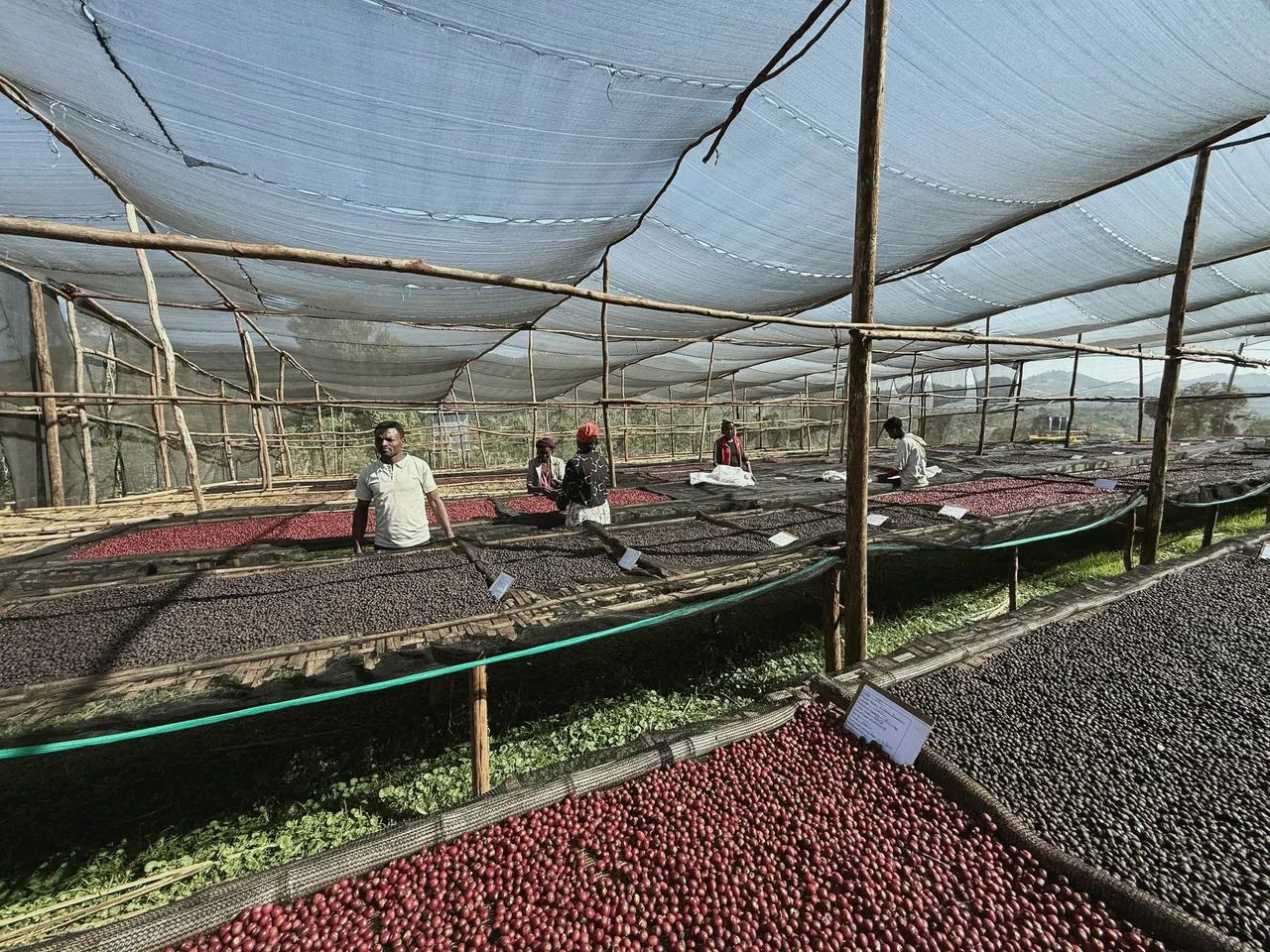
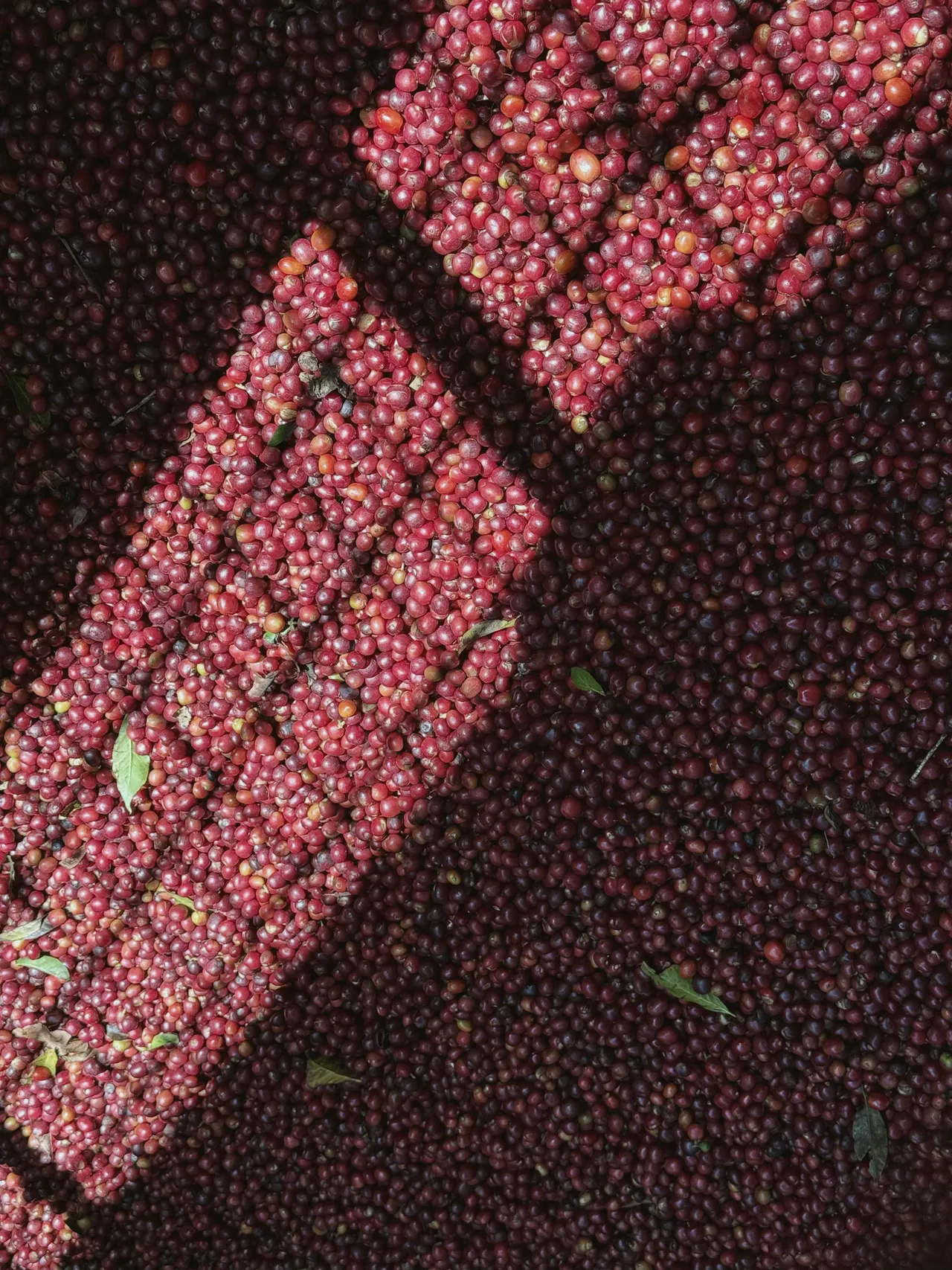

Suitable for filter brewing - V60, Solo Dripper, Clever Dripper, Moccamaster, AeroPress or Chemex. We also roast this coffee as a separate espresso version.
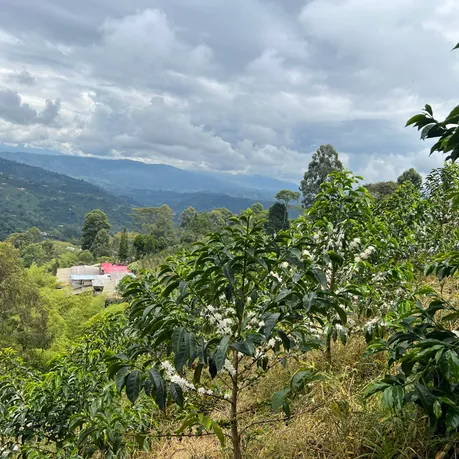
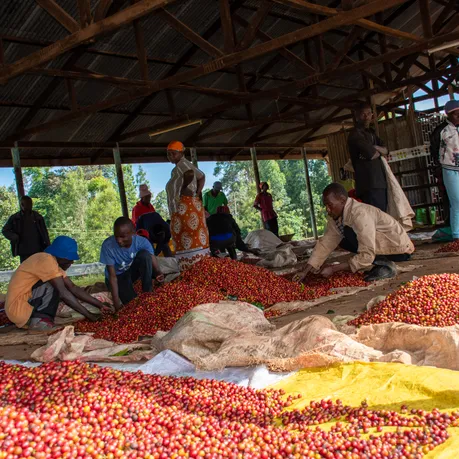
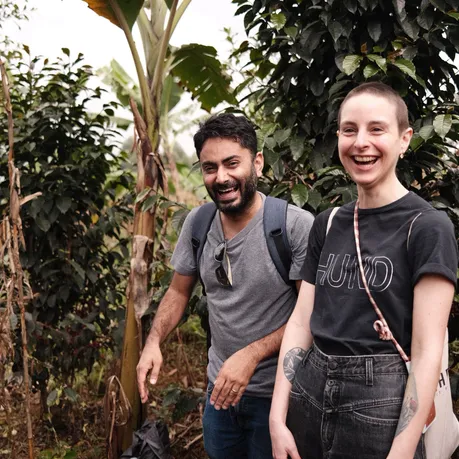
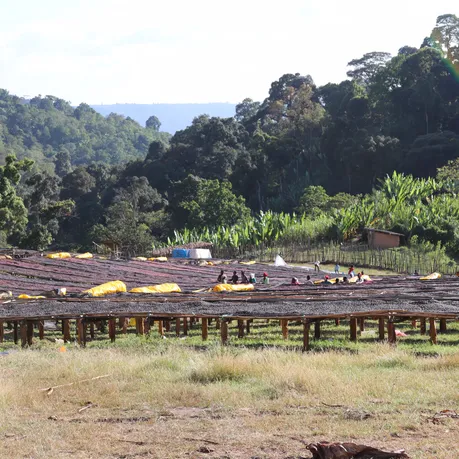
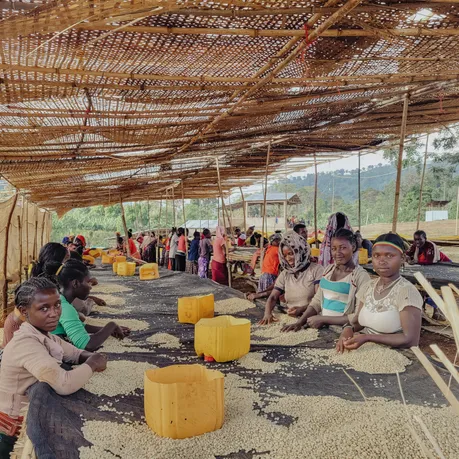
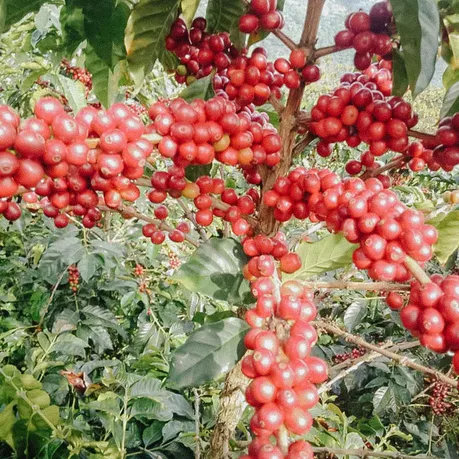
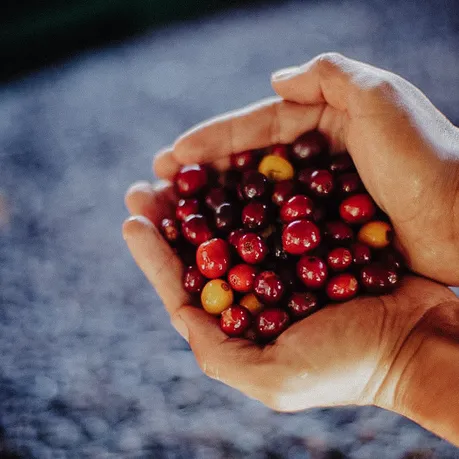
This coffee comes from the village of Huro in the Nensebo area of West Arsi. The area borders Sidama and stretches towards the Bale Mountains, with coffee growing at roughly 1,800 to 2,400 metres. Cherries are delivered to the stations by smallholder farmers, many of whom farm less than a hectare. They grow their coffee in garden plots and semi-forest.
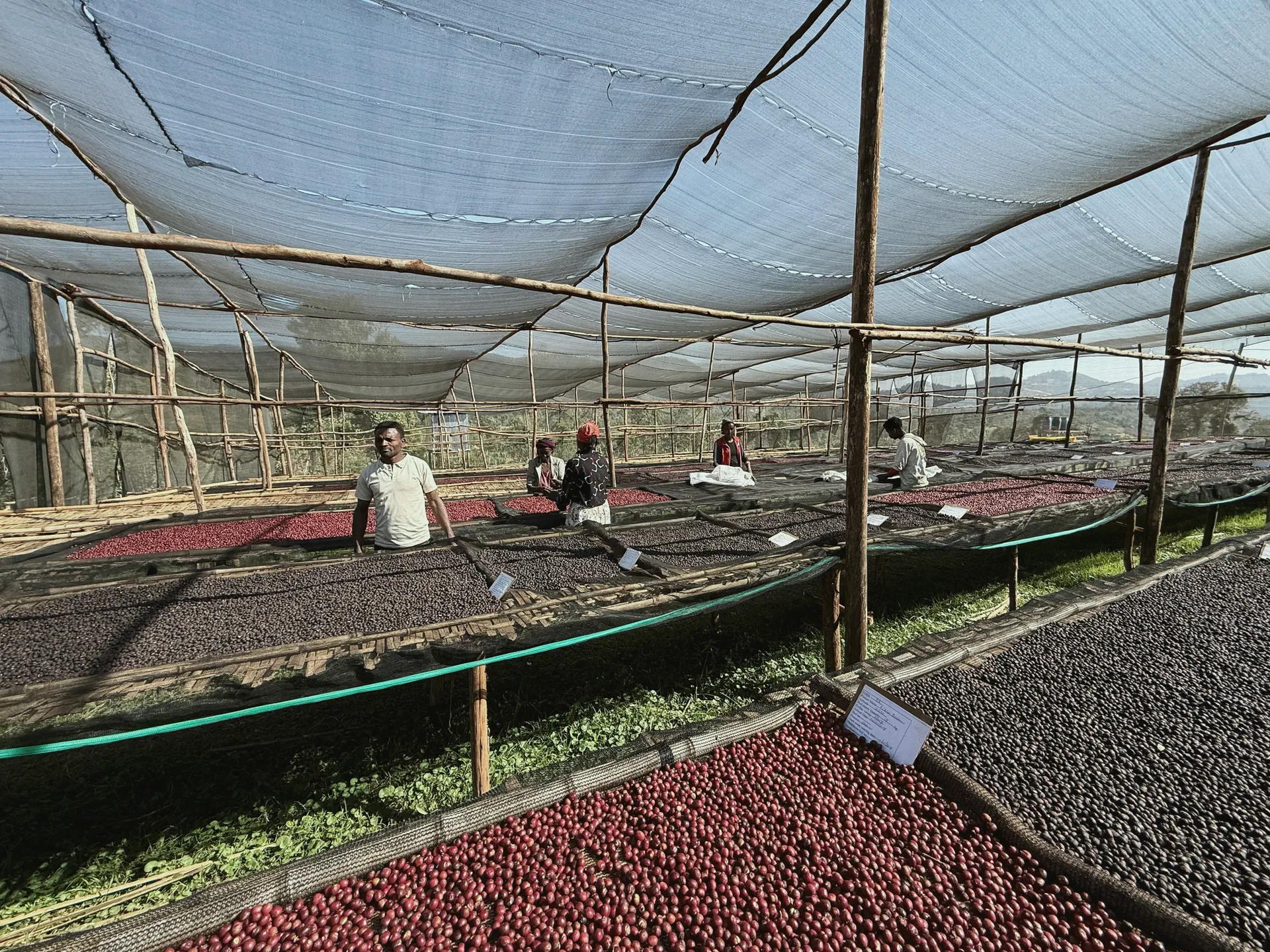
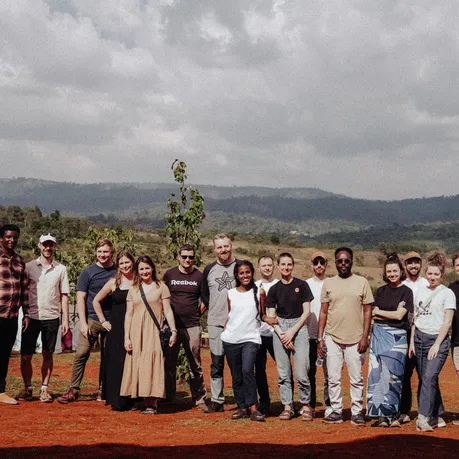
In Huro, two stations are run by Alo Coffee. The company was founded in 2020 by Tamiru Tadesse and his wife Messi in Tamiru's home village of Alo in Sidama. Tamiru used to teach at a university and worked as an electrical engineer. He already had experience in coffee and had seen quality go unrewarded and growers receive unfair prices. In 2021, the first year they entered the Cup of Excellence, a competition that seeks out a country's best coffees, they took first and fifth place.
Today Alo processes coffee at several stations in Sidama and Nensebo, supplied by hundreds of growers. It focuses on high-altitude coffee and encourages growers to farm higher up, even though that means smaller harvests.
Alo reinvests part of its profits in the local community. It supports schools and seedling nurseries and pays growers quality bonuses even at times when their families face financial strain. Its goals include supporting smallholders, especially women.
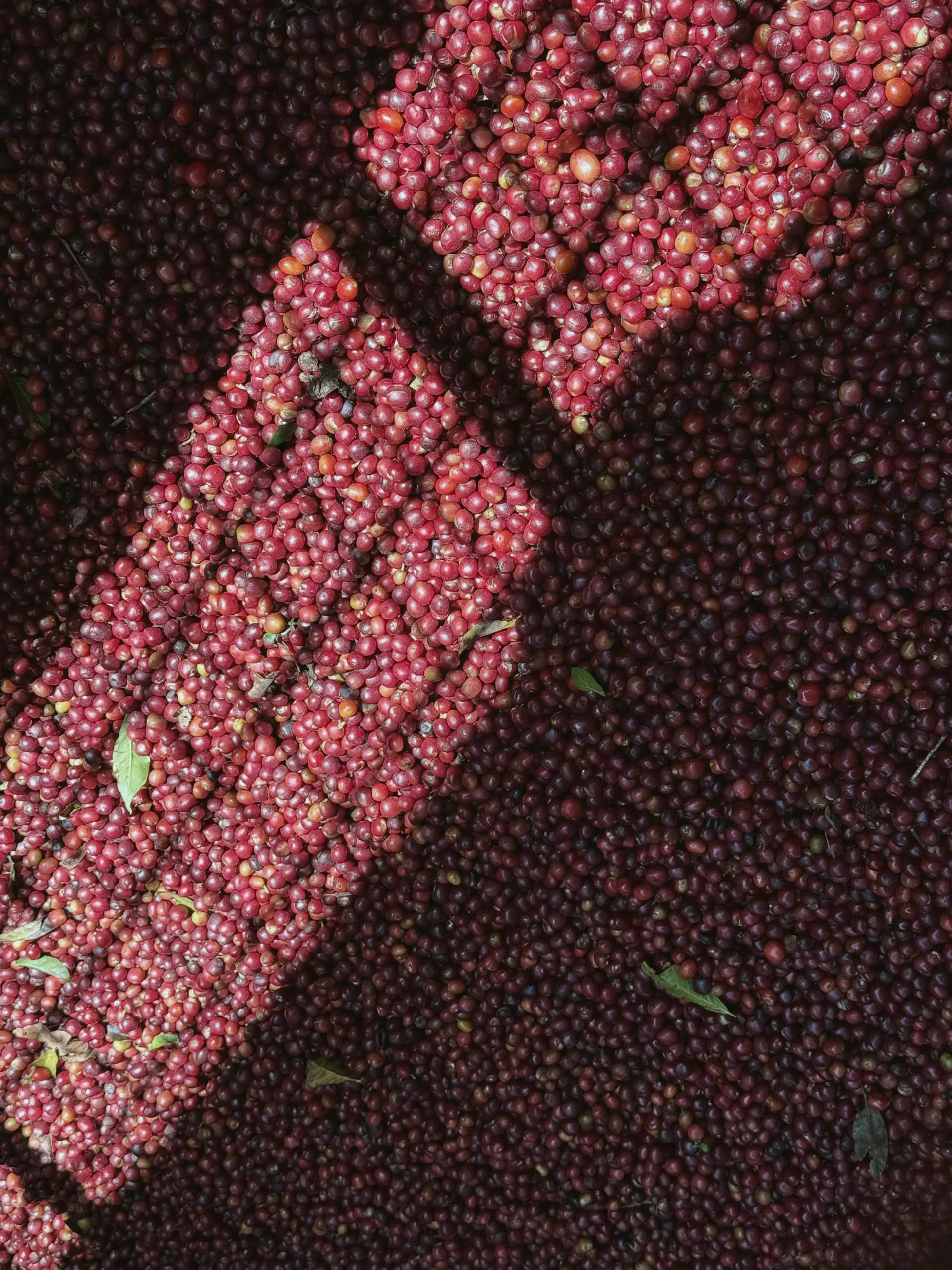
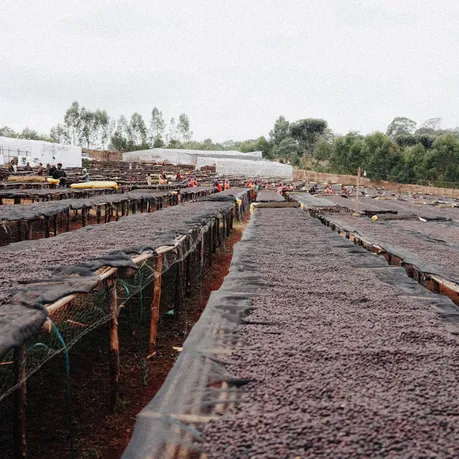
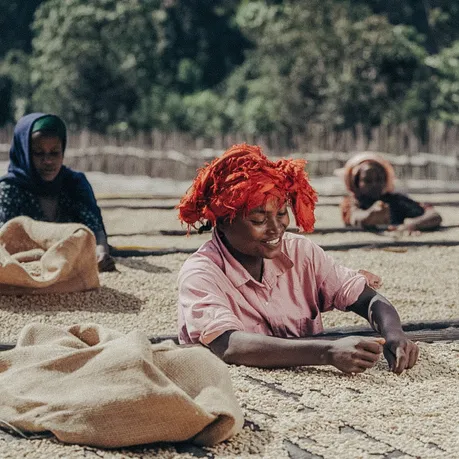
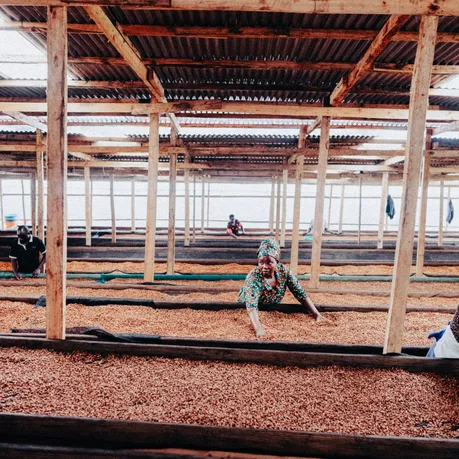
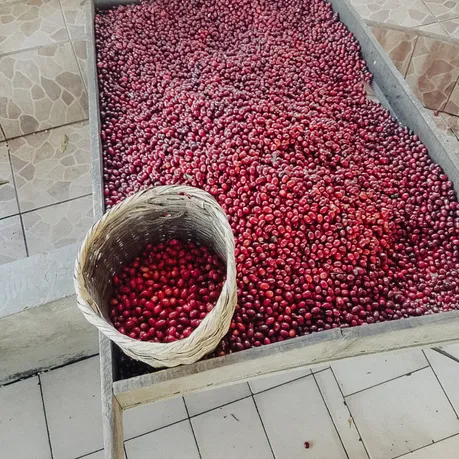
Because the whole cherry stays around the bean throughout drying, it has time to slowly pass on its sweetness and fruitiness. Natural coffees tend to taste bolder and fruitier in the cup.
This coffee is the 74158 variety. It is an Ethiopian variety selected by the Jimma Agricultural Research Center from coffee trees in the Metu area of Illubabor, and released in 1979 for its resistance to disease. It is one of the main varieties Alo works with.