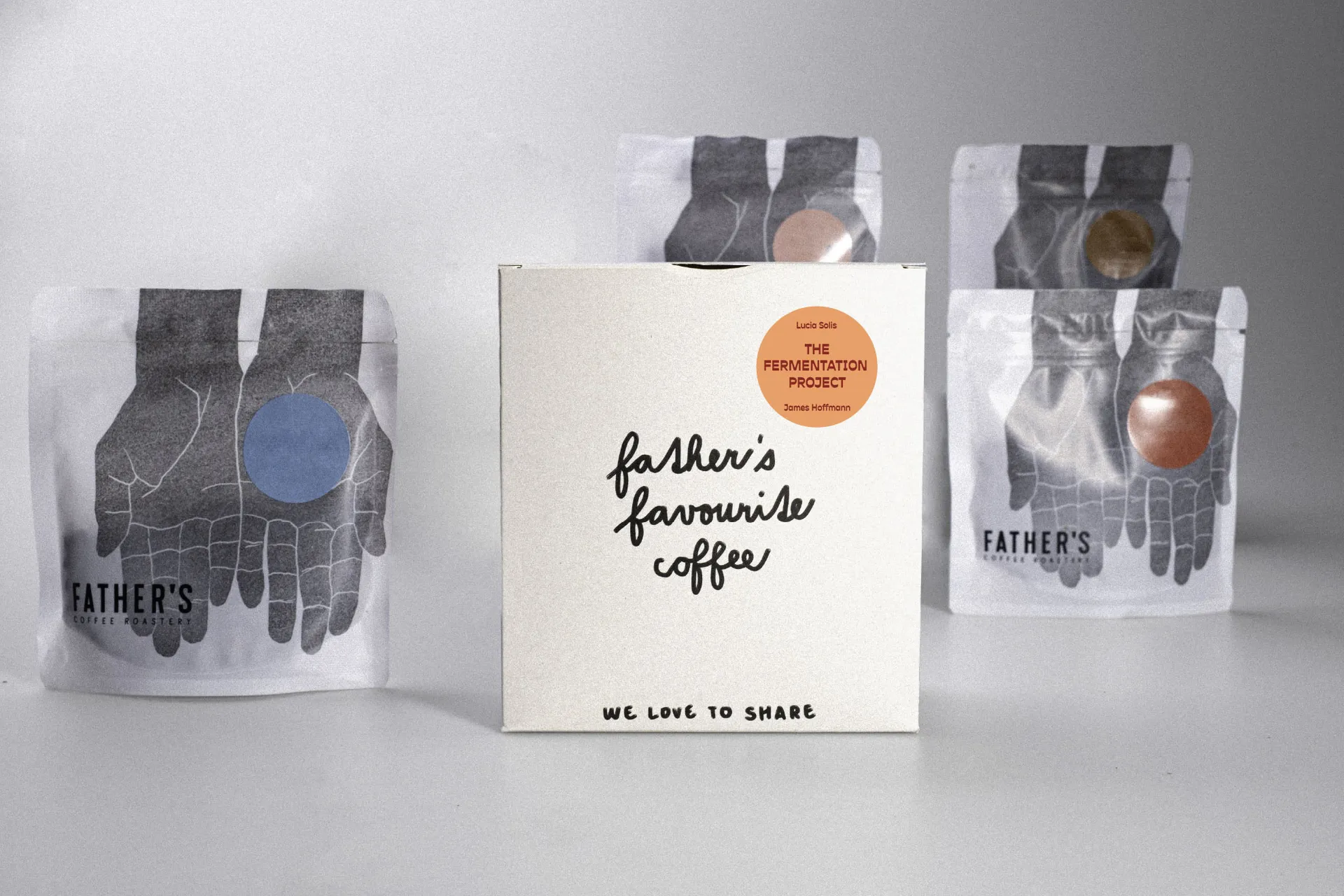
FilterNew


Kenya - Karatina AB
€17.36
This is a pre-order; the whole set will be shipped together on 14 September. If you also order coffee that is currently in stock in the same order, we will ship it separately so it does not have to wait for this set to be dispatched.
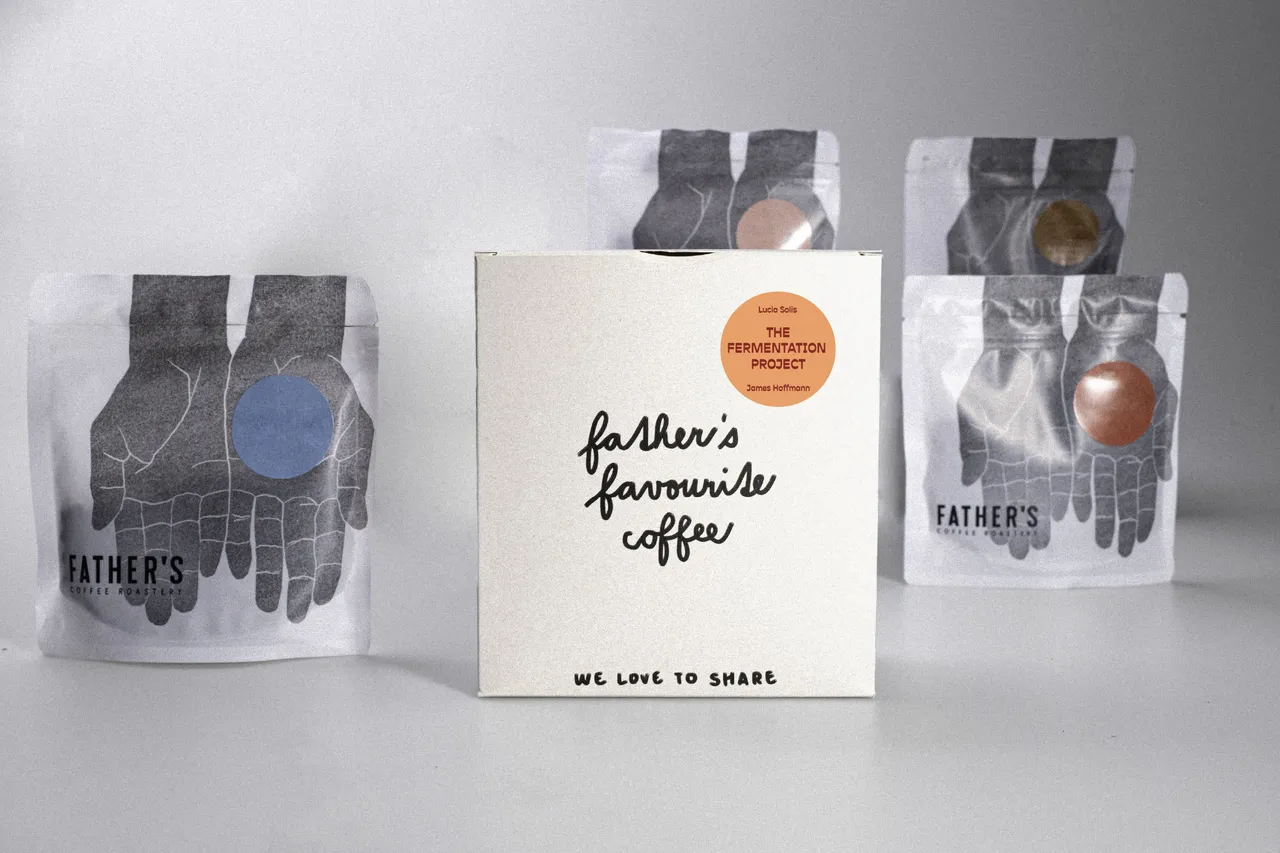
The Fermentation Project was created as an educational project focused on fermentation in coffee. Its aim is not to show the most extreme flavour profile possible, but to create space for comparison and for understanding what fermentation actually affects in coffee.
When people taste “fermented” coffees, they rarely have the opportunity to compare them with a non-fermented version. That is why the set also includes a control sample, where the fruit mucilage was removed mechanically and no fermentation took place.
Mechanically Demucilaged
A control sample without fermentation. The profile of this coffee comes primarily from the growing conditions, the varieties and the character of the place where the coffee was grown.
Wild Fermentation
A traditional fermentation method in which the coffee spent 48 hours submerged in water with naturally occurring local microorganisms. These help remove the sticky layer of fruit mucilage that remains on the coffee seed after depulping, and they can also influence the final character of the coffee.
Lactobacillus Inoculated
A controlled fermentation with Lactobacillus bacteria. The coffee underwent a 48-hour submerged fermentation, meaning it was fermented under water, which can support the production of organic acids and influence freshness, acidity and complexity.
Saccharomyces Yeast Inoculated
A controlled fermentation with Saccharomyces yeast. Here too, the fermentation lasted 48 hours. This method can influence the formation of flavour precursors, as well as the body and complexity of the coffee.
The coffee comes from Finca San Miguel Urias in the Antigua Valley of Guatemala, between Ciudad Vieja and San Miguel Dueñas. The farm is owned by Hector and Lilian Leal and operated by Rueda Farms.
The variety composition is approximately 85% Caturra, 15% H1 and a small amount of Bourbon. The coffee grows at an altitude of 1,460–1,540 m a.s.l.
All four samples are based on washed processing. After harvest, the cherries are sorted, depulped and then placed in fermentation tanks submerged in water. After fermentation, the coffee is washed and dried on an outdoor concrete drying patio for 10 to 14 days. Shade is used during drying when needed to help control the temperature.